When you search 'clay bird meaning,' you are almost certainly asking one of two very different questions: what does a clay bird object represent as a craft or ornament, or what does the bird motif itself symbolize, regardless of what it is made from? Those are genuinely separate questions, and mixing them up leads to frustrating, vague answers. The good news is that once you identify which one you are actually asking, the answer becomes much more specific and useful.
Clay Bird Meaning: Literal vs Symbolic Interpretations

Marcus Blackwell
23 Mar 2026
What 'clay bird' usually refers to (object vs. phrase)
The phrase 'clay bird' splits into at least three distinct uses, and it helps to rule out the ones that do not apply to you before going further. The first is purely sporting: 'clay bird' is a traditional name for a clay pigeon, the disc-shaped target used in trap shooting and skeet shooting. The Clay Bird Shooting Association has used this terminology since 1903. If you landed here from a shooting or sport context, that is a separate world entirely and has nothing to do with symbolism.
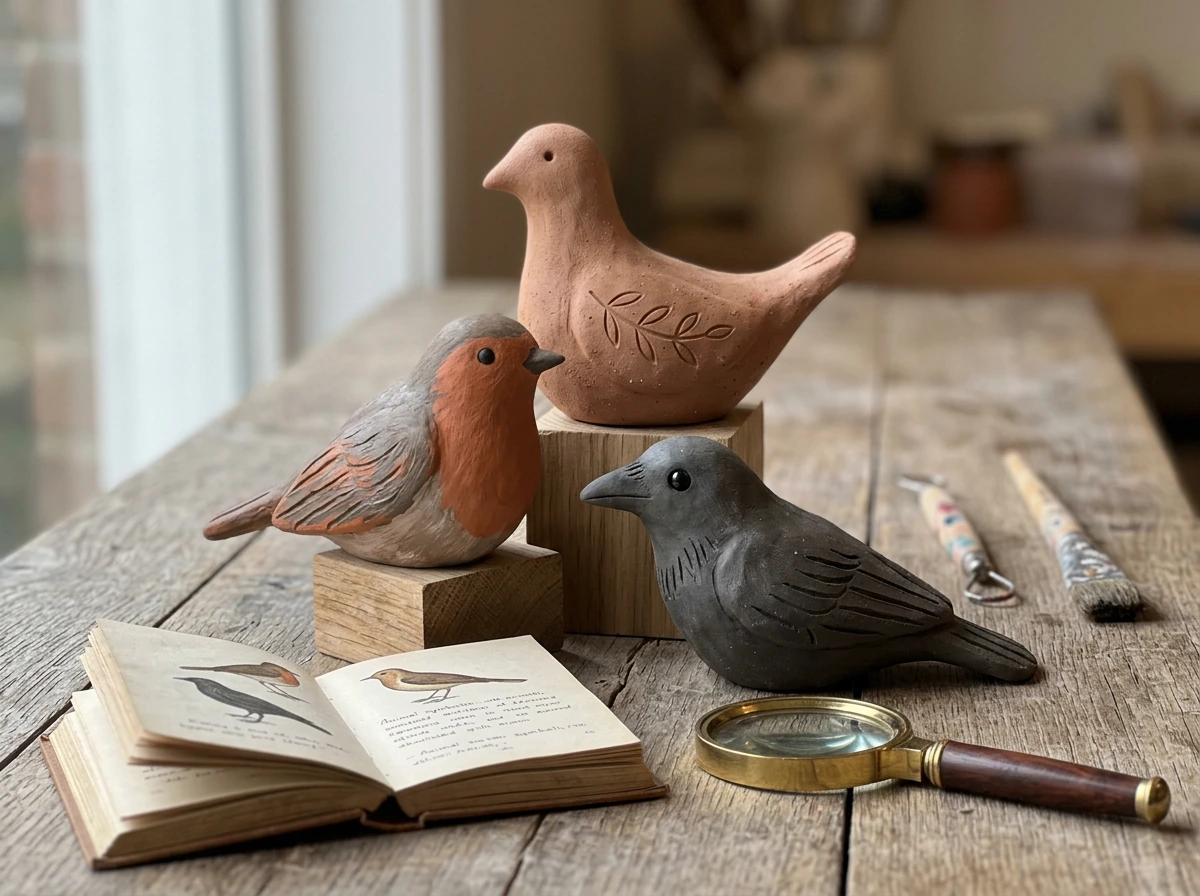
The second use is the literal craft or ornament context, which is probably the most common reason people search this phrase today. Retailers, DIY tutorials, and craft marketplaces sell clay bird ornaments made from air-dry clay or kiln-fired ceramics. Crayola has a standard tutorial for air-dry clay ornaments shaped like birds; Michaels' MakerPlace lists products like 'Good Morning! Clay Bird Ornament' that are straightforward decorative objects. Here, 'clay bird' just means a bird-shaped item made of clay, and the 'meaning' question arises because people want to know if it carries any deeper message, especially when received as a gift.
The third use is archaeological and historical: clay bird figurines appear in museum collections and academic literature as ancient objects with specific ceremonial or cultural functions. These are a completely different category from a craft ornament you bought at a market. Native American pottery traditions in the American Southwest, for example, include bird effigy figurines made by cultures like the Hohokam, Mogollon, and Ancestral Puebloans, with traditions going back more than 1,000 years. Mesoamerican clay bird vessels were often placed in funerary settings or used as offerings. If your clay bird came from an antiquities or museum context, that historical layer matters a lot.
The literal meaning of a clay bird as an object
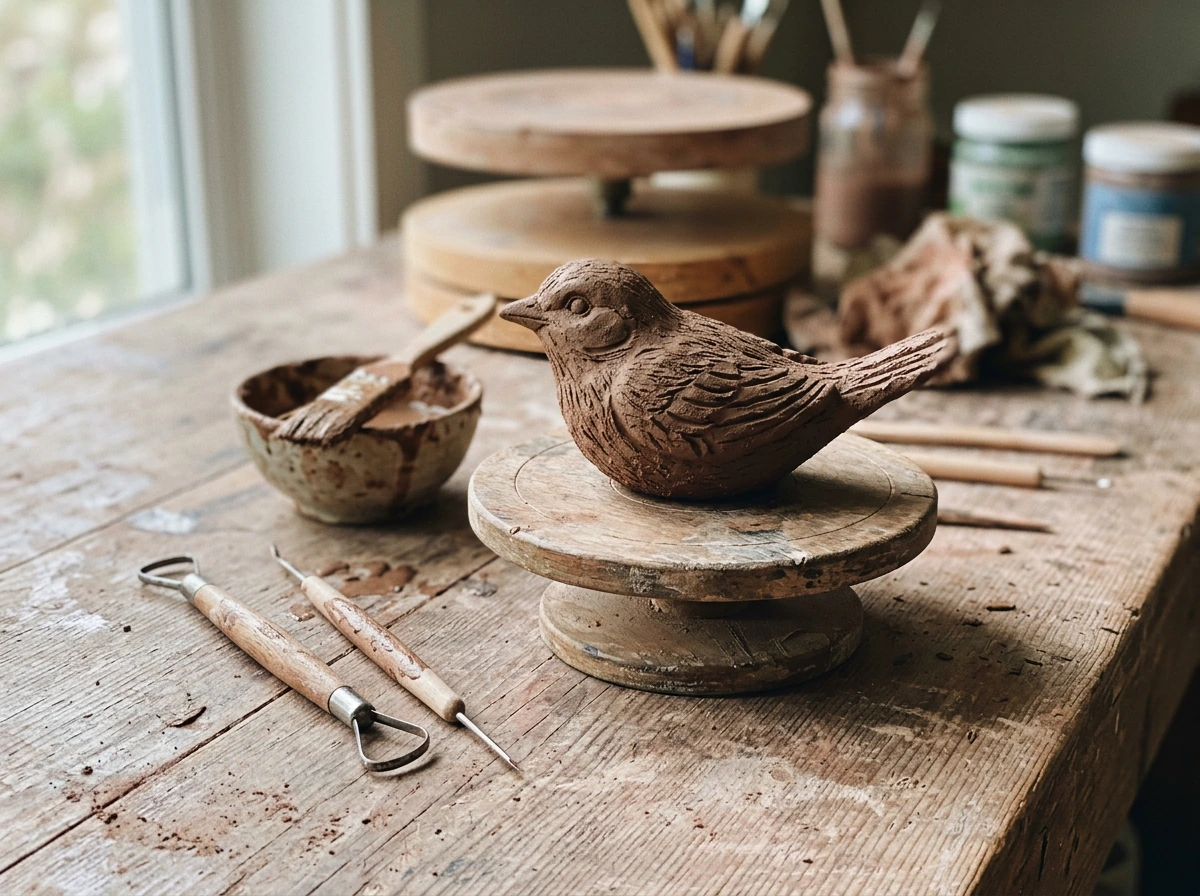
At face value, a clay bird is a sculpted representation of a bird rendered in clay, ceramic, or a similar material. The material itself, clay, does not carry intrinsic symbolic weight in most modern Western contexts. What matters more for interpretation is how the piece was made and finished, because that often signals its intended purpose.
A bisque finish, which is unglazed ceramic fired once in a kiln, signals a collectible or paintable decorative piece. You will sometimes see retailers describe ceramic bird figurines with a 'sandy or bisque finish,' which just refers to the manufacturing stage rather than any coded meaning. An air-dry clay bird ornament from a craft store is almost always a decorative or gift item rather than a symbolic artifact. A hand-painted folk art bird from a specific region or artisan tradition is more likely to carry deliberate symbolic intent. And a bird effigy excavated from a grave site or ceremonial deposit carries meaning that is entirely defined by its archaeological context.
The practical takeaway here: if your clay bird is a modern craft object or gift, the material is mostly incidental. The symbolism comes from the bird depicted, not from the clay. If it is an antique or regional folk art piece, both matter.
The symbolic meaning of a bird made from clay
Most people searching 'clay bird meaning' are really asking about the bird as a symbol, and that is where this gets genuinely interesting. Birds carry some of the richest and most consistent symbolic meanings across cultures: freedom and liberation, rebirth and new beginnings, spiritual connection, the soul's journey, love and loyalty, and prophetic or divine communication. These themes appear in mythologies and folk traditions from ancient Greece to Indigenous North America to East Asia.
Retail craft listings for clay bird ornaments sometimes bundle these interpretations explicitly. A MakerPlace listing for a black and white clay bird ornament, for example, frames the bird motif around freedom and liberation, rebirth and transition, friendship and loyalty, and spirituality and soul. That is not just marketing copy; it reflects genuine cross-cultural consensus about what birds represent as symbols. The sellers are borrowing from a long tradition.
The challenge is that 'bird' is not a single symbol. A dove means something very different from a raven, a phoenix, or a hummingbird. Clay, as a medium, does not override those distinctions. A clay dove carries dove symbolism: peace, love, the divine messenger, Aphrodite's sacred animal (the British Museum documents a limestone figure holding what is almost certainly a dove, tied explicitly to Aphrodite through its findspot). A clay phoenix or phoenix-type bird carries rebirth and immortality symbolism, classified as motif B32 in the folk-literature motif index. A clay hummingbird in a Hopi or Zuni ceremonial context connects to specific spirit bird traditions in Puebloan culture.
Where to verify the meaning: culture, folklore, and art
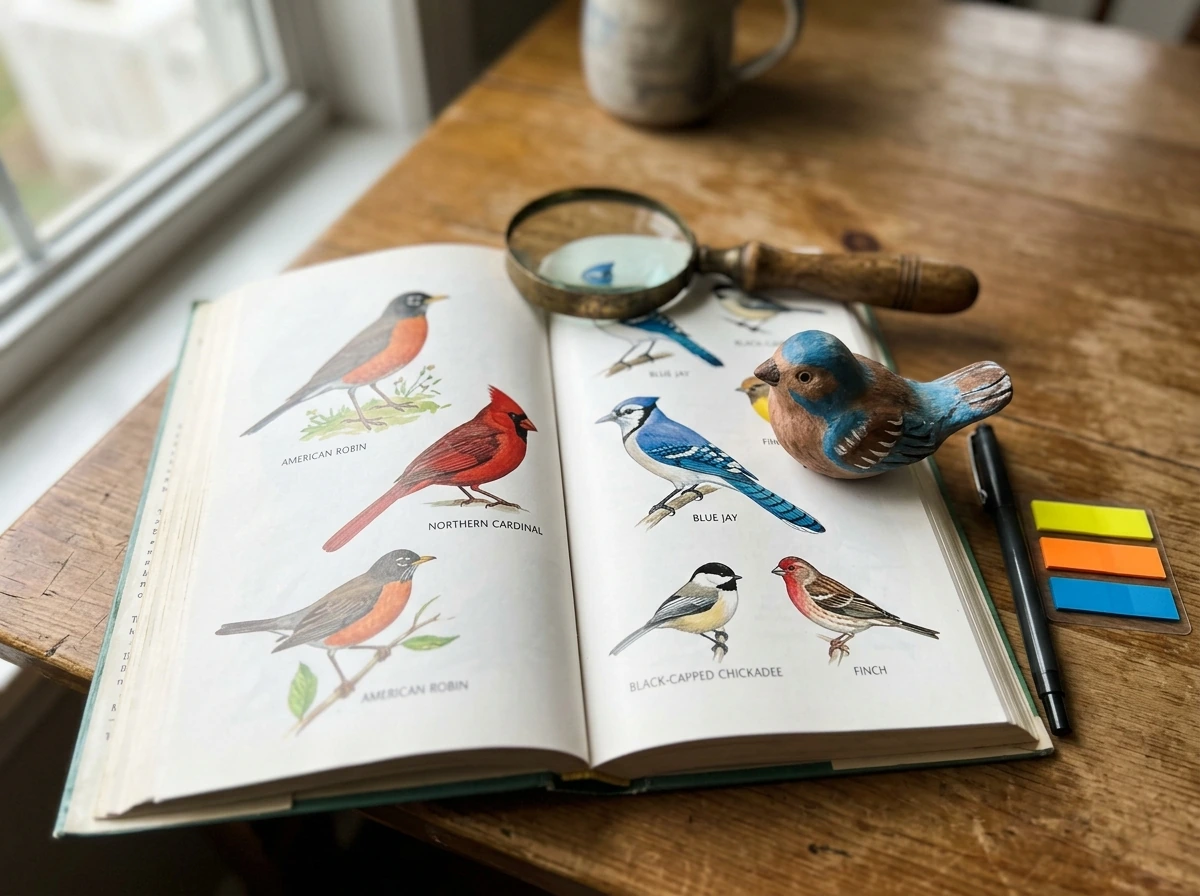
The most reliable way to pin down what your clay bird means is to check the details against documented sources rather than guessing from general 'bird symbolism' lists. Here is a practical order of operations.
- Identify the bird species or type depicted. Is it a dove, an eagle, a hummingbird, a generic songbird, a stylized or fantastical bird? This is the single most important detail.
- Note the pose and any markings. A bird in flight typically signals freedom or the soul in transit. A nesting bird suggests home, loyalty, or nurturing. A bird with spread wings in a funerary context has different implications than the same pose on a wedding gift.
- Check the color. In Chinese artistic tradition, a pair of birds often symbolizes love and romance, and color distinctions matter in East Asian iconography. In Western folk art, red birds (like cardinals) carry different associations from white ones.
- Identify the region and cultural origin. Southwest Native American bird effigies, Mesoamerican clay bird vessels, ancient Greek terracotta birds, and contemporary craft ornaments all operate in entirely different symbolic vocabularies.
- Look at the setting where it appeared. A grave context points toward funerary or spiritual meaning, often the soul's journey. A domestic or decorative setting leans toward good fortune, love, or everyday symbolism. A gift from a friend probably reflects broadly positive associations like friendship, freedom, or new beginnings.
- Check the creator or source. Scholarly museum records (like British Museum collection notes) provide explicit interpretive justification. Academic publications on terracotta figurines discuss whether symbolism is funerary or ceremonial in specific archaeological contexts. Craft tutorials, by contrast, typically frame the object by process rather than coded meaning.
Academic sources like Cambridge University Press journals and museum anthropology resources document that bird imagery in clay is highly variable in meaning even within a single culture, so treat any single universal interpretation with skepticism. Context is always doing more work than the object itself.
Choosing the right interpretation for your situation
Here is a direct decision guide based on the most common scenarios.
| Your situation | Most likely meaning | What to check |
|---|---|---|
| Received as a handmade or craft-store gift | Broadly positive: freedom, new beginnings, friendship, good luck | Bird type and color; giver's intent |
| Found in a folk art or regional artisan market | Cultural or regional bird symbolism specific to that tradition | Region of origin, bird species depicted |
| Inherited antique or ceramic figurine | Decorative or collectible; may carry period-specific symbolism | Bisque vs. glazed finish; maker's mark; era |
| Archaeological or museum-context object | Funerary, ceremonial, or spiritual meaning specific to that culture | Findspot, burial vs. domestic context, academic records |
| Seen in art or literature | Bird as metaphor: soul, freedom, divine messenger, love, prophecy | Which bird; the work's cultural tradition |
| Gift with an attached note or spiritual framing | Intentional symbolic message from giver | Note content; bird type; any accompanying iconography |
The key insight is that the word 'clay' narrows the field to a physical object rather than a phrase or idiom, which actually makes disambiguation easier. You have something concrete in front of you (or described to you), and you can inspect its details. Unlike purely verbal bird idioms, a clay bird gives you visual and material clues to work with.
Related bird symbolism worth cross-checking
Because the bird type is the most important variable, it is worth briefly connecting the clay bird question to the broader bird symbolism landscape. If you can identify which bird your clay figure represents, you can map it onto well-documented symbolic traditions.
Dove and peace themes
The dove is one of the most universally recognized bird symbols: peace, love, the divine, and in ancient Greek tradition, specifically the sacred animal of Aphrodite. If your clay bird is white or clearly dove-shaped, this is the most natural symbolic cluster to explore. Museum records explicitly document this association based on findspot evidence, not just folklore.
Phoenix and rebirth themes
If the bird looks fantastical, flame-colored, or is specifically identified as a phoenix or mythological bird, rebirth, immortality, and transformation are the dominant meanings. Phoenix symbolism (motif B32 in the folk-literature classification system) is one of the most cross-culturally documented bird motifs, appearing in Greek, Chinese, Egyptian, and Persian traditions. A clay bird with this character is almost certainly referencing renewal or transformation.
Robin and seasonal symbolism
A clay robin, especially as a seasonal ornament, maps onto spring, new beginnings, and good luck. This is particularly common in British and North American folk traditions where the robin's appearance signals the end of winter. Many clay bird ornaments sold around the new year or spring seasons feature robins for precisely this reason.
Crow and messenger themes
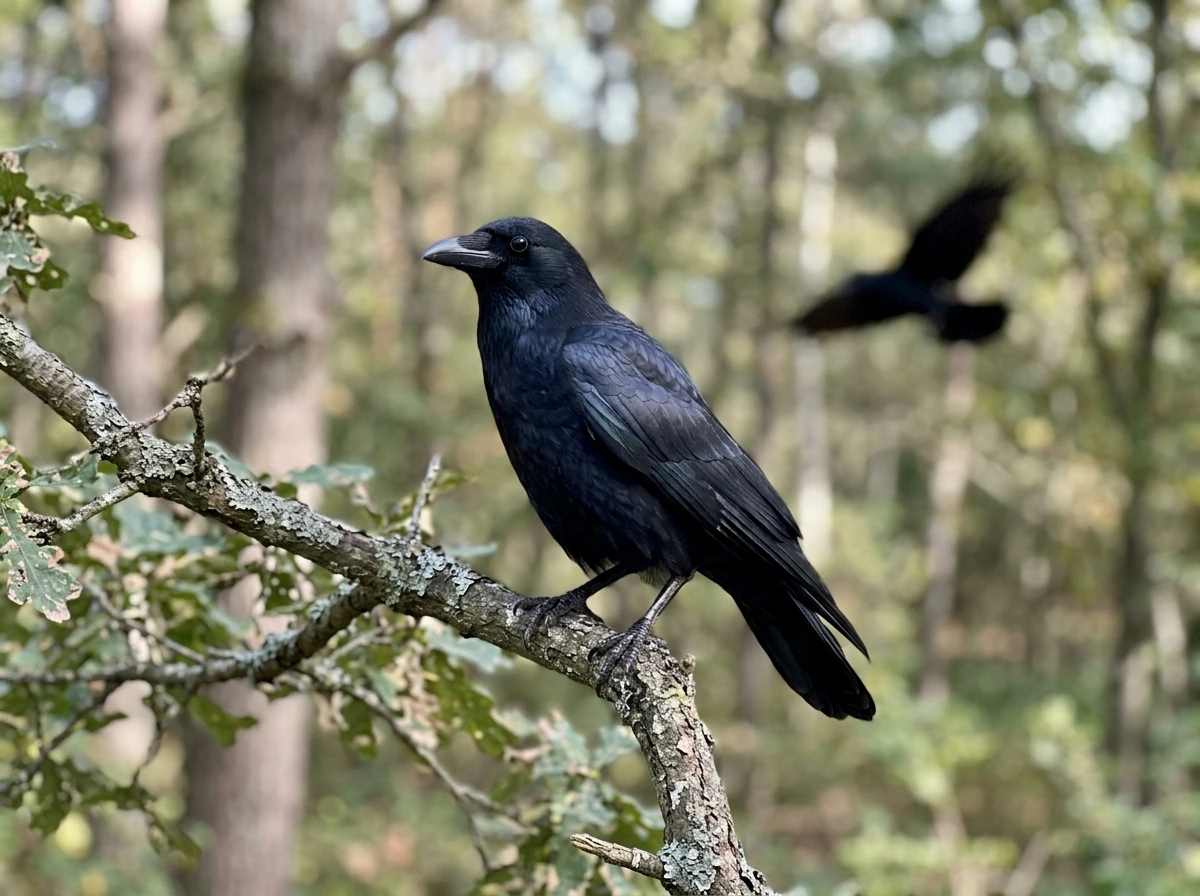
A clay crow or raven moves into very different symbolic territory: intelligence, prophecy, death, and transformation in Celtic and Norse traditions; creation and trickery in many Indigenous North American traditions. Crow bird meaning depends heavily on whether your figure is a corvid and which cultural or ceremonial context it comes from. If you are trying to interpret cat bird meaning instead, the key is also to identify the exact figure type and its cultural context. A clay crow or raven moves into very different symbolic territory: intelligence, prophecy, death, and transformation in Celtic and Norse traditions; creation and trickery in many Indigenous North American traditions. If the clay bird is clearly dark-colored and corvid-shaped, cross-referencing crawl bird meaning is the right next step, as the associations are distinct from peace-and-love dove symbolism.
Pairs of birds
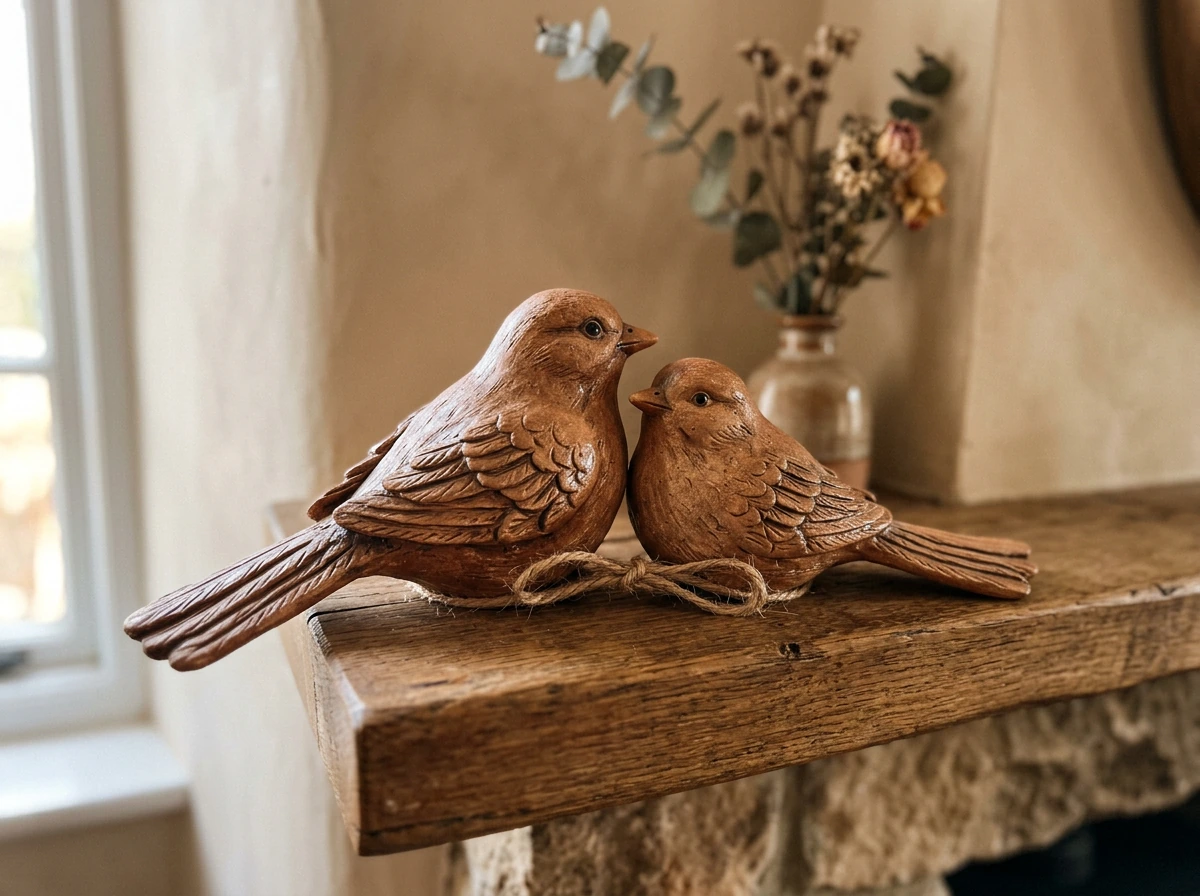
If you have two clay birds together rather than one, the meaning often shifts. In Chinese artistic tradition documented by the Art Institute of Chicago, a pair of birds typically symbolizes love and romance. Paired birds in folk art across many cultures represent partnership, fidelity, and companionship. This is worth noting if your clay bird came as one of a pair or set.
Your next steps right now
If you are still unsure which interpretation applies, here is the fastest path to a clear answer. Look at the bird and identify the species or type first. A generic small songbird in a craft context almost always signals broadly positive themes: freedom, friendship, new beginnings. A specific, identifiable species points you directly to that bird's documented symbolism. Check the region and source if you can, because a clay bird from the American Southwest, ancient Greece, and a contemporary craft market are operating in entirely different symbolic systems. Check the region and source if you can, because a clay bird from the American Southwest, ancient Greece, and a contemporary craft market are operating in entirely different symbolic systems. And if it came as a gift, remember that most gift-givers are working from broadly positive intentions rather than encoded messages, so the symbolism they intended is likely in the freedom, friendship, and good luck cluster unless they specifically told you otherwise. If you think your clay bird might actually be a crawl or creeping figure rather than a standard bird type, cross-check crawl bird meaning alongside the species and region like you would for other bird interpretations.
The core principle here is one that applies across bird symbolism generally: the bird type and the cultural context together determine the meaning, and neither one alone is enough. A clay medium just tells you that someone cared enough to make or choose a physical object, which is its own kind of message. If your clay bird is specifically a curlew rather than a generic songbird, you may also want to compare it with the curlew bird aboriginal meaning to see how Indigenous interpretations shift the symbolism.
FAQ
Does “clay bird meaning” refer to the symbolism of clay itself, or just the bird shape?
In most modern Western craft settings, the clay medium is incidental, so the bird type drives the symbolism. Clay can matter mainly in antique or museum contexts where the production technique, firing method, and find context signal a specific function.
How can I tell if my clay bird is a craft ornament versus an archaeological artifact?
Check the provenance clues first, such as a museum label, excavation site information, or an explicit “antiquity” description. In craft listings, you will usually see modern production notes like “air-dry,” “kiln-fired,” “paintable,” or “for decorating,” which indicate an ornamental gift rather than a ceremonial object.
If my clay bird is air-dry clay, does that change its symbolic interpretation?
Usually it does not. Air-dry clay typically indicates a DIY or contemporary gift item, so interpret symbolism through the bird species and any stated theme (for example, dove for peace). The production stage changes how it was made, not the traditional symbol system being referenced.
What details should I look at besides the bird species to get a more accurate meaning?
Look for color, posture (flying, perched, facing direction), and finish (painted versus unpainted). For example, a painted dove in a bright white palette tends to align with peace-and-love themes, while a dark, corvid-like silhouette often points toward intelligence or omen-related associations.
How should I interpret my clay bird if it is paired with another bird?
Pairings often shift themes toward connection, romance, partnership, or companionship, but the exact meaning depends on the relationship shown. Two identical birds can suggest fidelity, while mixed species pairings can indicate a blended story (for example, contrast between peace themes and renewal themes).
Can the same bird type have different meanings in different cultures, even if it is the same species?
Yes. The article’s bird-symbol cluster is a starting point, but cultural context can redirect meanings. A hummingbird motif, for example, may map to spirit or ceremonial traditions in some Indigenous contexts, while a generic “hummingbird” craft ornament might be marketed more broadly as joy, energy, or summer.
What if my clay bird is not clearly a real species (for example, a fantasy bird)?
Treat it as a mythic or blended symbol rather than a literal species. Look for explicit identifiers like “phoenix,” “angel bird,” or flame motifs, then interpret using the mythic cluster (rebirth, transformation) instead of generic bird symbolism.
Is it safe to rely on generic bird symbolism lists for my clay bird’s meaning?
Usually not on their own. Generic lists can be directionally helpful, but the most reliable approach is to cross-check the specific bird type, color, and any stated regional or artistic tradition, then confirm whether the piece matches a documented tradition.
How do I interpret it if the clay bird is a seasonal ornament (like a spring robin)?
Seasonality is often part of the intended message. A robin ornament near winter-to-spring transitions commonly points to spring, new beginnings, and good luck, but confirm the context by checking placement (holiday theme, packaging text, or the maker’s stated seasonal meaning).
What is the fastest way to “get it right” if I’m still unsure?
Identify three things in order: bird type (dove, phoenix-like, robin, raven/crow, hummingbird), visual details (color and posture), and origin context (modern craft gift versus historical/ceremonial). If your item lacks clues, the default assumption for gifts is a broadly positive theme like friendship or new beginnings unless the giver specified otherwise.
Next Article
Crow Bird Meaning: Literal Facts, Symbolism, and Language Uses
Learn what crow bird meaning means literally, symbolically, and in English phrases so you interpret the right context.