When someone searches "cob bird meaning," they almost always mean one of two things: either "cob" as a traditional folk name for a male mute swan, or "cob" as a dialect name for certain gulls, particularly the black-headed gull or larger gull species. Neither interpretation is slang in the modern sense. Both are genuine, documented bird names rooted in British English dialect and swanherd tradition. The trick is figuring out which one fits the context you saw it in, because the word does double duty depending on where and how it's used.
Cob Bird Meaning: Slang vs Literal Bird Reference

Marcus Blackwell
23 Mar 2026
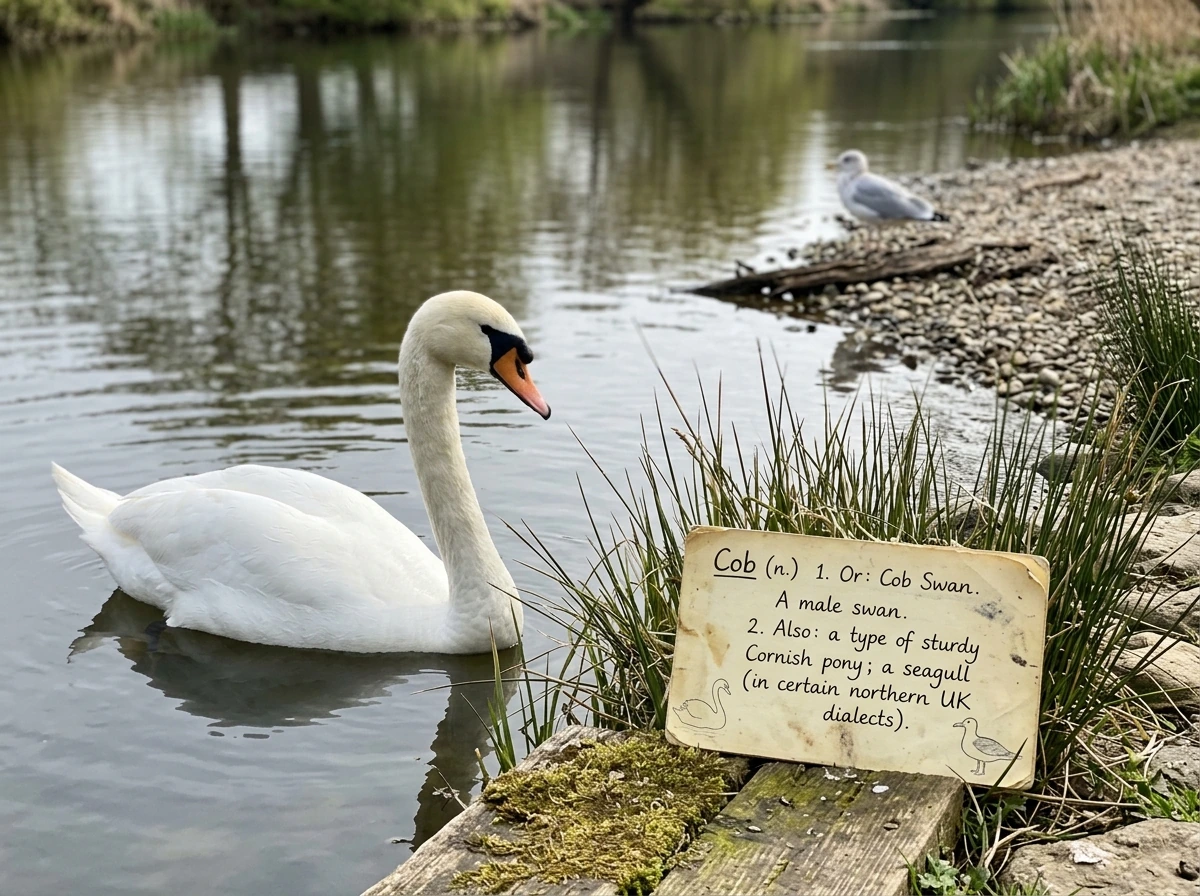
The two most likely meanings of "cob bird"
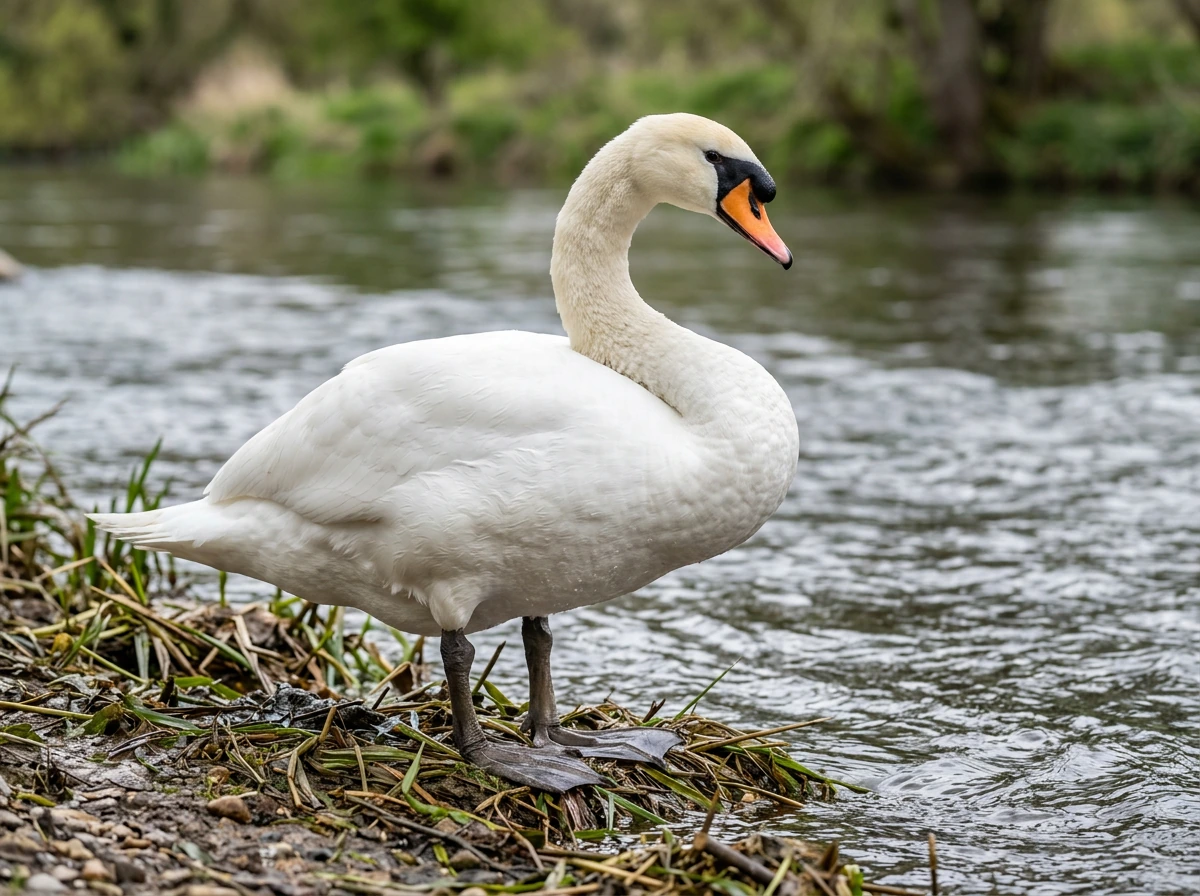
Cob as a male mute swan
This is the most widely documented meaning of "cob bird" in English. In the traditional language of swanherds, the male mute swan is called the cob and the female is called the pen. A young swan is a cygnet. Brewer's Dictionary of Phrase and Fable states it plainly: "The male swan is called a cob, the female a pen; a young swan is called a cygnet.
" This pairing, cob and pen, appears consistently across sources from Ben Jonson's Elizabethan writing (where he uses "cob-swan" to mean the male bird) through to modern natural history notes from places like Nottinghamshire Wildlife, which describes the male mute swan as "also known as the 'Cob. '" If you've ever come across the phrase "the cob bird" in a text about swans, waterfowl, or river wildlife, this is the reading.
It's not poetic or symbolic, it's a working term with centuries of use behind it.
The most famous literary use of this sense is E.B. White's novel The Trumpet of the Swan, where the adult male swan character is explicitly referred to as "the cob," contrasted with "the pen" for the female. Many readers first encounter the term through that book and come away unsure whether "cob" is invented for the story or a real word. It's real, and it predates White by several hundred years.
Cob as a folk name for gulls
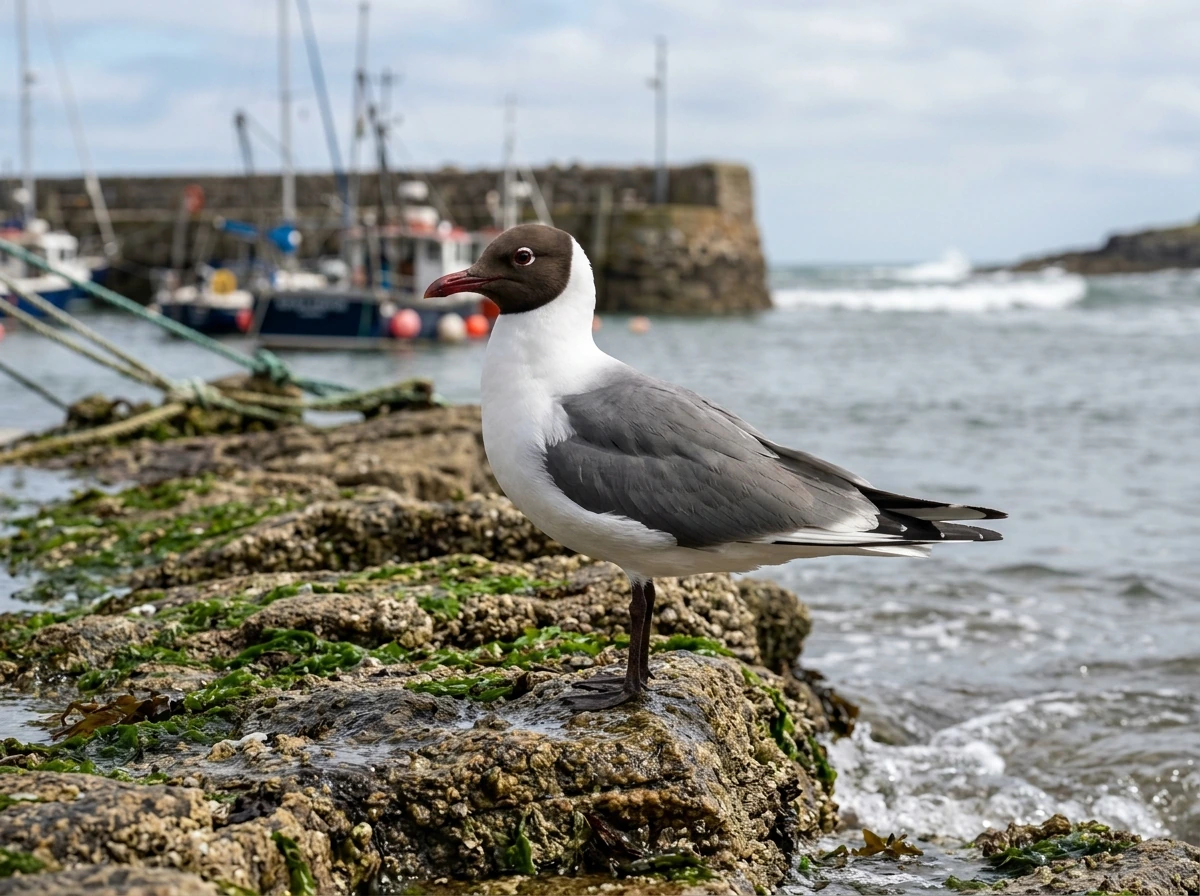
The second meaning is regional and dialect-based. In British bird naming tradition, "cob" has historically been applied to gulls, particularly the black-headed gull, but also to larger gull species. BTO provides species facts for the [Black-headed Gull](https://www. bto.
org/learn/about-birds/birdfacts/black-headed-gull), including its identification details. [A Dictionary of English and Folk-names of British Birds defines "COB" as "Properly the BLACK-HEADED GULL; but also any large Gull. ](https://upload. wikimedia.
org/wikipedia/commons/a/a0/ADictionaryofEnglishandFolk-namesofBritishBirds%28IAdictionaryofengl00swanrich%29. pdf)" The British naturalist Charles Dixon noted that Montagu reported the great black-backed gull being called a "cob" locally, and that the term was of "pretty general application to the larger gulls. " The British Trust for Ornithology even lists "Cob" among the folk names for the common gull. So depending on the region or the source text, a "cob bird" could be referring to any of several gull species without any single species being definitively "the" cob.
This gull sense of the word is older and more regionally specific than the swan sense. You're more likely to encounter it in historical British natural history writing, coastal community records, or folk tradition documentation than in contemporary usage. If someone in a seaside British town called a gull a "cob," that's almost certainly what they meant.
Is there a slang meaning?
"Cob bird" doesn't carry an established slang or idiomatic meaning the way some other bird terms do. ...It's not used the way "crow" might be used figuratively... If you've seen "cob bird" used in what looks like slang or a nickname context, it's most likely a regional folk-name usage that's being applied casually, or possibly a mishearing or misspelling of another word entirely.
How to figure out which meaning applies
Context is the fastest shortcut here. Ask yourself a few questions about where you saw or heard the phrase.
- Is the surrounding text about swans, rivers, or waterfowl? If yes, "cob bird" almost certainly means an adult male mute swan.
- Is the text from a British coastal or maritime setting, or does it reference seabirds, gulls, or shoreline wildlife? Then the gull sense is more likely.
- Is it in a novel, fable, or literary context? Check whether there's also mention of a "pen" bird. If so, you're squarely in the swan cob/pen tradition.
- Is it a historical text, nature diary, or folk record from Britain, especially from the 18th or 19th century? Gull usage peaks in those sources.
- Is it a local nature note or wildlife sighting from inland England? Male mute swan is the most common modern application.
- Did you see it in a social media post or casual message? It's probably referring to a mute swan, since that's the more widely known meaning today.
Geography helps too. Coastal or maritime regions in Britain are where the gull sense of "cob" survived longest. Inland England, especially in areas with swan populations on rivers and lakes, is where the swan sense has always been strongest. If you know where the speaker or writer is based, that alone can narrow it down significantly.
Symbolic and cultural meaning if it's used as a bird symbol
If you're looking at "cob bird" through a symbolic lens rather than a literal one, the swan context is far richer. Swans carry deep symbolic weight across European folklore and mythology. They represent grace, fidelity, transformation, and the power hidden beneath a calm surface. The specific role of the cob, the male swan, adds an additional layer: in swanherding culture and in natural observation, the cob is the guardian.
Male mute swans are notably territorial and protective, especially during nesting season. A cob will aggressively defend the pen and cygnets against threats considerably larger than itself. So if "cob bird" is being used symbolically, it can carry connotations of protective strength, vigilance, and masculine guardianship within a context of elegant beauty.
In older British swan lore, swans were considered royal birds, their ownership historically tied to the Crown in England. The precise terminology used by swanherds, including the cob/pen distinction, was part of a formal tradition of swan keeping with legal and ceremonial significance. Using the word "cob" is itself a signal of that tradition, a word that marks the speaker or writer as connected to that older world of river-keeping and waterfowl stewardship.
If the gull sense applies, gulls carry their own symbolic associations in maritime folklore. They're often seen as harbingers, guides for sailors, or in some traditions, the souls of lost mariners. A "cob" in the gull sense doesn't carry unique symbolism beyond what gulls generally represent, but the regional folk name itself is a marker of coastal identity and old naturalist tradition.
Common mix-ups and near-matches
"Cob bird" gets confused with a handful of other terms, and it's worth knowing what those are so you can rule them out.
| Term | What it actually means | How it might be confused with cob bird |
|---|---|---|
| Curlew | A wading bird with a curved bill; the name imitates its call | The name sounds vaguely similar when spoken quickly; both are somewhat unfamiliar dialect-adjacent bird names |
| Crow | A large black corvid (genus Corvus); extensively covered as a literal bird name | "Cob" and "crow" are both short, old English bird names; both are sometimes used as regional folk names |
| Catbird | A North American passerine (Dumetella carolinensis) known for its mewing call | Another folk-naming tradition where the bird name describes a quality or behavior, similar to how "cob" marks sex/type |
| Cygnet | A young swan | Often appears alongside "cob" and "pen" in swan contexts; readers new to swan terminology may conflate all three |
| Cobbird / Corn bunting | "Cobbird" is occasionally listed as a folk name for the corn bunting in some regional English dialects | Could be written as two words or one; a reader might assume "cob bird" and "cobbird" are the same term with the same meaning when they differ |
The corn bunting connection is worth a specific note. Some regional British folk-name records list "cobbird" or "cob" as a name applied to the corn bunting, a farmland bird. This is a less common usage and doesn't appear in major reference sources as prominently as the swan or gull senses, but if you're reading a very localized English dialect document about agricultural birds, it's a possibility to check.
It's also worth noting that "cob" on its own means many different things, from a type of horse to a rounded lump of coal to a corncob. The word's versatility is exactly why seeing it attached to "bird" matters. The combination "cob bird" almost always signals one of the two bird-specific meanings covered above, narrowing the field considerably.
How to confirm the meaning fast
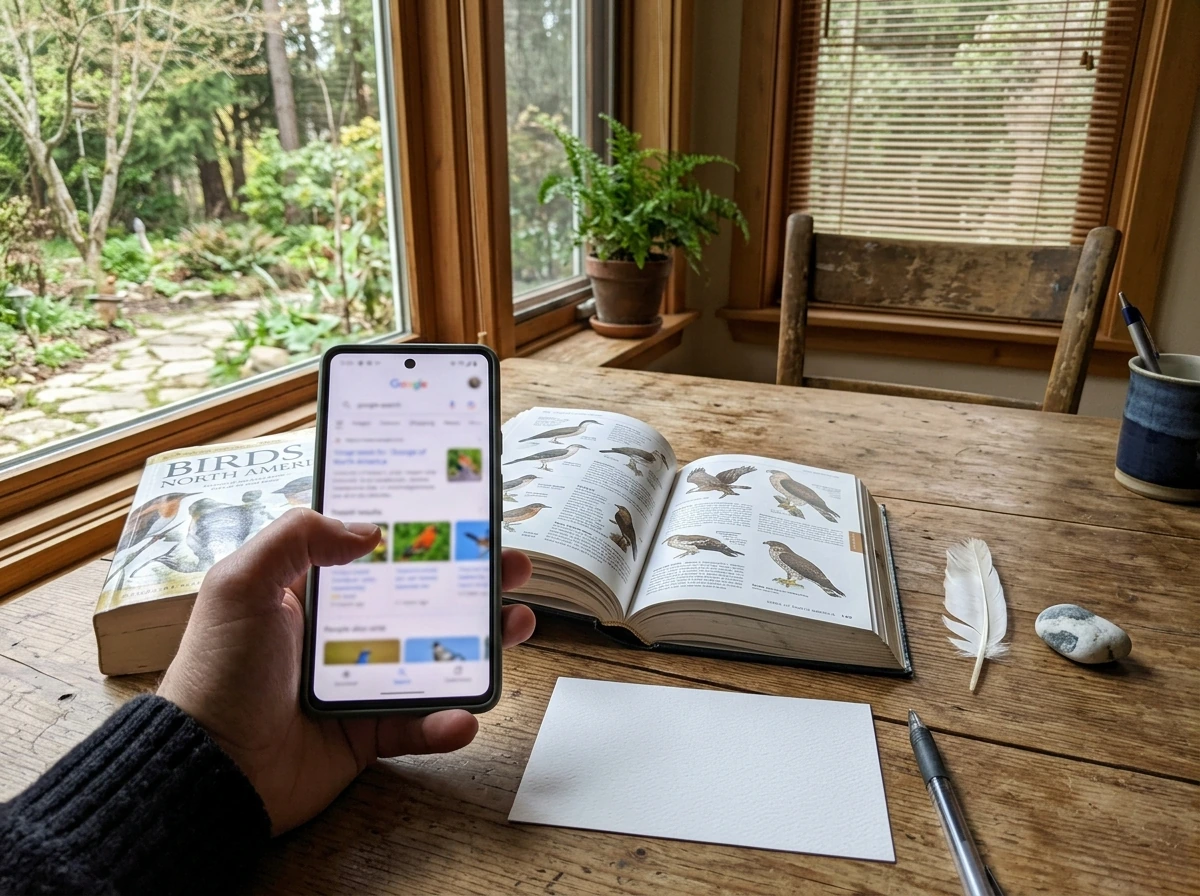
If you need to verify which sense of "cob bird" applies to your specific situation, here's a quick process that works reliably.
- Read the surrounding sentences for any mention of a "pen" bird, cygnets, or swan behavior. If those appear, you're in male swan territory with confidence.
- Check whether the text mentions coastal, marine, or seabird environments. If yes, look up the gull folk names for the specific region mentioned.
- Search the exact phrase in a folk-name bird dictionary or the BTO species accounts. The BTO lists folk names directly on species pages, so searching "cob" in their database will show you which species carried that name.
- If it's a historical British text, Brewer's Dictionary of Phrase and Fable and A Dictionary of English and Folk-names of British Birds are the two fastest cross-references for confirming dialect bird names.
- If the source is modern (a nature note, wildlife blog, or local wildlife trust document), the male mute swan interpretation is almost always correct, and you can verify by checking whether the author contrasts "cob" with "pen."
- If you still can't tell, look at the geographic origin of the text. Coastal Britain points toward the gull sense; inland, especially river or lake settings, points toward the swan sense.
The reality is that in most contemporary contexts, if someone is talking about a "cob bird," they mean the claw bird meaning ("male mute swan"). If you mean curlew bird meaning, that's a different term entirely and comes from the symbolism and characteristics of the curlew itself claw bird meaning. Curlew bird Aboriginal meaning can vary by nation and language, but it often ties the curlew to ancestral stories, land, and seasonal change.
If you are trying to interpret "cat bird meaning," use the same approach of matching the phrase to its local usage and context cob bird. The gull usage is alive in historical and folk-name literature but rarely surfaces in everyday conversation today. When in doubt, start with the swan interpretation and adjust only if the surrounding context clearly points elsewhere. That approach will be correct the vast majority of the time.
If you are wondering about crawl bird meaning specifically, it would usually be a spelling or wording variant that still needs context to determine the intended bird.
FAQ
I saw “cob bird” in a modern caption. Which meaning is more likely?
If you are reading a modern post or transcript and there is no mention of coastlines, gulls, or seaside areas, the default assumption should be the male mute swan (cob) rather than any gull species. The gull sense is much more likely to show up in older regional folk-name lists or historical natural history notes.
What clues in the surrounding text help me decide between swan and gull meanings?
The clearest “tie-breaker” is whether the text also uses swanherd terminology like pen (female) or cygnet (young). If those appear, cob is almost certainly the male mute swan. Without those, check for gull details like black-headed gull, common gull, or references to coastal towns.
Is “cob bird” modern slang or an idiom?
A common mistake is to treat “cob bird” as slang or an internet nickname, like the way some terms shift figuratively. In this case, the phrase is best understood as a regional folk name or a literal swanherd term, so the safest approach is to interpret it literally and then consider symbolic framing only if the writing is explicitly lyrical or myth-focused.
Does “cob” alone have the same meaning as “cob bird”?
If you only see “cob” next to a bird name, you can still get the meaning wrong, because “cob” by itself is used for many unrelated things (for example, a corn-related term). The pairing matters, so look for the full phrase “cob” plus “bird,” or a nearby species label, rather than relying on “cob” alone.
Can behavior or symbolism help identify whether cob bird refers to a swan or a gull?
If the context includes swan mating, territory, or protecting cygnets, that strongly supports the male mute swan interpretation (since the cob role is tied to guarding behavior). If the context includes ships, coastal scavenging, or specific gull species, then the gull interpretation is more plausible.
If the source doesn’t mention “pen” or “cygnet,” how can I still confirm the swan meaning?
In swan-related writing, the cob and pen distinction is often presented as a fixed pair. If the source uses both terms, that is a strong indicator of the swanherd sense. If you only see “cob bird” with no other swanherd vocabulary, you should still lean swan unless coastal gull cues are present.
What if “cob” is used for a gull that doesn’t match the species I expected?
Some sources may use “cob” as a general label for multiple larger gulls, not just one species. So if a text conflicts with your expectation about a specific gull type, it may still be consistent with the older folk usage, because “cob” there can function like a broad category term.
Does geography always matter, or can tone override it?
If you can identify where the author or speaker is from (or where the observation happened), that is usually more decisive than the tone of the sentence. Inland river and lake contexts typically point to the swan sense, while coastal maritime contexts point to the gull sense.
What should I do if the text spells it as “cobbird” or shows odd spelling?
When the phrase appears as “cobbird” in a localized dialect document, treat it as a single folk-name token and still test against the same two pathways: swanherd terminology nearby favors swan, while references to farmland birds like corn bunting would point to rarer alternate uses. If neither pathway fits well, consider transcription or spelling variation.
How can I verify the meaning quickly when I need a precise identification?
If your goal is to avoid ambiguity, don’t rely solely on the phrase “cob bird.” Instead, search for the adjacent species name (for example, mute swan for the cob sense, or black-headed/common gull for the gull sense). That approach prevents misreads when the term appears in historical dialect material.
Next Articles
Claw Bird Meaning: Literal and Symbolic Interpretations
Claw bird meaning explained: literal anatomy vs symbolic power, threat, protection and omen themes in art, folklore and
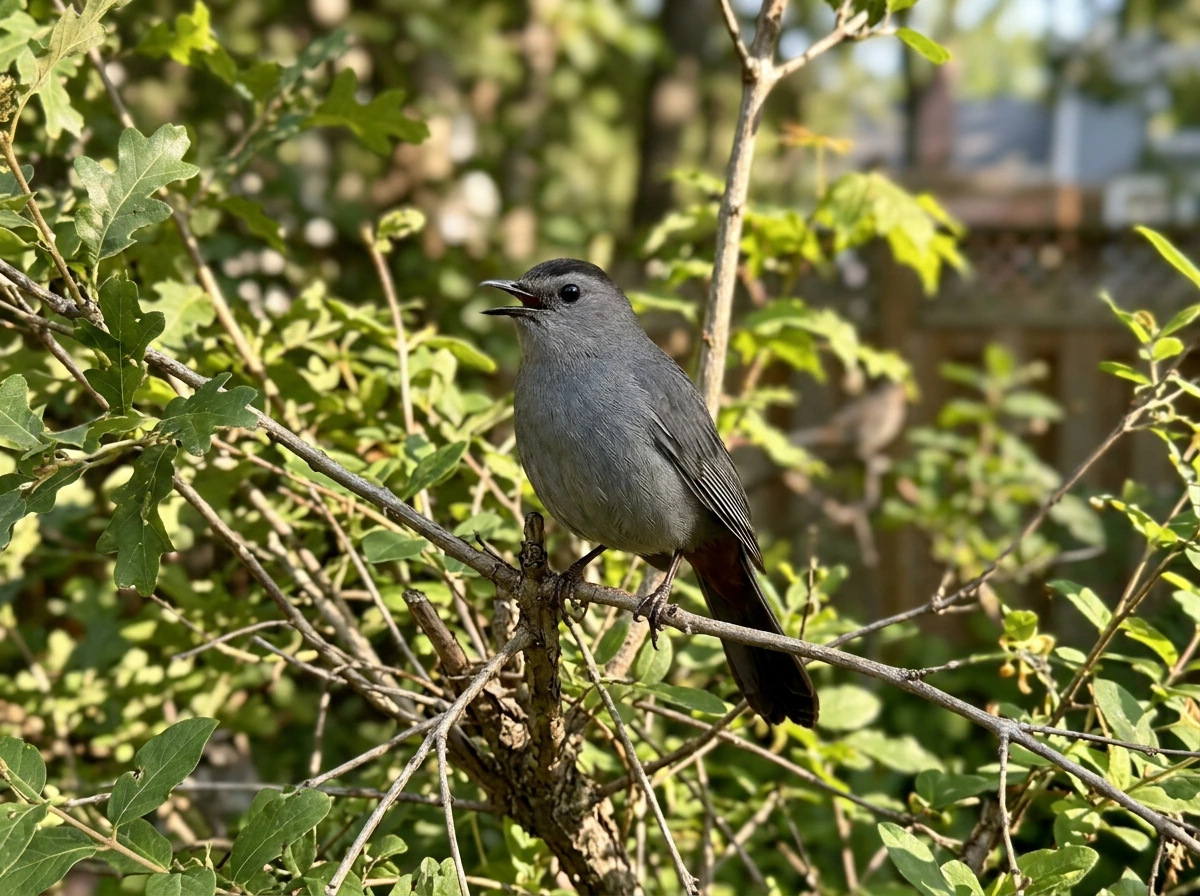
Cat Bird Meaning: Species ID, Symbolism, and Phrases
Learn cat bird meaning: identify the catbird species and understand symbolic or metaphor uses, plus related phrases.
Munster Bird Meaning: Folklore, Symbolism, and How to Verify
Meaning of Munster bird searches: folklore, symbolism, idioms, spelling variants, and quick ways to verify the reference