"Claw bird" or "bird claw" is not a fixed idiom or a specific bird species. In almost every context you'll encounter it, the phrase is either describing a bird's anatomy (the hooked talons of a raptor, most commonly) or functioning as visual and cultural symbolism tied to power, predation, protection, or threat. The fastest way to figure out which one you're dealing with is to look at the context around it: is it being used to describe something literally, or is it doing symbolic work in art, a tattoo, a dream, or a cultural story? This guide will walk you through both interpretations and help you land on the right one for your situation.
Claw Bird Meaning: Literal and Symbolic Interpretations

Marcus Blackwell
23 Mar 2026
What "claw bird" actually refers to
The short answer: "claw bird" is not a recognized bird species or a standard English idiom. When Merriam-Webster defines "bird-claw" (with a hyphen), it's used as an adjective describing something that resembles the thin, hooked quality of a bird's claw, as in "trembling bird-claw hands" to describe gaunt, bony fingers. That's a simile, not a set phrase. Outside of that literary usage, "bird claw" shows up most often in crossword puzzles (where the expected answer is almost always TALON), tattoo shops, heraldry, and dream interpretation. So if you saw the phrase and wondered what it means, you're most likely looking at one of these four contexts, not a proverb or a coded slang term.
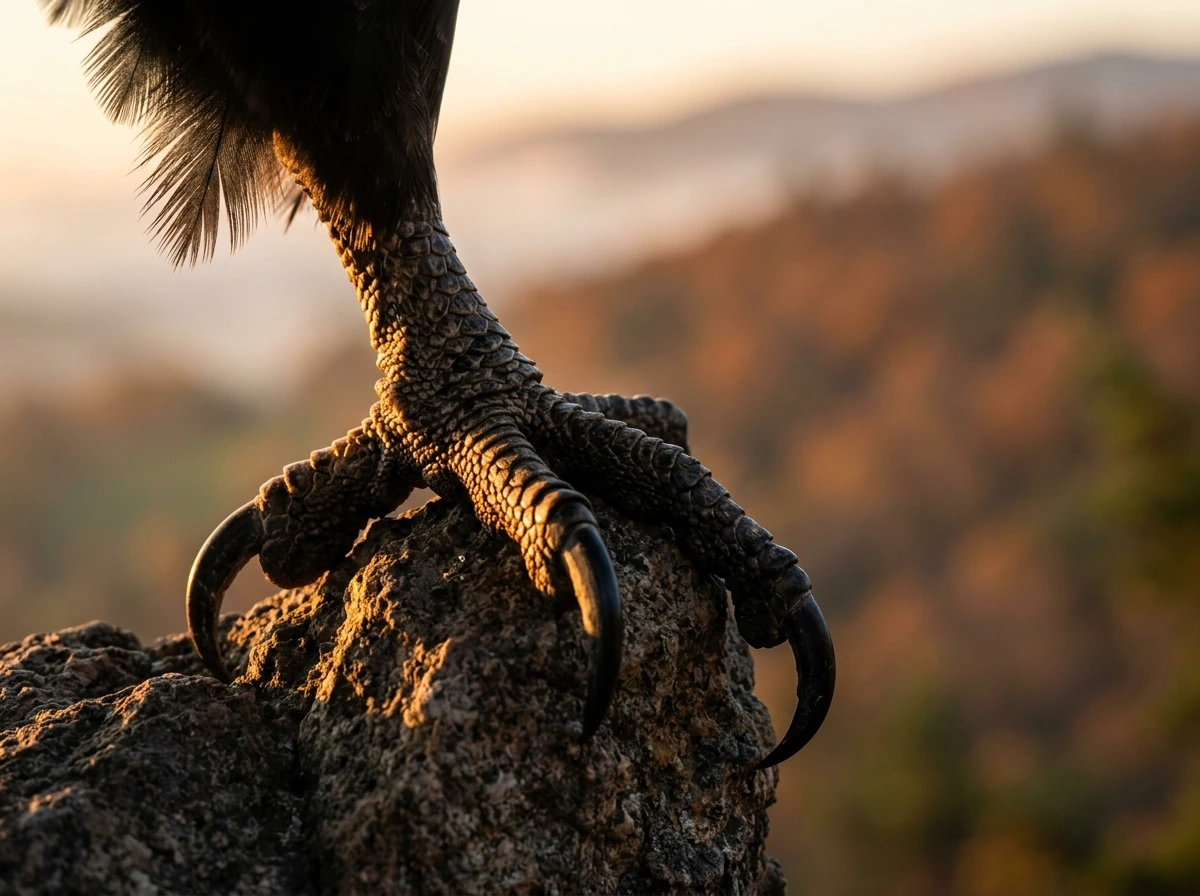
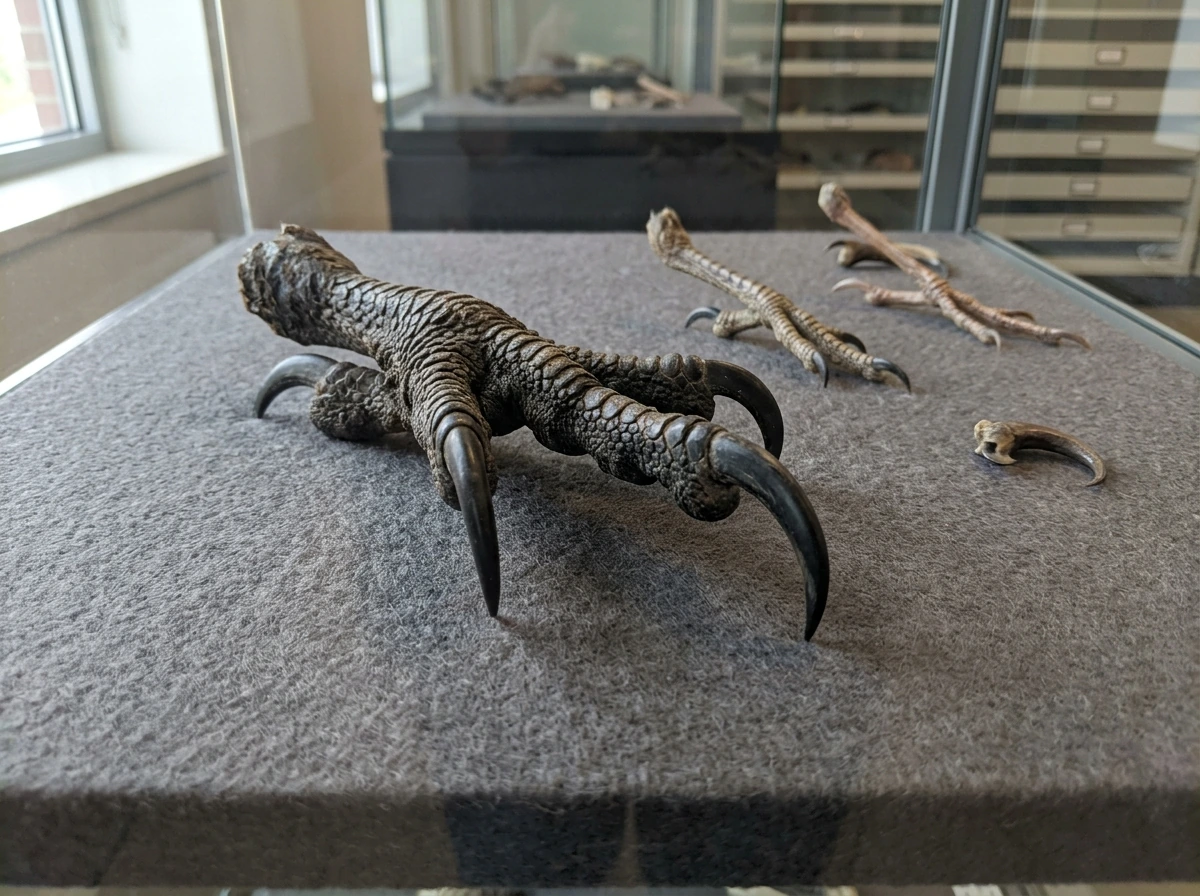
In zoological terms, a talon is specifically the claw of a bird of prey. Wikipedia puts it plainly: a talon is the claw of a bird of prey and its primary hunting tool. The distinction between "claw" and "talon" is mostly conventional rather than strictly biological. Birds generally have claws, but when the bird is a raptor (eagle, hawk, falcon, owl), those claws are called talons. Falconry sources go further, specifying that the talon is a decurved (downward-curved) terminal digit, and that one specific talon on a hawk is responsible for puncturing the vitals of prey. That functional detail is part of why talon imagery carries such loaded symbolism: it's not just a claw, it's the instrument of lethal force.
Literal anatomy vs. symbolic meaning
When someone uses "bird claw" literally, they're usually talking about the physical foot structure of a bird, typically a bird of prey. Eagles, hawks, owls, and falcons all have powerful feet with sharp, curved talons that they use to capture and hold prey. In a biological or field-guide context, there's nothing symbolic happening, the phrase is just descriptive anatomy.
When it turns symbolic, the claw or talon becomes a shorthand for a set of ideas that have been consistent across many cultures for centuries. The core symbolic cluster around a bird's claw includes: power and dominance (the raptor is the apex predator of the sky), control and capture (the talon holds and doesn't let go), protection (some traditions use raptor imagery as a ward against enemies), and threat or fate (being in the grip of claws implies being caught, unable to escape). Dream-interpretation traditions tie talons explicitly to power, control, and protection, and consistently note that the specific bird species refines the meaning further. An eagle's talon reads differently from an owl's, even if the anatomy is similar.
Bird claw in phrases and common usage
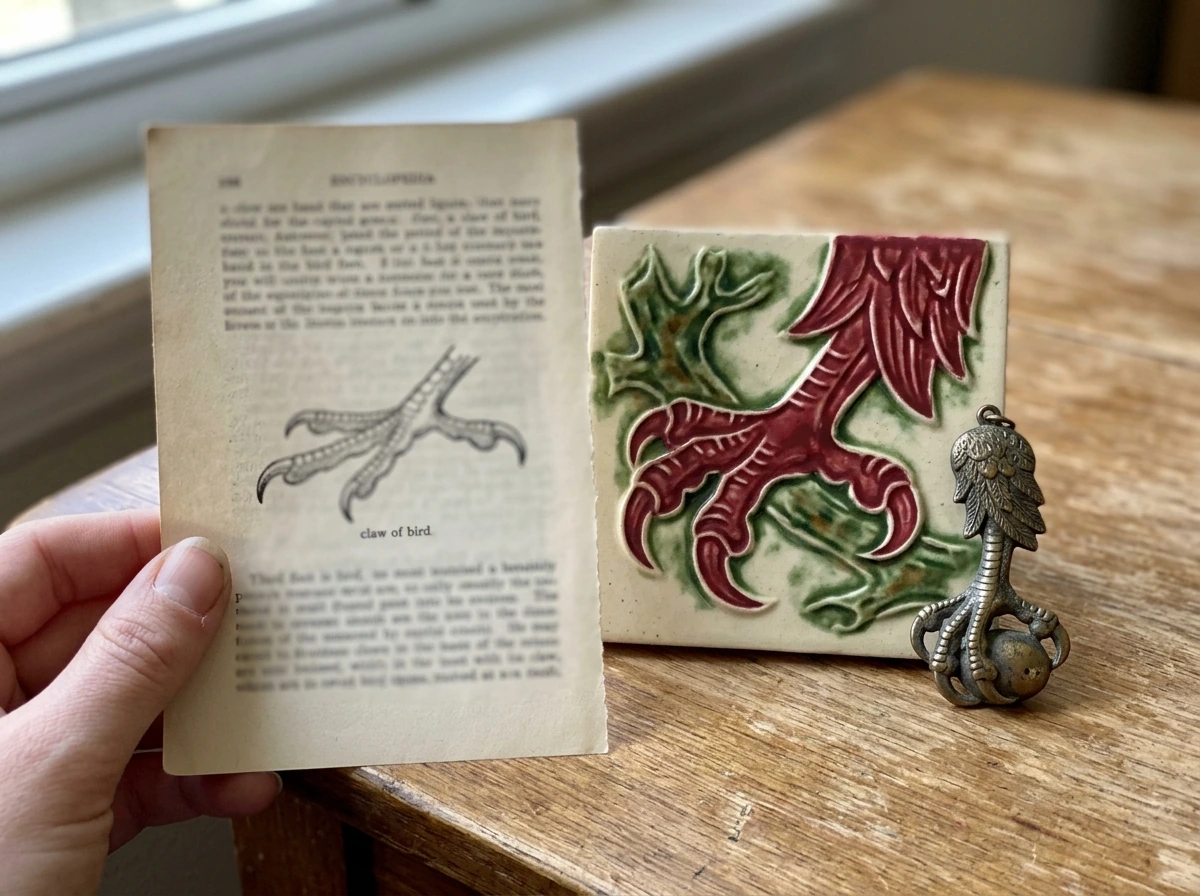
There is no single fixed proverb or idiom built around "bird claw" the way there is with "a bird in the hand" or "the early bird gets the worm." What you do find are phrase-adjacent usages where the claw or talon is doing figurative work without being a locked expression. For example, saying someone has "bird-claw hands" (drawn from the Merriam-Webster usage) invokes gauntness, frailty, or age through the image of a grasping, bony claw. Saying something is "in the talons of" a corporation or an adversary borrows the raptor's grip to mean captured, controlled, helpless.
In heraldic language, claws and talons appear as distinct visual charges (motifs), and the positioning of a raptor's extended claw in a coat of arms signals active power or combatant energy rather than passive decoration. That's a specific, rule-governed symbolic system where "claw extended" means something precise. If you're reading heraldic description and the term comes up, that's the tradition to consult. Similarly, in falconry culture, talon terminology carries technical weight: it's not metaphor but precise vocabulary about how the bird hunts.
Cultural and folklore symbolism: which birds and what they mean
Claw and talon symbolism is almost always attached to specific birds of prey rather than to "birds" in general. Here's how the major ones break down culturally.
Eagles
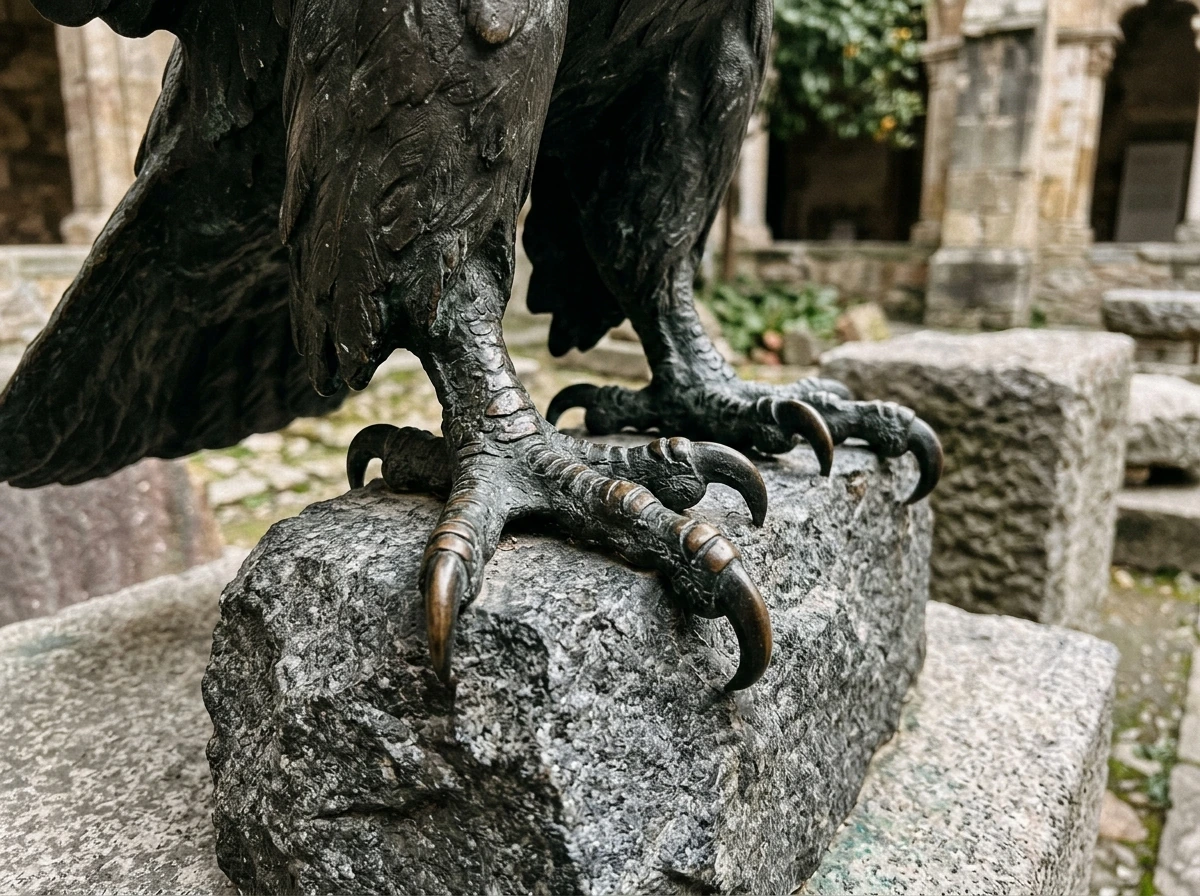
The eagle's talon is the most culturally loaded of all. blank" rel="noopener noreferrer">In Roman iconography, the eagle (and its outstretched talons) represented imperial authority and military conquest. Wikipedia's overview of the Imperial Roman Army notes the eagle as an imperial military insignia motif, with the eagle carrying thunderbolts “in its claws,” linking talon imagery to Jupiter and Roman state symbolism blank" rel="noopener noreferrer">eagle carrying thunderbolts “in its claws”. In heraldic tradition, eagle claws signal power and combatant dominance. In Native American cultures, the bald eagle is sacred, with eagle parts (including feathers and sometimes talons) used in ceremonial contexts tied to honor and spiritual power rather than aggression. Tattoo culture picks up on both threads: eagle talon tattoos are commonly interpreted as representing power, victory, and conquest. The Smithsonian has documented how raptor imagery, including eagles with talons prominent, has recurred across centuries of artworks precisely because of this symbolic density.
Hawks
In Native American traditions, hawks are broadly viewed as symbols of power, and hawk imagery, including claws, carries protective and spiritual authority. Hawks are also associated with sharp vision and clarity, so hawk talon imagery can layer in themes of perception and precision alongside raw power. If the bird claw you're interpreting is attached to a hawk (identifiable by body shape, coloring, and context), you're reading within that symbolic register.
Owls
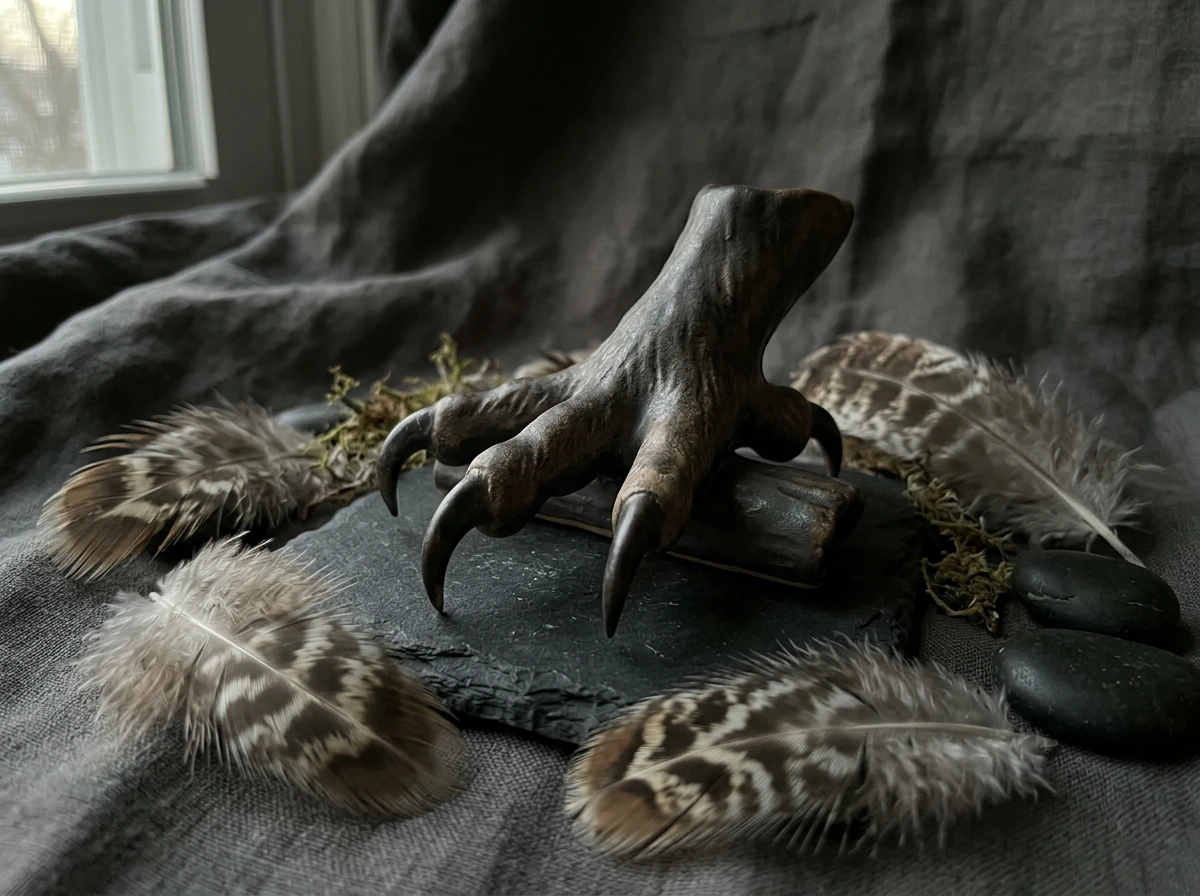
Owl talon imagery is less common in tattoo and heraldic contexts but appears in folklore tied to omens, night, and death across many cultures. An owl's claw in a symbolic image often carries the more ominous end of the power spectrum: fate, the unseen, the night hunt. If you're working through folklore from European or Mesoamerican traditions especially, owl claw symbolism tends toward this darker register.
Falcons
Falcons appear across centuries of art precisely because they were central to the hunting cultures of the medieval period and before. The falcon's talon in art is associated with controlled, trained power, hunting skill, and aristocratic status. Egyptian iconography (Horus as a falcon) adds divine authority to the mix. Falcon claw imagery often signals mastery and precision more than brute dominance.
Where you saw it changes everything
The most practical thing you can do is think carefully about where you encountered "claw bird" or "bird claw." The context shifts the meaning significantly. Here's a quick breakdown of the most common situations.
| Where you saw it | Most likely meaning | Key question to ask |
|---|---|---|
| Tattoo | Symbolic: power, strength, victory, protection, or spirit connection | Which bird? What other symbols appear alongside it? |
| Artwork or heraldry | Symbolic: active power, dominance, combatant energy, or institutional authority | What tradition is the art from? What posture is the bird in? |
| Dream | Symbolic: power, threat, control, or something pursuing/gripping you | What was the bird doing? Were you the prey or the hunter? |
| Literature or poetry | Figurative simile: gauntness, grip, age, or predatory quality applied to a person/thing | Is it describing a person's hands or a predatory entity? |
| Crossword or word puzzle | Literal: the answer is TALON | No further interpretation needed |
| Slang or casual speech | Likely figurative: being controlled, caught, or gripped by something | What was the speaker describing when they used it? |
| Mythology or folklore text | Symbolic: species-specific power, fate, protection, or divine authority | Which culture and which bird is named? |
Dream interpretation is worth a specific note. If you dreamed of a bird claw or talon, dream-symbol traditions consistently connect it to themes of power, control, or being captured. The bird species matters: an eagle's talon in a dream reads differently from an owl's. What was happening in the dream? If the claw was reaching for you, the reading leans toward threat or fate. If you wielded it or it protected you, the reading leans toward personal power or spiritual strength. Dream symbolism is not a fixed science, so treat any single-source interpretation with some skepticism and look for patterns across multiple traditions before settling on a reading.
Common confusions and how to sort them out fast
A few things trip people up consistently when they search for "claw bird meaning. If your search is specifically about clay bird meaning, that result may reflect a different symbol system than the raptor claw or talon imagery discussed here claw bird meaning. " Here's what to watch for. cob bird meaning
- Confusing a literal description with a symbolic one: if someone says "the eagle's claw," they may simply be describing anatomy, not invoking symbolism. Check whether the surrounding text or image is doing interpretive work or just describing the bird.
- Treating "claw bird" as a fixed idiom: it isn't. There's no proverb or set expression here the way there is with other bird phrases. If you're hunting for a known idiom, you're likely misremembering a phrase or encountering a coined simile.
- Missing the species: "bird claw" is vague enough to cover any bird, but the symbolism is almost entirely built around birds of prey. If the bird isn't a raptor, the cultural associations shift completely. A crow's claw, for example, would draw on crow symbolism (which is its own rich territory) rather than the raptor power framework.
- Confusing "claw" with "talon": in everyday speech these are interchangeable, but in technical, heraldic, and falconry contexts, talon specifically means the claw of a bird of prey. If you're reading a specialist text, "talon" is the more precise term and will get you better search results.
- Assuming a universal meaning across cultures: an eagle talon means sacred honor in some Native American traditions and imperial conquest in Roman iconography. These are not the same thing. The cultural origin of the image you're looking at matters enormously.
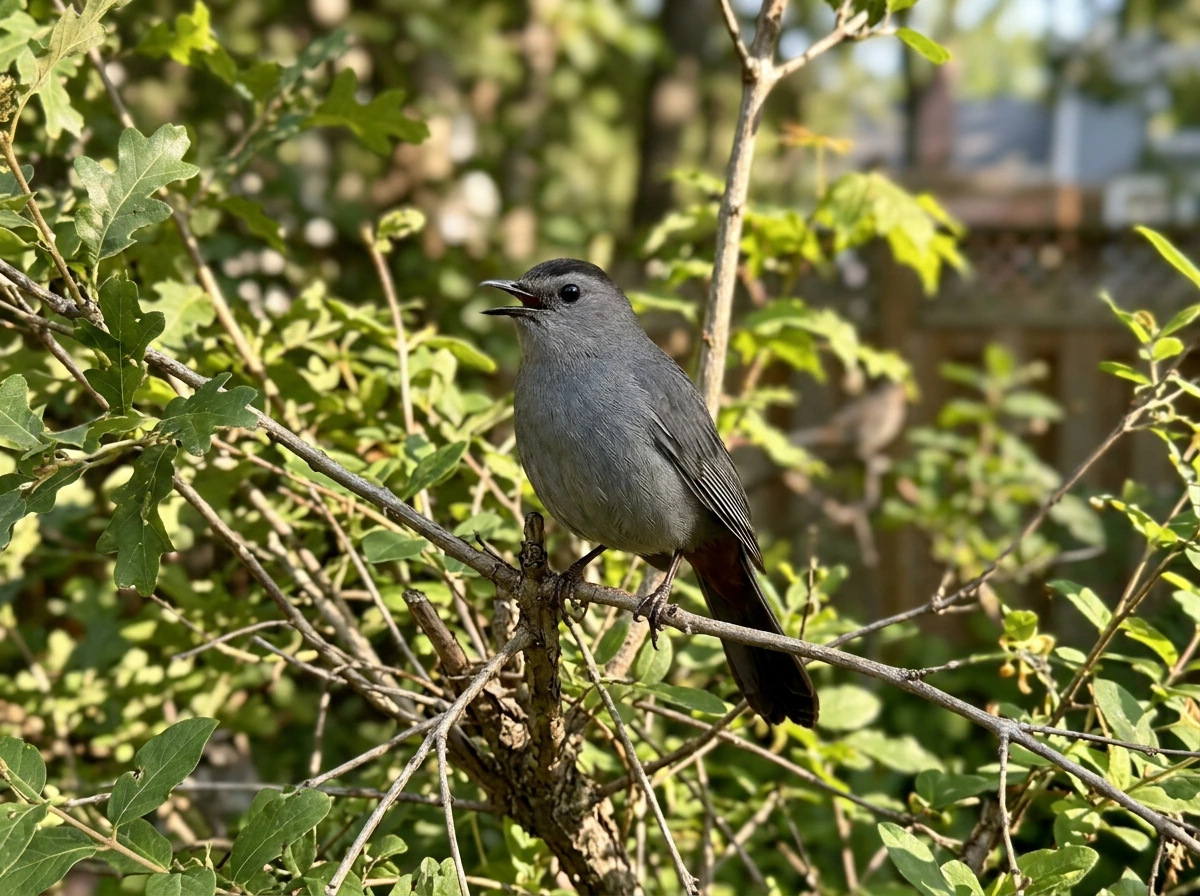
It's also worth checking whether you might be thinking of a related but distinct concept. If the phrase you encountered sounds like it could be about a crow rather than a generic "claw bird," the symbolism of the crow carries its own deep tradition worth exploring separately. Similarly, if the bird in question might be a curlew or a catbird, those species carry specific folklore meanings that are quite different from raptor claw imagery. If you meant the curlew bird rather than the raptor claw idea, the curlew bird meaning is often approached through themes like longing and change.
Practical next steps for figuring out your specific situation
Before you can lock in an interpretation, answer these questions about what you encountered.
- What is the bird species, or what type of bird is depicted? Raptor (eagle, hawk, falcon, owl) or something else? The entire symbolic framework depends on this.
- What is the claw doing in the image or story? Gripping prey, extended toward the viewer, holding an object, or just depicted at rest? Active versus passive posture shifts the meaning from threat to power to protection.
- What other symbols appear alongside it? A claw combined with a dagger or moon motif carries different connotations than a claw combined with a shield or a rising sun.
- What cultural or geographic tradition is the source material from? Native American, European heraldic, Egyptian, East Asian? Each tradition has a different symbolic vocabulary for raptor imagery.
- Is the context literal or interpretive? A nature documentary or field guide is describing anatomy. A tattoo sleeve or a mythological text is doing symbolic work.
- If it appeared in a dream, write down what the bird was doing, whether you felt threatened or empowered, and what happened immediately before and after the claw appeared. These details give you the most useful raw material for interpretation.
- Search for the specific bird species plus "symbolism" or "meaning" rather than just "claw bird," since the species is what unlocks the cultural context. If it was an eagle, search eagle symbolism. If it was a hawk, look for hawk meaning specifically.
For verifying your interpretation, cross-check across at least two or three cultural traditions before settling on a single meaning for your bird claw. Raptor claw symbolism is rich enough that one tradition's reading (say, Roman imperial power) may be completely different from another's (sacred honor in Indigenous traditions). If you're interpreting a tattoo or piece of artwork, the artist's cultural background and stated intent, when available, should take precedence over generic symbolic dictionaries. And if you're working through bird symbolism more broadly, articles on specific birds like the crow or the curlew on this site can help you see how species-specific meaning works in practice, which gives you a useful template for thinking about raptor imagery the same way.
FAQ
Is “claw bird meaning” referring to a specific bird species or a fixed phrase?
No. “Claw bird” and “bird claw” are not a standard English idiom or a recognized species name, so the meaning depends on whether the text is describing anatomy (a raptor’s talons) or using imagery symbolically (art, tattoos, dreams, heraldry).
What does “claw bird” usually mean in crossword puzzles?
If it appears in a crossword, the answer is almost always TALON, not “claw bird.” That’s because clue setters typically expect the bird-prey claw term rather than a descriptive phrase.
How do I tell whether “bird-claw” is an adjective simile versus literal anatomy?
Check for a hyphen. “Bird-claw” (with a hyphen) can function as an adjective in literary writing, describing something as resembling thin, hooked or grasping talon-like fingers, rather than labeling a bird.
In a coat of arms, does the positioning of a raptor’s claw change the interpretation?
Heraldry is rule-governed. “Claw extended” (or similar positioning language) often indicates active combat or dominance, while a more passive pose can change the implied energy, so you should treat placement details as meaningful rather than decorative.
Do eagle, hawk, owl, and falcon talon imagery mean the same thing?
Yes, even within raptor symbolism. Eagle talons tend to read as imperial authority or conquest, owls skew toward omens and darker fate themes, and falcons often connect to trained mastery and precision, so identify the bird species first.
What’s the practical difference between interpreting a “claw” versus a “talon”?
Don’t collapse “claw” and “talon” too quickly in your interpretation. “Claw” can be generic bird anatomy, while “talon” usually implies a bird of prey and the hunting or lethal-grip function, which strengthens the symbolism of capture and control.
How should I interpret a bird claw or talon in a dream based on what happens in the scene?
In dreams, the action matters. If the talon is reaching for you, many traditions read it as threat or being caught, while if you are wielding or using it to protect, the reading leans toward power, defense, or spiritual strength.
If I saw “claw bird” in a tattoo or artwork, should I rely on cultural symbolism dictionaries?
Artist intent can override generic symbolism. If a tattoo artist or artwork creator states a specific theme (protection, victory, survival, fear, devotion), use that as your primary meaning cue, then reconcile it with cultural associations.
What if the bird I’m looking at might be a crow, catbird, or curlew instead of a bird of prey?
Yes. “Claw bird” can be visually confused with other animals and their folklore, like crow-related symbolism or catbird and curlew traditions. If the bird in the image is not clearly a raptor, reinterpret using that species’ separate symbolic system.
What should I do if I can’t identify which bird the claw belongs to?
If you cannot identify the bird (or the artwork doesn’t specify it), treat the meaning as a range: power, control, predation, protection, threat. Then narrow it using context cues like stance, direction of the claw, surrounding symbols, and whether the scene is hunting versus guarding.
Next Article
Cat Bird Meaning: Species ID, Symbolism, and Phrases
Learn cat bird meaning: identify the catbird species and understand symbolic or metaphor uses, plus related phrases.