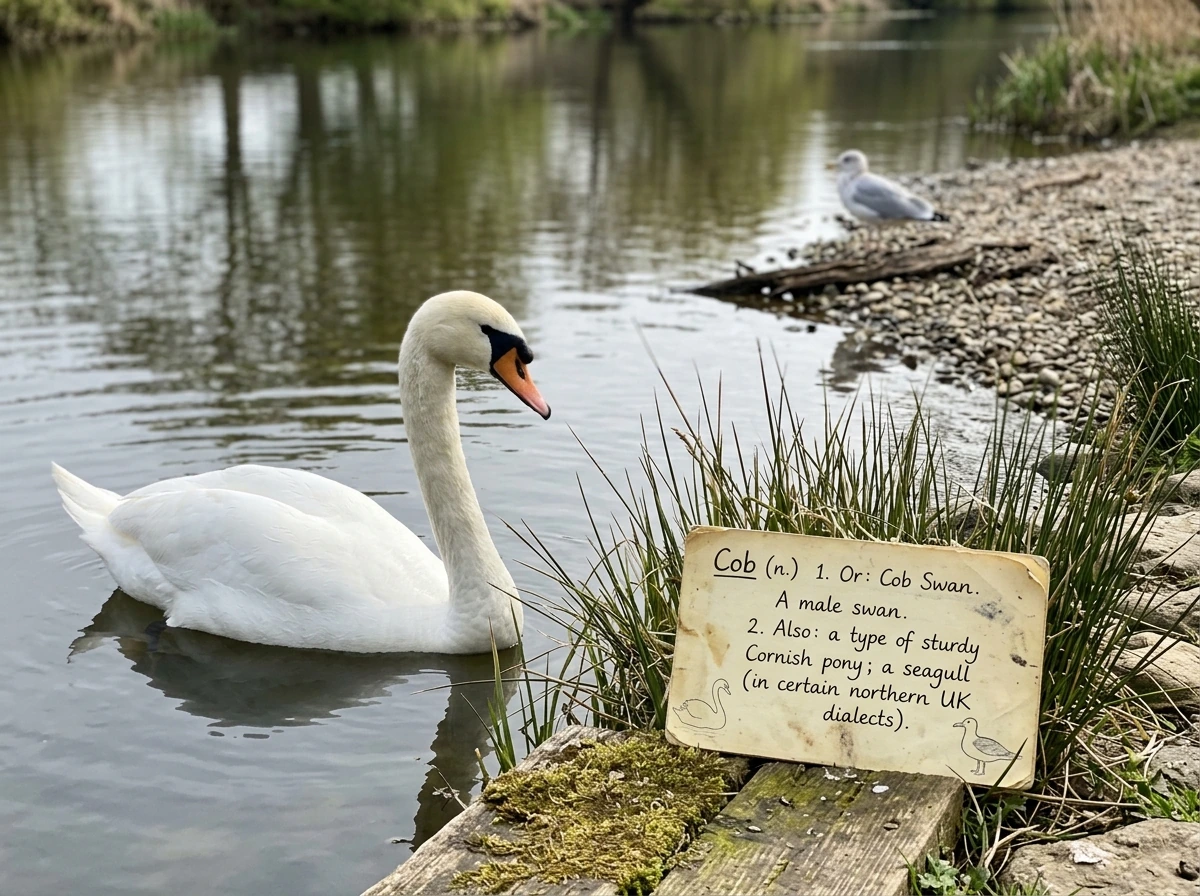
If you searched 'crawl bird meaning,' you probably saw the phrase somewhere and couldn't pin down what it actually means. That's completely fair, because 'crawl bird' isn't a fixed idiom with one clean definition. It's an ambiguous phrase that could point to a literal bird behavior, a slang term, a lyric, a game reference, a character nickname, or even a coded cultural expression. This guide walks you through every realistic interpretation and gives you a fast checklist to identify exactly which one applies to your situation.
Crawl Bird Meaning: Literal vs Figurative Uses and Symbolism

Marcus Blackwell
23 Mar 2026
What 'crawl' actually means in bird-related phrases
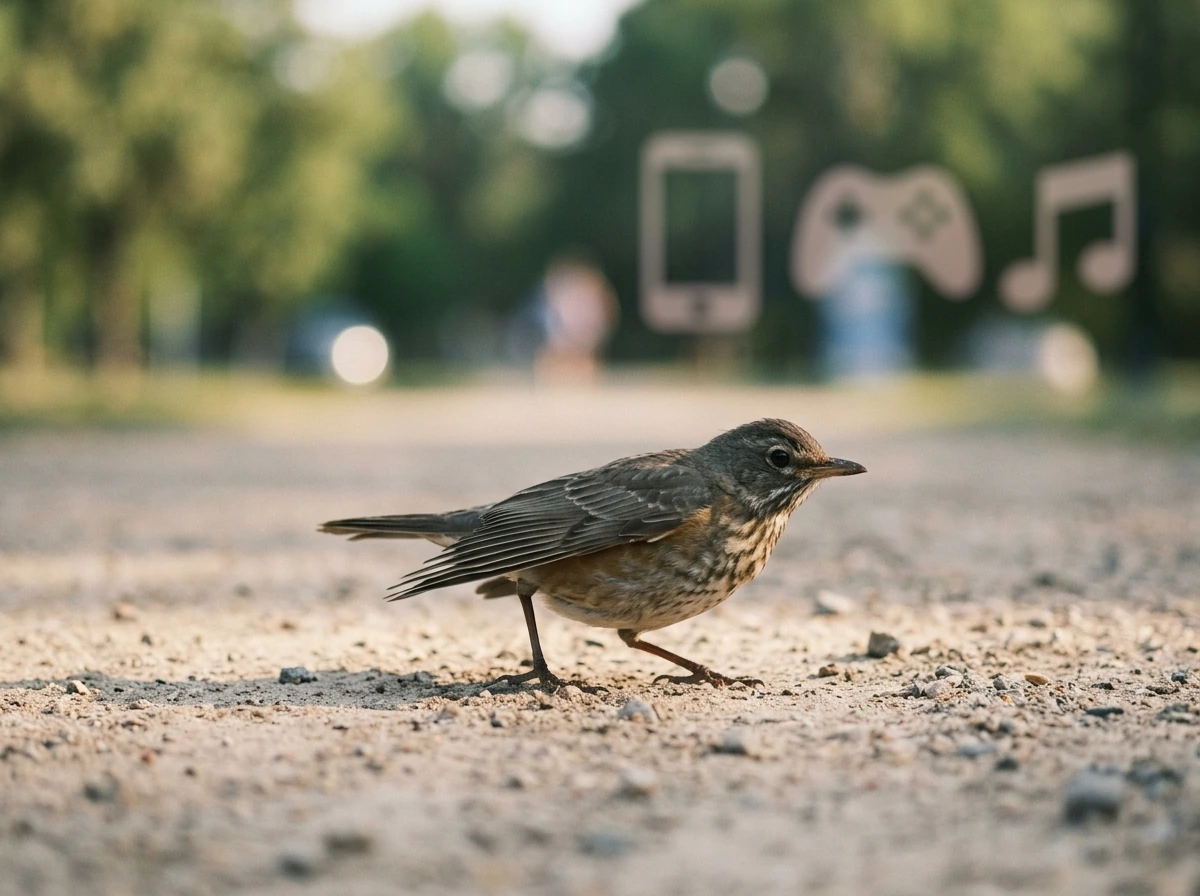
The word 'crawl' has a very specific physical meaning: moving slowly with the body close to or dragging along the ground. Merriam-Webster defines it as moving with the body stretched out along the ground, or in a human context, moving on hands and knees. Collins adds a useful nuance here, noting that crawling implies dragging a prone body (think a snake moving across sand) rather than the more compact, limb-driven motion of creeping. That distinction matters when you're talking about birds, because birds don't technically crawl the way mammals or reptiles do.
Birds are built to walk, hop, perch, swim, or fly. A bird moving 'low to the ground' or hugging a surface would more accurately be described as creeping or skulking, terms that ornithologists actually use. So when someone pairs 'crawl' with 'bird,' they're either being deliberately figurative, borrowing slang, or they've spotted a bird exhibiting an unusually low, ground-level movement pattern and reached for the closest verb. Any of these are valid starting points for interpretation.
There's also the figurative weight that 'crawl' carries. Collins specifically flags that crawling can connote abjection or servility, the sense of someone lowering themselves, moving humbly or desperately. That undertone bleeds into figurative uses: 'he crawled back to her,' 'the pace just crawled along.' When that connotation attaches to a bird symbol, the resulting phrase can carry strong emotional meaning, humiliation, patience, persistence, or survival against the odds, depending on the bird and the context.
'Crawl bird' as a literal vs. figurative expression
The literal reading
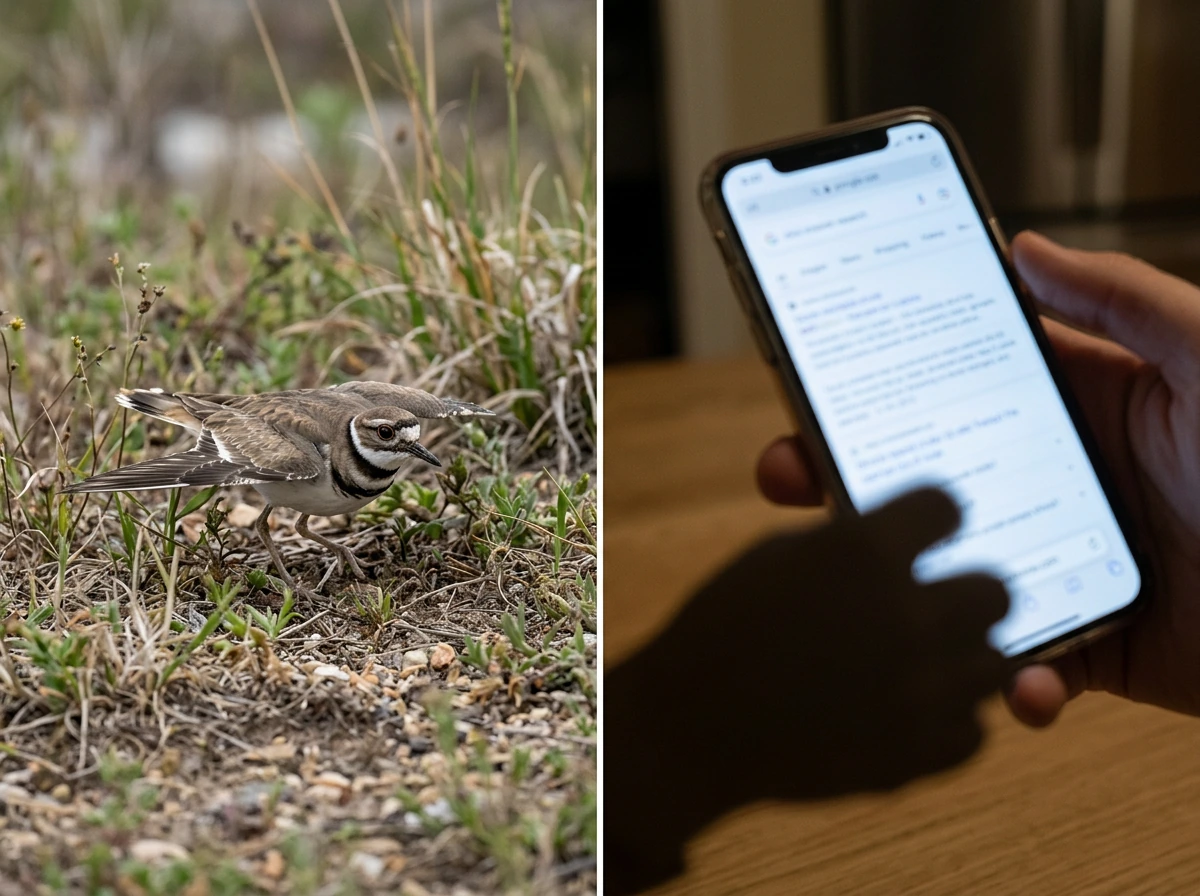
In a strictly literal sense, 'crawl bird' could describe a species observed moving low to the ground, belly close to the earth, wings partially spread for balance or display. A few real bird behaviors look a lot like crawling. Ground-nesting birds like killdeer or certain warblers flatten themselves and creep along when threatened or performing distraction displays to draw predators away from a nest. Roadrunners move with a low, darting, almost reptilian posture. Dippers walk along riverbeds. Rail birds, which are notoriously secretive, press through dense reeds in a low, creeping gait that genuinely reads as a crawl. If someone saw one of these birds and described it as 'crawling,' the literal reading is completely defensible.
The figurative reading
The figurative reading is where things get interesting and where most people searching this phrase are actually landing. 'Crawl bird' used figuratively could mean several things: a slang nickname for a person who behaves in a submissive or sneaky way (drawing on the servility connotation of crawling), a character or creature name in a game or piece of fiction, a lyric fragment from a song, or a community-specific coded phrase. None of these require an actual bird to be present. The 'bird' part often carries its own symbolic weight, freedom, spirit, message, watchfulness, and the combination with 'crawl' creates a tension between those elevated meanings and the ground-level, humble act of crawling.
How people actually use 'crawl bird' in slang and everyday language

In casual conversation and online spaces, 'crawl bird' turns up in a few recurring patterns. The most common is as a descriptive nickname, someone calling another person a 'crawl bird' to mean they're creeping around, being sneaky, or moving through life in an overly cautious and low-profile way. It's not a compliment in that framing. The crawling posture implies someone who won't stand up straight, who moves under the radar by choice or out of fear.
A second common use is in gaming communities, where creature names often combine an animal with a movement-type descriptor. 'Crawl bird' as a game mob or NPC name follows a well-worn template: think of how many games name creatures by what they do (stalker, creeper, glider) plus what they are. If you spotted 'crawl bird' in a game context, the meaning is almost certainly a ground-skimming bird-type enemy or creature, probably one that ambushes from low terrain.
A third use is lyrical or poetic. Song lyrics and poetry often use bird imagery in ways that deliberately break the expected metaphor. A bird that crawls instead of soaring is immediately striking, it inverts the usual freedom symbolism and creates a sense of constraint, exhaustion, or survival. If you caught 'crawl bird' in a lyric, the meaning is almost certainly about persisting through hardship, moving forward even when you can't fly.
There's also a regional folklore thread worth noting. In some traditions, a bird that moves along the ground rather than taking flight is read as a messenger that has been grounded, either as a warning or as a sign that something earthly demands attention before anything higher can be reached. This interpretation connects to broader themes you'd find in discussions of bird symbolism across cultures, similar to how the curlew carries specific omens in certain Aboriginal and Celtic traditions, or how the crow's ground behavior is read differently depending on regional lore.
The symbolic meanings attached to 'crawl bird' species
Because 'crawl bird' doesn't name a specific species, the symbolic meaning depends on which bird is implied or identified. That said, the birds most naturally associated with crawling or ground-hugging movement share some interesting symbolic common ground.
| Bird | Ground Behavior | Common Symbolic Meaning |
|---|---|---|
| Killdeer | Flattens and creeps to distract predators from nest | Sacrifice, protection, clever deception |
| Rail / Clapper Rail | Presses through dense reeds in low, creeping gait | Secrecy, stealth, hidden truths |
| Roadrunner | Low, fast, ground-hugging sprint | Speed, cunning, earthly wisdom |
| Wren | Creeps along low branches and ground debris | Resourcefulness, humility, tenacity |
| Dipper | Walks along riverbeds, partially submerged | Resilience, adaptability, spiritual crossing |
| Nightjar / Nighthawk | Rests flat on ground, nearly invisible | Camouflage, mystery, the threshold between worlds |
If you've identified a specific bird in the phrase you saw, matching it against that bird's known symbolism is your most direct route to meaning. For instance, the wren's ground-creeping behavior is tied in Celtic folklore to cleverness and survival despite small size. The rail's secretive, crawling movement through marshland makes it a symbol of hidden knowledge in some Indigenous North American traditions. Britannica characterizes rails as secretive birds that hide among reeds at the water’s edge by day, and when flushed they fly only short distances before dropping back to the ground rail's secretive, crawling movement through marshland. The nightjar lying flat and invisible on the ground connects it to threshold symbolism, the space between visible and invisible worlds.
The broader symbolic tension in a 'crawl bird' image is between the sky and the earth. Birds in almost every cultural tradition are messengers between the earthly and the divine. A bird that crawls collapses that vertical axis and plants the message firmly on the ground. In mythology and folklore, that image usually signals one of three things: a fall from grace, a deliberate choice to remain grounded, or a period of survival before eventual flight. Which reading applies depends entirely on the surrounding narrative.
Where 'crawl bird' shows up: lyrics, social media, games, and folklore
Song lyrics and poetry
Lyrics that use 'crawl' and 'bird' together almost always play on the inversion of expected bird symbolism. The image of a bird crawling instead of flying is emotionally loaded: it signals being stripped of one's natural capacity, surviving at ground level. Artists use this image to describe grief, addiction, heartbreak, or any experience that grounds a person who usually soars. If you found the phrase in a song, look at the surrounding lines for emotional state and subject matter.
Social media and internet slang
On platforms like TikTok, Reddit, and X, 'crawl bird' sometimes circulates as a reaction label or ironic nickname for someone who moves slowly, stays under the radar, or metaphorically can't get off the ground. It's occasionally used in gaming communities to describe a specific character behavior pattern. Context matters enormously here: the same phrase in a birdwatching subreddit and in a gaming Discord means completely different things.
Games and fiction
In games, 'crawl bird' follows the naming convention of describing a creature by its movement and type. If you encountered it in a game context, check the game's bestiary or wiki first. The creature is likely a bird-type enemy that moves along the ground rather than flying, making it a low-level threat with unusual behavior that can catch players off guard. This is a distinct, non-symbolic usage that has nothing to do with cultural meaning.
Folklore and spiritual traditions

In folklore contexts, a bird seen crawling or moving close to the ground is sometimes treated as an omen or a sign that the usual order of things is disrupted. Some traditions read it as a warning: the messenger cannot deliver its message fully, something blocks the path between earth and sky. Others see it as a call to attend to earthly matters before reaching for higher goals. These readings parallel the symbolism you'd find in traditions around grounded or injured birds, which appear in spiritual frameworks from Native American medicine traditions to Celtic augury. Curlew bird aboriginal meaning is often discussed in similar omen-and-grounded-symbolism terms, depending on the specific language group and story tradition Celtic augury.
How to figure out the exact meaning fast
The fastest way to nail down what 'crawl bird' means in a specific case is to run through a short set of context checks. The “cob bird meaning” you’re looking for usually depends on whether it refers to a specific bird species or to slang or symbolism in a particular community. Here's the checklist I'd use:
- Where did you see it? (Social media post, game, song lyric, article, someone said it in conversation, or a dream/vision you're trying to interpret) — this single factor narrows the field immediately.
- Is a specific bird named alongside it? If yes, look up that bird's symbolism directly. The species tells you more than the word 'crawl' does in most cases.
- Is there emotional context? Words like 'struggle,' 'survive,' 'grounded,' 'low,' or 'slow' nearby signal the figurative, lyrical, or slang reading rather than a literal one.
- Is it in a game or fictional setting? If so, skip symbolic interpretation entirely and check the game's official resources for a creature or mechanic definition.
- Is it in a community or subculture you're not part of? Check that community's slang glossary or ask in the community directly, since coded phrases often only make sense within a specific group.
- Does 'crawl' seem to describe movement or behavior? If the phrase reads as a description of what a bird is physically doing, treat it literally and match the behavior to a species using a field guide or birding resource.
- Does the image of a bird crawling feel symbolic or metaphorical in context? If yes, apply the core symbolic tension: a grounded bird represents constrained potential, survival, or a period before transformation, and look for the specific tradition or medium to refine the meaning.
Running through those seven questions takes about two minutes and will get you to the right category of meaning almost every time. From there, you can go deeper: if it's symbolic, check the specific bird's cultural symbolism (the same way you'd approach a crow, curlew bird meaning, or catbird meaning).
From there, you can go deeper: if it's symbolic, check the specific bird's cultural symbolism, similar to how you would compare curlew bird meaning when interpreting a ground-hugging omen. In Aboriginal traditions, the curlew bird is often tied to particular meanings and omens, so it can help to compare that heritage context curlew bird aboriginal meaning. If you want to explore similar symbolic and slang interpretations, you can also check the clay bird meaning breakdown. You can use the same approach when you’re trying to interpret clay bird meaning in your specific context.
If you’re wondering about crow bird meaning, the key is matching the exact context and bird behavior to the symbolic or slang interpretation being used. For more context on the birds and symbolism you might be comparing, see this guide on crow bird meaning. If it's slang, look at the community context. If it's a game term, go to the source material. The phrase 'crawl bird' is ambiguous at the surface, but it always points to something specific once you know where to look.
If you want, you can also check the cob bird meaning angle, since similar phrases may be pointing to the same kind of bird symbolism. claw bird meaning If you're wondering about the claw bird meaning, look at the context and whether the phrase is being used literally or figuratively.
FAQ
How can I tell if “crawl bird” is describing a real bird behavior versus a metaphor or nickname?
Check whether the phrase is paired with field-like details (location, time of year, nest defense, “near the ground,” “in reeds”). If it appears without observational cues but with emotions or character traits (fear, humiliation, “can’t get off the ground”), it is more likely slang, a lyric fragment, or a game nickname.
What birds are most likely to be described as “crawling” even though they aren’t actually doing mammal-style crawling?
Look for species that flatten and move low as part of threat displays or secrecy. Examples include rail-like birds moving through dense cover, ground-nesting birds using distraction runs, and riverbed walkers like dippers. People often use “crawl” loosely for these ground-hugging gaits, even if the movement is technically walking or creeping.
If I saw “crawl bird” in a lyric, how do I figure out the intended emotional meaning?
Read the verb alongside who is “acting” and what happens before and after the line. If the subject is constrained, broken, or persisting during hardship, it usually uses the inversion of bird freedom to signal endurance, grief, or survival. If it’s about hiding or staying under the radar, it may emphasize secrecy or avoidance.
Is “crawl bird” ever used as a direct insult, or is it sometimes playful?
Most common usage as a nickname frames the person as overly cautious, sneaky, or submissive, which is typically not complimentary. It can be playful only when the speaker shares a strong in-group context and the surrounding language makes it clear it is teasing rather than accusing.
What should I check if “crawl bird” shows up in a game (but I cannot find it in the main bestiary)?
Try filtering by zone, enemy faction, or difficulty level, then search for similar terms like “crawler,” “low-tier,” or “ground-skimmer.” Many games use multiple naming patterns, so “crawl bird” might be a community-created label for a specific mob behavior rather than the official name.
Could “crawl bird” be a coded phrase in a specific community, and how do I confirm?
Look for recurring context clues: hashtags, user bios, or the way people reply to the phrase. Coded phrases usually cluster with consistent themes (a particular fandom, meme format, or reaction template). If the same two or three behaviors always follow the phrase, that is your best sign it is community-specific slang.
What mistake do most people make when interpreting “crawl bird meaning”?
Assuming it is a single fixed idiom. Since “crawl bird” can refer to literal ground-hugging movement, figurative servility or persistence, or a named creature or lyric image, you need the immediate context (source platform, nearby lines, who says it, and what it describes) before assigning one meaning.
If the phrase mentions a specific bird species, does the symbolism change significantly?
Yes. “Bird” symbolism is generic in the phrase, but once you know the species, the meaning often shifts to that species’ cultural associations. Ground-moving behavior still matters, yet the species-specific symbolism (for instance, themes like hidden knowledge, clever survival, or threshold states) typically becomes the dominant layer.
In symbolism, what does the “sky versus earth” contrast usually indicate with a crawling bird image?
It often points to a change in status or capability, such as being “grounded” (limited, blocked, or forced to survive at a lower level). Depending on the narrative, it can also indicate a deliberate choice to remain present on earth, or an in-between period before flight or recovery.
What’s the fastest practical next step to decode “crawl bird” in my case?
Copy the exact sentence or screen context where you saw it, then answer three questions: Is it describing an actual bird you observed, a person’s behavior, or a fictional/game creature? Next, identify whether it carries emotion (humiliation, survival, patience) or mechanics (enemy behavior, location, threat). That usually narrows it to one category immediately.
Next Article
Cob Bird Meaning: Slang vs Literal Bird Reference
Meaning of cob bird: slang nickname or literal bird reference, plus tips to confirm the intended sense fast.