The vulture bird meaning Whether you spotted the word in a dream, a piece of mythology, a spiritual reading, or someone called a coworker a "vulture," the symbol is pointing at something that feeds on what's already finished and, in doing so, makes way for what's next. That's the through-line. Everything else is context, and context is exactly what this guide helps you work out.
Vulture Bird Meaning: Literal Traits, Symbolism, and Interpretations

Marcus Blackwell
23 Mar 2026
What vultures actually are (and why it matters for symbolism)
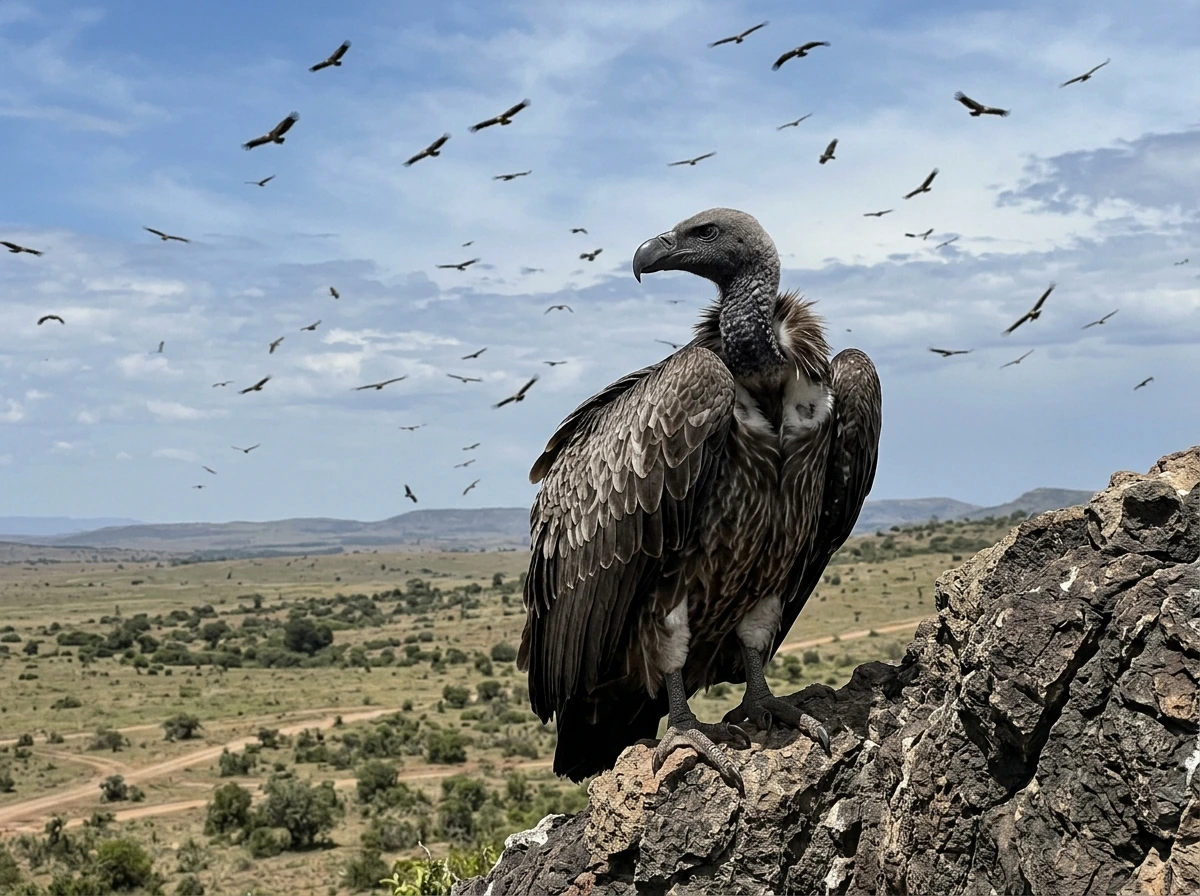
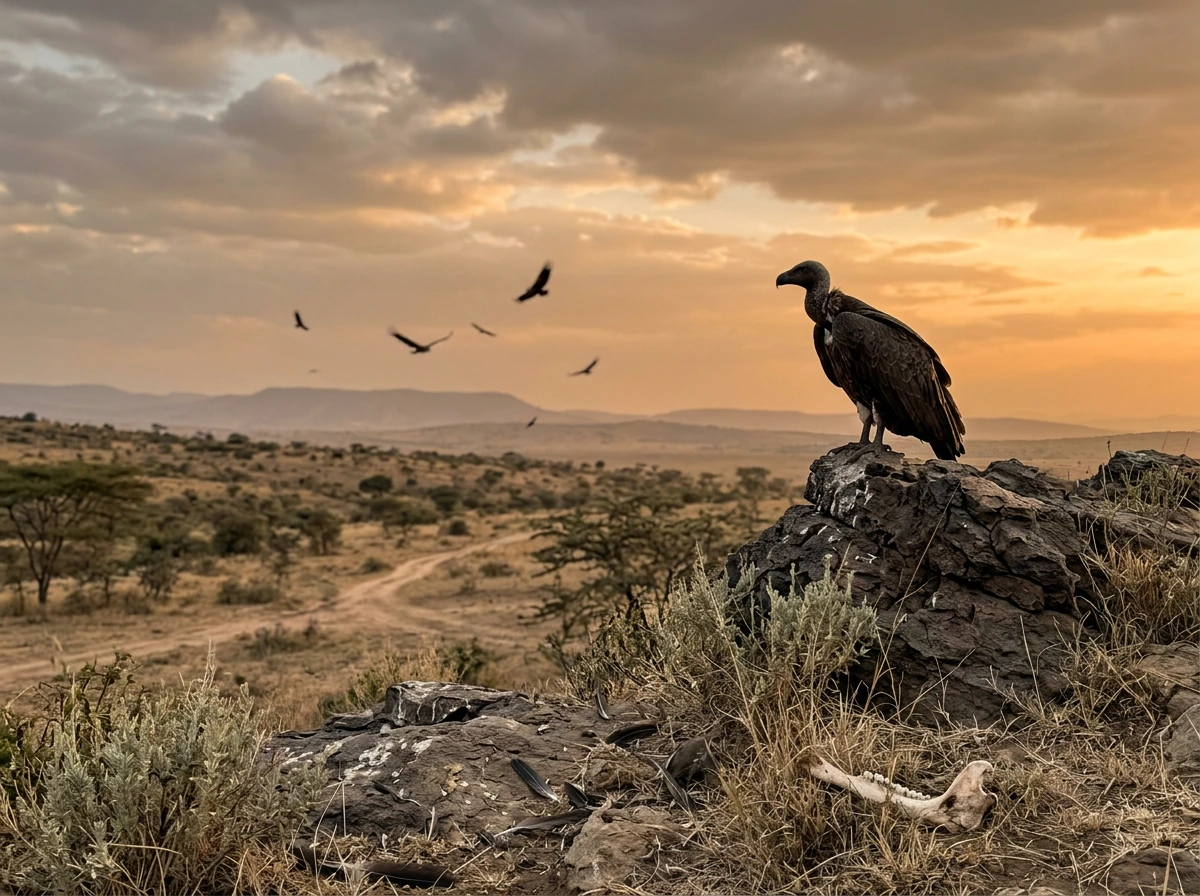
Symbolism is only as useful as your understanding of the real animal behind it. Vultures are large, social raptors, and their defining trait is that they are scavengers: they eat carrion, meaning dead or decaying flesh. National Geographic notes that most species don't hunt for food at all. They wait, watch, and locate carcasses either by sight, smell, or by following other vultures to a meal. Cornell Lab research on black vultures shows they eat everything from feral hogs and cattle to raccoons and skunks. They don't kill what they eat; they clean up what's already gone.
This feeding behavior is social in a surprisingly sophisticated way. Research published in ScienceDaily describes how vulture roost sites act as "information hubs," where birds that have recently fed essentially signal others about available food sources. So when you see a group of vultures, you're watching a coordinated, community-based clean-up operation, not a random cluster of opportunists. That distinction matters a lot when you're trying to interpret the symbol.
One more common misconception worth clearing up: vultures circling overhead are not waiting for you to die. Live Science reports that experts describe this circling as an energy-efficient soaring behavior, where vultures ride thermal air currents while scanning for food below. It looks ominous from the ground, but it's just an efficient search pattern. The death imagery attached to circling vultures is a cultural projection, not a biological fact.
These three biological traits, scavenging (not killing), social coordination, and energy-efficient observation, feed directly into every major symbolic meaning the vulture carries across cultures. Keep them in mind as we unpack those meanings below.
The core symbolic meanings of vultures
Vulture symbolism isn't one-dimensional. Depending on where you encounter the symbol, it can carry any of four major meanings, sometimes several at once.
Death and endings (but not in the way you think)
Yes, the vulture is associated with death, but not as a cause. It's a witness and a processor. The vulture shows up after death has already happened. In symbolic terms, this means the vulture often marks the end of a cycle, a relationship, an era, or a belief system, not a sudden catastrophe. When the vulture appears in your symbolism, ask yourself: what is already over that I haven't fully acknowledged?
Cleansing and purification
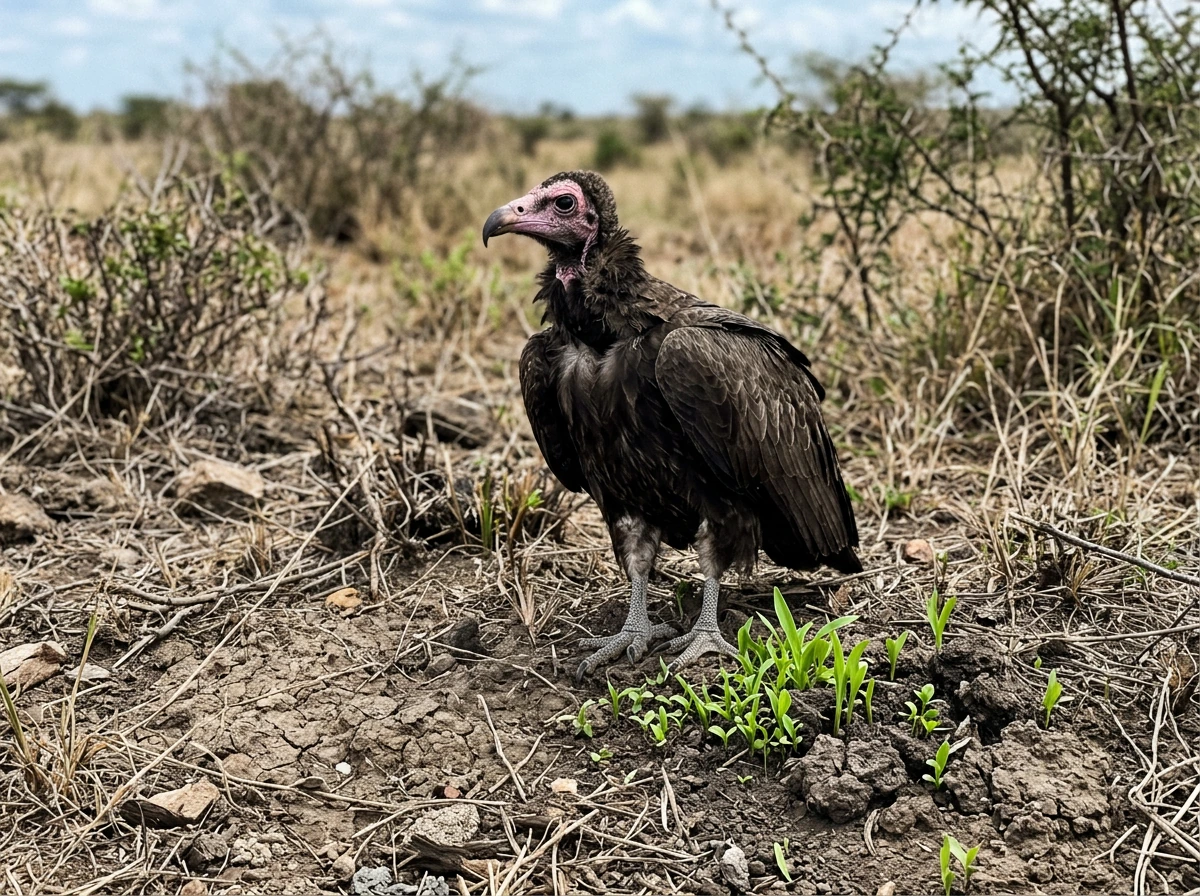
JW.org describes vultures as rendering an "important service" by consuming dead flesh that would otherwise spread disease. This is the cleansing dimension of vulture symbolism: the idea that consuming or processing what is rotten actually protects the living. In spiritual and psychological terms, this maps onto the work of confronting grief, facing uncomfortable truths, or clearing out toxic dynamics. The vulture doesn't shy away from decay; it transforms it.
Transformation and regeneration
Because the vulture converts death into fuel for new life, it's a strong symbol of regeneration across many traditions. The carcass becomes energy; the waste becomes soil; the ending feeds the beginning. In Jungian dream work, as seen on sites like The Mindful Word, a vulture can represent the process of transforming an old habit or pattern: something that has to "die" so that something healthier can grow.
Seeing clearly, especially what others avoid
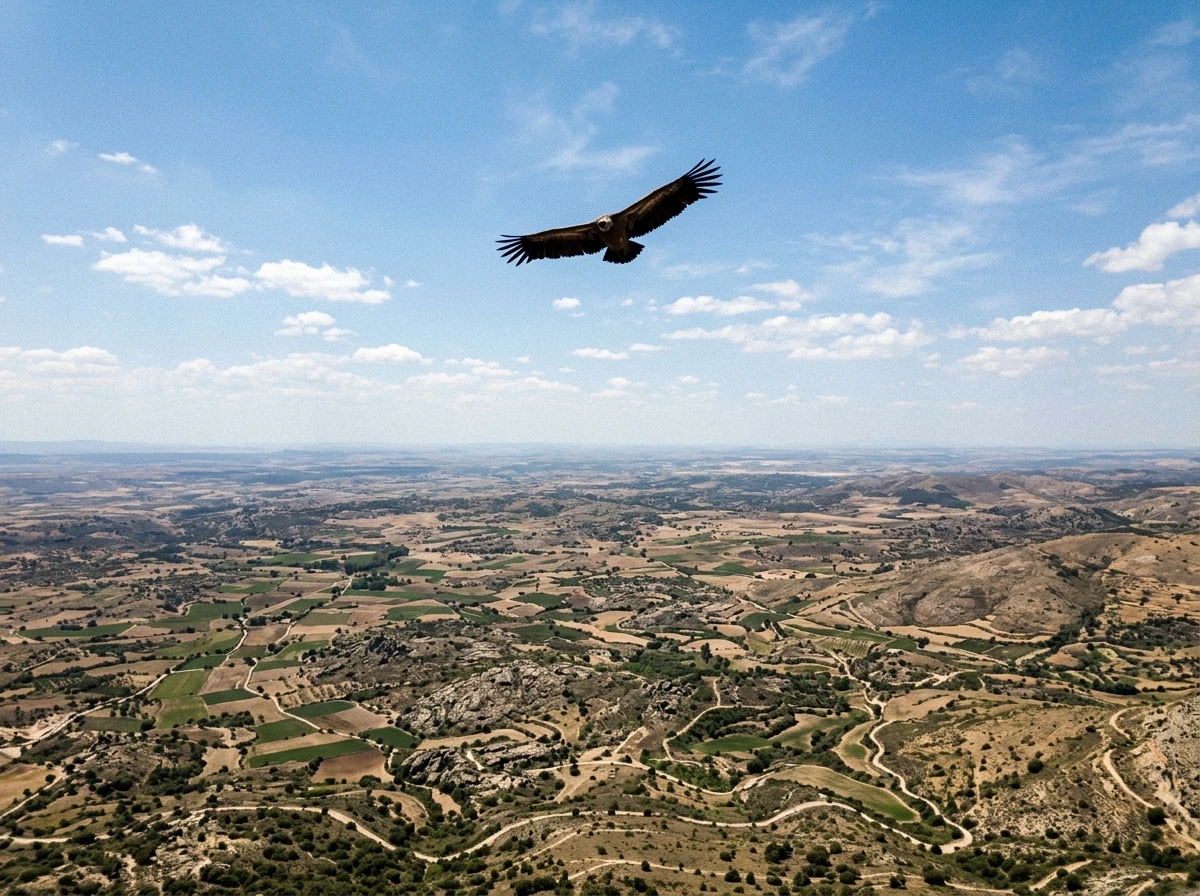
Vultures locate things most animals avoid. They fly high, observe patiently, and approach what others flee from. As a symbol, this translates into an ability to perceive truth in uncomfortable or hidden places. If the vulture appears in a context tied to insight or perception, it's often signaling the need to look at something you'd rather not examine, or acknowledging that someone in your life has an unusually clear-eyed view of a difficult situation.
How different cultures and mythologies read the vulture
One of the most striking things about vulture symbolism is how consistently cultures that lived closely with vultures tended to honor them, while cultures with less direct contact leaned toward negative associations. Here's how the major traditions break down.
Ancient Egypt: the vulture as protector
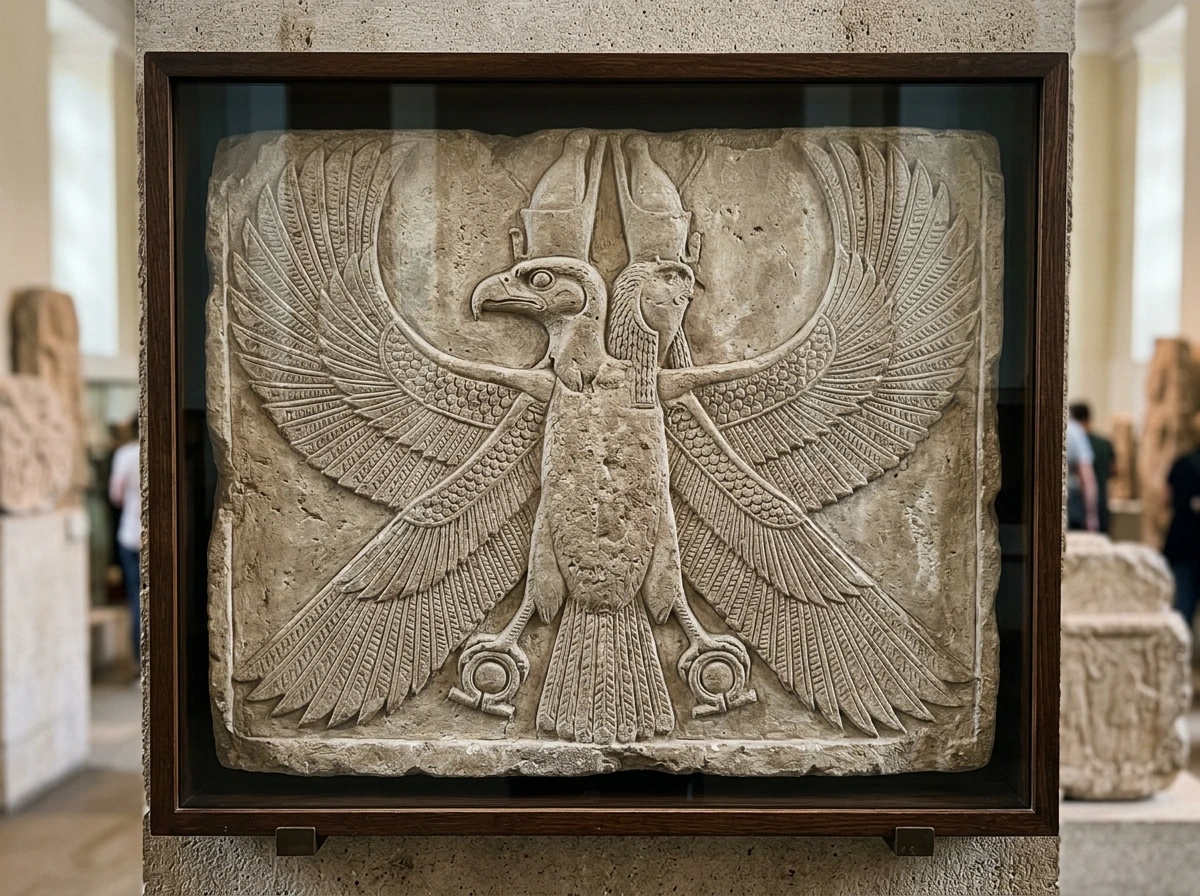
In ancient Egyptian iconography, the griffon vulture was the basis for Nekhbet, one of the oldest protective deities in the Egyptian pantheon. Nekhbet was associated with royalty, motherhood, and the protection of Upper Egypt. Pharaohs wore the vulture on their crowns as a symbol of divine protection, not death. This is one of the clearest examples of a culture that understood the vulture's ecological role and translated it into honored symbolism: a force that guards life by processing death.
Hindu mythology: vultures as heroic and divine
In the Hindu epic the Ramayana, Jatayu is a demigod with the form of a vulture who fights the demon king Ravana to protect Sita. He's not a symbol of death or opportunism; he's heroic, noble, and loyal to the point of self-sacrifice. Wikipedia's article on Jatayu confirms his divine status in the epic tradition. Separately, Garuda, the great bird of Hindu mythology and the vahana (mount) of the god Vishnu, overlaps with vulture-like bird imagery in the broader cultural sphere, reinforcing that large bird figures in Indian myth carry deeply spiritual rather than morbid meanings.
Zoroastrian tradition: vultures as sacred agents of return
This is the most direct and literal cultural integration of vultures into religious life anywhere in the world. In Zoroastrian practice, the dead are taken to Towers of Silence ("dokhmenashini") where vultures consume the corpse. This practice is rooted in the belief that burial or cremation would pollute the sacred earth or fire, so vultures perform a holy function: returning the body to nature cleanly. The IWMF and Wikipedia both document this tradition, and The Guardian has reported on the crisis that occurred when vulture populations declined sharply, leaving Parsi communities facing real practical and spiritual disruption. For Zoroastrians, the vulture isn't a dark omen; it's a sacred intermediary between the living and what lies beyond.
Biblical and Abrahamic traditions: unclean but functional
In contrast to Egyptian and Hindu traditions, the Hebrew Bible classifies vultures among the "unclean" birds in Deuteronomy 14, a designation recorded in BibleHub's topical resources and JW.org's scriptural references. This doesn't mean evil; "unclean" in Mosaic Law referred to animals unfit for consumption or ritual use, not morally corrupt creatures. But the classification did cement a negative valence in Western religious symbolism that persisted into Christian and Islamic cultural frameworks. When vultures appear in biblical literature, they're frequently associated with judgment, battlefield death, or divine consequence, not regeneration.
Indigenous and shamanic traditions
Across various Native American traditions, the vulture (particularly the turkey vulture and California condor) carries meanings tied to purification, patience, and the ability to navigate between worlds. The condor especially is regarded as a powerful spiritual figure in Andean traditions, associated with the sun, health, and the afterlife. The common thread is the same: the bird that processes death is honored, not feared.
Vultures in dreams: what the details tell you
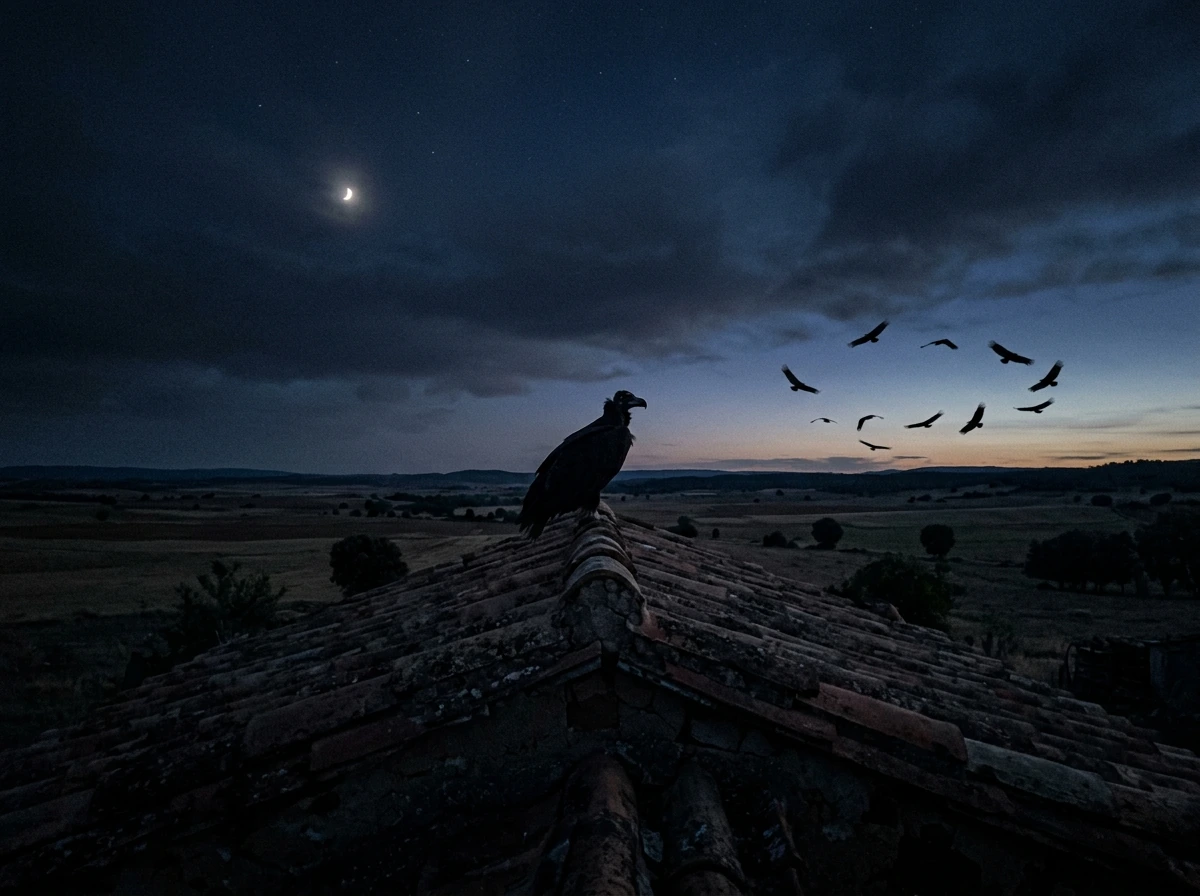
Dream vultures are almost always invitations to examine something you've been avoiding, but the specific scenario shifts the meaning considerably. Here are the most common vulture dream scenarios and what they're most likely pointing at.
| Dream scenario | Most likely meaning | What to ask yourself |
|---|---|---|
| Vultures circling overhead | Feeling overwhelmed by an impending ending or change; awareness of something decaying in your life | What situation have I been circling without addressing? |
| A vulture feeding (not on you) | Active processing of grief, loss, or a past experience; engaging consciously with release | What am I ready to let go of that I haven't fully released? |
| Feeding or interacting peacefully with a vulture | Integration of "shadow" aspects; willingness to confront uncomfortable truths about yourself | What uncomfortable truth am I starting to accept? |
| Being attacked by a vulture | Feeling preyed upon by opportunistic people; or an unexamined pattern in your life demanding urgent attention | Who or what in my life is feeding on my resources or energy? |
| A lone vulture watching you | A call to examine something carefully before acting; a warning to look at what's actually there, not what you wish were there | What am I refusing to see clearly right now? |
| Nesting vultures or many small vultures | A problem that's been ignored and is now multiplying or entrenching itself | What small issue have I dismissed that is now growing? |
Dream-dictionary.com and dreams.guide both treat the circling scenario as connected to feelings of being overwhelmed by approaching change, while PsychoSick's scenario-based readings align nesting imagery with unattended problems growing in severity. The emotional tone of the dream matters enormously: a vulture that feels threatening reads differently from one that feels neutral or even companionable. Note your emotional state in the dream, not just the image.
When people call someone a "vulture": idioms and slang
Outside of dreams and mythology, "vulture" gets used constantly in everyday language, and it almost always carries a negative charge, so the veery bird meaning might feel very different depending on context. When someone calls a person a vulture, they mean one specific thing: this person circles situations of weakness, distress, or loss and moves in to extract something for themselves. It's opportunism at someone else's expense.
This usage is so established that it's crossed into formal financial vocabulary. Cambridge Dictionary includes "vulture investor" as a defined term. Nasdaq's glossary defines "vulture fund" as an investment vehicle that buys distressed debt cheaply and then sues to recover the full value. Merriam-Webster has documented "vulture capitalism" as a recognized critical term for investment strategies that extract value from struggling companies. Wikipedia's entry on vulture funds frames the metaphor explicitly around scavenging on financial distress.
The moral implication when you call someone a vulture in everyday conversation is clear: they aren't creating the problem, but they're profiting from it in a way that feels predatory. The vulture in slang is someone who shows up at a funeral to charm a grieving widow, someone who moves on an ex too quickly after a breakup, or a business that targets people in financial crisis. The biological accuracy is actually pretty good: the animal doesn't kill its prey either. It just waits for the right moment and takes advantage of what's already broken down.
There's a subtle but important distinction here worth noting. Calling someone a "bird of prey" (which you might explore in a related article on calling a bird of prey from the east meaning) implies aggression and active hunting. In that sense, the bird of prey meaning often emphasizes focus, strength, and taking decisive action. Calling someone a vulture implies patience, opportunism, and feeding on weakness rather than conquering strength. One is a predator; the other is a scavenger. Both are insults, but they describe different kinds of behavior.
How to figure out what it means in your specific situation
Vulture symbolism shifts depending on context, so the fastest way to land on the right interpretation is to check a few specific details before deciding what the symbol means for you.
Step 1: Identify your context
Was this a dream? Something someone said about a person? A spiritual or tarot reading? A piece of literature or mythology? Something you physically saw in nature? Each context has a different interpretive starting point. Dreams draw on personal emotional states. Slang usage is about social dynamics. A real vulture sighting in nature carries the lightest symbolic weight of all, though many people still find meaning in timing and circumstance.
Step 2: Check your emotional response
Your gut reaction to the vulture image or word tells you a lot. Did it feel threatening, neutral, or even comforting? Fear points toward avoidance themes (something you don't want to face). Disgust often signals a situation you find exploitative. Neutrality or calm suggests you're in a phase of integration or acceptance around an ending. Curiosity can mean you're being called to look more closely at something you've been overlooking.
Step 3: Look at what else was present
In dreams, other symbols matter. Vultures in a desert landscape read differently from vultures in a familiar backyard. Were there other birds? (Ravens and vultures appearing together, for instance, often double down on themes of transition and shadow; you might find the ravens bird meaning article useful for that combination. If ravens showed up alongside the vulture, you may also want to review the bird raven meaning for how it adds to the transition and shadow themes ravens bird meaning. ) Was there water nearby, suggesting emotional depth? Was there a carcass, pointing toward something specific that has ended?
Step 4: Cross-check your cultural frame
If you're coming from a tradition that honors vultures (Zoroastrian, certain Indigenous, Hindu), the symbol skews positive: sacred, cleansing, heroic. If your cultural background is shaped by Western or Abrahamic traditions where vultures are associated with uncleanness or battlefield death, the default symbolism skews darker. Neither reading is wrong; they reflect genuinely different cultural histories. The question is which frame actually applies to your life and situation.
Quick interpretation guide
| If you encountered... | It most likely means... |
|---|---|
| A vulture in a dream that felt threatening | Something avoided in waking life is demanding attention; examine what you're circling without addressing |
| A peaceful or neutral vulture in a dream | You're processing an ending; a transition is underway and you're moving through it |
| Someone calling a person a "vulture" | That person is seen as opportunistic, moving in on someone's weakness or loss for personal gain |
| A vulture in a spiritual or tarot context | Transformation, the end of a cycle, or a call to engage with what has already ended rather than resist it |
| Vultures circling in a real sighting | Probably just thermal soaring, but if you're looking for meaning: something in your environment has ended and needs to be acknowledged |
| "Vulture fund" or "vulture capitalism" in finance talk | Predatory investment behavior targeting distressed assets or people; a critique of opportunism at scale |
| Vulture imagery in mythology or literature | Check the cultural tradition first: Egyptian/Hindu = protective or heroic; Biblical/Western = judgment or uncleanness; Zoroastrian = sacred service |
The most important thing to remember is that vulture symbolism, across nearly every tradition, is not about causing harm. It's about processing what's already broken down. Whether that reads as threatening or liberating depends almost entirely on how comfortable you are with endings, and with looking honestly at what's no longer alive in your life.
FAQ
If a vulture appears in my dream, does it mean someone will die?
Yes, but only when it aligns with what you are symbolically “over” rather than what you fear will happen. A vulture tied to an ending usually points to closure you have not completed yet (a relationship stage, a job chapter, a belief). If the dream or message mainly triggers panic, it is more likely about avoidance, not an omen of death.
How do I tell whether “vulture” in a reading means exploitation versus cleansing?
In everyday slang, “vulture” can mean a person who benefits from others’ weakness, but the symbolism can also go the other way when your context suggests healing or cleanup. Ask whether the “vulture” role feels like being exploited (anger, disgust) or like being forced to face what is already finished (sobriety, relief).
What does it mean if I keep seeing vultures circling or hearing about them?
If the vulture is circling overhead, treat it as observation and scanning before you assign a heavy meaning. Consider what you are avoiding that you can no longer ignore. Also check whether the mood is ominous or calm, since the same “circling” image can reflect overwhelm or acceptance depending on emotion.
In vulture dreams, does the presence of a carcass change the interpretation?
Look for the “source” of the carcass in your scenario. Symbolically, that is the thing that is already dead or decayed (an old habit, a failed plan, a toxic pattern). If there is a clear object, person, or place connected to the ending, the meaning becomes more specific than a general “death” theme.
What’s the difference between vulture symbolism and “bird of prey” symbolism?
Yes, “bird of prey” and “vulture” often get mixed up. “Bird of prey” usually signals direct pursuit and aggression, while “vulture” more often signals patience, opportunism, and working with what is already broken down. If your context involves fear of being targeted, choose “prey” framing; if it involves dread of facing an ending, choose “vulture” framing.
What does it mean if vultures appear in a group in my dream or vision?
Group scenes generally point to information exchange and community dynamics, not just individual warning. If you notice other birds or a crowd, consider whether the lesson involves what you are hearing from others, social pressure around a change, or the timing of closure.
If someone calls me a “vulture,” what should I do with that meaning?
If you are seeing the term “vulture” used by someone toward you, the message is often about boundaries rather than fate. Consider whether you feel pressured to fix something that is already over, or whether someone is trying to benefit from your distress. A practical next step is to name the boundary in one sentence (what you will not do, what you will do).
Does the timing of seeing a vulture (or the word) change what it means?
Timing matters, especially for symbolic readings. A vulture appearing right after a breakup, job loss, or decision often points to processing the “after” stage (grief, cleanup, restructuring). If it appears during a stable period, it may highlight a hidden weakness you are overlooking or an opportunity you are ready to use.
Why do vulture meanings feel different depending on my cultural background?
Most “negative” interpretations are filtered through cultures that associate vultures with uncleanliness or battlefield death, even though the animal is not predatory like a hunter. If your background is Abrahamic or Western religious, treat the initial meaning as a cultural lens, then re-check what the symbol is inviting you to process in your actual situation.
How can I avoid over-interpreting a vulture symbol into something harmful?
Yes. Since vultures are scavengers, a vulture symbol usually favors “transformation” over “catastrophe.” If your interpretation makes you focus on harming or fearing others, it is probably off-theme. Reframe toward cleanup, accountability, grief work, or releasing patterns that have already stopped serving you.
Next Articles
Bird of Prey Meaning: Definition, Examples, and Symbolism
Bird of prey meaning: definition, what counts as a hunter, common slang uses, example sentences, and symbolism clues.
Venus Definition Bird Meaning: What Venus Refers to
Disambiguates Venus bird meaning, identifies what Venus refers to, and explains love beauty symbolism tied to the bird.
Velcro Bird Meaning: Literal and Symbolic Uses Explained
What velcro bird meaning means in memes or talk, plus literal clingy behavior and symbolic bird references, with quick c