When someone says 'scavenger bird,' they usually mean one of two things: either a bird that feeds on dead animals and waste (the literal, biological meaning), or a symbol of death, purification, or resilience drawn from folklore and cultural tradition (the figurative meaning). Most of the time you can tell which one applies just from context, and this guide will help you do exactly that.
Scavenger Bird Meaning: Definition, Examples, and Symbolism

Marcus Blackwell
23 Mar 2026
What 'scavenger bird' actually means
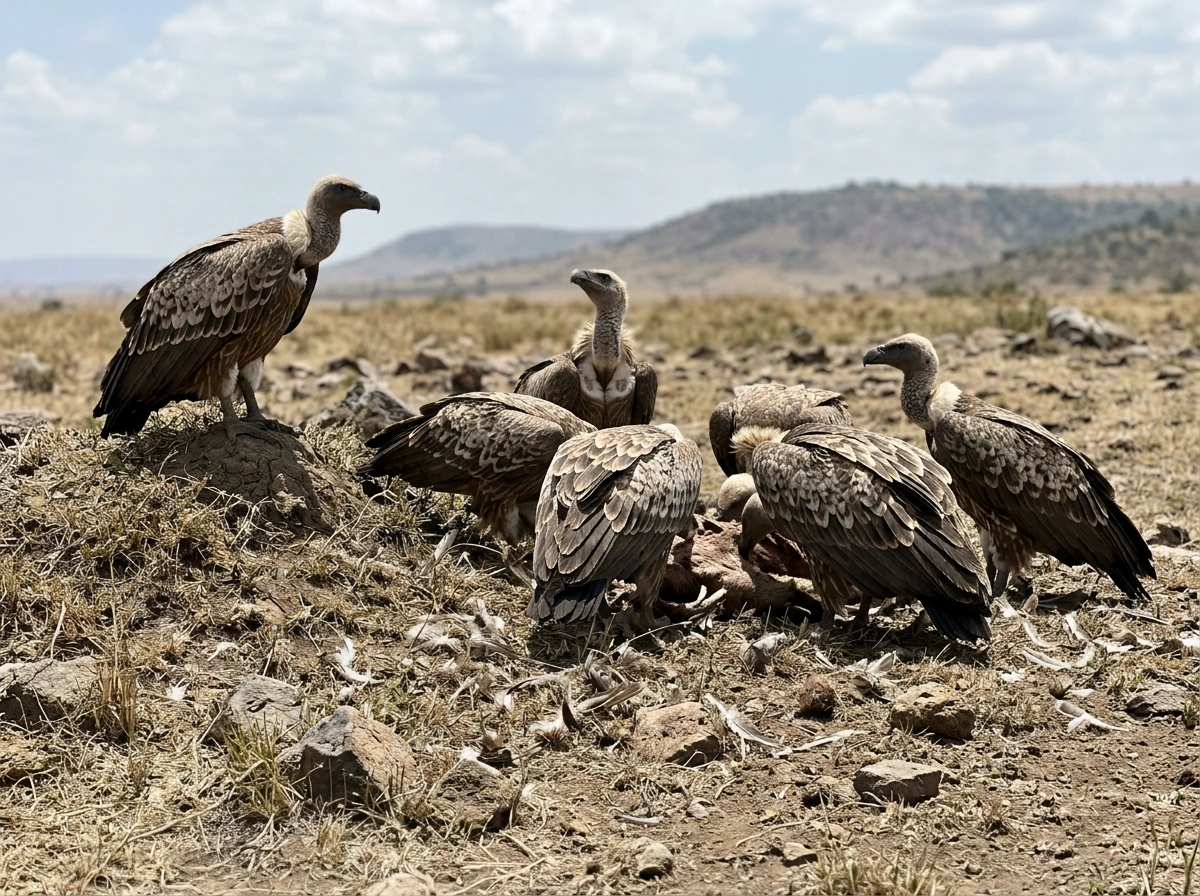
In plain ecological terms, a scavenger is an organism that feeds partly or wholly on carrion, which is the decaying flesh of dead animals. A scavenger bird, then, is any bird whose diet centers on that kind of material. It's not just about eating something gross now and then. The defining idea is that carrion or other decaying organic matter (rotting plant material, food waste, animal remains) makes up a significant or primary portion of what that bird eats. Biologists have been precise about this for good reason: plenty of birds will peck at a carcass when food is scarce, but that doesn't make them scavengers in any meaningful sense.
Scavenger vs. opportunistic: the line that actually matters
This distinction trips people up all the time. Ecology draws a clear line between obligate scavengers and facultative scavengers, and understanding it changes how you interpret the term in almost any context.
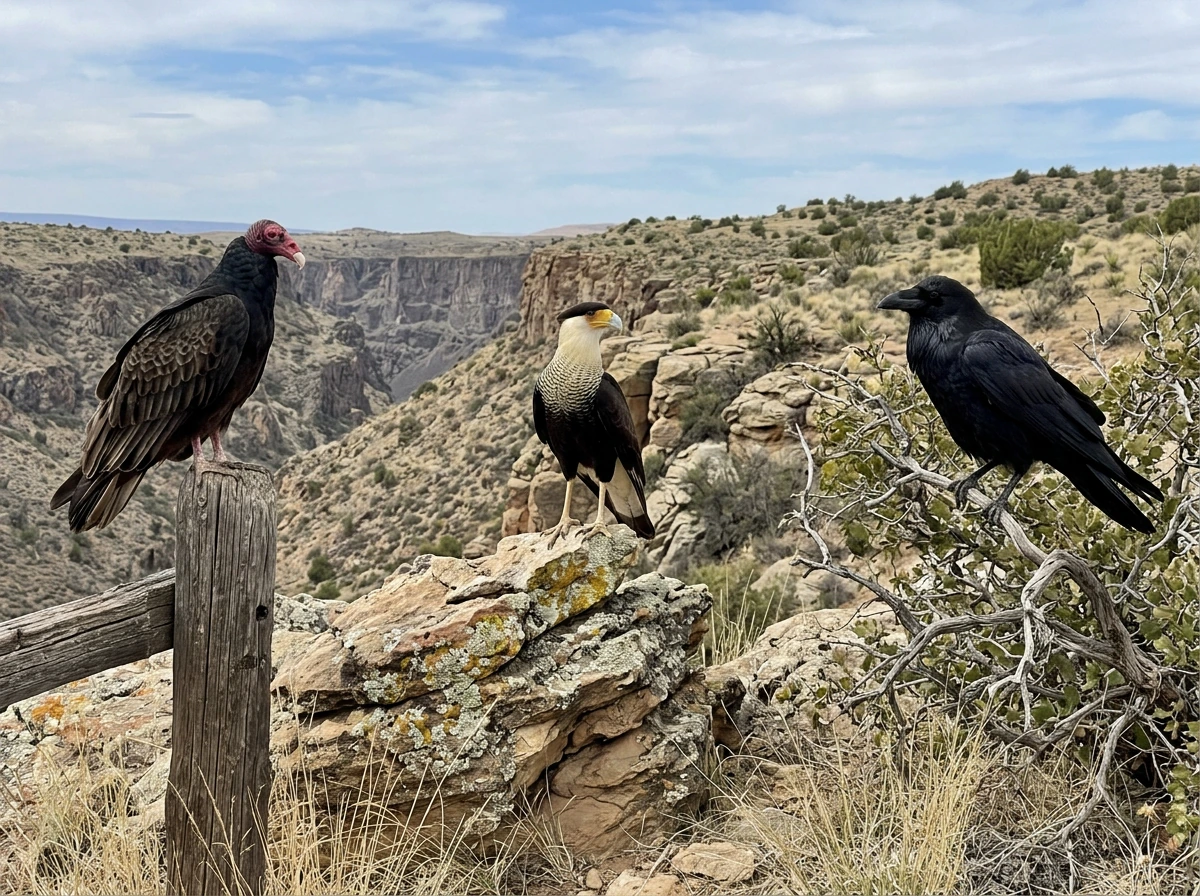
Obligate scavengers exist solely or largely on carrion. Their entire biology and foraging strategy is built around finding and consuming dead animals. They typically can't hunt effectively, and their anatomy reflects this specialization: weak feet, strong stomach acid, featherless heads in some species. Facultative scavengers, by contrast, will take carrion when it's available but are perfectly capable of hunting, foraging for plants, or eating other foods. A crow raiding a roadkill on the highway is doing what crows do opportunistically. A vulture circling that same highway is doing what vultures exist to do.
Scientists measure scavenging specialization by looking at feeding ecology data: how dependent a bird is on carcasses, how often carrion appears as a primary diet item versus an occasional bonus, and whether foraging behavior is structured around finding dead animals. So when you hear 'scavenger bird' in a nature documentary or biology class, they almost always mean a bird where carrion is the main event, not a side dish.
The birds people usually mean
Vultures are the clearest example, and the one most biology and wildlife materials reach for first. There are two distinct groups: Old World vultures (found in Europe, Africa, and Asia, belonging to the family Accipitridae) and New World vultures (found in the Americas, belonging to Cathartidae). Despite looking similar, they evolved their scavenging habits separately, which makes them a striking example of convergent evolution. Both groups feed primarily on carrion. Their adaptations, including highly acidic digestive systems that neutralize dangerous bacteria like anthrax and botulinum toxin, are specifically calibrated for this diet.
Beyond vultures, a few other birds earn the scavenger label in serious birding and ecology circles:
- Condors (California Condor and Andean Condor): the largest flying land birds in the Western Hemisphere, both heavily reliant on carrion and both species with conservation-critical status
- Marabou Stork: an African bird often called a 'scavenger stork,' frequently found at carcasses and garbage dumps alongside vultures
- Some ravens and crows: facultative scavengers rather than obligate ones, but culturally associated with scavenging so strongly that they often appear in the same symbolic conversations (see the article on raven symbolism for a deeper look)
- Egyptian Vulture: one of the few tool-using birds, known for cracking ostrich eggs, but fundamentally a carrion-feeder
- Bearded Vulture (Lammergeier): unusual even among vultures for feeding almost exclusively on bones, dropping them from height to crack them open
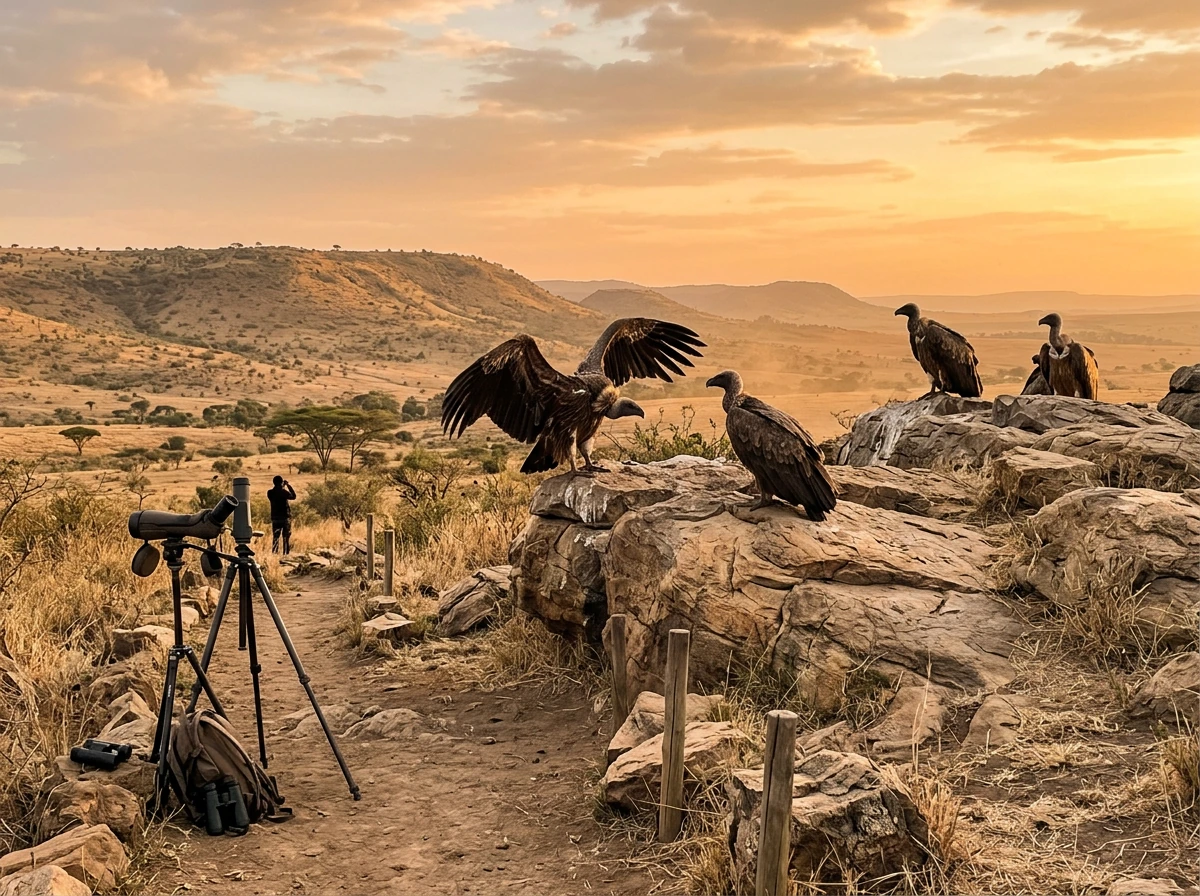
If you've encountered the phrase 'scavenger bird' in a nature or wildlife context and you're trying to identify a specific bird, vultures are the safe first guess. If you're in North America, Turkey Vultures and Black Vultures are the most common species people observe. In Africa, you might encounter Lappet-faced Vultures or White-backed Vultures. Shape-wise, look for broad wings designed for soaring, a relatively small bare head, and a hunched posture on the ground.
What scavenger birds symbolize across cultures
Here's where things get genuinely interesting, and where most people searching this term are actually trying to land. Scavenger birds carry some of the heaviest symbolic weight in world mythology and folklore, and the meanings are more nuanced than the casual 'bad omen' shorthand suggests. If you are looking for the bird raven meaning specifically, the symbolism can shift depending on the culture and the context you are reading scavenger bird.
Death, endings, and transformation
The most widespread symbolic association is with death, but it's rarely as simple as 'scavenger bird equals death is coming. ' In most traditions, the connection is more specifically about the transition between death and what comes after. Vultures in ancient Egyptian religion were sacred to the goddess Nekhbet, a protector of the pharaoh, often depicted as a vulture spreading her wings over the king.
A Reddit post about Nekhbet (r/OutoftheTombs) discusses her depiction, including vulture symbolism, and points to secondary claims about related funerary and artistic meanings Nekhbet’s vulture symbolism. Vulture goddess Nekhbet in Egyptian religion is described by Britannica as a protector of Upper Egypt and its rulers [Nekhbet, a protector of the pharaoh](https://www.
britannica. com/topic/Nekhbet). The Egyptian vulture hieroglyph (the letter 'A' sound in hieroglyphics) was one of the oldest symbols in that writing system. So while the bird was clearly linked to death and the underworld, it was also a protective, divine presence.
In Hindu tradition, vultures appear in the story of Jatayu and Sampati from the Ramayana, where a vulture sacrifices himself trying to save Sita. Far from being an ominous figure, Jatayu is a hero and a devotee of Rama. Tibetan sky burial, in which human remains are left on a mountaintop to be consumed by vultures, treats these birds as sacred agents of spiritual release, returning the body to nature and freeing the soul. In that context, the scavenger bird is literally performing a holy function.
Purification and ecological cleansing
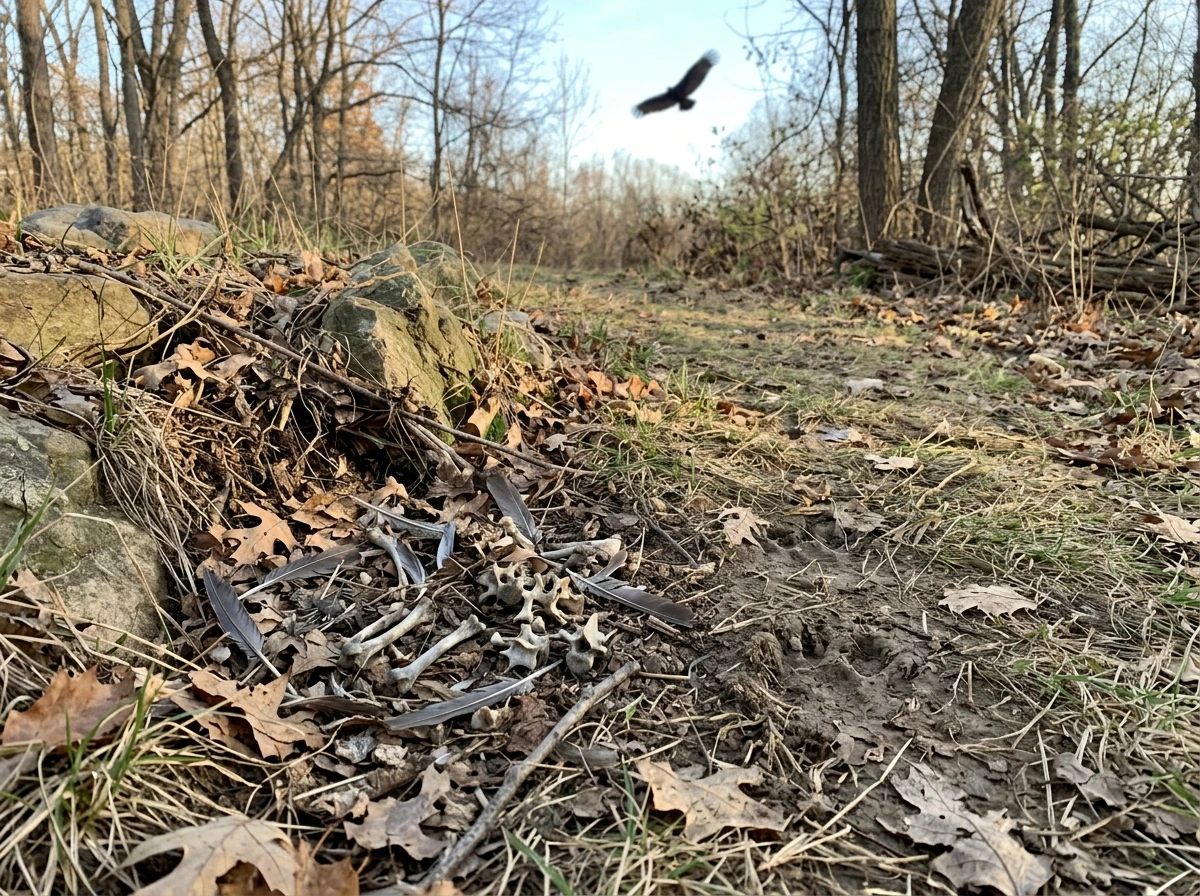
Several traditions independently landed on the same insight that modern ecology confirms: scavenger birds clean things up in a way nothing else can. The Zoroastrian tradition (ancient Persia, still practiced today by Parsis) used towers of silence where vultures consumed the dead, a practice rooted in the belief that a corpse should not contaminate the sacred elements of earth, water, or fire. The vulture's role was purifying, not defiling. This idea of the scavenger as a necessary agent of ecological and spiritual cleanliness shows up across many traditions and translates directly into modern symbolism around renewal and fresh starts emerging from decay.
Resilience, patience, and survival
In contemporary and New Age spiritual interpretation, scavenger birds (especially vultures) have become associated with resilience, resourcefulness, and the ability to find sustenance where others see only waste. The vulture's patience, its ability to soar on thermals for hours conserving energy while waiting for the right moment, reads as a lesson in strategic patience. If you've encountered the scavenger bird as a spirit animal or totem symbol, this resilience angle is usually what's being pointed to. It's the idea that surviving on what others discard, or turning difficulty into nourishment, is its own kind of strength.
How cultures stack up
| Tradition / Region | Primary Symbolic Association | Tone (Positive / Negative / Neutral) |
|---|---|---|
| Ancient Egypt | Protection, divine royalty, transition to afterlife | Positive |
| Hindu mythology (Ramayana) | Devotion, heroic sacrifice | Positive |
| Tibetan Buddhism | Sacred purification, spiritual release | Positive |
| Zoroastrianism | Ecological and spiritual cleansing | Positive |
| Western European folklore | Death omen, bad luck, dark portent | Negative |
| Mesoamerican cultures (Aztec, Maya) | Transformation, death deity associations | Mixed |
| Contemporary / New Age | Resilience, resourcefulness, patience | Positive |
| Native American traditions (varies by nation) | Renewal, purification, cleansing after conflict | Generally positive |
The negative connotation most English speakers default to (think of calling someone a vulture as an insult) is largely a Western European inheritance, and it's actually the minority view when you look at the global picture. Most cultures that lived close to these birds for centuries developed respectful or even reverent interpretations.
Scavenger birds in idioms, slang, and everyday language
When people use scavenger bird language figuratively in everyday conversation, they're usually drawing on one of two registers: predatory criticism (calling someone a vulture or scavenger as an insult) or wry self-deprecation (calling oneself a scavenger for eating leftovers or grabbing discarded items). If you meant the term for a bird of prey, the bird of prey meaning can be different from “scavenger bird,” so it helps to check the wording closely scavenger bird language. Neither use is particularly subtle, but it's worth knowing what the speaker is reaching for.
Calling a person a 'vulture' in English almost always means they're circling someone else's misfortune for personal gain: lawyers descending on an accident scene, investors buying failing companies for parts, or relatives eyeing an inheritance before someone has even died. It's a pointed insult about opportunism and a lack of empathy. 'Scavenger' is slightly milder and sometimes used affectionately, especially when talking about someone who finds value in things others threw away (a bargain hunter, a thrift store regular, a dumpster diver in the resourcefulness sense).
In literature and poetry, scavenger birds tend to signal aftermath. They appear in battlefield scenes, in post-apocalyptic fiction, and in elegies not as the cause of death but as the evidence that death has occurred and the world is already beginning to process it. Cormac McCarthy's use of vultures in 'The Road' is a good modern example: they mark desolation without comment.
In older literary traditions, ravens and crows (facultative scavengers but culturally coded as death-adjacent) often stand in for the same symbolic role, which is why those birds come up so frequently in conversations about scavenger bird symbolism. The article on raven symbolism explores that specific thread in much more depth. If you are specifically wondering about ravens, the article on ravens bird meaning will help you connect the symbolism to the exact context you are reading raven bird meaning.
In social media and casual speech, 'scavenger bird energy' or 'vulture behavior' has become shorthand in some communities for someone who swoops in after others have done the hard work, or who benefits disproportionately from situations they didn't create. It's a vivid way to describe free-riding behavior without needing much explanation.
How to interpret 'scavenger bird' depending on where you found it
Context is everything here. Velcro bird meaning is usually discussed as a playful, symbolic phrase rather than a literal ecological label. The same two words mean genuinely different things depending on where you encountered them, and a quick check of the surrounding context usually resolves the question fast.
- Nature documentary or biology class: almost certainly literal. The speaker means a bird (likely a vulture or condor) that feeds on carrion. Look at the specific species being discussed and check whether they're describing diet, anatomy, or foraging behavior.
- Spiritual or dream context: almost certainly symbolic. If you dreamed of a scavenger bird or encountered the phrase in a tarot, astrology, or spirit animal reading, the question is which symbolic thread applies. Check the mood and action in the dream or text: a vulture soaring overhead reads differently from one feeding. Soaring often maps to patience and perspective; feeding often maps to purification or transformation.
- Conversation about a person: almost certainly an insult or critique drawing on the 'opportunistic predator on misfortune' meaning. The person is being compared to something circling and waiting to benefit from someone else's loss.
- Literature or poetry: depends heavily on the work's tradition and era. Western European texts trend toward ominous; texts drawing on Egyptian, South Asian, or Indigenous American traditions may be using the bird reverentially. Look at whether the bird's presence marks grief and loss, or transition and continuation.
- Social media or slang: likely invoking the 'vulture behavior' meaning of exploiting a situation or person. Sometimes used humorously about bargain hunting or food scavenging, in which case it's self-deprecating rather than an accusation.
Where to go from here
If you need to nail down a specific species you've seen or read about, the Cornell Lab of Ornithology's All About Birds database is the most reliable free resource for North American species. For global species, the Internet Bird Collection and the IUCN Red List both have solid species profiles. For vultures specifically, the Vulture Conservation Foundation covers Old World species in depth.
If you're chasing the symbolic or spiritual meaning, the next most useful threads to pull are the symbolism of specific species rather than scavenger birds as a general category. Vultures have their own rich symbolic history worth exploring in detail. Ravens and crows, which often appear in the same cultural conversations even though they're facultative rather than obligate scavengers, carry related but distinct symbolic weight that's worth distinguishing. The articles on vulture bird meaning and raven bird meaning on this site go much deeper on those specific symbol systems if that's where your question is pointing. velcro bird meaning
The short answer you can take away right now: 'venus definition bird' venus definition bird most often means vulture or condor in a literal context, and most often means death, purification, transformation, or opportunism in a figurative one. If you're also looking into the bird of prey meaning behind another term, the context can shift the interpretation just like it does with scavenger birds. The cultural evidence, once you look past the Western European 'bad omen' reading, is surprisingly positive. These birds have been sacred, protective, and admirable far more often than they've been villains. That's worth knowing the next time someone reaches for the word.
FAQ
How can I tell if someone means the literal diet or the figurative symbolism when they say “scavenger bird” in writing?
Check whether the sentence is describing behavior or meaning. If it mentions carrion, carcasses, roadkill, feeding habits, or a specific habitat, it is almost certainly literal. If it mentions death, purification, fate, aftermath, lessons, or character judgment, it is figurative. A quick clue is whether the bird is acting as evidence (afterward) versus feeding as a process (during).
Is every bird that eats roadkill a “scavenger bird” in ecology terms?
No. Opportunistic birds that only take carrion during scarcity are typically classed as facultative scavengers, while obligate scavengers have carrion as a major or central food source. In everyday speech people often lump them together, but biology treats the distinction as meaningful when you want precise “scavenger bird meaning.”
What’s the difference between vultures and other “death-adjacent” birds like crows or ravens in meaning?
In literal terms, vultures are the classic obligate scavengers. Crows and ravens are usually facultative scavengers, so their presence can signal scavenging opportunities, not necessarily specialized carrion feeding. Figuratively, many cultures code both as death-adjacent, but the “purification and renewal” associations land most strongly with vultures, not with every raven or crow reference.
Why do some people use “vulture” or “scavenger” as an insult, while others treat scavenging as respectful or sacred?
The insult register comes from contexts like exploiting other people’s misfortune (profit after tragedy). Reverent meanings come from traditions that saw birds as part of a necessary cleanup or spiritual process, for example ensuring a corpse does not contaminate valued elements. Same behavior, different cultural framing based on what the community believes the birds are doing and why.
Does “scavenger bird energy” always mean negativity or opportunism?
Not always. In some social-media usage it means free-riding or swooping in after others did the work, but in other circles it’s used to praise resourcefulness, patience, and making use of discarded resources. If the speaker uses it alongside praise for resilience, it is usually the positive “making nourishment from waste” reading.
What are the most common symbolic themes people should expect, and what’s the most common mistake to avoid?
Expect themes around aftermath, transition (death leading to what comes next), cleansing or purification, and resilience. A common mistake is treating “scavenger bird” as a simple “bad omen” label, because many traditions connect these birds to protective or sacred functions rather than only doom.
If I’m trying to identify a bird I saw, what physical or behavior cues point toward scavenger species?
Look for broad wings for soaring, a relatively reduced or bare-looking head, and a posture consistent with scanning from heights or settling to feed. Behavior matters too: obligate scavengers tend to structure their search around carcasses more than generalist birds do, so if it was consistently tracking likely carcass areas, that supports the scavenger label.
Can “scavenger bird meaning” refer to spiritual release practices?
Yes. Some traditions treat vultures as agents of spiritual transition, linked to disposing of the body in a way that is considered respectful and spiritually functional. If your text mentions sky burial, purification rituals, or release of the soul, the figurative meaning is likely that sacred-transition angle rather than death-as-tragedy.
What should I do if the term appears in a poem or novel with no clear context?
Use surrounding anchors: time setting (battlefield, aftermath, end of life), tone (elegiac versus celebratory), and whether other symbols appear (darkness, rebirth, cleansing). If the passage emphasizes the world already changing after an event, scavenger birds are usually functioning as markers of processed aftermath, not as direct predictors of future events.