
A bird of prey is any bird that hunts and kills other animals for food, using sharp talons to catch and a hooked beak to tear its meal apart. The term is essentially interchangeable with "raptor" and covers a wide range of species: eagles, hawks, falcons, owls, ospreys, and (depending on who you ask) vultures. That is the plain dictionary definition, and it is a good starting point. But if you searched "bird of prey meaning," you might also be wondering how the bird of prey meaning gets used figuratively, why it sounds a little odd grammatically, or what it signals symbolically in literature and culture. All of that is worth unpacking. veery bird meaning
Bird of Prey Meaning: Definition, Examples, and Symbolism

Marcus Blackwell
23 Mar 2026
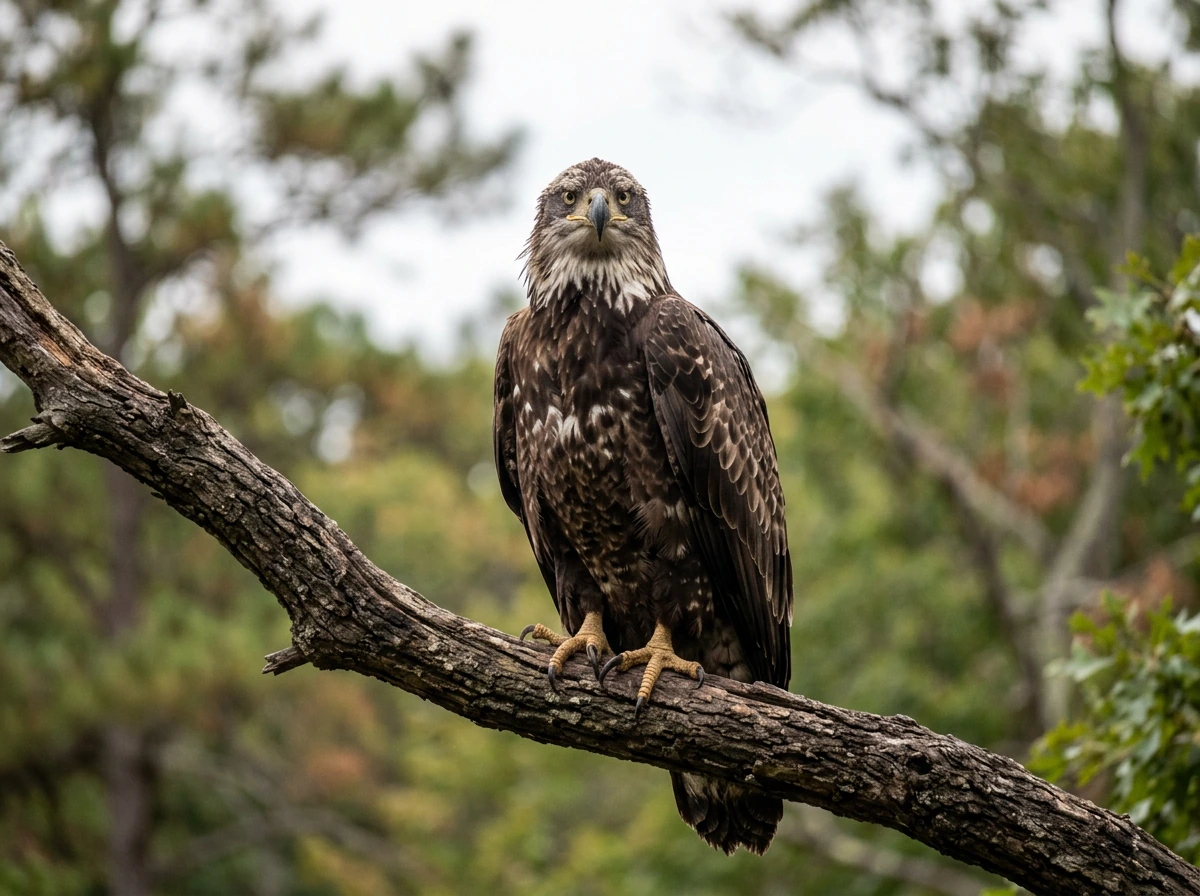
The core definition: what actually counts as a bird of prey
Merriam-Webster defines a bird of prey as "a carnivorous bird (such as a hawk, eagle, vulture, or owl) that feeds wholly or chiefly on meat taken by hunting or on carrion." The Cambridge English Dictionary keeps it simpler: "a bird, such as an eagle or a hawk, that kills and eats small birds and animals." Both definitions converge on the same core idea: these are apex predators of the bird world, built for hunting.
The physical traits associated with birds of prey are consistent across educational sources. They have hooked beaks for tearing flesh, sharp talons for gripping and killing prey, wide wings, and relatively light bodies that make them fast and agile hunters. Many species also have feathers adapted for quiet or fast flight. They hunt live animals or feed on carrion, and they expel indigestible material (fur, feathers, bones) as compacted pellets, which is one of the more distinctive biological quirks of the group.
It is worth knowing that the boundaries of this category are not perfectly rigid. The Peregrine Fund, which studies raptors professionally, acknowledges that there is no single universal standard for what qualifies as a bird of prey or raptor. The Peregrine Fund, which studies raptors professionally, notes that there is [“no standard definition” for what qualifies as a raptor or bird of prey](https://assets. peregrinefund.
org/docs/project-data/book-state-of-the-worlds-raptors/StateoftheWorld%27sRaptors2025Ch2Evolutionof_Diet. pdf). Owls are sometimes excluded from narrower ornithological definitions because they sit in their own taxonomic order. Vultures are sometimes excluded because they primarily scavenge rather than hunt live prey.
In everyday use, though, all of these birds get grouped under the "bird of prey" umbrella without much controversy. If you want to go deeper on vultures specifically, there is more on that topic in our piece on vulture bird meaning.
The word "raptor" (the synonym you will see most often in scientific and wildlife contexts) comes from the Latin rapere, meaning "to seize and carry off." That etymology captures something essential about what makes these birds distinctive: they do not just eat other animals, they actively hunt and take them.
How "bird of prey" works in everyday language
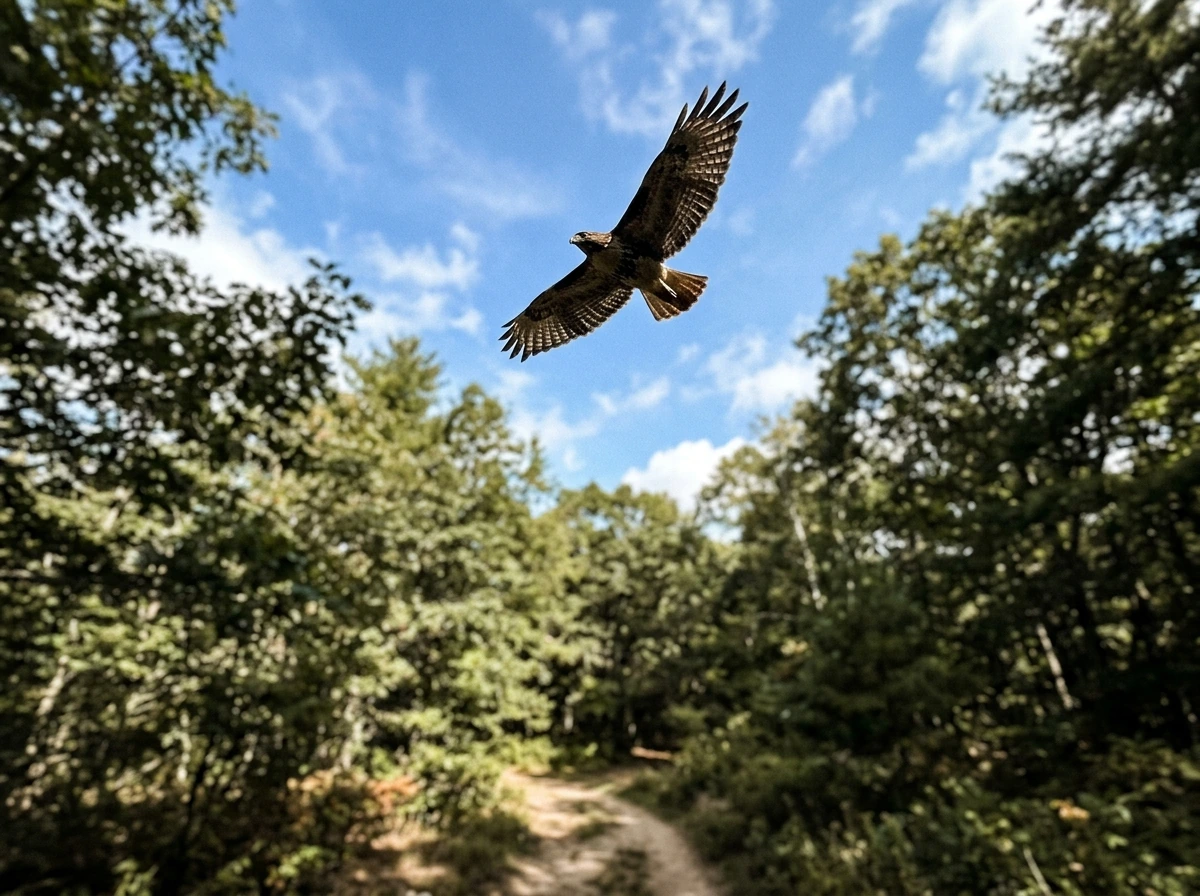
In everyday English, "bird of prey" functions as a straightforward noun phrase. You use it when you want to refer to a hunting bird without naming the specific species, or when you want to gesture at the broader category. The plural is "birds of prey," which follows the expected pattern. You will hear it in nature documentaries, wildlife conversations, falconry contexts, and any discussion of predator-prey relationships in the animal world.
One thing people notice about the phrase is that it feels slightly awkward compared with similar compound terms. "Bird of prey" sounds like it is describing a bird that belongs to prey, rather than a bird that hunts prey. This is a quirk of how the phrase developed historically: "of prey" is an archaic construction meaning something like "having to do with taking prey" or "living by hunting." The phrase migrated from older French and Latin usage into English more or less intact, which is why it sounds a little formal and old-fashioned compared with just saying "predatory bird" or "raptor." But it stuck, and it remains the standard term.
Slang and figurative uses: when "bird of prey" goes beyond the literal
Outside of strictly biological contexts, "bird of prey" carries a consistent figurative weight. It suggests someone or something that is predatory, focused, circling patiently, and then striking with precision. When a writer calls a corporate raider, a persistent suitor, or a scheming antagonist a "bird of prey," they are reaching for a specific image: a creature of superior focus and lethal efficiency, watching and waiting before it acts. venus definition bird
In slang and informal usage, calling a person a "bird of prey" is rarely a compliment. It implies they are predatory in their social or professional behavior, that they identify vulnerabilities in others and exploit them, or that they move through situations with a cold, calculating patience. The metaphor lands differently depending on context: in a thriller novel it might be admiring, in a personal relationship context it reads as a warning.
The symbolic associations go deeper in spiritual and cultural traditions. In some spiritual and cultural contexts, people also ask about the ravens bird meaning, where ravens are often read as signs of insight, transformation, or messages. In shamanic and animist traditions, birds of prey (especially eagles, hawks, and owls) are often understood as messengers between earthly and spiritual realms, described in some research contexts as being "closer to the sky spirits. " Eagles and hawks are the species most commonly cited when people are asked what "bird of prey" brings to mind, with owls close behind.
These associations show up across mythology, literature, and religious iconography worldwide. The cultural weight of a circling eagle or a perched hawk has been readable across centuries of human art and storytelling. If you are tracing these meanings in a specific scriptural or prophetic context, the related topic of calling a bird of prey from the east meaning is worth exploring separately, as it draws on very specific biblical symbolism. calling a bird of prey from the east meaning
Falconry, the ancient practice of training birds of prey to hunt and return to a human handler, adds another layer to the cultural meaning. The Smithsonian has noted how birds of prey appear across centuries of art in many cultures, often associated with power, nobility, and controlled aggression. The falconer's relationship with a hawk or falcon became a symbol of mastery, discipline, and the taming of wild force, which fed into the broader figurative use of these birds as emblems of focused power.
What it looks like in actual sentences
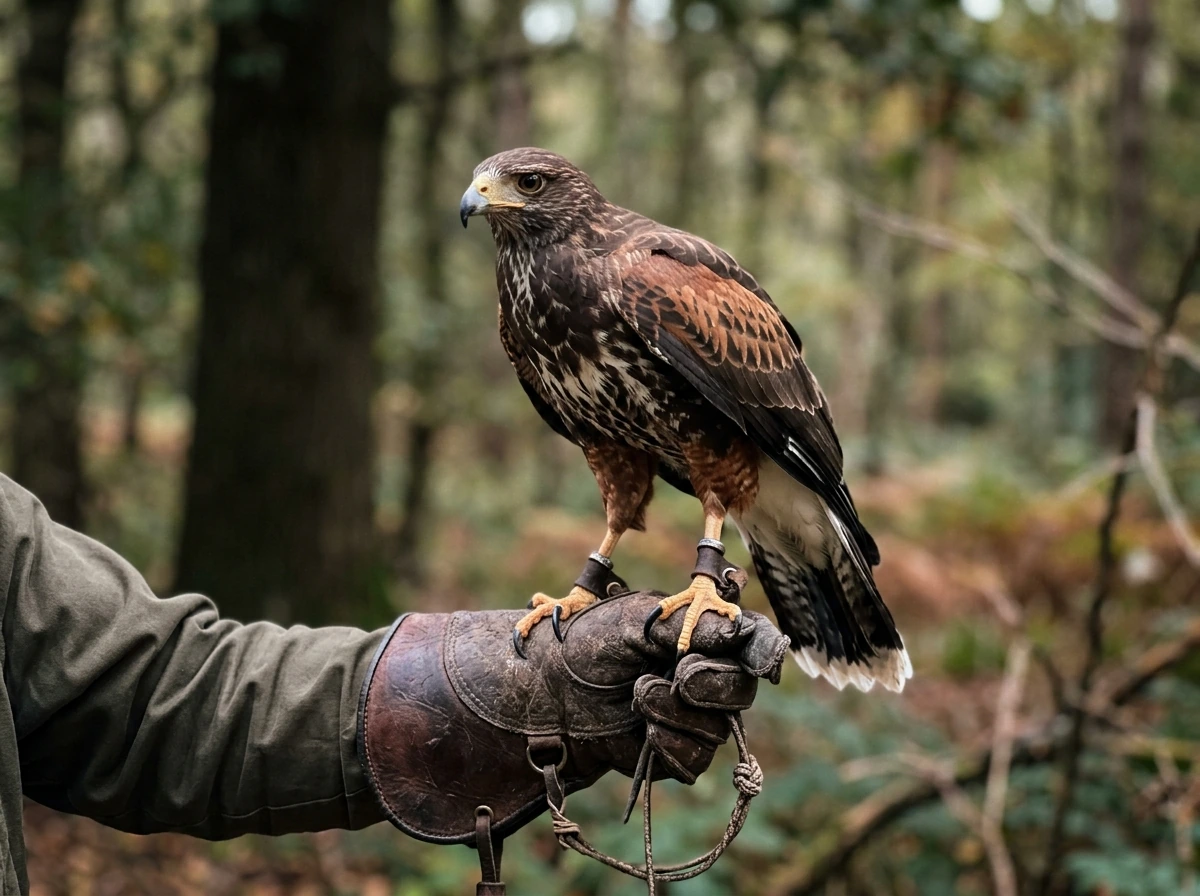
Seeing a term used in real sentences helps a lot more than a definition alone. Here are examples that show how "bird of prey" functions both literally and figuratively across different contexts.
- "She walked through the forest with a bird of prey on her hunting glove, its talons gripping her leather gauntlet." (Literal, falconry context)
- "The osprey is a fish-eating bird of prey found near lakes and coastal waterways across the northern hemisphere." (Literal, naturalist/birding context)
- "If it is flying overhead and there is a predator underneath it, it looks like a really big owl or bird of prey." (Literal, behavioral description)
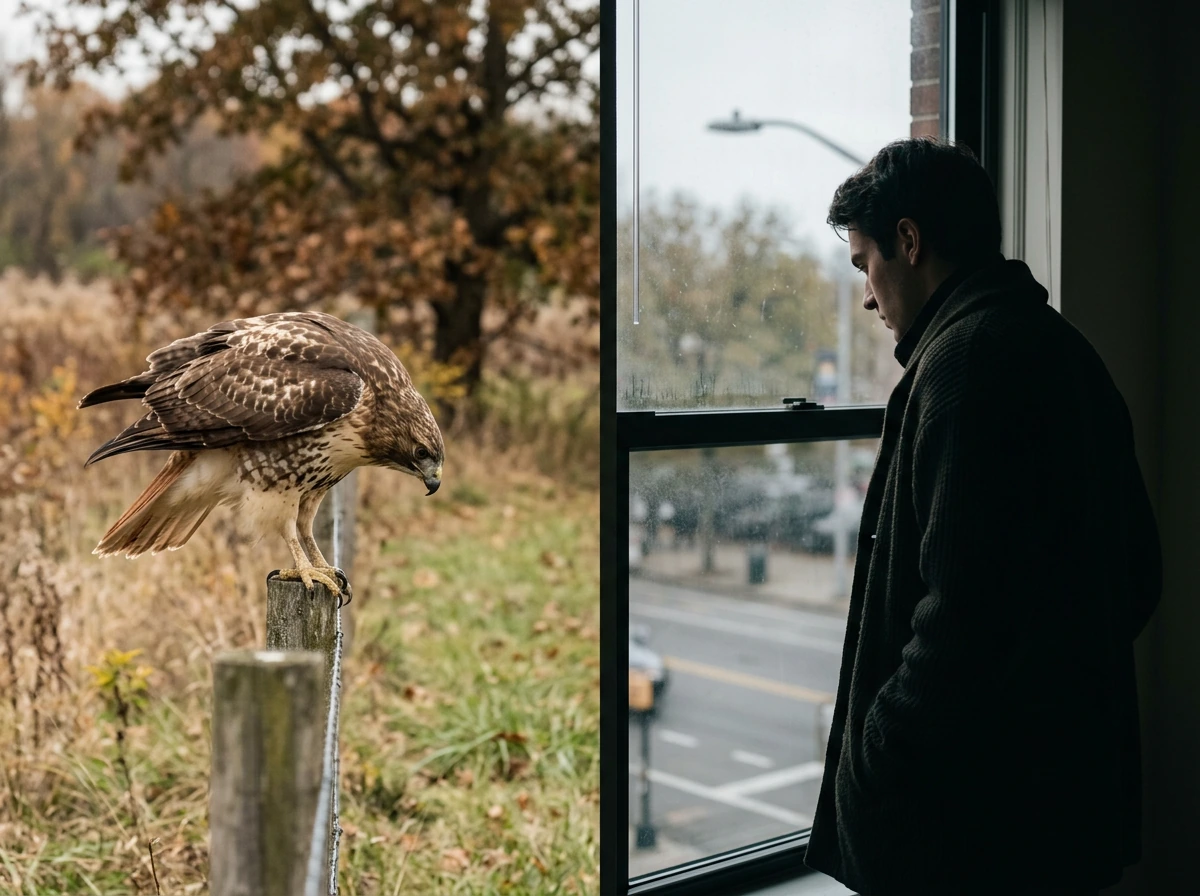
- "He watched the negotiation with the patience of a bird of prey, saying nothing until the moment to strike was perfect." (Figurative, describing predatory focus)
- "In the mythology, the god appears as a bird of prey, sweeping down from the heavens to carry souls to the afterlife." (Symbolic, mythological context)
- "Wildlife officers reminded hikers that it is illegal to kill any bird of prey, regardless of species." (Literal, legal/conservation context)
Notice how the phrase stays recognizable across all of these uses. The literal examples anchor it in biology and wildlife. The figurative examples extend the same core imagery (hunting, patience, precision, power) into human behavior and mythology. Both uses rely on the same underlying meaning; the context just shifts what layer you are working on.
Clearing up the mix-ups: "bird prey meaning" and "prey bird meaning"
If you have seen the phrases "bird prey meaning" or "prey bird meaning" and wondered whether they are different from "bird of prey," the short answer is: they mean the same thing. These are just informal or slightly garbled versions of the standard phrase, the kind of word-order variations people type when they are searching quickly and not thinking about grammatical structure. Nobody uses "prey bird" or "bird prey" as a formal term in biology, literature, or everyday speech. They are search query artifacts, not actual alternative terms.
The one place where "bird prey" might appear as a distinct construction is in sentences where "bird" and "prey" happen to sit next to each other for grammatical reasons, like "the hawk's bird-prey was a sparrow," but this is not an established term. If you see "bird prey meaning" or "prey bird meaning" in a search or a headline, you can safely read it as a loose reference to "bird of prey" and treat it accordingly.
A quick comparison: literal vs. figurative meanings at a glance
| Usage type | What it means | Typical context | Example species or figures |
|---|---|---|---|
| Literal (biological) | A carnivorous bird that hunts and kills other animals for food | Nature, wildlife, science, conservation | Eagles, hawks, falcons, owls, ospreys, vultures |
| Figurative (behavioral) | A person who is predatory, calculating, and patient in exploiting others | Literature, journalism, everyday speech | An antagonist, a rival, a ruthless negotiator |
| Symbolic (cultural/spiritual) | A powerful messenger or emblem of strength, vision, and divine connection | Mythology, religion, shamanism, art history | Eagle as national symbol, hawk as spirit guide |
| Slang (informal) | Someone who swoops in to take advantage of a situation or person | Casual conversation, social commentary | An opportunist, a predatory romantic interest |
The literal meaning is always the foundation. Every figurative use of "bird of prey" borrows from the biology: the patience of a circling hawk, the speed of a stooping falcon, the indifference of a vulture picking through what others left behind. Understanding the actual creature makes every metaphorical use sharper and more legible.
Related terms worth knowing
"Raptor" is the closest synonym and is used interchangeably with "bird of prey" in most scientific and educational contexts. It carries the same figurative weight when used metaphorically. "Predatory bird" is a more modern, plain-English alternative that avoids the archaic "of prey" construction. "Scavenger bird" overlaps partially, since vultures fall under both categories depending on definition, and there is more on that distinction in the piece on scavenger bird meaning. If you are interested in specific species that carry especially rich symbolic histories, the articles on raven bird meaning and ravens bird meaning go deep on one of the most symbolically loaded birds of prey in world mythology.
The main thing to hold onto is this: "bird of prey" is a stable, well-defined term with a clear literal meaning and a consistent set of figurative associations. Whether you encounter it in a field guide, a novel, a legal document about wildlife protection, or a description of someone's predatory personality, the same core image is always at work: a creature built to hunt, patient enough to wait, and precise enough to strike when the moment is right.
FAQ
Is an owl always a bird of prey, or can it be excluded in some definitions?
In most everyday usage, yes, owls are treated as birds of prey because they hunt live animals. However, some narrower ornithology classifications place owls in a separate grouping, so you may see “raptors” used in a way that excludes owls. If you need precision, check whether the source defines raptor as including owls.
Do vultures count as birds of prey, since they often scavenge?
They are commonly included under the umbrella, but not everyone uses the term the same way. Many “bird of prey” descriptions include vultures because they feed on meat, but a stricter definition emphasizes hunting and capturing live prey. If a text emphasizes “hunt,” assume vultures might be treated separately.
What is the difference between “raptor” and “bird of prey” in formal contexts?
They overlap heavily, and many sources use them as if they are interchangeable. In formal scientific or wildlife contexts, “raptor” can be defined with specific taxonomic or behavioral boundaries, while “bird of prey” is broader and more flexible in everyday language. When writing or interpreting a legal or educational document, follow the exact definition given by that source.
Can I use “bird of prey” in a safety or legal setting, like wildlife regulations?
Only if the regulation or document uses the phrase and defines it for that purpose. Wildlife laws sometimes list species by name or use category terms with defined scope. If you are unsure, look for the document’s definition section, not just the general wording in the title.
Is “bird of prey” the same as “predatory bird” or does it carry different connotations?
Functionally they refer to animals that hunt, but the connotations can differ. “Bird of prey” is the more specific, traditional category term and also tends to evoke the metaphor of patient, precise striking. “Predatory bird” sounds plainer and is less likely to trigger the same cultural or symbolic associations.
Why does “bird of prey” sound grammatically odd, and is it ever used differently?
It feels odd because “of prey” is an older construction meaning related to taking prey, not “a bird belonging to prey.” In real writing, you will almost always see it as a fixed noun phrase, “bird of prey” or “birds of prey.” Reordered fragments like “bird prey” are typically search typos rather than established variants.
What does it mean figuratively when someone calls a person a “bird of prey”?
Usually it suggests a calculated, predatory demeanor, someone who watches for weakness and then acts strategically. It is often not flattering, though the tone depends on context, like whether it appears in a warning, an accusation, or a thriller-style compliment.
If I am analyzing symbolism, which birds of prey are most commonly used and why?
Eagles and hawks are frequently used to symbolize power, vision, and control, while owls often appear in symbolism tied to wisdom, nighttime vigilance, or messages. Eagles and hawks also show up often because their silhouettes and circling behavior are visually dramatic and easy to connect to “watching then striking.”
Do “bird of prey” metaphors always imply hunting, or can they also imply stalking and patience?
They usually imply more than simple aggression. The strongest metaphor draws on the combination of patience (circling or waiting) and precision (striking at the right moment). If the writing emphasizes observation over action, it is still aligned with the core imagery even without explicit “hunting.”
Are phrases like “bird prey meaning” or “prey bird meaning” actually different concepts?
No. Those are informal or garbled search queries, not established English terms. In interpretation, treat them as references to “bird of prey” and decide the literal or figurative meaning based on the sentence and topic.
Next Article
Venus Definition Bird Meaning: What Venus Refers to
Disambiguates Venus bird meaning, identifies what Venus refers to, and explains love beauty symbolism tied to the bird.