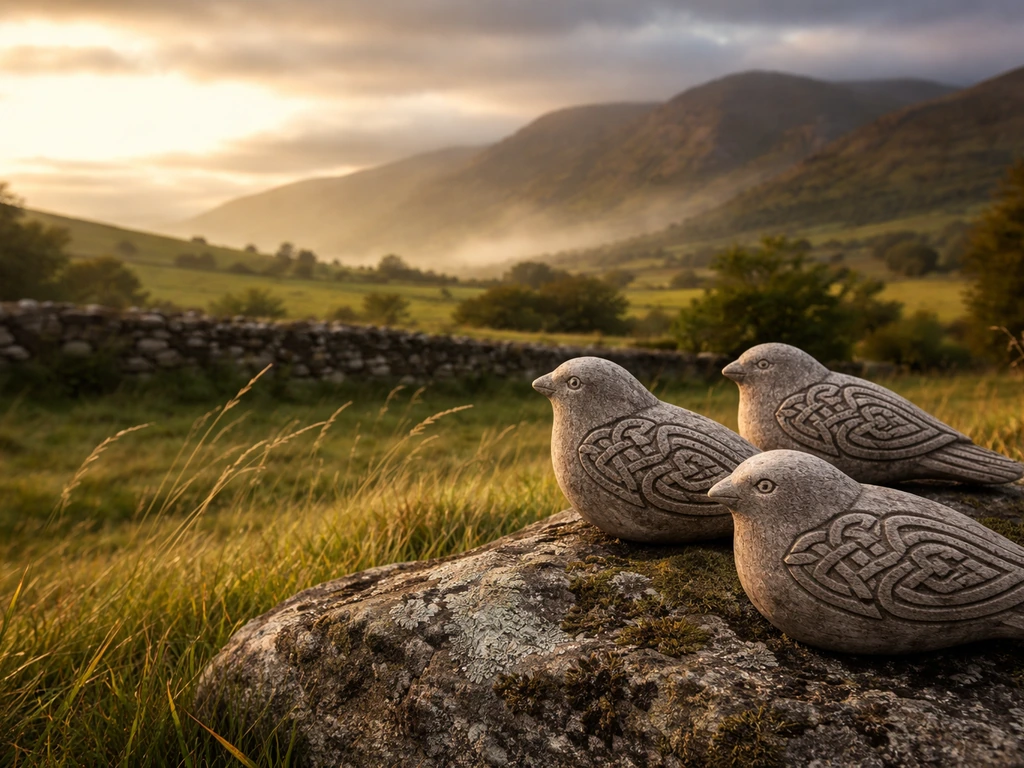
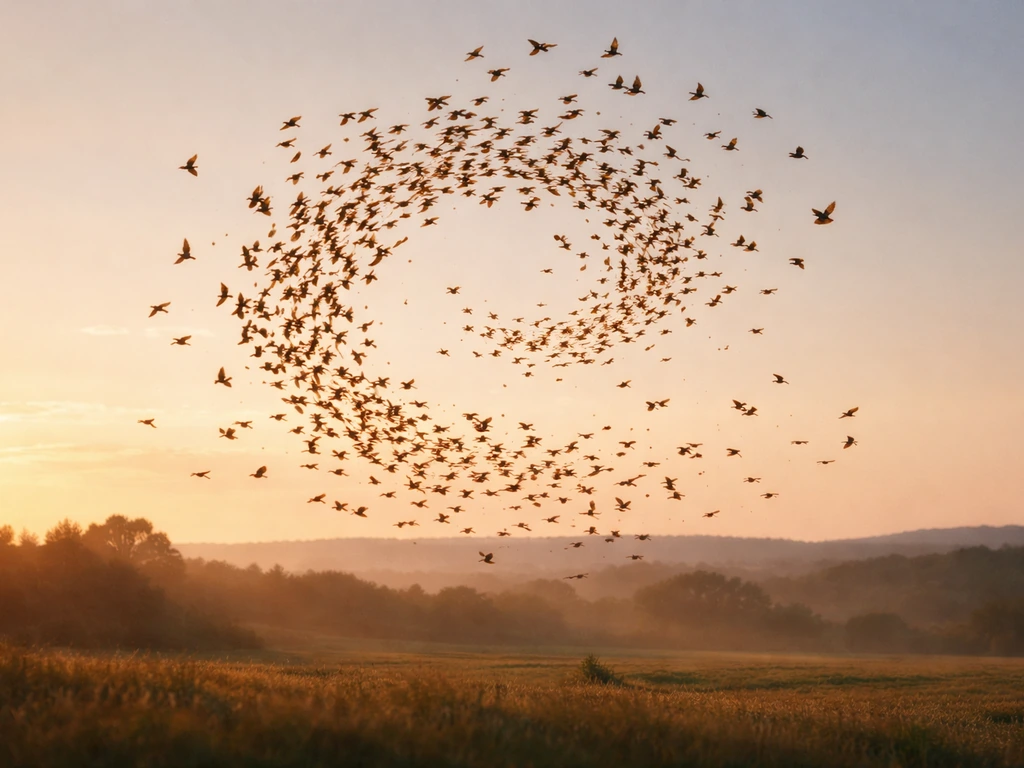
When someone searches for 'many feathered bird meaning,' they're almost always asking one of two things: what does it symbolize when you see a flock of birds (in a dream, a nature encounter, artwork, or a spiritual sign), or what does a specific phrase containing 'many feathered birds' mean in a poem, saying, or cultural tradition. The honest answer is that 'many birds' carries no single fixed meaning. Depending on the species, behavior, setting, and your own emotional response, a flock of birds can signal abundance, community, freedom, incoming news, social pressure, or even an omen of death. Dreamsdirectory claims that “many birds” in a dream can symbolize messages for life, fertility, rejuvenation and spring, and that flock-sound imagery can point to social or relational unity. The trick is knowing which context you're actually working with.
Many Feathered Bird Meaning: Symbolism, Dreams, Signs

What 'many feathered birds' usually means (and why the phrase is ambiguous)
The phrase itself isn't a fixed idiom. You won't find 'many feathered birds' defined in a dictionary the way 'a little bird told me' is (Cambridge Dictionary defines that one as a way of sharing secondhand information without naming your source). Instead, 'many feathered birds' is a descriptive phrase that appears in poetry, dream journals, spiritual writing, and folklore commentary. That's exactly why it's ambiguous: it combines the symbolism of birds in general with the specific weight that comes from there being many of them, and then layers on feathers, which carry their own set of meanings in certain traditions.
In literature, for instance, Carl Sandburg uses 'many birds' in his poem 'Margaret' to evoke lively emotional motion, a sense of the speaker's inner world buzzing with feeling. Wordsworth's 'a thousand blended notes' in 'Lines Written in Early Spring' uses many birds singing simultaneously as a metaphor for complex, layered emotion. Neither is talking about a literal flock. So the first question to ask yourself is: where did you encounter this phrase? That location, more than almost anything else, determines what it means.
Context checklist: species, behavior, setting, and your feelings
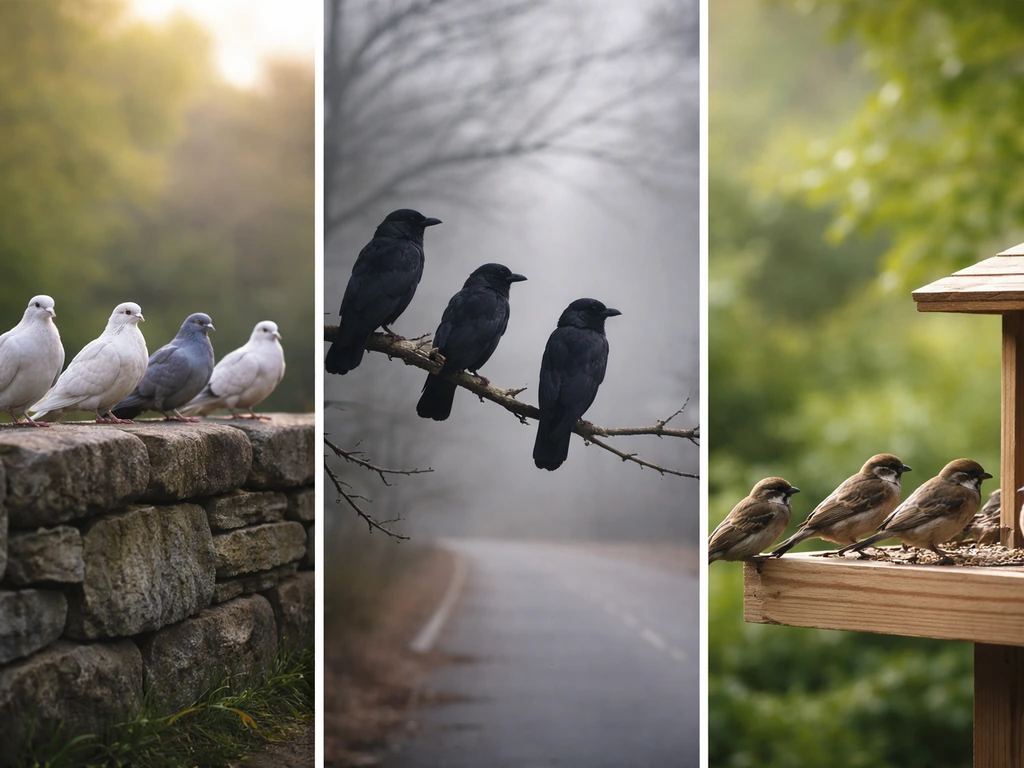
Before you settle on any single interpretation, run through these four context clues. They do more interpretive work than any general symbolism guide can.
- Species: A flock of doves means something entirely different from a murder of crows or a swarm of owls. Generic, unidentified birds tend to skew toward broad themes like freedom or community, while specific species carry their own cultural baggage.
- Behavior: Were the birds singing, flying in formation, feeding peacefully, scattering in alarm, or diving toward something? Ibn Sirin's classical Islamic dream interpretation tradition notes that singing birds in dreams specifically shift the meaning toward happiness and success, while the overall behavior of a flock adjusts the reading considerably.
- Setting: Was this a dream, a real-life sighting, a scene in a book, a piece of art, or a spiritual vision? Dream contexts lean toward personal symbolism and internal messages. Real-life encounters are more often read through regional folklore. Literary appearances require reading the full passage for authorial intent.
- Your emotional tone: Psyculator notes that many birds in a dream can mean community and support or social pressure and overwhelm, and the determining factor is whether the scene felt welcoming or chaotic to you. That gut response is data.
Symbolic meanings of 'many birds' across common folklore and spiritual readings
Across the most widely consulted traditions, 'many birds' clusters around a handful of recurring themes. None of these are universal, but they're the interpretations you'll encounter most often.
- Abundance and opportunity: In Islamic dream interpretation drawing on Ibn Sirin, seeing many birds is strongly positive. It signals goodness, abundant sustenance, and many opportunities coming until the dreamer chooses what suits them. A woman seeing many birds in this tradition is said to have a beautiful personality that draws people to her.
- Happy news from afar: Several Ibn Sirin-based sources frame many birds as a herald of positive messages traveling toward you, an optimistic reading grounded in birds as literal messengers.
- Community and belonging: Dream-symbolism resources consistently link flocks to social unity. The flock itself, as a structure, points toward collective identity and shared purpose rather than individual messages.
- Life, fertility, and renewal: DreamsDirectory ties many birds in dreams to themes of life, fertility, rejuvenation, and spring, especially when the dream has a bright or musical quality.
- The bridge between earthly and spiritual realms: Across many traditions, birds are seen as intermediaries between worlds. A large number of them intensifies that bridge-quality, suggesting an unusually strong spiritual signal or a moment of transition.
- Social pressure or overwhelm: Not all readings are positive. When the flock is noisy, chaotic, or feels threatening, many birds can represent social pressure, being surrounded by too many competing demands, or a message that's hard to decode because too many voices are involved.
How meaning shifts dramatically by bird type
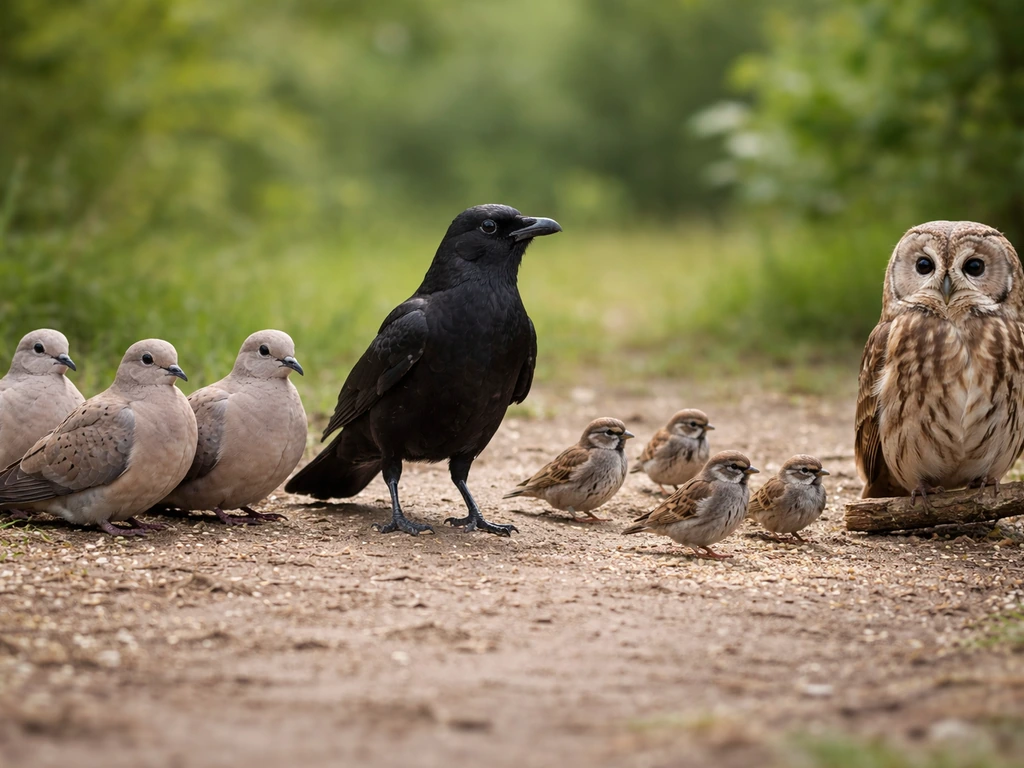
This is where interpretation gets genuinely interesting. A 'flock of birds' in the abstract is one thing; a specific species changes everything. Here's how the most commonly symbolic birds shift the meaning of 'many' of them appearing together.
| Bird | Many of them usually signals | Cultural caution |
|---|---|---|
| Doves | Peace, purity, divine favor, renewal (Noah's Ark olive-leaf association, Holy Spirit in Christianity) | Meaning is fairly consistent across Judaism and Christianity, but varies in other traditions |
| Ravens or crows | Death, desolation, or bad omens in many Western and biblical readings; intelligence and transformation in others | Symbolism varies sharply by region. Crows are messengers in some Indigenous traditions |
| Owls | Death, the supernatural, ill luck in parts of Africa and some folklore; wisdom in much of Europe | One of the most culturally variable birds. Don't apply one reading globally |
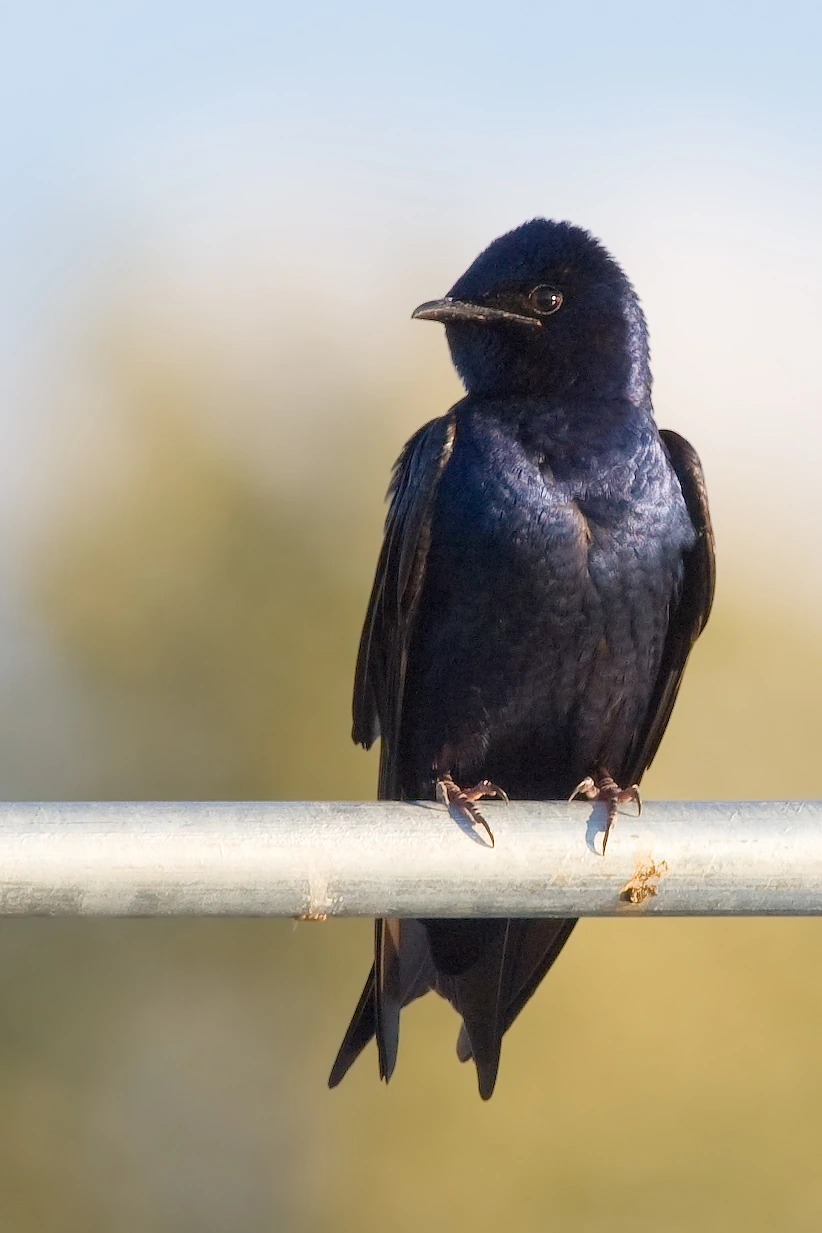
| Swallows | Spring return, travel, coming home, renewal and community | Strongly positive in most traditions; associated with loyalty and safe return |
| Magpies | Ill luck in British folklore (a single magpie especially, with the superstition that saluting it wards off misfortune) | Rhymes and counts vary by region; a group reading differs from a solo sighting |
| Finches or small songbirds | Joy, curiosity, adaptability, finding happiness in the present | Generally light and positive; less omen-heavy than corvids or raptors |
The takeaway is that 'many feathered birds' with no species specified is a genuinely open question. But the moment you can identify what kind of bird is involved, the interpretive field narrows considerably. If the birds in your dream or encounter were nondescript, lean toward the broad community and abundance themes. The fantail bird meaning can be especially specific because different traditions connect it with grace, movement, and symbolism tied to its distinct tail shape. If they were clearly identifiable, look up that species specifically.
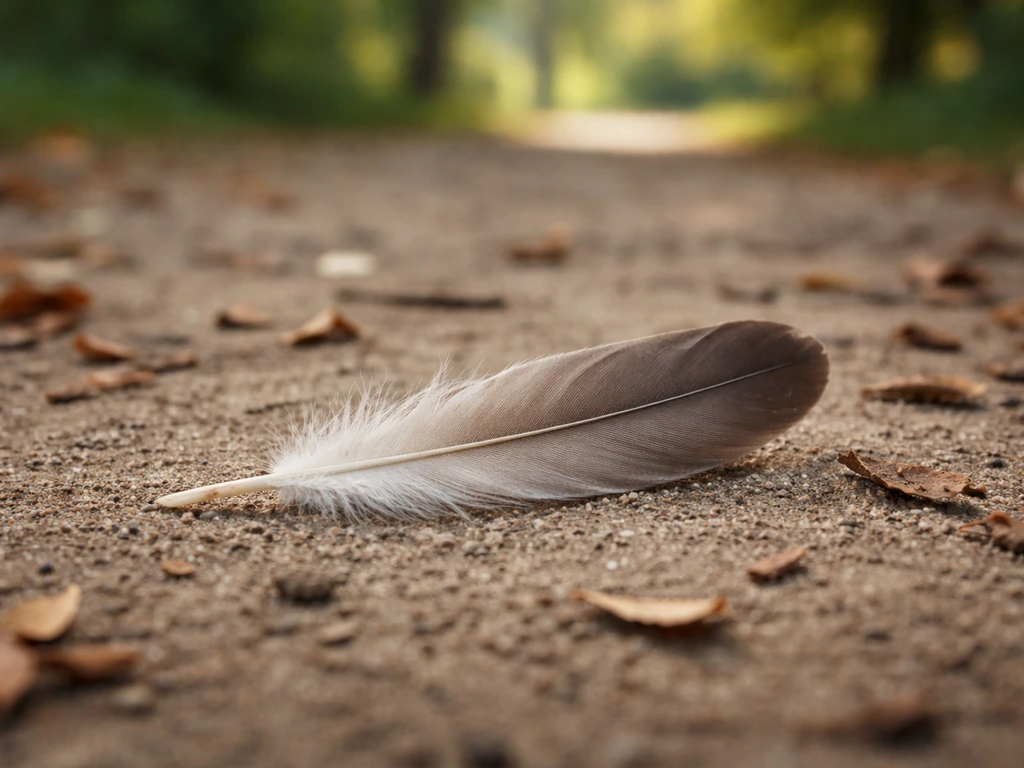
It's also worth noting that related ideas appear in adjacent symbolic questions. The meaning of finding a single feather is its own distinct tradition, and the symbolism of a bird with no feathers at all points somewhere entirely different, toward vulnerability, exposure, or transformation in mid-process. If you meant a bird with no feathers at all, that's often read as a sign of vulnerability, exposure, or change in progress. The symbolism of finding bird feathers meaning also depends heavily on context, especially what the feather looked like and how you encountered it. Even the size of the bird matters: the symbolic weight carried by a miniature or 'mini feathered bird' differs from that of a large, bold specimen like a raven or an owl. If you’re specifically asking about mini feathered bird meaning, that size shift usually points to the symbolism of something small but significant, often related to early-stage change or heightened attention to details.
Related idioms and expressions that shape how we read 'many birds'
English is full of bird idioms, and a few of them directly color how people instinctively interpret 'many birds' as a concept. Understanding these expressions helps you recognize when a phrase about many birds is genuinely symbolic versus when it's sliding into figurative language territory.
- 'Birds of a feather flock together': This proverb, traceable through Benjamin Jowett's 1856 translation of Plato's Republic and likely older, says that similar people naturally group together. When you see many birds of the same kind, this proverb can color the interpretation toward unity of type, or a community of like-minded individuals.
- 'A little bird told me': A Cambridge Dictionary staple meaning secondhand information from an unnamed source. A flock of birds whispering or chattering in a dream could evoke this idiom, suggesting rumors, incoming information, or messages you haven't yet received clearly.
- 'The early bird catches the worm': Rooted in a 17th-century proverb, this one frames birds as symbols of preparation, timing, and competitive advantage. Many birds arriving at once could carry an implicit message about seizing opportunity before others do.
- 'Kill two birds with one stone': Less directly relevant to symbolism, but it frames birds as representing goals or challenges, and many birds together as multiple problems or opportunities converging at once.
These idioms matter because language shapes intuition. If you grew up hearing 'birds of a feather flock together,' your gut response to seeing a flock in a dream is probably going to lean toward community and shared identity, even before you consciously analyze anything. That's not wrong; it's just worth naming so you can separate instinctive association from deliberate symbolic reading.
Quick self-check and next steps to confirm the right meaning today

If you're still not sure what 'many feathered birds' means in your specific situation, here's a practical sequence to work through right now.
- Pin down your source. Was it a dream, a real sighting, a poem or book, a piece of artwork, or a spiritual reading? Write down exactly what you saw or read before interpreting anything.
- Identify the species if possible. Even a rough category (dark corvid, white dove, small songbird, large raptor) will narrow your options significantly. If you genuinely can't identify the bird, stick to the broad abundance and community readings.
- Note the behavior. Were they singing, flying together in formation, scattering, feeding, silent, or attacking? Singing shifts meaning toward happiness and good news. Chaotic or aggressive behavior shifts toward overwhelm or warning.
- Check your emotional response. How did the scene make you feel in the moment? Calm and uplifted points toward abundance and spiritual connection. Anxious or unsettled points toward social pressure, a warning, or a message you haven't fully processed.
- Match your context to the right tradition. If this is a dream, look at dream-symbolism resources. If it's a real encounter in a specific cultural context, look up regional bird folklore. If it's a literary passage, find an analysis of that specific text rather than applying generic bird symbolism.
- Resist the single-answer trap. Bird symbolism varies widely by culture and across time. A flock of crows in a British poem carries different weight than a flock of crows spotted at dawn in a Native American context. The same birds, the same number, and completely different meanings. When in doubt, hold multiple interpretations lightly until one fits your situation clearly.
The most reliable reading is always the one that accounts for all four context clues together: species, behavior, setting, and your emotional response. Any interpretation that ignores one of those is working with incomplete information. Once you've run through the checklist, you'll likely find that one meaning rises above the others, not because bird symbolism is a precise science, but because your specific context will rule most options out.
FAQ
If I see a flock and feel unsure, how do I tell whether it’s a positive sign or social pressure?
It usually indicates you are dealing with broad themes like abundance, social connection, or a “busy mind,” not a fixed omen. If the scene feels heavy or fearful, weight the answer toward pressure or anxiety rather than good news, because emotion is one of the strongest disambiguators mentioned in your context cues.
Can “many feathered birds” mean the same thing even if I cannot identify the species?
Yes, but only in a narrow way. The species-less phrase “many feathered birds” can borrow the birds-in-general meaning, but it cannot override details you provide. If you can describe the birds (size, color, silhouette, even approximate behavior like nesting or swooping), the meaning becomes more specific than a generic flock reading.
Does the time of year or time of day change the meaning of a flock?
Season and time of day can shift the symbolism even when species stays unknown. For example, migrating or early-morning activity often gets read as transition and “movement toward something,” while birds clustered around a single spot can read as gathering, waiting, or scrutiny.
What’s the most common interpretation mistake people make with “many” in bird symbolism?
Common mistake is interpreting “many” as automatically “more good.” In these readings, “many” can also mean overwhelm, crowding, or loss of individual attention. If you felt distracted, irritated, or overstimulated, interpret “many feathered birds” as information overload or competing influences.
How should I interpret “many feathered birds” when it appears in poetry or a saying rather than in a real-life encounter?
If the phrase comes from a poem or saying, look at whether it functions as imagery, mood-setting, or a direct message. When it’s used to create emotional motion or layered feeling, it often points to inner state rather than literal events.
How do unusual bird behaviors affect the meaning?
If birds are behaving unusually, that tends to dominate the reading. Calm, synchronized movement supports unity and community themes, while frantic flapping, sudden scattering, or birds hitting windows often gets read as disruption, fear, or a need to reset expectations.
If feathers are emphasized more than the flock itself, does the meaning change?
Yes. “Feathers” can introduce a different layer than “birds,” because feathers are more portable and often tied to transformation or mid-process change in symbolism traditions. If the image emphasized the feathers visually (floating, falling, or scattered), you may be closer to a “change in progress” reading than a “community” reading.
In a dream, what detail matters most, where the flock is versus what the flock is doing?
In dreams, one practical check is what the birds are doing relative to you. Birds that approach, land near you, or surround you can be read as social focus or incoming information, while birds seen from afar more often reflect your awareness of community or your emotional “background noise.”
What’s a quick step-by-step way to settle on one meaning without overthinking?
Start with a short description you can reuse: species (or best guess), behavior (singing, nesting, hovering, scattering), setting (tree, street, indoors, sky), and your feeling (comfort, awe, fear, annoyance). Then compare interpretations until one meaning explains all four. If two meanings both fit, your emotions may be signaling the nuance.
If the meaning still feels ambiguous, should I treat it as a prediction or a prompt?
Yes, and it’s safer than forcing a single outcome. If the sign feels ambiguous, treat it as “a prompt to pay attention” rather than a prediction. Choose the theme that matches your current life pressure points, then confirm by seeing whether similar symbolism keeps showing up in related situations or artwork.