
There is no single, established 'Munster bird' with a fixed symbolic meaning in folklore or ornithology. When people search this phrase, they are almost always trying to decode one of three things: a bird associated with the Irish province of Munster, a reference to a bird from a text connected to Münster (the German city), or a misread or misheard version of a different bird term entirely. The quickest way to figure out which one you are dealing with is to look at where you saw the phrase, what language or country it came from, and whether it appeared in a story, a proverb, or a field guide.
Munster Bird Meaning: Folklore, Symbolism, and How to Verify

Marcus Blackwell
28 Jun 2026
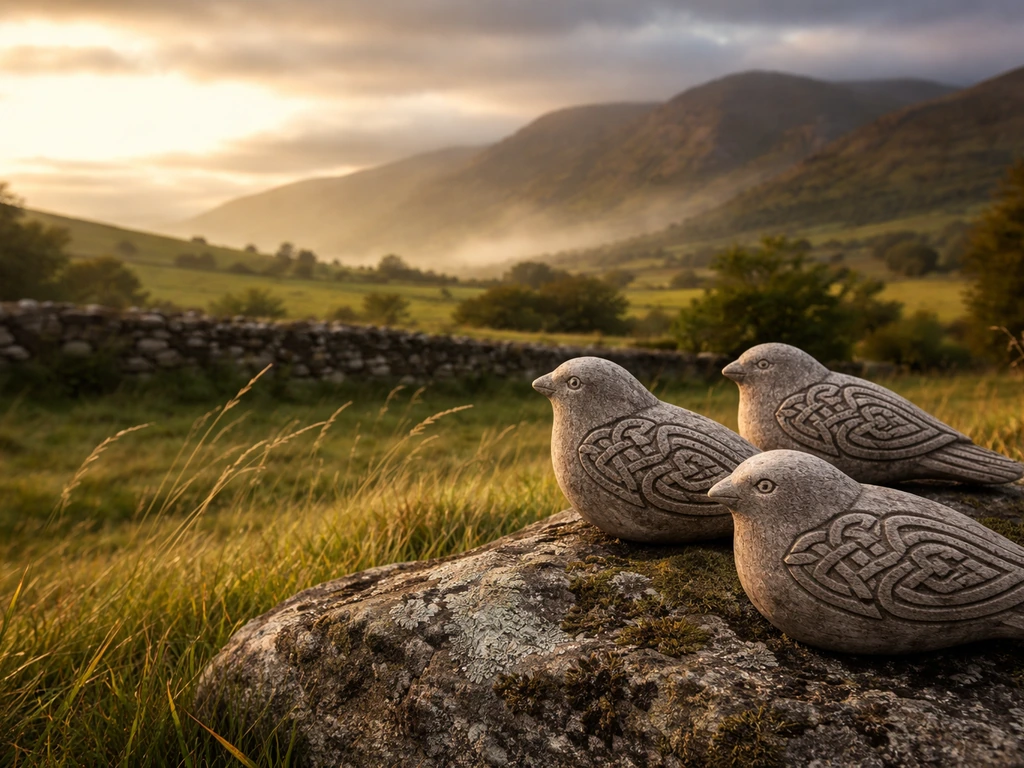
What 'Munster bird' usually means in everyday usage
In most online searches today, 'Munster bird' is not a fixed, named concept the way 'raven symbolism' or 'dove meaning' would be. It is a phrase people stumble on, usually because they found the words 'Munster' and 'bird' sitting close together in a source text, a historical document, a poem, or a folklore reference, and they want to know if there is deeper symbolism attached to it. The honest answer is that there often is not a standalone idiom called 'the Munster bird.' What exists instead is a rich tradition of birds appearing as metaphors and symbols in both Irish and German literature tied to places called Munster or Münster, and those usages can feel like a named concept even when they are not.
That said, birds do appear as powerful symbolic figures throughout Munster's Irish literary and historical tradition. Early medieval Irish texts, including historical chronicles of the Munster kingdom, use birds as metaphors for rulers, warriors, and fugitives. A chieftain described as 'a bird' in those texts means someone who is free, hunted, or spiritually significant, not a literal species. Early medieval Irish texts about the Munster kingdom also describe leaders metaphorically as birds, in the sort of narrative usage you would expect in political-historical writing from this period. If you found the phrase in an old Irish manuscript or a historical retelling of the province's political history, that metaphorical usage is almost certainly what you are looking at.
Munster vs Münster: how spelling changes the meaning

The spelling difference between 'Munster' and 'Münster' matters more than it might look. 'Munster' without the umlaut most commonly refers to the Irish province, a historical kingdom in southern Ireland that gave rise to dynasties like the Eóganacht and the Dál Cais. 'Münster' with the umlaut is the name of a German city in North Rhine-Westphalia, historically the capital of Westphalia, and its name traces back through German to the Latin word 'monastērium,' meaning monastery. So the word literally means 'the monastery place.' Both spellings get merged in English writing because the umlaut gets dropped, which means a 'bird of Münster' in a German religious or heraldic context and a 'bird of Munster' in an Irish folklore context are genuinely different references that can look identical on the page.
There are also several other places, sports teams, and organizations that carry the Munster name, so when you encounter 'Munster bird' in a modern context, the location clue in the surrounding text is everything. A 'Munster bird' in a European heraldry discussion is almost certainly pointing toward the German city or a regional coat of arms. The same phrase in an Irish mythology thread is pointing toward the province's symbolic tradition.
Regional folklore and cultural references tied to Munster
Irish Munster has a genuinely deep bird symbolism tradition. The province's mythology is populated with shapeshifting figures who take bird form, sovereignty goddesses who appear as crows or ravens, and heroes whose fates are tied to birds as omens. The crow and the raven, in particular, carry enormous symbolic weight in Munster's mythological inheritance, linking back to figures like the Morrigan and Badb, both of whom appear in crow or raven form in battle prophecy narratives tied to the region. A bird in these stories is rarely just a bird. It is a messenger, a portent, or a god in disguise.
In historical Munster texts from the 5th to 9th centuries, birds also appear as metaphors for political figures. A king described as 'the last bird' in a defeated territory is not being called an animal. He is being described as someone isolated, hunted, and clinging to survival the way a lone bird might. This metaphorical use of 'bird' as a symbol of freedom, fragility, or spiritual significance runs consistently through the region's early literature. If your source is from this period or a retelling of it, you are looking at a literary metaphor rather than a named creature with a fixed symbolic meaning.
On the German side, Münster's medieval Christian heritage means birds in its cultural texts often carry biblical or ecclesiastical symbolism. The dove as the Holy Spirit, the pelican as self-sacrifice, and the eagle as divine authority all appear in the religious art and manuscript tradition connected to the city. A 'bird of Münster' in that context would typically be read through a Christian symbolic lens rather than a pagan one.
Is 'Munster bird' used as slang or in idioms?
There is no widely documented idiom or slang phrase built around 'Munster bird' in English, Irish, or German. Unlike established bird-based idioms such as 'a bird in the hand' or 'the early bird,' 'Munster bird' does not appear in dictionaries of phrases or standard folklore collections as a fixed expression. If you have seen it used in a casual, conversational way online, it is most likely a regional colloquialism, a niche sports reference (Munster Rugby in Ireland has a devoted following and fan culture that generates its own slang), or a creative metaphor someone invented for a specific piece of writing.
In Irish English, 'bird' itself is sometimes slang for a girl or young woman, similar to its use in British English. 'A Munster bird' in that register would just mean a girl or woman from the Munster region, with no folkloric or symbolic weight at all. Context, tone, and the platform where you encountered the phrase will tell you quickly if that is the usage you are dealing with.
How to figure out exactly which 'Munster bird' you mean

The fastest way to nail down what your source is referring to is to work through a short checklist of questions about where you found it.
- Check the spelling: does the source use 'Munster' or 'Münster'? The umlaut points toward Germany; no umlaut more often points toward Ireland.
- Check the language and country of origin: an Irish text, a German text, and an English translation of either will carry different symbolic frameworks.
- Look at what the bird is doing in the text: is it a metaphor for a person, an omen of an event, a heraldic symbol, or literally a species being described? Those are four different conversations.
- Ask whether the phrase appears in a proverb, a story, a coat of arms, or casual speech: each context has its own interpretive tradition.
- Search the exact phrase in combination with the source material, for example 'Munster bird Irish mythology' or 'Münster bird heraldry,' to surface relevant scholarly or cultural discussions rather than generic results.
If the phrase appeared in a historical document about the Munster kingdom (particularly any text covering the period from roughly 450 to 800 AD), you are almost certainly dealing with a literary metaphor from early Irish political history. If it appeared in a religious or heraldic text from Germany, look up the coat of arms or iconography of Münster specifically. If you are really trying to interpret a separate “Mars bird” reference, the same approach applies, but you will want the specific mars bird meaning tied to that source. If it appeared in a forum, social media, or sports context, the Irish slang reading or a rugby fan reference is your best starting point.
Similar terms and likely mix-ups
A number of similarly structured 'X bird' searches share this kind of ambiguity, and 'Munster bird' is easy to confuse with some of them. The martlet, for instance, is a specific heraldic bird that appears across European coats of arms including those connected to regions near both Munster and Münster. If someone saw a heraldic bird described near a Munster reference, they may have been looking at a martlet without realizing it. The martlet is a legless bird in heraldry, symbolizing a younger son or perpetual wanderer, and it has its own well-established symbolic tradition.
The martin is another common mix-up. House martins and swallows are migratory birds with deep symbolic associations in European folklore, and they appear frequently in regional traditions tied to arrival, luck, and the seasons. In some parts of Ireland and Germany, the martin's arrival was considered an omen or blessing. If someone described a 'bird of Munster' in a seasonal or agricultural context, a martin or swallow is a plausible candidate for the actual species being referenced.
| Term | Most likely meaning | Key distinction |
|---|---|---|
| Munster bird (Irish context) | Metaphorical bird in early Irish political texts or mythology; symbolic crow/raven in sovereignty tradition | Look for Irish province, medieval texts, mythology |
| Munster bird (German context) | Bird symbolism in Münster's Christian art or heraldry | Look for umlaut, ecclesiastical or heraldic source |
| Martlet | Legless heraldic bird symbolizing perpetual motion or younger-son status | Appears in coats of arms, no real species equivalent |
| Martin bird | Real migratory species (house martin/swallow family) with luck and seasonal symbolism | Literal species with folklore attached |
| Munster bird (slang) | Irish English colloquialism for a girl/woman from Munster, or a Munster Rugby fan reference | Casual speech, social/sports context |
The broader takeaway is that 'Munster bird' is a phrase worth unpacking carefully rather than assuming a single fixed meaning. The site's coverage of bird symbolism in mythology, heraldry, and idiomatic usage touches on several of the threads that run through this term, from the martlet's heraldic tradition to the symbolic roles of martins and other birds in regional European folklore. Each of those adjacent topics can help you triangulate what a specific 'Munster bird' reference is really pointing at, once you know the language, the era, and the context of your source.
FAQ
If I saw “Munster bird” in a quotation, how can I confirm whether it is metaphor or a literal species?
Check whether the surrounding sentence treats the “bird” like a person or role, such as a ruler, fugitive, messenger, or omen. Metaphorical use usually includes political or spiritual descriptors, while literal species references usually name features like habitat, migration, or a specific recognizable type.
Does “Munster bird” always involve the Irish province of Munster, or could it refer to the German city Münster?
It can refer to either, because English drops the umlaut. If the surrounding content is about German religion, heraldry, or regional coats of arms, Münster is the more likely target. If it is about Irish kingship, early chronicles, or shapeshifting figures, Munster is more likely.
I only have the spelling “munster” and not “münster.” What should I do?
Treat it as ambiguous until you verify context. Look for language cues (German vs Irish/English with Irish references), time period cues (medieval Christian art vs early Irish chronicle era), and topic cues (heraldry and iconography vs sovereignty myths).
Could “a Munster bird” be Irish slang for a woman, and how do I tell?
Yes, it can. Slang usage typically appears in conversational or social contexts and is tied to tone like humor, familiarity, or description of a person, not omens, theology, or political history. If it reads like a metaphorical “portent,” it is unlikely to be slang.
What if my source mentions “Munster bird” alongside a known heraldic bird like the martlet or an eagle?
Then “Munster bird” may be a shorthand description for a specific heraldic type, not a unique creature with its own meaning. Compare the details to the heraldic bird’s standard traits, for example martlet is usually depicted without legs, pelican with self-sacrifice symbolism, and eagle with authority themes.
How can I tell whether the “bird of Münster” meaning should be read as Christian symbolism?
If the text is about church manuscripts, saints, religious manuscripts, or medieval Christian art, assume Christian symbolic frameworks. In those cases, the same species can carry different meanings depending on whether the author is using it as a biblical emblem, not as a regional myth character.
Could “Munster bird” be part of a “Mars bird” or similarly structured phrase mix-up?
Yes, these “X bird” searches are commonly confused. If the source mentions Mars or another anchor word, focus on the additional term first and then re-check the bird interpretation. Don’t reuse assumptions from “Munster bird” onto “Mars bird” without matching the exact source phrasing.
If the phrase appears in a modern sports or fan context, what is the most likely meaning?
In modern usage it is often a playful regional reference or niche fan slang rather than a folklore concept. The fastest check is whether the writing is about Munster Rugby, events, or team culture, with no historical or religious framing around symbolism.
What is the quickest way to avoid misinterpreting it in online posts?
Do a three-part check: (1) identify the country or language of the post, (2) identify whether it is discussing history, religion, or literature versus casual talk, and (3) look at the time period referenced. If you cannot match those cues, treat the meaning as unverified rather than assuming a single symbolism.
Next Articles
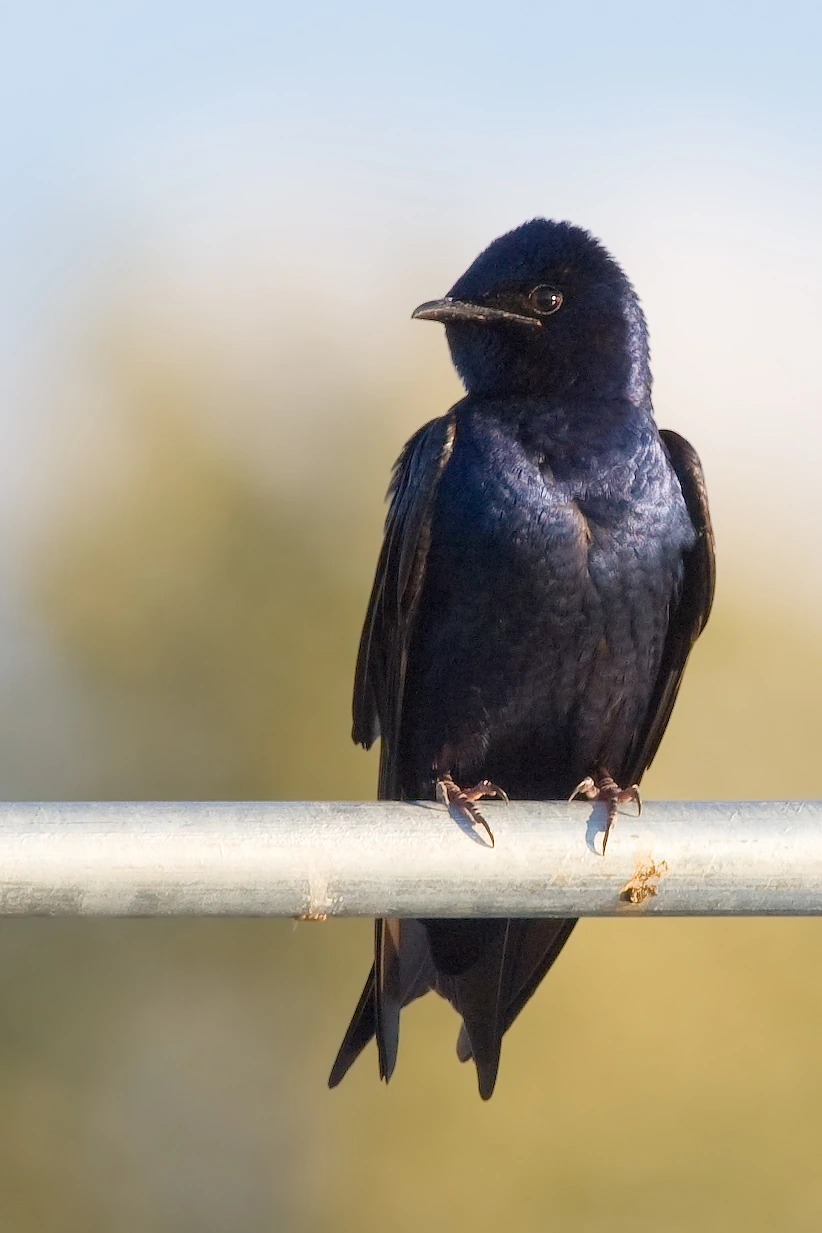
Martin Bird Meaning: Symbolism, Folklore, and Signs
Learn martin bird meaning with symbolism, folklore, and how to identify the right species for omens and dreams.
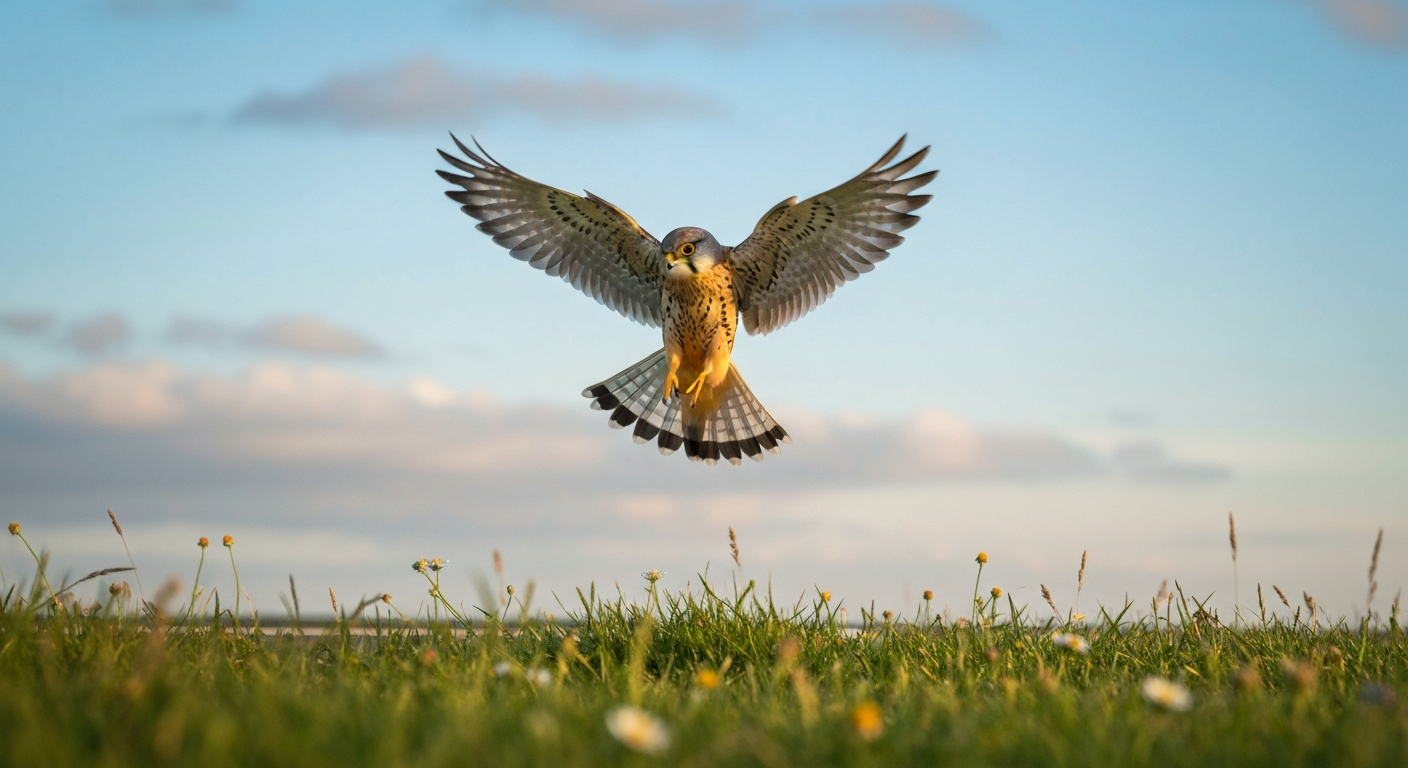
Hovering Bird of Prey Pass By You Meaning: Symbol, Safety & ID
Discover literal and symbolic meanings when a hovering bird of prey passes by you, behaviors, species, safety, and how to

Soaring Bird Meaning: Freedom, Hope, and Spiritual Symbolism
Decode soaring bird meaning in dreams, sightings, art, and everyday speech, with species-specific symbolism and grounded