
A bird without feathers almost always means one of two things: something real and biological (a sick, stressed, or plucked bird that has literally lost its feathers), or something figurative (a symbol of vulnerability, lost protection, incompleteness, or dreamlessness in a quote, idiom, dream, or piece of folklore). Which one you're dealing with depends entirely on where you encountered the phrase or image, and once you pin that down, the meaning becomes pretty clear.
Bird Without Feathers Meaning: Literal vs Symbolic Guide

Marcus Blackwell
7 Jul 2026
Literal vs. Figurative: What "Bird Without Feathers" Is Actually Referring To
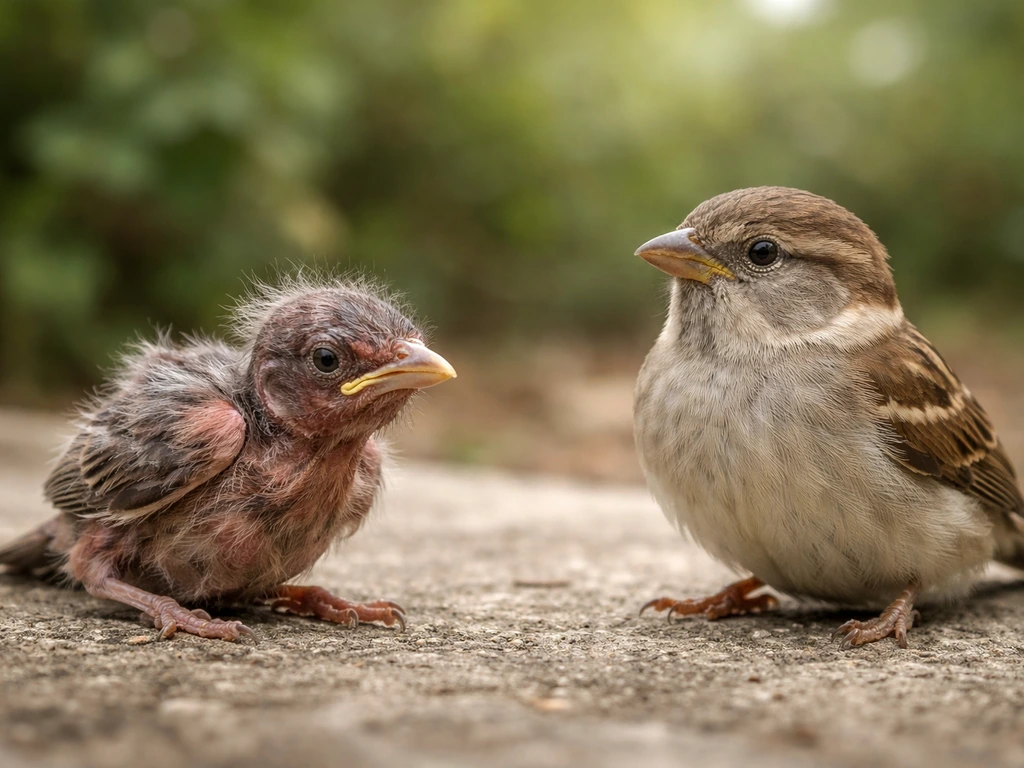
Let's get the literal side out of the way first, because it matters. If you're looking at an actual bird, a photo of one, or a veterinary context, a featherless bird is a bird in distress or one that has been prepared for food. Feather loss in live birds (called feather destructive behavior when self-inflicted) can come from medical causes like infections, including viruses such as psittacine beak and feather disease, skin inflammation, malnutrition, parasites like lice or feather mites, or from psychological stressors like boredom and anxiety. A bird plucking its own feathers down to bare skin is not behaving symbolically. It needs a vet. On the cooking side, Cambridge Dictionary defines "pluck" plainly as removing feathers from a chicken or bird so it can be cooked, so in a food context a "bird without feathers" is just dinner prep.
The figurative side is where most people searching this phrase are actually landing. If you found the phrase in a quote, a song lyric, a meme, a riddle, a dream, a spiritual community, or a piece of literature, you're dealing with symbolic language. The two worlds rarely overlap, so the first thing to ask yourself is: did I see a real bird, or words and images representing an idea? That single question solves about half the confusion immediately.
What a Featherless Bird Symbolizes Across Cultures
Feathers carry enormous symbolic weight in almost every human culture: protection, identity, status, spiritual connection, and the capacity for flight (which almost universally translates to freedom and transcendence). Strip those feathers away and you strip away everything they represent. That's why the image of a bird without feathers is such an effective and recurring symbol. It's not subtle, which is part of why it works.
Across Western and classical traditions, the featherless bird has been used to highlight exposure and incompleteness. One of the most famous philosophical uses comes from Plato, who reportedly defined humans as "featherless bipeds." When someone presented a plucked chicken in response, the joke cut precisely because it exposed the inadequacy of that definition. A featherless bird is technically correct but obviously wrong, something that looks right on paper but is missing the essential thing that makes it real.
In folk riddle traditions, featherless imagery appears as a puzzle device. A classic winter riddle describes snow as a "featherless bird" resting on a bare tree, melted by the sun. Here the featherlessness signals something that resembles a living creature but lacks the vital quality that makes it one. It's otherworldly, seasonal, impermanent.
In West African, Indigenous American, and East Asian symbolic traditions, feathers are closely tied to the spiritual world, shamanic identity, and divine connection. A bird that loses its feathers in these frameworks signals a severing of that connection, a loss of spiritual authority or access, or a figure caught between worlds. The molt, though, is also understood as a transitional state in many traditions, not a permanent condition. Birds regrow feathers, and that regenerative quality matters symbolically too.
Idioms, Folklore, and Slang Uses
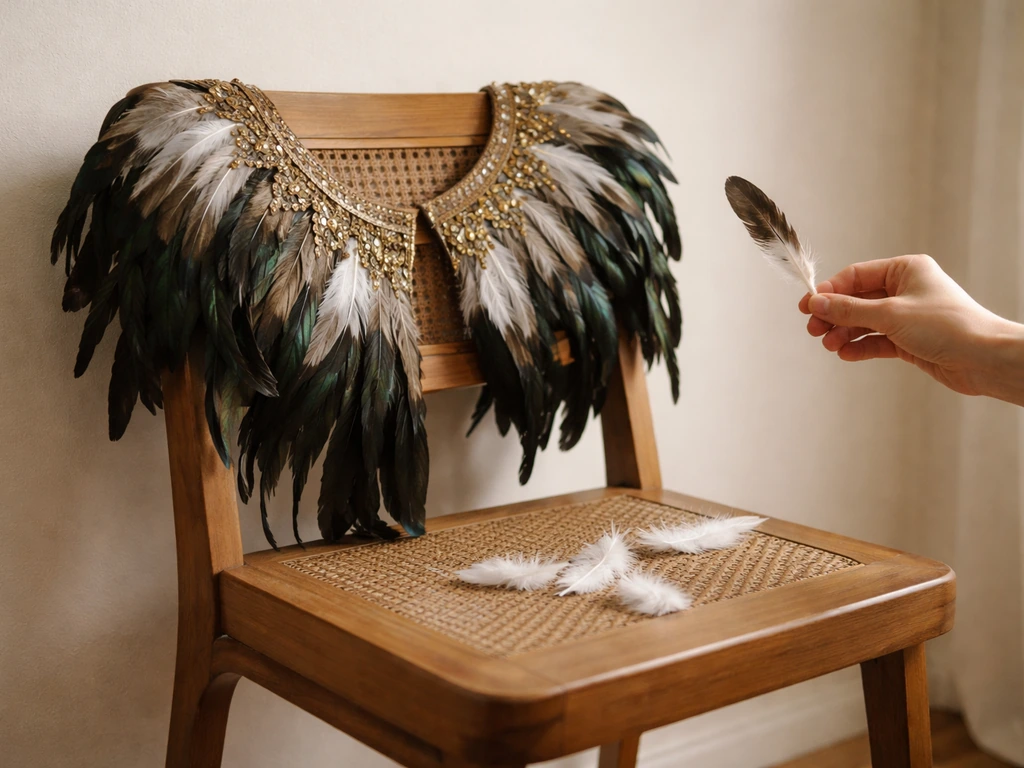
The most widely traveled idiom connected to this imagery is "strutting in borrowed plumes" or "dressed in borrowed feathers," which traces back directly to Aesop-style fable traditions. In the fable of the bird in borrowed feathers, a bare bird adorns itself with feathers taken from other birds to appear grand, only for the feathers to be stripped away when the deception is discovered. The moral is straightforward: pretension and borrowed status collapse under scrutiny. Real worth can't be faked with decoration. This phrase survives in modern English as a way to call out someone presenting an image or status that isn't authentically theirs.
The word "plucked" itself carries figurative weight beyond the literal act. Merriam-Webster tracks both the literal definition (removing feathers from a bird) and the figurative extension, where being "plucked" means being stripped of something, often suddenly. In slang, someone who has been financially cleaned out, publicly humiliated, or stripped of their position has been "plucked." The featherless bird is the image underneath that metaphor.
In motivational and inspirational language, a popular quote attributed to writer Suzy Kassem frames it directly: "A heart without dreams is like a bird without feathers." This usage is now widely circulated as a meme and social media caption. Here, feathers equal dreams, aspiration, and the capacity to rise. Without them, the bird (and the person) is grounded, inert, unable to do the thing it was built to do. A widely circulated quote attributes the line “A heart without dreams is like a bird without feathers” to Suzy Kassem’s “Rise Up and Salute the Sun,” using the imagery to frame dreamlessness figuratively rather than as a literal bird condition blank" rel="noopener noreferrer">Here, feathers equal dreams, aspiration, and the capacity to rise.. It's a tidy metaphor and one you'll encounter often in online spaces.
Spiritual and Occult Interpretations
In spiritual and metaphysical traditions, encountering the image or symbol of a featherless bird tends to be read as a message about your current inner state rather than a forecast of external events. The common interpretation threads are vulnerability, spiritual nakedness (being seen without your usual defenses), and transition. Just as a molting bird is temporarily without its full covering before new growth comes in, a featherless bird in spiritual symbolism can indicate a liminal phase: you've shed something old but haven't yet grown into the next version.
In dream symbolism, birds generally represent freedom, the soul, aspiration, and messages from the unconscious or the divine. A bird that appears stripped of its feathers in a dream is often interpreted as feeling exposed, grounded against your will, or lacking the resources (emotional, spiritual, practical) to fly toward something you want. Some practitioners in shamanic and Neo-Pagan traditions also read it as a signal to examine where you are performing a role rather than living authentically, echoing the borrowed-feathers fable.
It's worth noting that feather-finding traditions (finding a feather in your path as a sign or omen) are a separate but related practice in these communities, with their own interpretive frameworks based on species and color. Finding bird feathers meaning is a separate practice, with interpretations that vary by species and color. The symbolism there sits in a different register than the featherless bird, which is more about absence than presence.
In occult and divination traditions, bird observation has deep historical roots, from Roman augury reading bird flight patterns to alectryomancy, which involves a rooster pecking at grain as a divination method. In these contexts, the physical state of the bird sometimes carries significance, with a weakened or damaged bird read as an inauspicious sign. But it's important to note that these systems have highly specific rules and contexts; a bird image on your phone or in a dream doesn't map directly onto ancient augury without careful translation.
The Psychological and Personal-Life Reading
Outside of formal spiritual frameworks, the featherless bird lands as a powerful personal metaphor for vulnerability and identity loss. Feathers are armor, decoration, and identity all at once. They're what make a bird recognizable as the specific thing it is. When you imagine a bird stripped of that, you're imagining something that still exists but has lost what defined it and protected it.
This is why the image resonates in conversations about burnout, grief, loss of status, public embarrassment, or personal crisis. Someone who says they feel "like a bird without feathers" is describing a particular kind of exposure: not injured exactly, still alive, but temporarily unable to do the thing they were built for. If you mean the specifc phrase "fantail bird meaning," it points to the species symbolism and temperament more than the general featherless metaphor. It captures that in-between state better than most metaphors.
In Jungian and depth psychology approaches to dream imagery, the feelings associated with a symbol matter more than any standard dictionary definition. In particular, the fluffy bird meaning depends on whether it is being used literally, emotionally, or in a poetic quote. If you dreamed of a featherless bird and woke up feeling grief, that's different from waking up feeling relief or freedom. The singer Isabella Amarga uses the line "fly free like a bird without its feathers" as an image of liberation rather than loss, which shows that the same image can carry opposite emotional charges depending on context and the individual's relationship to it. Your gut response to the image is part of the data.
How to Figure Out What It Means in Your Specific Situation
Here's a practical checklist you can run through right now. The answers will point you directly to the right interpretation.
- Where did you see or hear it? A quote on social media almost always points to the Suzy Kassem dreams metaphor or something similar. A riddle format points to the folk-riddle tradition. A song lyric needs to be read in the context of that song's themes. A spiritual forum or dream group points to omens and inner-state symbolism. A veterinary article or bird photo points to the literal health context.
- Is there surrounding text or context? If the phrase appears in a sentence with words like 'dreams,' 'hope,' 'heart,' or 'soul,' you're in motivational metaphor territory. If it appears with words like 'freedom,' 'liberation,' or 'let go,' you're closer to the Amarga-style paradoxical reading. If the surrounding text is about illness, molting, or behavior, it's literal.
- What species or visual is attached? A generic bird silhouette suggests metaphor. An identifiable species (chicken, parrot, crow) may carry additional species-specific symbolism or point more clearly to the literal or fable tradition.
- What country or language tradition is the source from? European sources lean toward the Aesop/borrowed-feathers fable tradition. Indigenous or shamanic contexts carry different spiritual weightings. Classical sources may reference Plato's featherless biped.
- Is this from a dream? If so, note the emotional tone of the dream first, then layer in symbolic interpretation. Don't skip the emotional data in favor of a single fixed meaning.
- Is this from a spiritual or occult practice? If yes, ask which tradition specifically. Angelic communication traditions, shamanic traditions, and classical augury all read bird imagery differently and shouldn't be conflated.
- Does the image show a sick or distressed bird (real photograph or naturalistic illustration)? If yes, this is most likely a literal representation of feather loss from medical or behavioral causes, not a symbolic statement.
Common Misinterpretations and How to Check Your Reading
The most common mistake is jumping straight to spiritual omen without checking the source. A lot of "bird symbolism" content online blends multiple traditions without labeling them, so you might read that a featherless bird means imminent loss or a warning from the universe when the actual source is an inspirational quote about chasing your dreams. These are wildly different messages, and conflating them leads to unnecessary anxiety or just plain wrong interpretations.
A second common error is treating dream symbolism as universally fixed. Dream interpretation notes that blank" rel="noopener noreferrer">meanings can be subjective and vary across interpretive schools, which is why one-to-one dream meanings from “dictionaries” are not universally reliable. Sleep researchers and psychologists are clear that dream interpretation is a framework, not a science, and meaning varies enormously across individuals and cultural backgrounds. A Jungian analyst would spend time asking what the bird means to you specifically before assigning a universal label. If you read a dream dictionary that says "featherless bird in a dream means financial loss" with total confidence, treat that with healthy skepticism.
A third misread involves the spiritual feather-finding tradition. Finding feathers in your path carries its own interpretive practice in many communities, and people sometimes reverse-engineer that into "a bird without feathers must mean the opposite of good luck." But these are genuinely separate symbolic systems. The presence-of-a-feather tradition and the featherless-bird tradition don't simply invert each other.
| Context Where You Found It | Most Likely Meaning | How to Verify |
|---|---|---|
| Social media quote or meme | Motivational metaphor: dreams/hope/ambition | Search the quote source; likely Suzy Kassem or similar |
| Song lyrics | Personal/emotional metaphor set by the song's theme | Read full lyrics and artist notes for thematic framing |
| Folk riddle or puzzle format | Seasonal or nature imagery; folk literature device | Look for the snow/tree/sun structure of the classic riddle |
| Dream | Inner-state symbol tied to your emotional response | Note feelings first; use personal associations before any dictionary |
| Spiritual or shamanic community | Transition, vulnerability, or spiritual exposure | Ask which tradition specifically; don't blend frameworks |
| Veterinary or pet care context | Literal feather loss from illness, stress, or parasites | Consult a vet; this is a medical issue, not a symbol |
| Classical or philosophical reference | Plato's featherless biped; human definition debate | Look for featherless biped or Greek philosophy context |
| Fable or literature | Pretension, borrowed identity, authenticity vs. performance | Check for the borrowed-feathers fable structure |
The most reliable validation method is always tracing the source. Find where the phrase originated in your specific encounter, identify the tradition or genre it belongs to, and then apply the interpretive framework that tradition uses rather than a generic one. Birds carry different meanings in different symbolic languages, and the same image of a bird without feathers genuinely means something different in a Suzy Kassem quote, a shamanic dream, an Aesop fable, and a parrot owner's veterinary concern. Getting to the source first saves you from reading the wrong map entirely.
If you're exploring adjacent symbolism, the broader world of feather meanings is worth understanding alongside this. The symbolic weight attached to feathers themselves (their presence, their discovery, their abundance or rarity) gives the featherless state its power. A bird described as many-feathered or particularly fluffy carries the opposite symbolic charge: richness, protection, warmth, spiritual fullness. The phrase many feathered bird meaning is essentially about how abundance of feathers can symbolize richness, protection, and spiritual fullness many-feathered or particularly fluffy. Understanding what feathers represent makes the absence of them land much harder.
FAQ
How can I tell if “bird without feathers” is a motivational quote versus a spiritual warning?
If you saw the phrase as text on social media or in a caption, it is most often being used as a motivational metaphor (feathers equaling dreams or aspiration), not as a forecast. A clue is whether the post mentions the heart, dreams, rising, or personal growth (versus warning language like danger or imminent loss).
What if I read an online dream dictionary for this symbol, but my dream felt different?
Treat “dream dictionary” results as starting points, not answers. A practical way to decide is to list the emotion you felt right after waking (fear, grief, relief, numbness) and then match that to the likely theme (exposure, transition, groundedness, liberation) rather than to a fixed keyword like “financial loss.”
Can “bird without feathers” mean something positive in a dream, not just loss?
It usually depends on whether it is the image of a featherless bird itself, or the emotional message around it. If you feel emotionally “unarmored” or stripped in the dream, the meaning trends toward vulnerability or identity disruption, while if you feel lighter or empowered, the same image can be read as shedding limitations (a liberation framing).
If I encountered it in a riddle or poem, does it still mean vulnerability or spiritual severing?
Yes, especially when the source is a riddle, poem, or seasonal folklore. In puzzle-style contexts, featherlessness can signal “lifelike appearance without the vital feature” (such as snow that looks like it could rest like an animal but is actually impermanent and melting).
If I saw a featherless bird in real life, should I assume the meaning is spiritual?
Not automatically. If you are seeing feather loss in a real bird, the priority is health and environment (stress, nutrition, parasites, skin conditions). Symbolic interpretations only apply to art or language, not to the bird’s welfare, and “no feathers” can indicate an urgent veterinary issue.
Is it possible the meaning is both personal reflection and practical advice?
Sometimes it is both, but with a clear boundary. For example, a spiritual book may use the image as a personal reflection (a liminal or transitional state) while also encouraging practical change, like addressing emotional stress or rebuilding routines. If the text is giving actionable steps, read it as a personal-work prompt rather than a literal prophecy.
Does “bird without feathers” mean the opposite of “borrowed feathers”?
Be careful with “opposites.” The phrase about “borrowed feathers” points to pretension and borrowed status collapsing. It does not reliably invert into “featherless equals good luck,” because the two ideas come from different symbolic mechanisms (deception exposure versus vulnerability or incompleteness).
What wording around the phrase changes the meaning the most?
If the phrase is used alongside words like heart, dreams, or fly, it is usually functioning as a complete metaphor unit, feathers meaning the ability to pursue or rise. If the phrase appears alone without those cues, you still need the surrounding context to avoid forcing an interpretation.
In spiritual or psychological readings, do I assume the bird is me?
For symbolic interpretations, ask whether the “bird” represents you, someone else, or a universal state. “You are the bird” supports a self-reflection reading (vulnerability or transition), while “someone else is the bird” can indicate public embarrassment or a lost role or identity for that person.
How do I decide whether the symbol is about absence or about being stripped away?
A useful check is to identify whether feathers are treated as an absence (lack of protection, groundedness) or as a removable status (stripped, plucked, taken away). Absence-based uses lean toward exposure or incompleteness, while removal-based uses lean toward sudden loss, humiliation, or disruption.
Next Articles
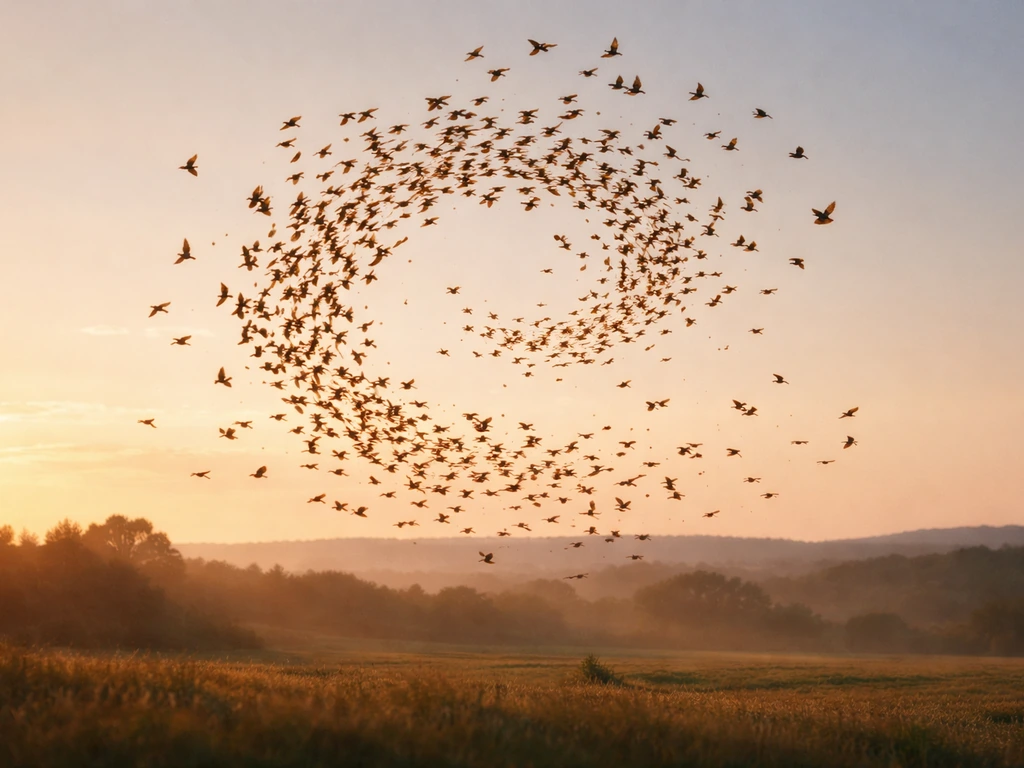
Many Feathered Bird Meaning: Symbolism, Dreams, Signs
Disambiguate many feathered bird meaning in folklore, dreams, and signs using species, behavior, and your emotions
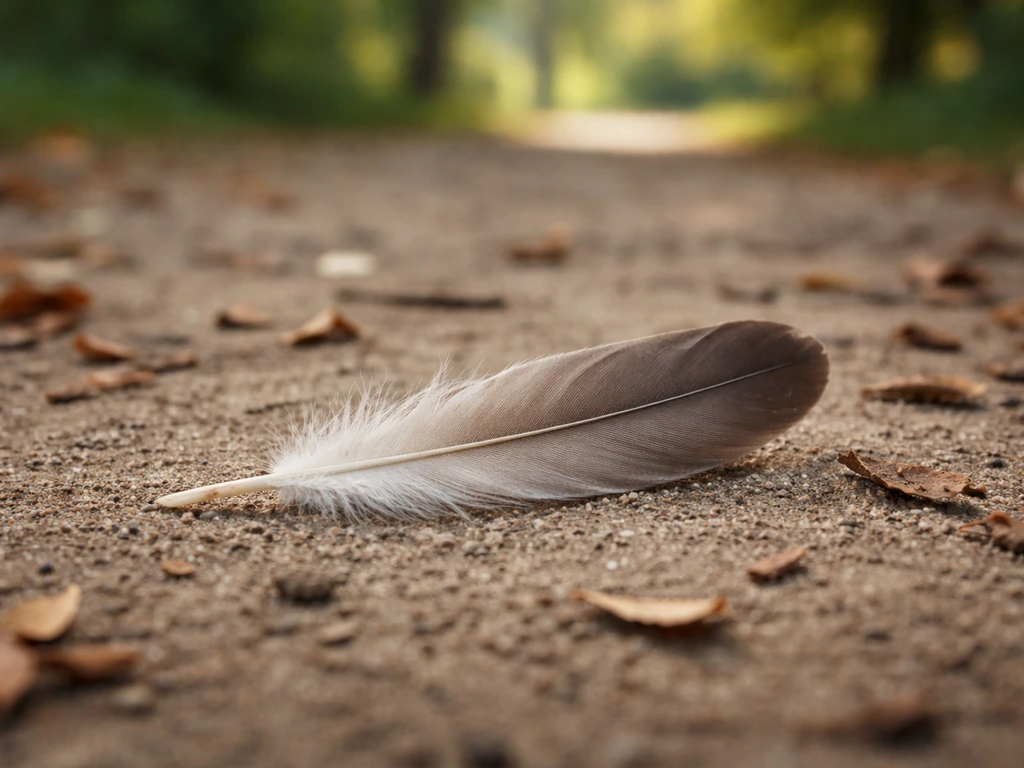
Finding Bird Feathers Meaning: Identify and Interpret Symbolism
Checklist to identify found bird feathers and interpret likely symbolism in culture, folklore, and personal context.
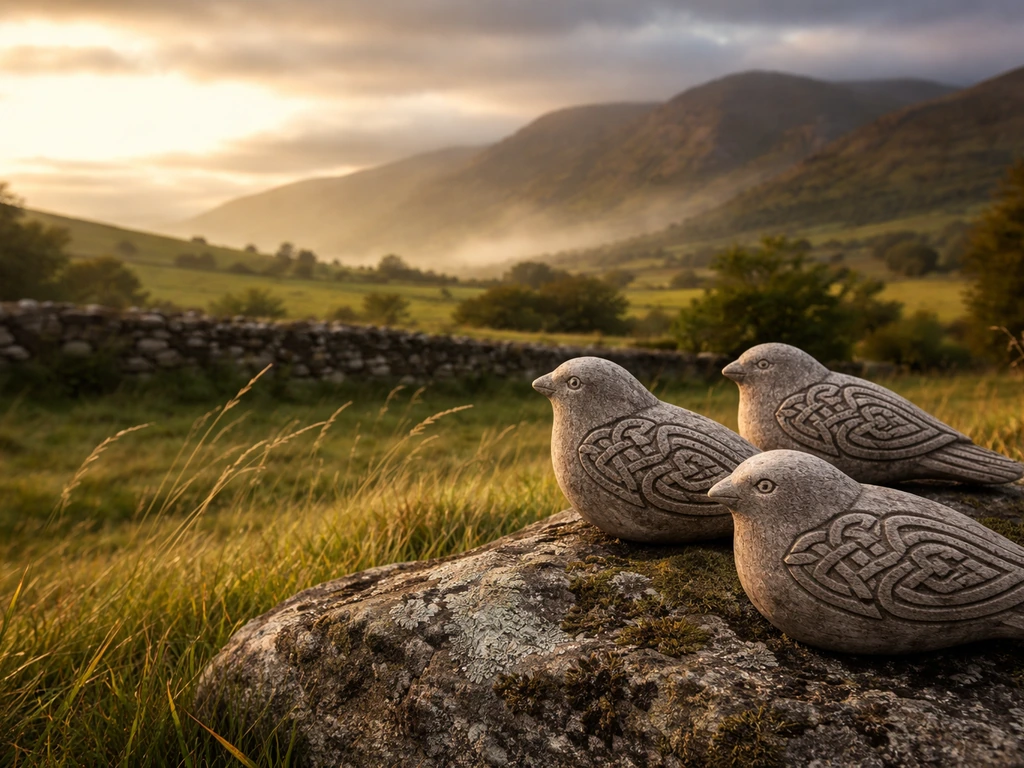
Munster Bird Meaning: Folklore, Symbolism, and How to Verify
Meaning of Munster bird searches: folklore, symbolism, idioms, spelling variants, and quick ways to verify the reference