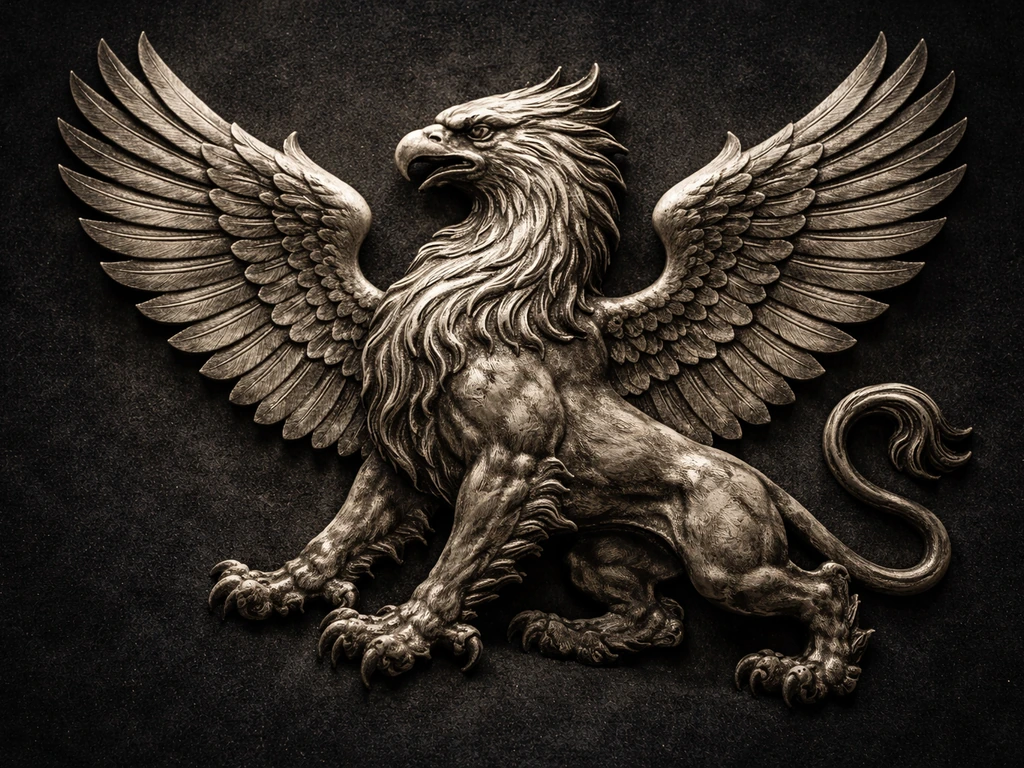
The griffin is not technically a bird, but it is half bird, and that eagle half is exactly why people land on searches like 'griffin bird meaning.' The griffin is a mythological composite creature with the body, hind legs, and tail of a lion and the head, wings, and forelegs of an eagle. That makes it simultaneously a sky creature and an earth creature, and most of its symbolic weight flows directly from that duality. The most reliable meanings tied to the griffin are strength and guardianship, courage and vigilance, and a kind of dual mastery over both the physical and the elevated, the earthly and the divine.
Griffin Bird Meaning: Symbolism, Origins, and How to Interpret

Marcus Blackwell
18 May 2026
What 'griffin bird' actually means (and why people call it that)
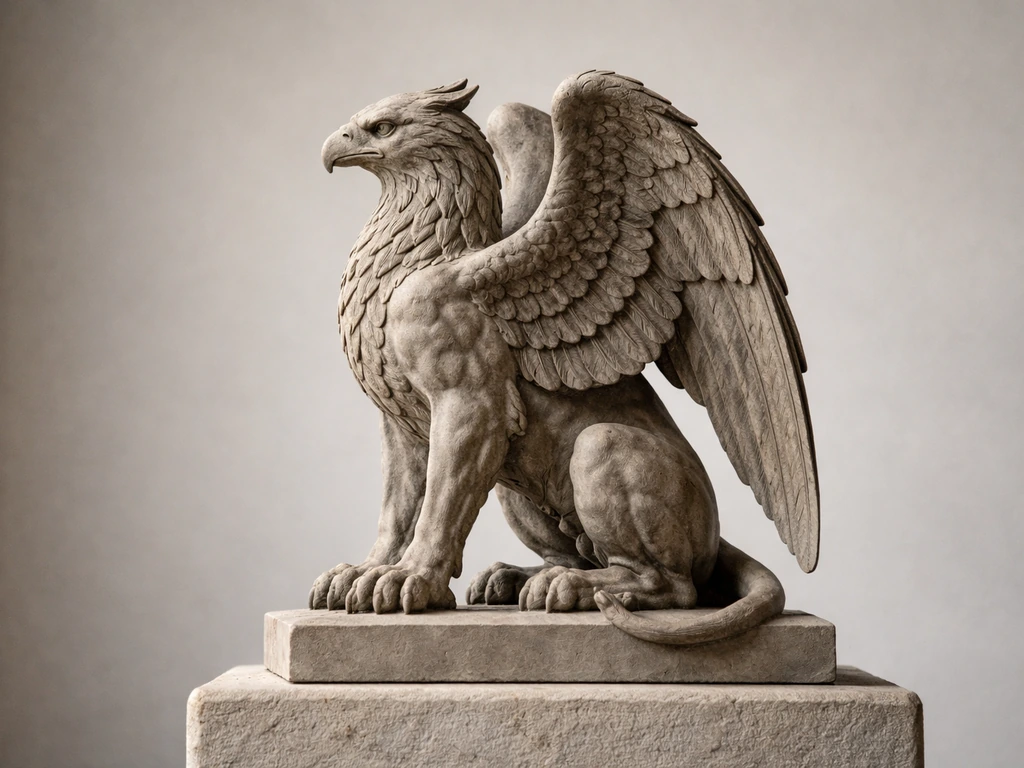
The griffin gets lumped into 'bird' searches because roughly half of it is avian. Merriam-Webster defines it as having 'the head, forepart, and wings of an eagle and the body, hind legs, and tail of a lion.' The Oxford Learner's Dictionary echoes that exactly. So when someone pictures a griffin, they see a beaked, winged, taloned creature that looks like a very large, very fierce bird of prey from the front. The lion half is often less visually dominant, especially in sculptures and crests where the creature is shown rearing up on its hind legs. blank" rel="noopener noreferrer">That posture, called 'segreant' in heraldry), emphasizes the eagle features and probably contributes to the 'bird' framing in everyday searches.
The creature also gets confused with other winged creatures in the same mythological neighborhood. A hippogriff, for example, takes its name from the Italian word for griffin ('grifo') and combines horse and griffin traits. A hippogriff, for example, takes its name from the blank" rel="noopener noreferrer">Italian word for griffin (grifo) and combines horse and griffin traits, which helps explain how closely related names can be confused. Neither is a straight-up bird, but both get folded into 'bird meaning' searches because of their wings. If you were actually looking for a purely avian symbol, a majestic bird or a crested bird would be a cleaner fit, but the griffin's eagle component gives it a genuine claim to bird symbolism territory. If you meant a crested bird instead of the griffin, the crested bird meaning is about the specific look and symbolism of that crown-like feature. If you are using those “majestic bird” keywords instead, you will want to compare this idea with the general majestic bird meaning too.
The symbolic traits most reliably tied to griffins
Because the griffin combines the two creatures historically considered the kings of their respective domains (eagle over sky, lion over land), its core symbolism has always centered on power and mastery. Encyclopedia.com summarizes it neatly: the griffin represented 'mastery of the sky and the earth.' That dual dominion reading is consistent across sources and traditions, which makes it the most reliable baseline meaning when you encounter a griffin symbol without other context.
From that foundation, a cluster of secondary meanings branches out. Heraldic tradition, which codified griffin symbolism more formally than almost any other source, consistently attributes the following traits to the griffin:
- Courage and military strength (the lion side)
- Vigilance and keen perception (the eagle side)
- Guardianship and protection, especially of sacred spaces or valuables
- Noble authority and leadership
- A combination of earthly power and spiritual or celestial awareness
Guardianship is especially worth noting because it comes up in nearly every cultural tradition that used the griffin as a symbol. The creature was not just powerful, it was specifically powerful in service of protecting something. That protective, watchful quality is probably the single most consistent symbolic thread across mythology, heraldry, and modern usage.
Where griffins come from: cultural and religious folklore
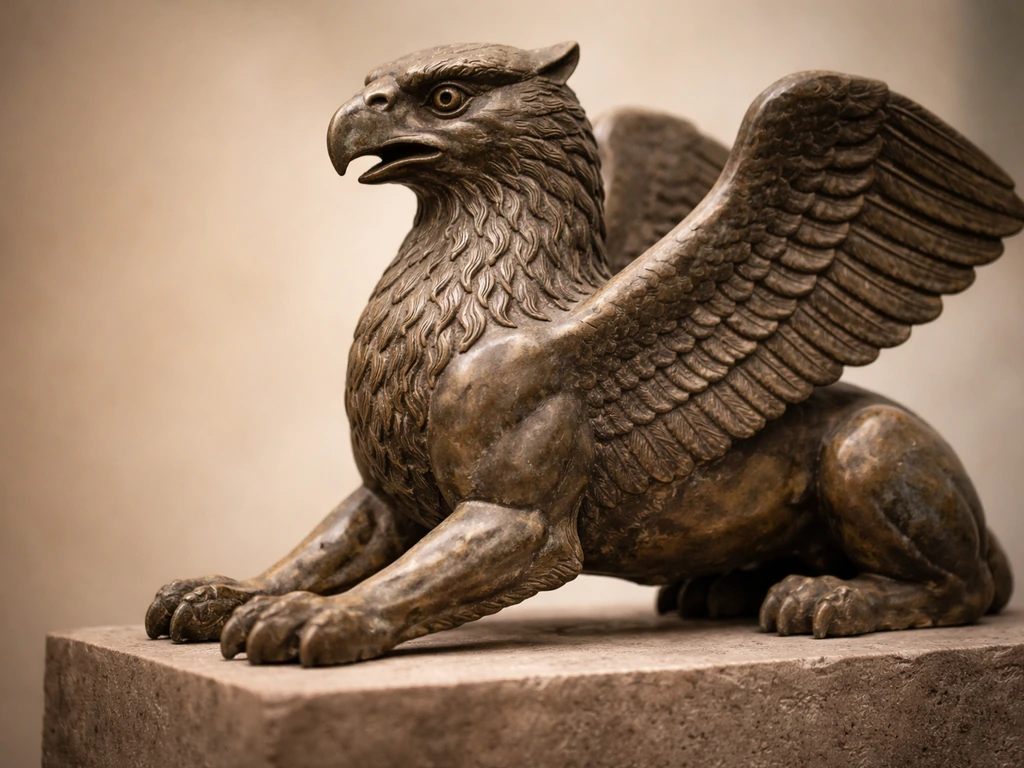
The griffin's origins are older than Greece. Princeton University's art collection includes Near Eastern griffin artifacts that predate the classical Greek versions, and scholarship published in the journal Hesperia traced the griffin motif entering Greek art through an 'orientalizing' process, meaning Greek artists absorbed the lion-eagle hybrid iconography from Near Eastern sources rather than inventing it independently. So when you trace the griffin back far enough, you find a regional visual tradition from the ancient Near East that spread westward and got layered with new meanings along the way.
In Iranian tradition, the lion-eagle hybrid creature known as the Shihrdal served as a potent guardian figure, specifically associated with protecting treasures, gold mines, and sacred spaces from evil or demonic forces. That guardian-of-treasure reading is one of the most ancient symbolic uses of the creature type and shows up again and again across cultures.
In medieval Christian Europe, griffins took on a theological dimension. Some medieval commentators associated the griffin with Christ, pointing to the dual nature: eagle representing divinity, lion representing humanity. The creature also appeared in ecclesiastical art and vestments, particularly in the high medieval period, where its protective symbolism translated naturally into a guardian-of-the-sacred role. The Metropolitan Museum's material on medieval art places griffins directly in this iconographic tradition.
In ancient and classical sources, griffins were frequently positioned as guardians of gold and precious things. The eagle element connected them to the sun and to divine sight; the lion element connected them to royal authority and terrestrial power. That pairing made the griffin an ideal symbolic choice for any institution or person wanting to project both strength and wisdom.
Griffin in language: idioms, metaphor, and everyday references
The griffin does not have the same dense idiomatic life as creatures like the raven or the magpie, which have worked their way into common proverbs and slang across many languages. If you are asking about a different “bird meaning” like the magpie, that symbolism is usually interpreted through its own cultural associations rather than the griffin’s composite traits magpie bird meaning. But it does function as a metaphor in figurative language, usually in ways that draw on its composite power. The Cambridge English Dictionary offers an example where 'griffin' is used as a vivid metaphor for 'burning ambition,' which tracks with the creature's symbolic associations: something that reaches for both earthly dominance and celestial heights simultaneously.
In older British and naval tradition, 'griffin' (sometimes spelled 'griff' or 'griffon') was used informally to mean a newcomer or fresh arrival, especially someone newly posted to a foreign station. The idea was roughly that the newcomer was naive but would grow into strength, a nod to the creature's eventual ferocity. In contemporary usage that meaning is mostly archaic, but it shows how the griffin's identity could be repurposed as a character metaphor beyond pure strength imagery.
The griffin also appears regularly as a proper noun in institutional naming: ships named HMS Griffin by the Royal Navy (where the name choice was explicitly tied to the legendary creature), companies using Griffin as a brand name, and universities using it as a mascot. William & Mary officially adopted the Griffin as its mascot, describing it as 'a mythical creature with the head of an eagle and body of a lion.' These institutional uses are worth flagging because they represent a different kind of meaning, branding identity rather than mythological symbolism, and a significant chunk of 'griffin meaning' searches are probably asking about one of these contexts.
Griffin in art, heraldry, and modern branding
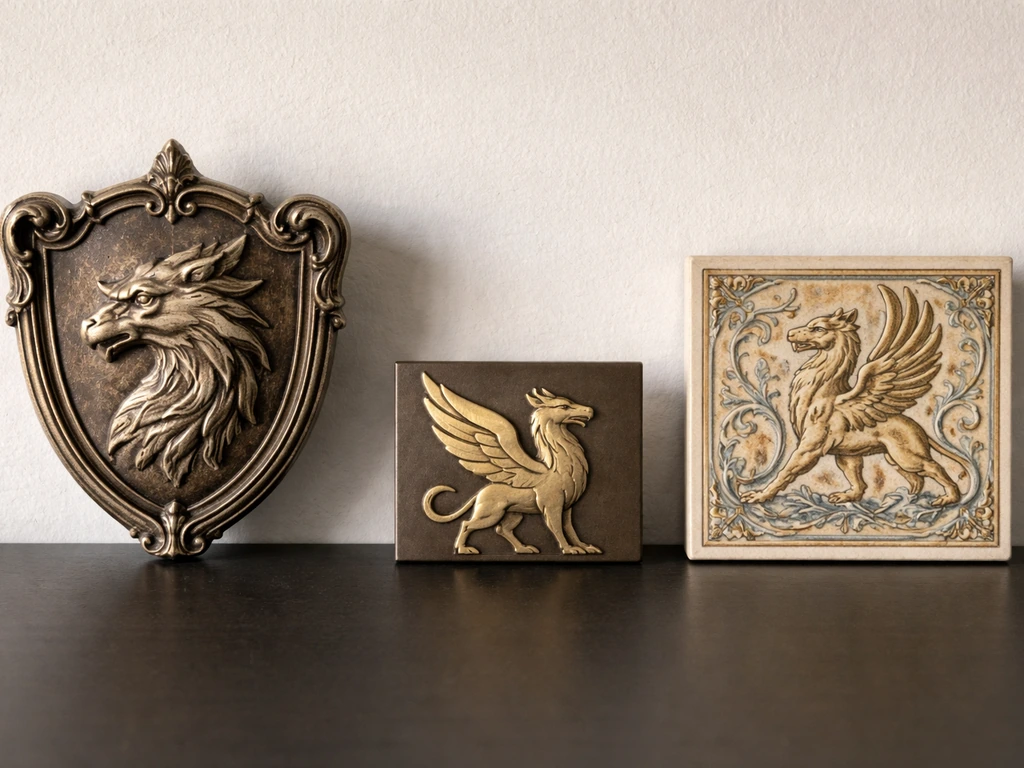
Heraldry is where griffin symbolism got its most systematic treatment. In heraldic tradition, the griffin appears as a 'charge' (a symbol placed on a coat of arms), and the specific posture matters for interpretation. The standard heraldic griffin is shown 'segreant,' meaning rearing up on its hind legs with wings displayed, which is roughly equivalent to the lion's 'rampant' position. This posture emphasizes alertness and readiness rather than passive nobility. A griffin in heraldry is typically read as representing courage, vigilance, military strength, and guardianship, and it was a common choice for noble families, military orders, and civic institutions wanting to project those qualities.
In visual art beyond heraldry, griffins appear across Greek, Roman, Byzantine, and medieval European traditions. The iconography is fairly stable: winged, eagle-headed, lion-bodied, often flanking an entrance or guarding a sacred object. That compositional choice, placing griffins as sentinels at thresholds, reinforces the guardianship reading more than any text-based source could.
Modern branding leans heavily on the strength and authority dimensions. Griffin is used as a name for sports teams, universities, financial services, and technology companies, almost always to signal power, reliability, or a blend of agility and force. The William & Mary Griffin mascot was formally adopted in 2018 and uses the composite creature specifically to represent the institution's dual identity (the eagle's intellectual aspiration, the lion's strength). Canisius University's Golden Griffin mascot draws on similar logic. When you see 'griffin' in a modern brand context, the symbolism is usually a conscious choice to invoke that dual-dominion reading, even if the branding team never used those exact words.
How to read a griffin symbol in your personal life
Whether you are interpreting a griffin in a dream, considering it as a tattoo, or trying to understand a griffin figure you keep encountering in art or decor, the same basic interpretive framework applies: start with the most reliable symbolic core (guardianship, dual strength, mastery of both planes) and then narrow based on context.
Griffin in dreams
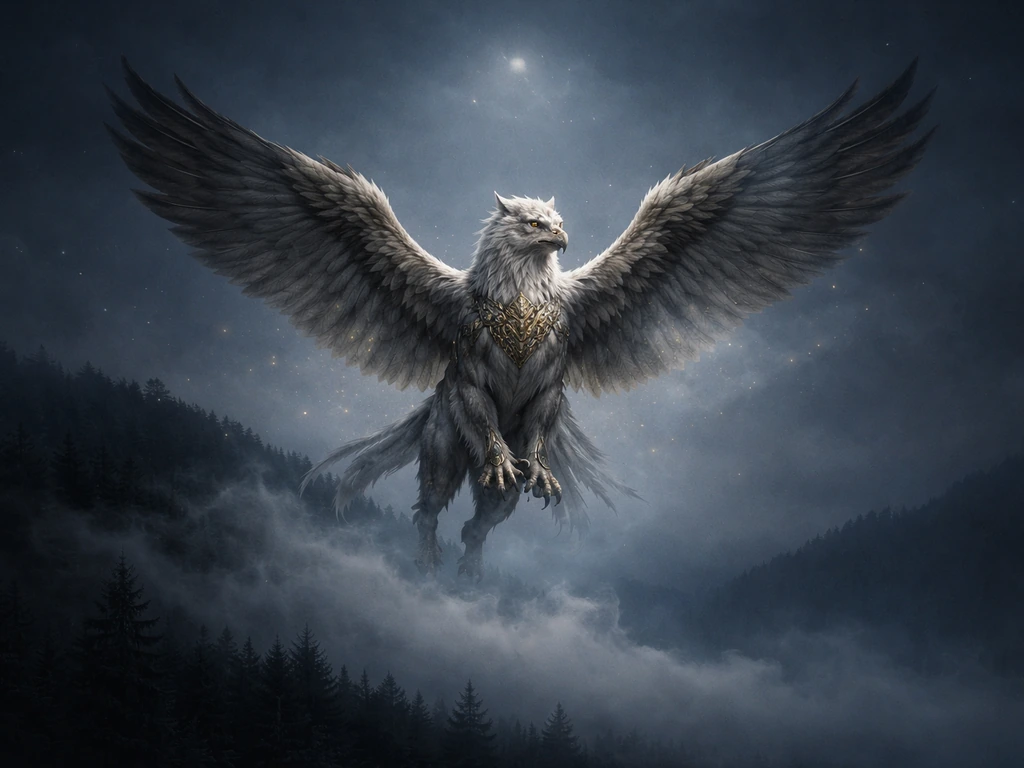
Dream interpretation is the area where you need the most caution. Generic dream dictionaries give wildly inconsistent readings for griffin imagery, ranging from protection and safety to authoritarian figures to spiritual challenge. Modern dream sites will tell you something confident and specific, but that confidence is not backed by consistent tradition. The more grounded approach, aligned with Jungian frameworks taught in academic settings, is to treat the griffin's dream appearance as context-dependent. Ask yourself what the griffin was doing in the dream, how you felt about it, and what role it played (threat, guide, symbol, obstacle). The creature's composite nature suggests themes of reconciling opposing forces or integrating different aspects of power, but that reading only holds if it resonates with your actual dream experience.
Griffin as a tattoo
For tattoos, the griffin is a strong and visually versatile choice. People typically get griffin tattoos to represent personal strength, a protective instinct (either feeling protected or wanting to project protection), courage, or a dual identity. The heraldic tradition gives you a lot of ready-made visual language to work with: a segreant griffin (rearing, wings spread) reads as active and assertive; a griffin in a more resting or flanking pose reads as watchful and steady. If you want to embed specific meaning, consider what posture and context match the intention, whether the emphasis is on the eagle qualities (vision, elevation, spiritual reach) or the lion qualities (earthly power, loyalty, ferocity).
Griffin figures in art or objects you own
If you found or inherited a griffin figure, or keep noticing griffin motifs in architecture and decoration, the most common interpretation is simply protective or noble symbolism. Griffins were popular decorative choices for institutional buildings, doorways, and crests precisely because they projected the guardian-of-this-space meaning without needing explanation. A griffin on a building entrance almost certainly means the architect or commissioner wanted to signal authority and protection. A griffin on a family crest traditionally indicated military valor, vigilance, and noble lineage. Neither meaning is esoteric, and both are well-grounded historically.
Quick checklist for interpreting a griffin symbol

- Identify the posture: rearing and wings spread (active, assertive) or resting and watchful (protective, steady)?
- Note the context: heraldic crest, architectural guardian, dream, tattoo, or brand?
- Check for additional symbols nearby: treasure, doorway, or sacred object suggests the guardianship reading; a crown or scepter suggests the authority reading.
- Consider the tradition: Near Eastern origin points to treasure-guardianship; medieval European points to courage and noble authority; Christian medieval art points to dual-nature (divine and earthly) symbolism.
- For personal symbols (tattoo or dream), ask which half of the griffin resonates more for you, the eagle's sky-oriented qualities or the lion's earth-bound ones, and let that guide the meaning rather than a fixed definition.
Clearing up griffin confusion: what else could this be?
The word 'griffin' creates genuine search disambiguation problems, and it is worth knowing the main alternatives before you settle on a mythological reading. If you are actually trying to interpret a different bird entirely, you may want to look up the grackle bird meaning for that species instead of the mythological griffin.
| What you might mean | What 'griffin' refers to | Key distinction |
|---|---|---|
| Mythological creature | Eagle head/wings + lion body hybrid | The primary and oldest meaning; source of all symbolic interpretations |
| Heraldic charge | A griffin on a coat of arms, usually segreant | Same creature, but posture and context determine the specific symbolic reading |
| University mascot | William & Mary Tribe, Canisius Golden Griffin, and others | Branding use; draws on the myth but meaning is institutional identity, not mythology |
| A hippogriff | Horse + griffin hybrid from Italian Renaissance literature | A separate creature derived from the griffin; not the same symbol |
| A ship or brand name | HMS Griffin, Griffin company name, etc. | Naming tradition, not symbolism; the name was chosen for its connotations but the object itself is not a symbol |
| A person's name | Griffin as a given name or surname | No symbolic content; this is etymological territory, not iconographic |
The spelling variation is also worth flagging. Griffin, gryphon, and griffon are all used for the same creature. Gryphon is the older Greek-derived spelling; griffin is the most common modern English form; griffon is used in some heraldic contexts and also for a breed of dog and a type of vulture, which adds another layer of confusion for bird-specific searches. If you see 'griffon vulture,' that is an actual bird (a large Old World vulture) and has no mythological connection to the lion-eagle hybrid. The name similarity is purely linguistic. For a deeper look at birds with crown-like features or other majestic bird symbolism, those are distinct symbolic traditions that occasionally get conflated with the griffin's avian qualities. If you are using similar bird-reference search terms, the African ceiling bird meaning is a helpful related option to check next. Birds with crown-like features can have their own distinct meanings that are sometimes confused with griffins.
The most reliable rule: if the griffin in your context has both wings and a lion's body, you are in mythological territory and the core meanings above apply. If it only has wings or only has eagle features, you may be looking at a different creature entirely, or an artistic shorthand that dropped part of the composite.
What to trust vs. what to take with caution
The most reliable griffin meanings, grounded in consistent historical and cross-cultural evidence, are: guardianship and protection, dual mastery (sky and earth, divine and earthly), courage and military strength, vigilance, and noble authority. These show up in Near Eastern iconography, classical mythology, medieval heraldry, and Christian art, which means they are not one tradition's invention but a recurring human reading of what the composite creature represents.
The more speculative readings, which you should hold loosely, include specific dream interpretations tied to emotional states, spiritual meanings that depend heavily on a single tradition's framework, and any claim that the griffin specifically represents a particular life event or personal message. Those readings are not wrong exactly, but they are products of modern symbolism writing rather than deep historical grounding. Use them as starting points for personal reflection, not as fixed definitions.
If you are still narrowing down what your specific griffin encounter means, the next step is always context first: Where did you see it? What was it doing? What surrounded it? Answer those questions and the reliable symbolic core (guardian, powerful, dual-natured) will almost always give you a meaning that holds up.
FAQ
How can I tell if the image I’m seeing is truly a griffin and not a related winged creature?
It depends on whether you are seeing a full composite creature. If the image includes lion body with eagle head, wings, and talons, it is fair to use the griffin meanings (guardianship, courage, dual mastery). If the artwork only shows a bird, or it is a simplified “winged beast” without clear lion-eagle traits, you may be looking at an artistic shorthand or a different mythological hybrid, where the symbolism can shift.
What if I’m seeing “Griffin” in a school, team, or business logo, not in art or mythology?
Often, the “bird meaning” searches are really about branding or naming. If you saw “Griffin” on a ship, university, sports team, school, or company crest, the intended message is usually identity and values (strength, reliability, authority) rather than a strict mythological reading. Check whether the context is a mascot or institutional logo, and treat it as modern symbolic branding.
Does a griffin’s pose or posture change what it means (especially for tattoos or coats of arms)?
Yes. In heraldry, posture is one of the fastest ways to refine meaning. A segreant griffin (rearing with wings displayed) reads as active, alert, and ready for action, which pushes the courage and vigilance end of the spectrum. A more resting or flanking depiction tends to feel watchful and protective rather than aggressively engaged.
For a griffin in architecture or decor, how does location (entrance, doorway, inside a room) affect the interpretation?
If the griffin is used as a guardian at a gate, doorway, or entrance, it typically points to protection of a boundary, sacred space, or property. If it is positioned beside a treasure, vault, or object, the gold-and-wealth guardian reading becomes more likely. Placement matters because it signals what the griffin is “standing guard” for.
How should I interpret a griffin in a dream without getting a misleading “one-size-fits-all” meaning?
Many people overread dream dictionaries, because they can assign fixed meanings that do not match consistent tradition. A more reliable approach is to anchor the dream meaning to your specific emotions and the griffin’s role (attacker, protector, guide, or obstacle). If you felt safe or protected, guardianship is the strongest fit, while threat can flip the focus toward vigilance or confrontation.
Why do search results change when I use griffin vs. gryphon vs. griffon?
Spelling affects search results but not the creature’s core symbolism. Griffin, gryphon, and griffon generally refer to the same lion-eagle hybrid, but “griffon” can also appear in contexts unrelated to the myth, like a dog breed or an actual vulture. If you are seeing “griffon” paired with vulture or dog terms, switch to the correct subject before applying any myth-based meanings.
Can a griffin have a specific personal meaning for me, or is that too speculative?
The “griffin as a personal message” meaning is usually the most speculative. If you want to use it constructively, treat it as a prompt rather than a fixed prophecy, for example “Where in my life do I need protection, assertiveness, or integration of opposing forces?” If your tattoo, art, or encounter includes extra symbols (cross, crown, gold, weapon), those extra elements can legitimately narrow the interpretation.
If I’m getting a griffin tattoo, how do I select a design that matches what I want it to represent?
If you are choosing a tattoo design with intent, start with which aspect you want to emphasize: eagle qualities (vision, elevation, spiritual reach) or lion qualities (earthly strength, loyalty, ferocity). Then choose a composition that matches, such as wings spread for assertiveness or a flanking stance for steady protection. This avoids relying on generic “strength” alone.
What should I do if my griffin search results are mixing in meanings for real birds?
Yes, because griffins are not purely “bird” in nature. If you are searching for a creature that is strictly a bird symbol (for example, a particular species or a crown-like bird motif without the lion body), the griffin meaning may be the wrong bucket. When your image lacks lion features, prioritize bird-specific symbolism instead of the griffin’s composite themes.
When does a griffin imply “dual identity” rather than just protection and strength?
Sometimes the griffin is used to communicate a “dual identity” message, especially in institutional branding (intellectual aspiration plus physical strength). If you want that dual reading, look for accompanying elements that signal two domains, like books and shields, or sky-related and earth-related imagery. Without those extra cues, the general guardianship and vigilance meanings are the safer default.
Next Articles

Ceiling Bird Meaning: Real Birds, Decor, and Symbolism Explained
Ceiling bird meaning explained with disambiguation for indoor birds, ceiling decor, or superstition plus related bird sy
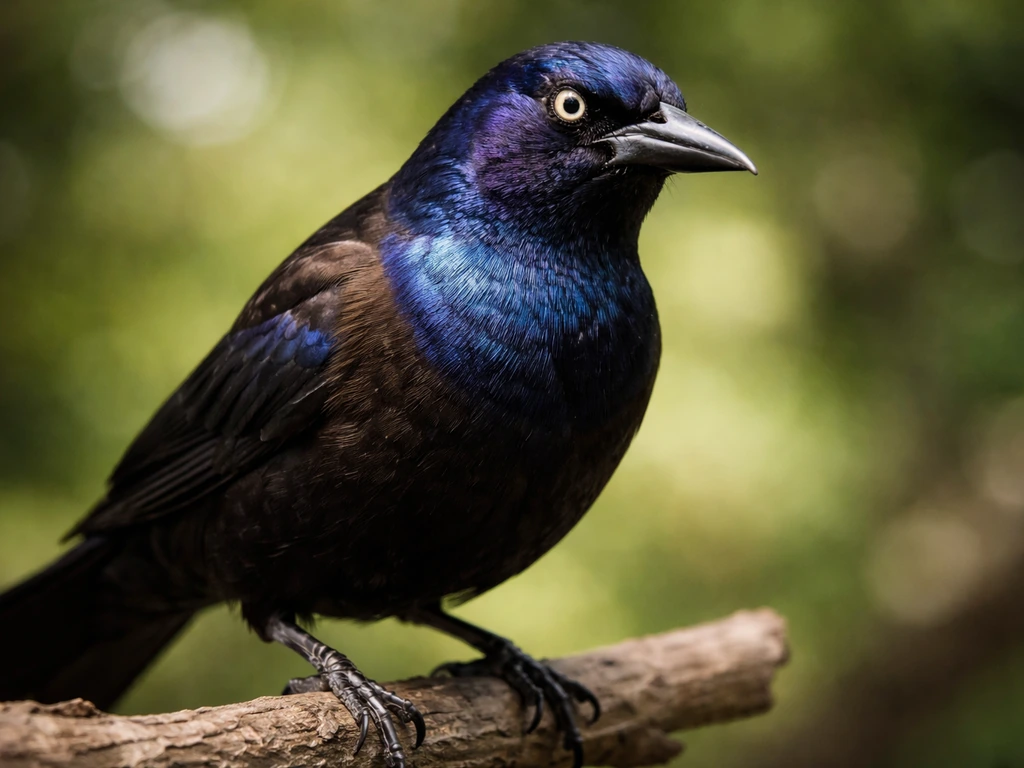
Grackle Bird Meaning: What It Really Symbolizes and Means
Grackle bird meaning decoded: symbolism, folklore, and what a grackle sighting can signal from behavior and season cues.
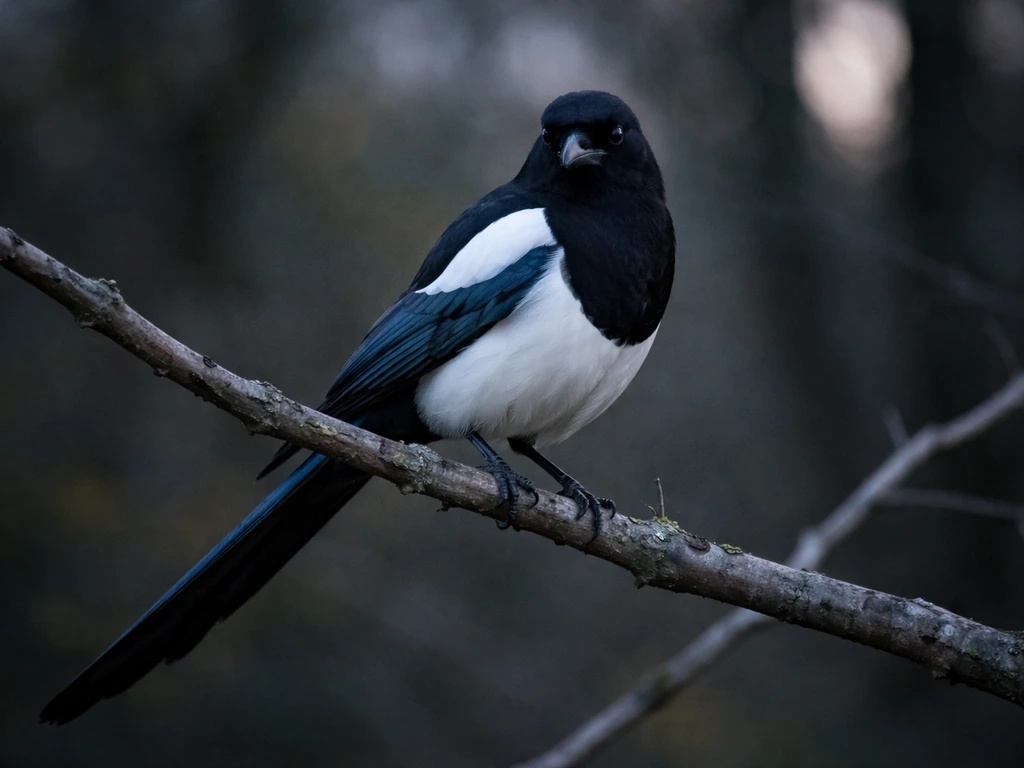
Magpie Bird Meaning: Symbolism, Folklore, and Spiritual Signs
Magpie bird meaning, symbolism and folklore plus spiritual sighting signs, practical guidance, and journaling prompts.