
A bird with a crown most commonly symbolizes authority, sovereignty, divine favor, and elevated status. Whether you're decoding a tattoo, a coat of arms, a spiritual vision, a company logo, or a phrase you read somewhere, the crowned bird almost always points to royalty of some kind, either literal rulership or a more spiritual sense of being chosen, protected, or set apart.
Bird with Crown Meaning: Interpret Royal Symbolism by Context

Marcus Blackwell
21 Jun 2026
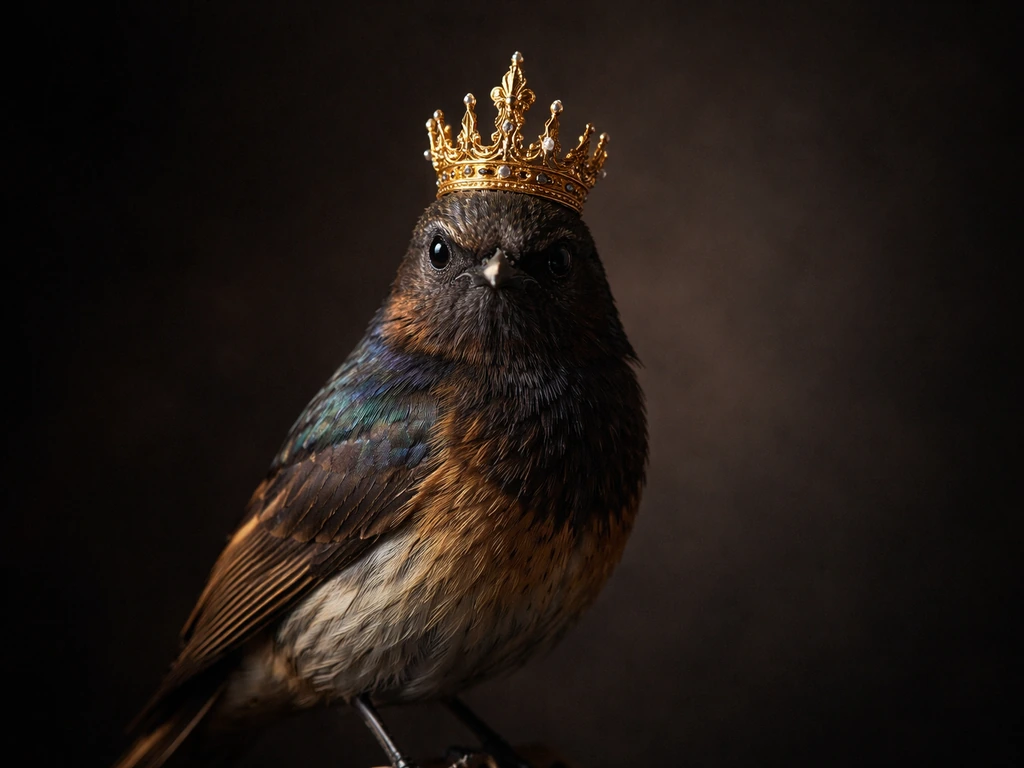
The exact meaning shifts depending on the bird species, the style of the crown, and the cultural tradition behind the image. If you’re searching for the majestic bird meaning, start by identifying the species and the kind of crown to narrow down what it’s signaling The exact meaning shifts depending on the bird species, the style of the crown, and the cultural tradition behind the image. .
First, let's pin down what you actually mean by 'bird with a crown'
This phrase shows up in several different forms, and they don't all mean the same thing. Before diving into symbolism, it helps to figure out which version you're dealing with.
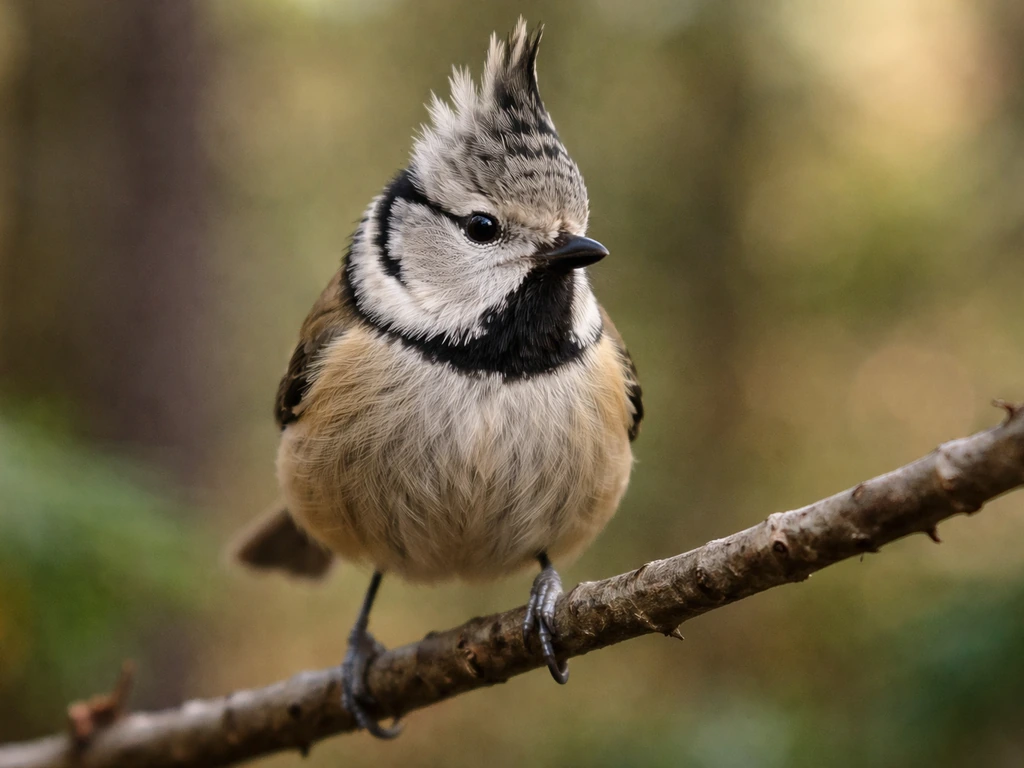
- A real bird species with a feathered crest that looks like a crown — like the grey crowned crane, golden-crowned kinglet, or great blue turaco with its tall raised crown of feathers.
- A stylized illustration, logo, emblem, or tattoo showing a bird (often an eagle, raven, or phoenix) wearing a literal crown or circlet.
- A heraldic image from a coat of arms or national symbol, where a crowned bird represents a dynasty, nation, or family lineage.
- A spiritual or dream symbol — a bird appearing with crown-like light, a halo, or a radiant head in a vision or religious artwork.
- The dictionary term 'crown bird,' which Merriam-Webster has listed since at least 1797, used as a common name for certain crested bird species.
- A figurative phrase — saying someone is 'the crowned bird' or using the imagery metaphorically to describe leadership or pride.
Merriam-Webster's entry for 'crown bird' (first known use: 1797) treats it as a straightforward species label for crested birds, not a symbolic phrase. But in practice, most people searching for the meaning of a 'bird with a crown' are looking at either a symbolic image or a real crested species they want to understand more deeply. If you mean the crested bird specifically, its symbolism and meaning are different from generic “bird with a crown” references crested bird meaning. Both are worth unpacking.
What a crowned bird typically symbolizes: authority, leadership, and power
Across cultures and centuries, birds have represented freedom, vision, and the connection between earth and sky. Add a crown to that image and you immediately layer in themes of rule, rank, and divine right. The crown is one of the most universally recognized symbols of power in human history, so when it sits on a bird, the message is usually unmistakable: this creature (or what it represents) stands above others.
The most common symbolic meanings attached to a crowned bird include:
- Sovereignty and rulership — the bird as a king or queen of its domain, often the sky or all animals.
- Leadership and command — used in military, corporate, and political imagery to signal authority and direction.
- Honor and distinction — being crowned sets the bird apart as exceptional, chosen, or highest-ranked.
- Divine appointment — in many traditions, a crowned bird signals that its status comes from a god or higher power, not just earthly achievement.
- Protection — a crowned ruler protects their people, and a crowned bird in a symbol often implies guardianship over those beneath it.
- Elevated status and prestige — in modern usage, logos and emblems use the crowned bird to communicate premium quality or elite standing.
In heraldry especially, the crowned eagle is probably the most recognized version of this symbol. It appears on national emblems across Europe, the Americas, and the Middle East, consistently carrying meanings of strength, sovereignty, and national pride. But eagles aren't the only bird that carries a crown, the specific species changes the nuance considerably, which we'll get to shortly.
Mythology and folklore: crowned birds as divine messengers and royal omens
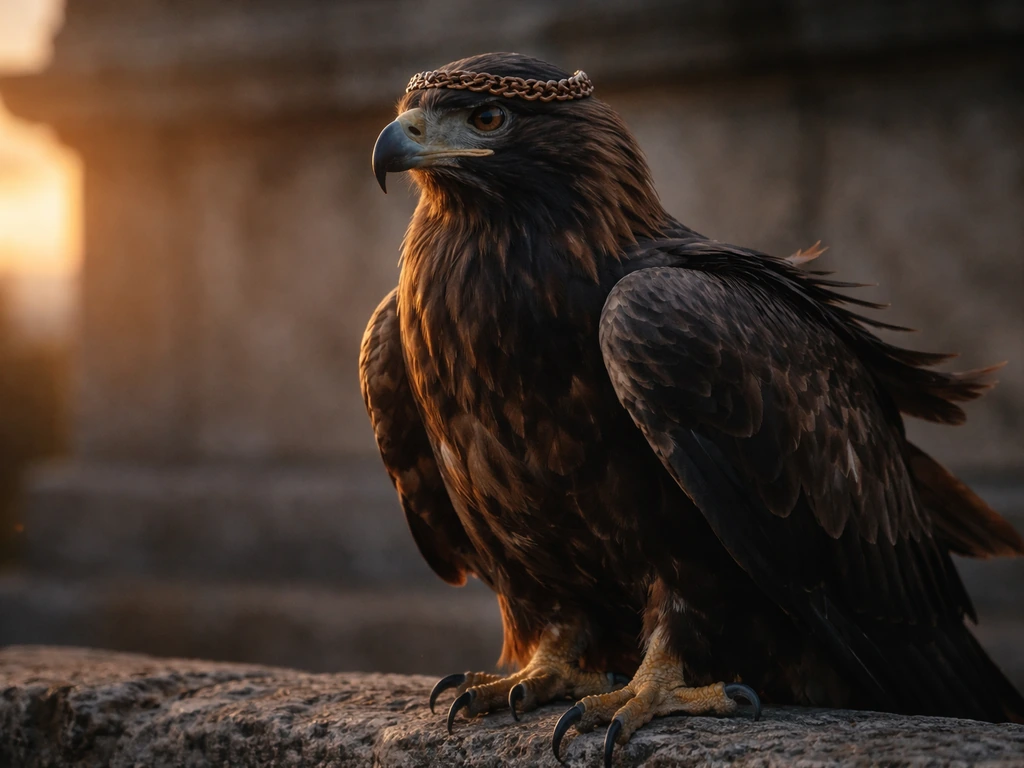
The association between birds and royal or divine power runs deep in world mythology. In ancient Egypt, the falcon-headed god Horus wore the double crown of Upper and Lower Egypt, fusing bird and crown into a single icon of divine kingship. The pharaoh himself was considered a living Horus, making the crowned falcon literally the symbol of earthly rulership sanctioned by the gods.
In Greek mythology, the eagle was Zeus's personal bird and messenger, the king of gods expressing his will through the king of birds. When depicted with a crown or laurel, this eagle represented not just power but fate itself. Similarly, the peacock, sacred to Hera, wore its crown of iridescent 'eyes' as a symbol of divine watchfulness and immortality.
Norse tradition gave Odin two ravens, Huginn and Muninn, who served as his eyes across the nine worlds. While not always depicted with literal crowns, these birds carried the authority of a god and were understood to be agents of fate and royal intelligence. Ravens in general carry strong sovereignty symbolism across Celtic, Norse, and Indigenous North American traditions.
In South and Southeast Asian traditions, the Garuda, a massive, crowned eagle-like being, serves as the mount of Vishnu and is a symbol of divine protection, speed, and the destruction of evil. The Garuda wears a crown explicitly in most artistic depictions and remains a national symbol for Indonesia, Thailand, and India to this day. The phoenix, common across Chinese, Egyptian, and European traditions, also frequently appears crowned, symbolizing rebirth, immortality, and the renewal of royal lineages.
In European folklore, the wren was sometimes called the 'king of birds' despite its tiny size, the result of a clever trick in which it hid in the eagle's feathers and flew higher than any other bird. This story, found across many cultures, uses the crown of 'highest flier' to make a point about wit over brute strength. It's a reminder that in folklore, the crowned bird doesn't always mean the biggest or most powerful, sometimes it means the cleverest.
Cultural and spiritual meanings: when the crown signals the divine
In Christian iconography, the dove, already a symbol of the Holy Spirit, is sometimes shown with a radiant halo or crown of light, elevating its meaning from peace and purity to divine authority. The pelican, which in medieval Christian symbolism fed its young with its own blood, was sometimes depicted crowned to reinforce its role as a Christ-like symbol of sacrifice and redemption.
In African spiritual traditions, particularly among Yoruba-influenced religions like Candomblé and Santería, birds are closely associated with orishas (divine spirits). Certain birds appearing with crown imagery in ritual art signal the presence of a specific orisha who rules over that domain. The grey crowned crane, native to sub-Saharan Africa, is considered sacred in several traditions and its natural feathered crown is interpreted as a mark of divine selection. In the case of the African crowned crane, the “meaning” commonly centers on divine selection and sacred status in African traditions African crowned crane meaning.
In Hinduism, the peacock's dramatic crown of feathers connects it to Murugan (also known as Kartikeya), the god of war and victory. The peacock serves as his vahana (vehicle), and the crown of 'eyes' represents all-seeing wisdom and the defeat of ignorance. In Buddhism, the crowned bird often represents the Buddha's enlightened mind rising above the ordinary.
Across Native American traditions, eagle feathers, particularly those worn on the head like a crown, are among the most sacred symbols of honor and spiritual authority. If you are looking up ceiling bird meaning, this kind of imagery can help you interpret what authority or divine symbolism the “crowned bird” is intended to suggest. Wearing an eagle headdress is not a fashion choice; it is a recognition of genuine leadership and spiritual standing within the community. The bird and the crown become one in this context, inseparable in their meaning.
Idioms, slang, and everyday language: 'crown bird' in common usage
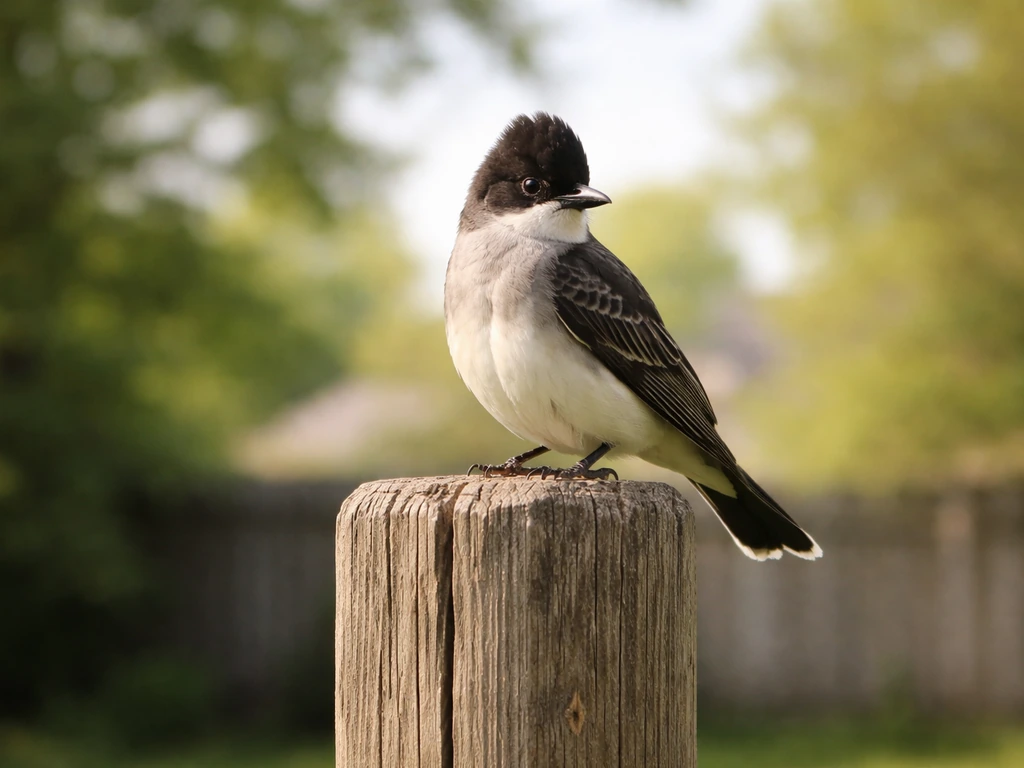
The phrase 'crown bird' as a standalone idiom doesn't have a rich idiomatic life in English the way phrases like 'a bird in the hand' or 'the early bird gets the worm' do. Merriam-Webster's entry treats it primarily as a taxonomic/common name for crested species rather than a figurative expression. That said, the idea behind the image, a bird wearing a crown, shows up in everyday language in a few recognizable ways.
Calling someone 'the crowned bird' or 'the kingbird' in casual speech implies they consider themselves the top of the pecking order (and note that 'pecking order' itself is a bird-derived expression for social hierarchy). Brand names and sports teams use crowned bird imagery constantly to signal dominance, think of logos that feature a crowned eagle or a phoenix with a crown. These aren't arbitrary; they're deliberately borrowing the symbolic language of royal birds to project superiority.
In slang and informal contexts, 'bird' on its own can mean a person (British English especially), so 'crowned bird' could theoretically mean a person of high status or self-importance, though this usage is rare and very context-dependent. More commonly, you'll encounter the crowned bird concept in tattoo culture, where it typically means the wearer sees themselves as royalty, a survivor who has earned their crown, or someone honoring a person or tradition associated with power and freedom.
The species matters: how the bird changes the meaning
A crowned eagle means something different than a crowned raven, a crowned peacock, or a crowned phoenix. The crown amplifies and elevates whatever symbolism the species already carries, so knowing the bird is essential to reading the full message. If you are specifically wondering about the griffin bird meaning, the symbolism can shift based on which “griffin” form you mean and the tradition it comes from crown bird meaning.
| Bird Species | Base Symbolism | Meaning When Crowned |
|---|---|---|
| Eagle | Strength, freedom, vision, national power | Supreme authority, divine rulership, peak leadership |
| Raven | Mystery, intelligence, fate, the otherworld | Royal wisdom, dark sovereignty, prophetic power |
| Peacock | Beauty, pride, immortality, all-seeing | Divine glory, watchful rule, vanity elevated to sacred status |
| Phoenix | Rebirth, transformation, resilience | Eternal sovereignty, renewal of royal or spiritual lineage |
| Owl | Wisdom, the night, hidden knowledge | Wise governance, intellectual authority, rule through knowledge |
| Crane/Crowned Crane | Grace, longevity, good fortune | Sacred nobility, divine protection, honored status |
| Dove | Peace, purity, the Holy Spirit | Divine authority of peace, spiritual sovereignty |
| Rooster/Cockerel | Vigilance, dawn, courage | Confident leadership, domestic sovereignty, the herald-king |
If the bird in your image or phrase is a crested species, like the hoopoe, golden-crowned kinglet, or great blue turaco with its tall raised crown of feathers, the 'crown' may be entirely literal: a physical tuft or crest that humans have long interpreted as nature's own crown. Many cultures read these natural crests as signs of divine favor or special status granted by nature itself.
The hoopoe, for example, is mentioned in the Quran as a royal messenger between Solomon and the Queen of Sheba, and its distinctive crown of feathers is central to that story. Readers interested in how crested species specifically carry this symbolism will find a lot of overlap with what's discussed in the context of crested bird meaning.
This idea fits with descriptions of crowned species whose raised feather crowns are treated as literal crests that signal special status or divine favor natural crests as signs of divine favor or special status.
If you came here for grackle bird meaning, the same approach helps you match the species to the right symbolism Readers interested in how crested species specifically carry this symbolism will find a lot of overlap with what's discussed in the context of crested bird meaning. .
How to identify your specific crowned bird and pin down the meaning
The fastest way to get to the right interpretation is to work through a few questions about where you encountered the image or phrase and what it looked like. Context does most of the heavy lifting here.
- Identify the bird species if possible. Look at the body shape, beak, tail, and coloring. Is it a raptor (eagle, hawk), a songbird, a waterbird, or a fantastical creature like a phoenix? Each carries its own symbolic base.
- Look at the crown itself. Is it a natural feathered crest, a jeweled royal crown, a halo or circle of light, or a laurel wreath? A jeweled crown points to heraldry and royalty. A halo suggests divinity. A natural crest suggests the meaning comes from the bird's actual species traits.
- Note the context: Where did you see it? A flag or coin signals national/political symbolism. A tattoo or logo suggests personal identity or brand messaging. A dream or vision points to spiritual meaning. A book or poem suggests literary symbolism.
- Check what other symbols are present. Is the bird carrying something — a scepter, an olive branch, a sword, a scroll? Is it surrounded by stars, flames, or geometric shapes? Supporting symbols narrow the meaning considerably.
- Consider the cultural origin. An East Asian crowned bird (especially a crane or phoenix) carries different meanings than a European heraldic eagle or an African crowned crane. If you know the piece's cultural origin, research that tradition's bird symbolism specifically.
- Ask whether the 'crown' is a metaphor or a literal image. If it's a phrase ('the crowned bird of our team'), it's probably about leadership or status. If it's an image, the visual details are your primary clues.
What to do next: your practical interpretation guide
If you're trying to interpret a specific crowned bird image or phrase right now, here's the most direct path to an answer.
- Write down the three things you know: the bird species (or your best guess), the crown style, and where you saw it. Those three data points will answer about 80% of your question.
- Match the bird to its core symbolism first — then treat the crown as a 'multiplier' that raises that symbolism to the level of royalty, divinity, or peak status.
- If the bird is unidentified or fantastical, default to the most universal reading: authority, divine favor, and elevated status. That interpretation holds across nearly every tradition.
- If you're designing or choosing the symbol yourself (for a tattoo, logo, or emblem), decide which quality you most want to project — strength, wisdom, rebirth, peace — and choose the bird species that already carries that meaning, then add the crown to amplify it.
- For spiritual or dream interpretations, consider what the bird was doing, not just what it looked like. A crowned bird in flight means something different than a crowned bird perched, wounded, or calling out. The action adds a layer of meaning beyond the symbol itself.
- If the phrase came from a written source, look at the surrounding language. Is the author using it ironically? With reverence? In a list of power symbols? Literary context is always your best guide to figurative meaning.
The bottom line: a bird with a crown is rarely accidental or decorative. Whether you're looking at ancient mythology, modern branding, a tattoo, or a spiritual image, the crowned bird is making a deliberate statement about authority, status, and the right to lead or be honored. If you are specifically looking up magpie bird meaning, the same crown-and-species logic helps you narrow down the symbolism that fits your context. The species tells you the flavor of that authority, fierce and warlike, wise and watchful, graceful and enduring, and the crown confirms its elevated rank. Get those two elements right and the meaning almost always falls into place.
FAQ
How can I tell whether the “crown” is literal (a crest) or a stylized royal crown?
If the “crown” is actually a feather crest (a raised tuft on the head), the meaning often leans more toward natural distinction (divine favor, special appointment, “chosen” status) rather than human monarchy. Check whether the crown has clear gold, jewel-like details (more likely symbolic power) or looks like a biological crest on a specific species (more likely literal species symbolism).
Does the style of the crown (circlet, jeweled crown, halo) change the meaning of a crowned bird?
In tattoos and logos, the crown’s realism matters. A simple circlet can imply honorable rank, while a jeweled crown or crown with points often signals sovereignty or entitlement to rule. Also note what the bird is doing (perched, flying upward, holding something), upward motion usually elevates themes like fate, ascent, and spiritual authority.
What should I look for in the rest of the image to avoid misreading the symbol?
If the bird is shown with other power symbols, meaning tightens. For example, a crowned eagle beside laurel suggests victory and legitimacy, while a crowned bird beside a cross or halo shifts it toward divine authority rather than politics. When you interpret, treat the bird and crown as one unit, then use the surrounding objects to confirm the “type” of authority (national, spiritual, protective, or triumph).
Why does a crowned bird symbol mean different things in different cultures?
Cultural context can flip emphasis. The same visual (crowned bird) can read as monarchy in European heraldry, divine kingship in Egyptian contexts, or protection and cosmic order in South Asian depictions. If you found the image in a specific tradition (museum piece, religious art, regional brand), prioritize that tradition over generic meanings to reduce guesswork.
What if I cannot confidently identify the exact bird species in the image?
Crested birds are often labeled or revered differently depending on the species, even if the “crown” looks similar. For practical identification, focus on distinctive features: body shape (eagle-like vs small songbird), color, and whether the crest is tall and tufted or broad and rounded. If you cannot identify the species confidently, avoid committing to a single mythology and instead describe the symbolism at a higher level (authority, chosen status) until you verify the bird.
How do crowned bird meanings change for dreams or personal spiritual visions?
If you see a crowned bird in a dream or vision, timing and emotion help. Feeling threatened or awed usually points toward authority you must respect or an invitation to step into leadership, while calm or hopeful feelings tend to align with protection, guidance, or a “set apart” phase. Also remember that dream symbols are personal, so the same crowned bird can reflect external power versus internal growth.
Is “crown bird” an idiom in English, or is it usually a species label?
There is no widely established English idiom “crown bird,” so if you saw the phrase in text, it may be either (1) a taxonomic reference to crested birds, (2) a nickname used by a specific community, or (3) a brand slogan. To interpret safely, look for capitalization, surrounding keywords (species names vs symbolism words), and whether it appears in a logo or article about animals.
Can a bird with a crown symbolize negative meanings like tyranny or threat?
A crowned bird does not always mean “good power.” In some contexts it can imply strict rule, dominance, punishment, or vigilance. If the artwork includes aggressive posture, weapons, storm imagery, or dark color palettes, treat the symbol as possibly warning or fearsome authority rather than celebration.
What is the fastest reliable way to interpret a crowned bird image?
To narrow meaning quickly, use this decision order: identify species or style (natural crest vs jeweled crown), identify the crown type (royal crown vs halo/circlet), then check the context where you saw it (heraldry, religion, tattoo, brand). Finally, note any extra elements (laurel, cross, halo, myth-specific characters). This prevents the common mistake of assuming all crowned birds mean the same “royalty” message.
If multiple meanings seem possible, how do I choose the most accurate one?
If you are trying to decide between two likely meanings (for example, crowned eagle versus crowned raven), the “species flavor” usually dominates. Eagles commonly read as strength and sovereignty, ravens as intelligence and fate, peacocks as immortality or watchfulness. The crown amplifies, but it usually does not fully override what the species already signals, so prioritize the bird first.