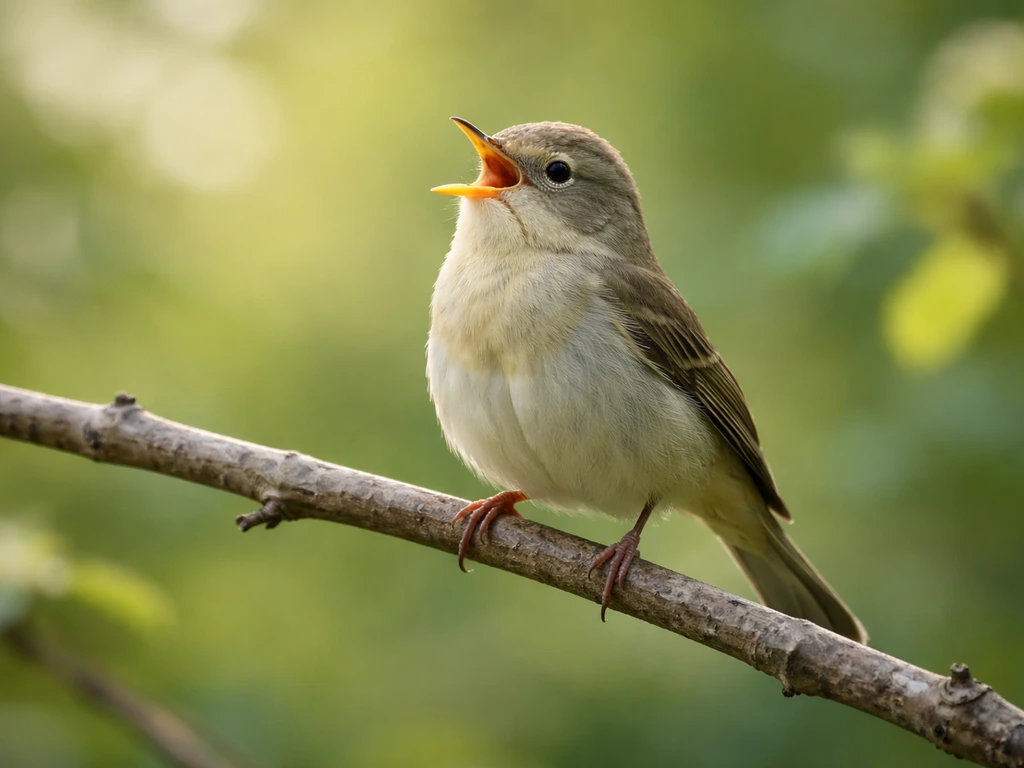
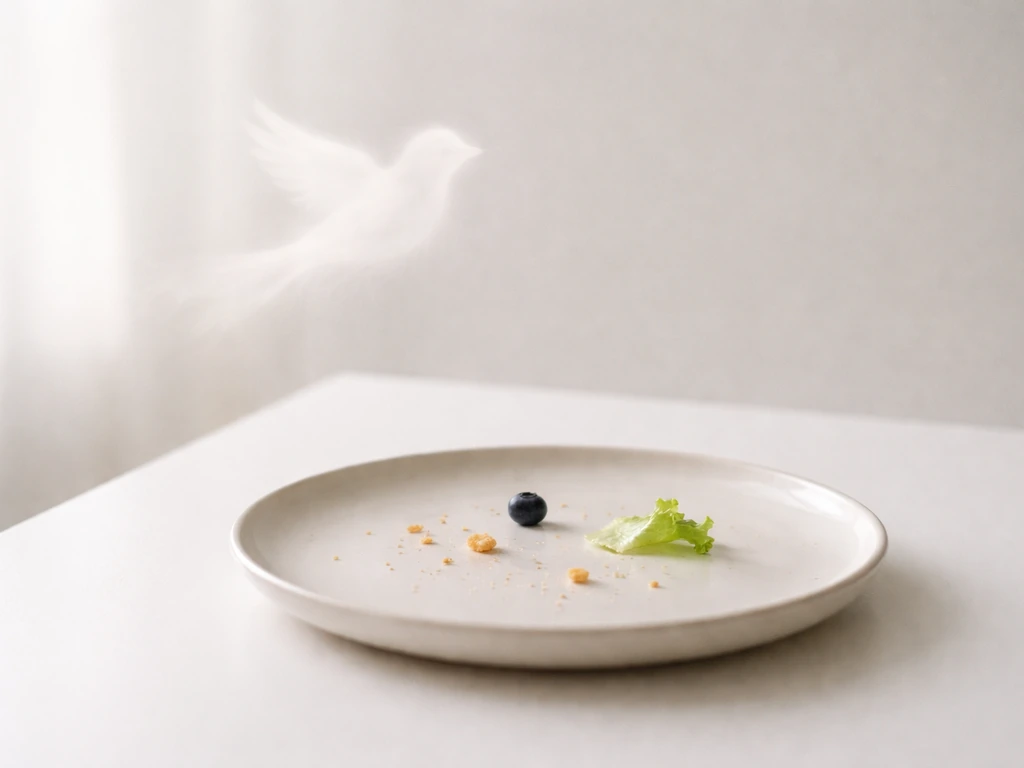
When someone says 'she eats like a bird,' they mean she eats very little. It's a figurative idiom, not a comment on ornithology. The phrase describes someone with a noticeably small appetite, someone who picks at their food, takes tiny portions, or seems to survive on almost nothing. Dictionary.com's classic example puts it plainly: 'Jan is very thin, she eats like a bird.' That sentence captures the two things this idiom almost always does at once: it describes a small appetite and links it, almost automatically, to a thin or delicate body.
She Eats Like a Bird Meaning: Figurative Sense Explained

Marcus Blackwell
11 Jul 2026
Where the idiom came from
The expression dates from the first half of the 1900s, making it a relatively modern idiom in the grand scheme of English figurative language. Its origin rests on a common misconception: the popular impression that birds eat very little. In reality, birds consume a surprisingly large amount of food relative to their body weight, because their fast metabolisms demand a lot of fuel. A sparrow or a hummingbird can eat the equivalent of a significant fraction of its own body weight every single day. But most people don't think about that. They see a bird pecking at a few crumbs or seeds and assume it subsists on almost nothing. That visual impression, however wrong, is exactly what gave the idiom its staying power.
McGraw-Hill's Essential American Idioms Dictionary captures the secondary nuance well, describing the phrase as meaning 'to eat only small amounts of food; to peck at.' That word 'peck' is telling. It reinforces the bird imagery not just in volume but in style, the idea of someone nibbling at a plate rather than eating with gusto. The idiom got cemented in everyday use throughout the mid-twentieth century and has stayed in the language ever since.
What the phrase is actually describing
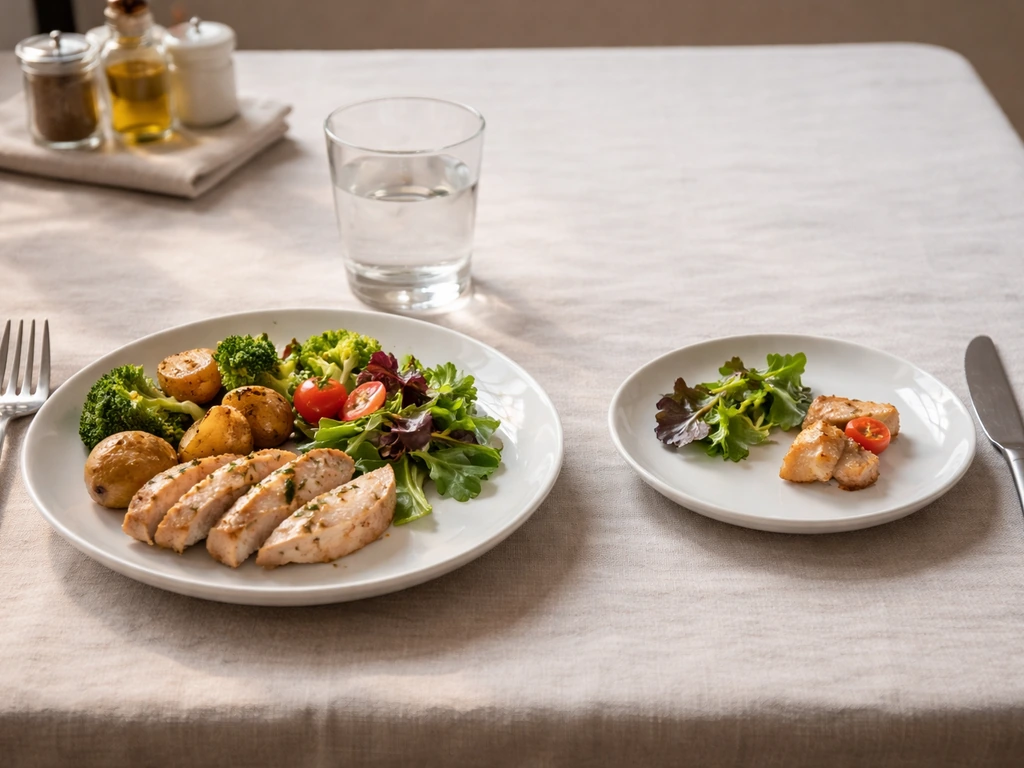
At its core, 'she eats like a bird' is describing eating behavior, specifically the smallness of portions and the lightness of appetite. But it tends to cluster around a few recognizable patterns of behavior. Understanding which one the speaker has in mind helps you interpret the remark correctly.
- Taking noticeably small portions at a meal while others eat normally-sized plates
- Picking or nibbling at food rather than finishing it (the 'pecking' behavior McGraw-Hill flags)
- Skipping courses, refusing seconds, or ordering the smallest item on a menu
- Appearing to maintain a thin or small frame despite eating very little
- Being described as someone who seems to 'survive' on very small amounts of food
The Cambridge Dictionary's example sentence nails the observational flavor: 'You eat like a bird, I don't know how you stay healthy.' That phrasing shows how the idiom gets used in real conversation, not as a compliment or an insult exactly, but as a mix of observation and mild bewilderment. The speaker is noting the small amount and implicitly questioning whether it's enough.
Variations and close synonyms worth knowing
The phrase 'she eats like a bird' is the third-person version of a family of related expressions. The second-person form ('you eat like a bird') is common in direct conversation, and the general form 'eat like a bird' is the dictionary headword you'll find in Cambridge, Dictionary.com, and Wiktionary alike. The meaning stays exactly the same across all of them.
A handful of near-synonyms and variants show up in everyday English. None of them are perfectly interchangeable, but they're all gesturing at the same idea: a light, small, or dainty appetite.
| Expression | Meaning | Tone |
|---|---|---|
| Eats like a bird | Eats very small amounts | Observational, mild teasing |
| Eats like a sparrow | Same meaning, slightly more specific bird image | Softer, often more affectionate |
| Eats sparingly | Eats in small or restrained quantities | Neutral, more formal |
| Picks at her food | Nibbles without fully eating | Slightly more critical |
| Has a small appetite | The literal, non-idiomatic version | Neutral, clinical |
| Eats like a horse (antonym) | Eats a large amount | Jovial, often admiring in some contexts |
'Eats like a sparrow' is worth a quick note because sparrows carry their own symbolic weight in English (and many other languages), usually representing smallness, humility, or fragility. If you’re wondering about the japanese crane bird meaning, note that cranes often symbolize grace, longevity, and good fortune rather than a small appetite. Swapping in 'sparrow' for 'bird' makes the image even more specific and slightly more poetic. You'll also hear 'eats like a little bird' in the same register. The antonym, 'eats like a horse,' has been in use since the early 1700s, considerably longer than its bird-based counterpart, and it's worth knowing both ends of that spectrum since speakers sometimes use them together for comic contrast.
This expression sits in a larger family of bird-related idioms that use birds to describe human behavior, including phrases like 'sing like a bird' (to speak freely or confess) and the broader category of bird similes in everyday speech. Each one pulls on specific cultural associations tied to the bird in question.
How to use it correctly in conversation

The idiom works best as a casual, observational remark rather than a formal description. It fits naturally in spoken English and informal writing, but it would sound oddly folksy in a medical chart or a nutritional assessment. Here are a few contexts where it lands well.
- At the dinner table: 'She barely touched her plate—she eats like a bird, always has.'
- In a story or anecdote: 'My grandmother eats like a bird, but somehow she outlived everyone.'
- As a mild observation about someone's habits: 'You eat like a bird. Are you sure you don't want more?'
- In a teasing or affectionate context: 'She orders the smallest thing on the menu every time. Total bird eater.'
Be careful about the framing. Pairing the idiom with a comment about body size (like the Dictionary.com example 'Jan is very thin, she eats like a bird') shifts the remark from a purely behavioral observation into something that touches on body image. In some contexts that's fine and descriptive; in others it can feel judgmental or uncomfortable for the person being described. If you're looking for a kinder way to phrase the same idea, 'she has a small appetite' or 'she's a light eater' gets the message across without the physical comparison built in.
Literal vs. figurative: how to tell the difference
Almost every time you hear 'she eats like a bird,' it's figurative. In this article, the meaning of the phrase "eat like a bird" is explained as eating very small amounts. The phrase is an informal simile applied to humans, not a zoological observation. It belongs to everyday speech, not biology. The only exception would be if someone were literally comparing a person's eating technique to a bird's (say, in a very unusual comedic or theatrical context), but even then, it would still be functioning as a simile, not a literal claim.
The figurative intent is also confirmed by the fact that the bird comparison is factually wrong. Birds don't actually eat small amounts relative to their size. The idiom exists because of a popular misconception, and the dictionary notes that explicitly. So whenever you hear the phrase, you can safely read it as: 'this person eats noticeably small amounts of food,' full stop. Cambridge English Dictionary defines the idiom “eat like a bird” informally as “to always eat a small amount of food.”. There's no literal reading to chase down.
One useful tell: if someone says it about a person rather than an actual bird, it's figurative. If someone is genuinely talking about a pet bird's diet or wildlife feeding behavior, they'd almost certainly phrase it differently ('my parakeet barely eats anything') rather than reaching for this idiom.
How to read the speaker's intent
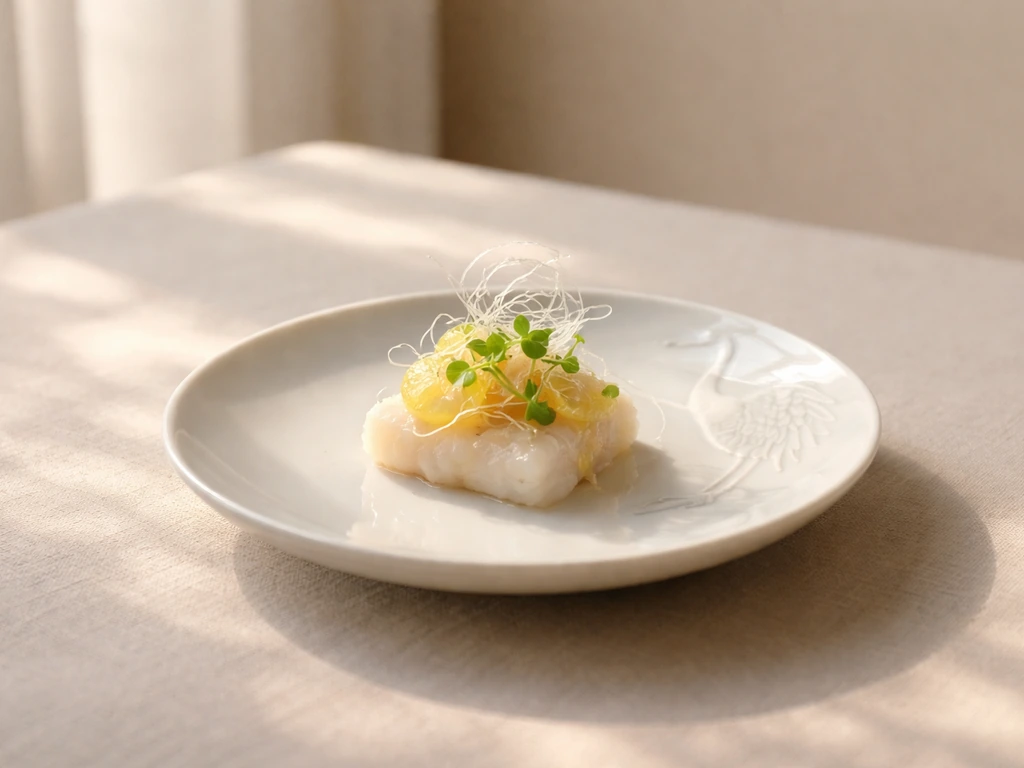
The tone of 'she eats like a bird' can shift quite a bit depending on context, and it's worth knowing how to read it. The same three words can land as a compliment, a neutral observation, gentle teasing, or a veiled judgment. Here's how to decode it.
| Context clue | Likely intent |
|---|---|
| Said with admiration or envy ('I wish I could eat like a bird!') | Compliment or wistful observation |
| Said with concern ('She eats like a bird—I don't know how she stays healthy') | Mild judgment or worry about health |
| Said as a quick descriptive aside in a story | Neutral character detail |
| Said with a laugh or wink at the table | Affectionate teasing |
| Paired with a comment about thinness ('She's so thin—she eats like a bird') | Can shade into body commentary, intentional or not |
If someone says it about you and you're not sure how to take it, the safest read is usually mild teasing or casual observation. Most people reach for this idiom the way they'd say 'you're such a light eater,' without any strong judgment attached. But if the comment comes with visible concern or an implied critique, it's fair to address it directly: 'I eat what feels right for me' is a simple, confident response that doesn't require you to defend your plate.
Birds, delicacy, and small appetite symbolism across cultures
The idiom taps into something that runs much deeper than one mid-20th-century English expression. Across cultures, birds have long carried associations with lightness, delicacy, and a kind of ethereal smallness. If you're also curious about the crawdad bird meaning, that can differ from the standard idiom usage described here. That symbolic tradition is part of why the comparison to birds feels so natural when we describe someone who barely seems to eat.
In Japanese culture, cranes (one of the most symbolically rich birds in East Asia) represent longevity, purity, and peace. BirdLife International describes cranes in Japanese art as blank" rel="noopener noreferrer">associated with 'longevity, happiness, and good fortune,' and the red-crowned crane is considered sacred in both Japan and Korea. The crane's long, elegant, thin frame makes it a natural symbol of graceful restraint. While the crane isn't directly tied to appetite idioms in English, the visual association between a bird's slender form and the idea of lightness or delicacy connects back to the same cultural well. A crane is one of the birds that shows up in cross-cultural symbolism, which helps explain why “bird” imagery can feel tied to delicacy and lightness cranes. A bird, in the popular imagination, is a creature of air rather than earth, more spirit than appetite.
That visual logic shapes idioms and similes about birds across languages. Small, fragile birds in particular (sparrows, wrens, finches) have historically been associated with humility, simplicity, and modesty in European and Asian traditions alike. When English speakers compare someone to a bird to describe how little they eat, they're drawing on that deep reservoir of bird symbolism, even if unconsciously. The bird is a ready-made shorthand for 'light,' 'small,' and 'delicate.' The idiom 'eats like a bird' works precisely because that symbolic association is so widely shared.
It's also worth noting that bird-based idioms as a category tend to attach very specific meanings to very specific behaviors. Just as 'sing like a bird' borrows the bird's association with free, open, flowing sound to describe someone who talks freely (or confesses readily), 'eat like a bird' borrows the bird's association with smallness and lightness to describe someone who eats minimally. The bird becomes a flexible symbol, shaped by whatever aspect of bird life the idiom needs to borrow.
What to do when someone says it about you

If you've just had someone tell you that you eat like a bird and you're trying to figure out whether to laugh it off, push back, or explain yourself, here's a practical guide. First, check the tone using the table above. Most of the time, it's harmless. Second, you're not obligated to justify your appetite to anyone. A simple 'yep, that's me' or 'I'm just not very hungry' shuts the loop without drama. Third, if the comment felt loaded (especially if it was paired with a physical observation about your body), it's completely reasonable to say something like 'I eat what feels right for me' or redirect the conversation. You don't owe anyone an explanation for how much you put on your plate.
And if you're the one using the phrase about someone else, consider whether the lighter alternatives ('she's a small eater,' 'she doesn't eat much') might land better in sensitive contexts. If you are wondering about other meanings tied to bird phrasing, you may also want to look up crunch bird meaning as a related comparison lighter alternatives. The idiom is colorful and fun in casual conversation, but like any observation about someone's body or eating, it's worth being mindful of how it's received.
FAQ
Is “she eats like a bird” always an insult or body-shaming?
Not always. It’s usually a casual remark about a small appetite, but it can become judgmental if the speaker also comments on thinness or looks. If it feels targeted, you can respond with something neutral like “I’m just a light eater,” or “I eat what works for me,” without discussing your body.
What should I do if someone says “you eat like a bird” but I’m actually eating normally?
Treat it as an opinion about their observation, not a fact about your health. A calm boundary helps, for example, “That’s not really true, I just don’t eat huge portions,” or “I eat regularly, I’m just not a big-volume eater.”
Can the phrase mean someone is picky about food, not just eating less?
Often, yes. The idiom commonly includes “pecking” or taking tiny bites, which can overlap with being selective. Still, if someone means “picky,” they’ll usually mention that directly (like refusing certain foods), so consider the speaker’s other clues.
Does it always refer to portion size, or can it describe slow eating?
Primarily portion size and light appetite, but slow, careful nibbling can create the same “pecking” impression. If the conversation focuses on pace, the speaker may be describing slow eating rather than small amounts.
Is there a safer, kinder way to say it to someone else?
Yes. Alternatives like “she’s a light eater,” “she doesn’t eat much,” or “she’s not very hungry” keep the meaning without linking it to body comparison. If the person is sensitive about weight, avoid phrases that mention thinness or “delicate” framing.
How can I tell whether the speaker is joking?
Look for extra signals like playful tone, a smile, or balancing context (for example, they also say something positive). If they sound concerned, mention weight, or keep returning to the topic, it may be criticism or worry disguised as a simile.
Are there situations where this phrase would be inappropriate?
Yes. Avoid it in formal settings (work emails, medical contexts) and in conversations about eating disorders, dieting pressure, or recent weight changes. Even if intended casually, it can land as an uninvited comment on someone’s body.
What if I’m discussing literal bird behavior, not people?
Then don’t use the idiom. Use specific wording like “sparrows eat frequently” or “pet birds require measured feed,” because the expression is figurative and relies on a misconception about birds eating tiny amounts.
What’s the difference between “eat like a bird” and “eats like a sparrow”?
They’re similar in meaning, but “sparrow” is slightly more poetic and taps stronger cultural shorthand for smallness. “Bird” is more general, while “sparrow” can feel more specific and sometimes more teasing, depending on tone.
Next Article
Sing Like a Bird Meaning: Literal and Figurative Uses
Meaning of sing like a bird, literal and idiomatic uses, bird-song symbolism, plus examples and synonyms for context.