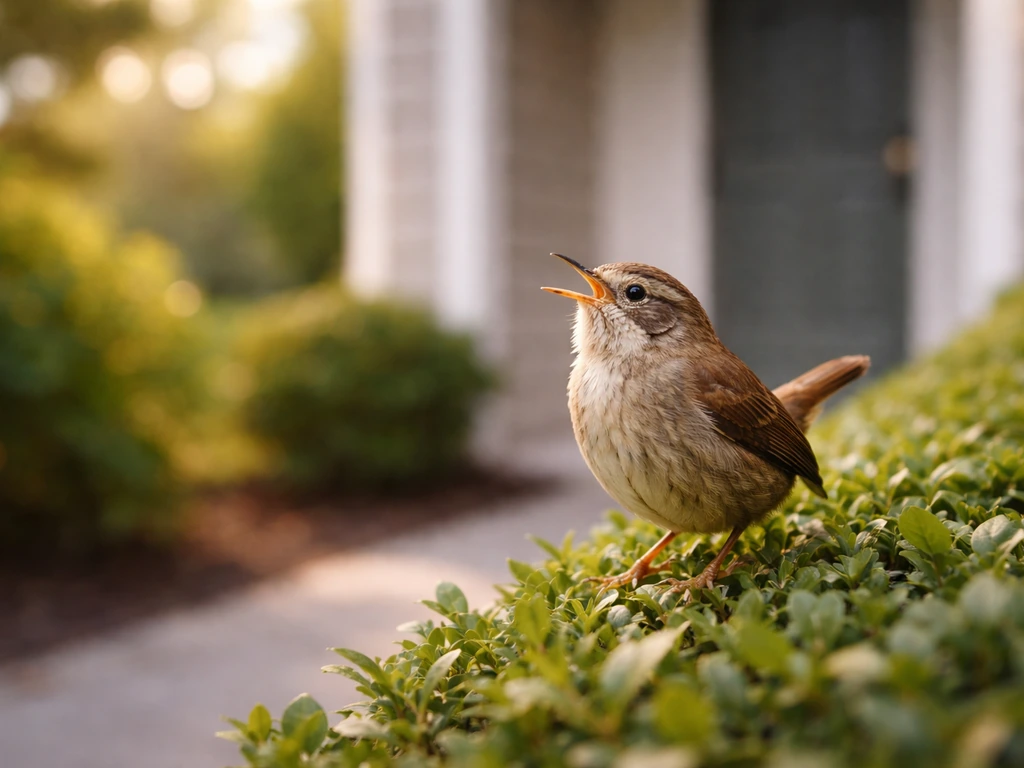
A warbler is a small songbird, and when you see the word used figuratively, it almost always points to one core idea: voice. The wattle meaning bird is often discussed as a type of small songbird as well, so the terms can come up together when people compare meanings and bird references. Whether you're reading a poem, a spiritual text, or a social media caption, 'warbler' tends to signal themes of self-expression, song, communication, joy, and seasonal change. The literal bird gives the figurative meaning its shape, so understanding one helps you decode the other.
Warbler Bird Meaning Explained: Symbolism, Context, and Clues

Marcus Blackwell
31 May 2026
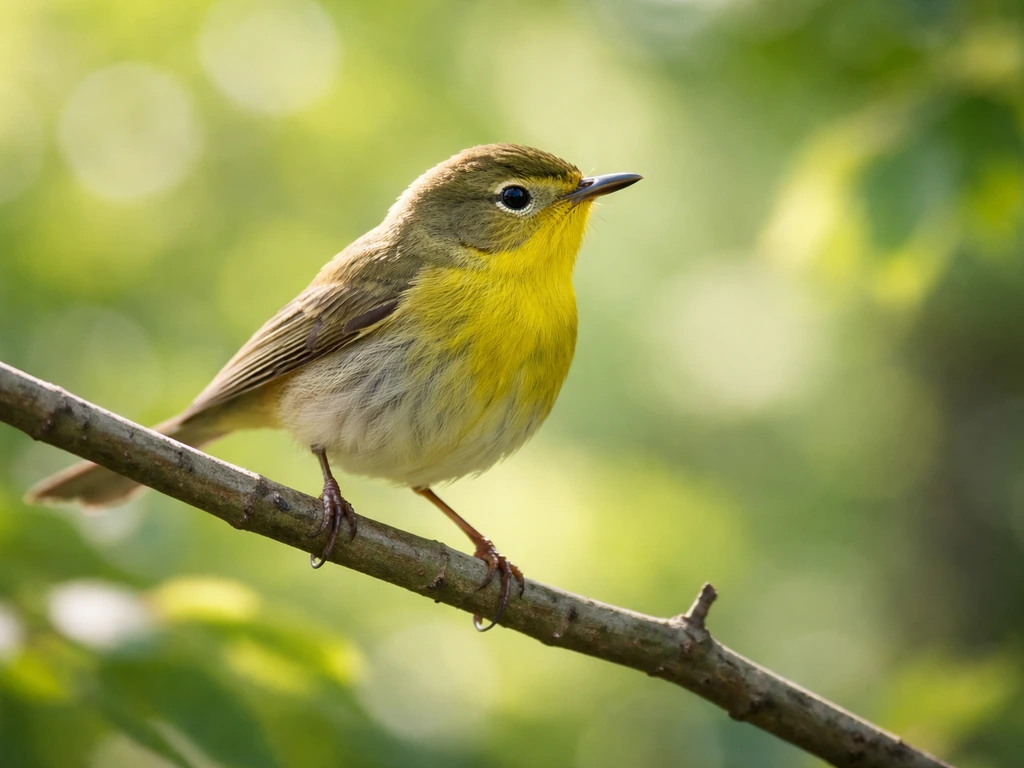
What 'warbler' actually means, literally
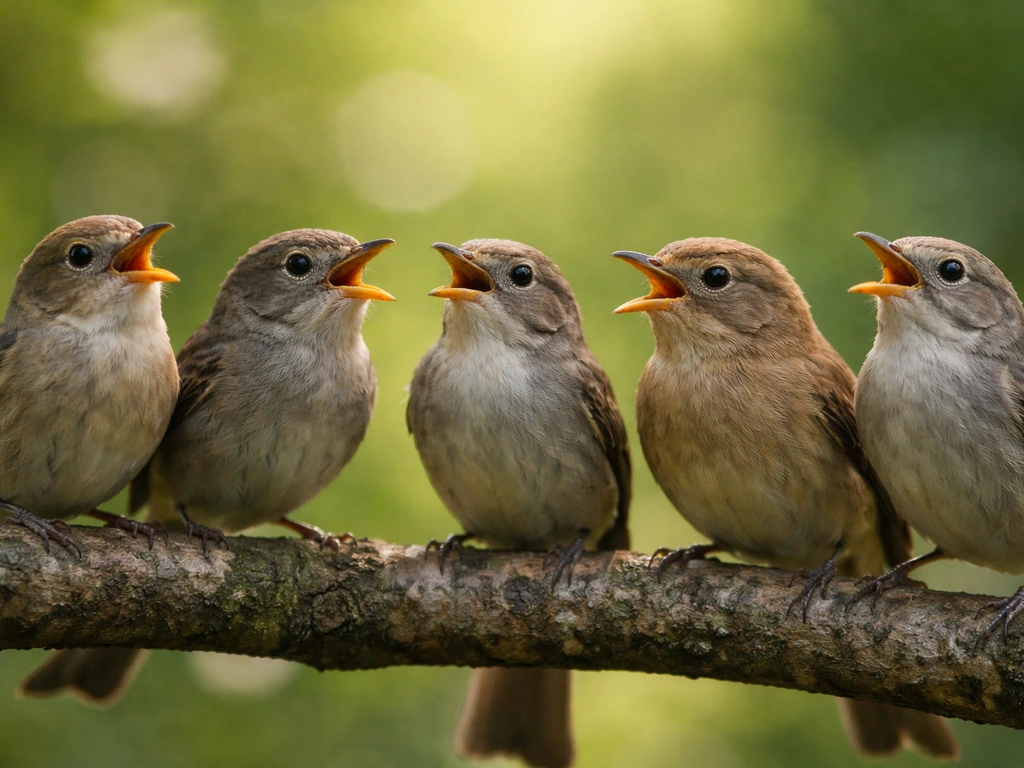
Warbler is not a single species. It's a catch-all common name applied to several distinct families of small, often energetic passerine (perching) birds. The two main groups you'll encounter are Old World warblers (family Sylviidae, nearly 400 species) and New World warblers, also called wood-warblers (family Parulidae, roughly 120 species).
On Cornell Lab of Ornithology's All About Birds taxonomy browser, the Parulidae family appears as “New World Warblers” in their bird taxonomy groups New World warblers, also called wood-warblers (family Parulidae, roughly 120 species). Ornithologists at the Cornell Lab and Audubon will both tell you the classification is genuinely complicated: these two groups aren't closely related at all.
They just look and act similarly enough that early naturalists gave them the same name. The British Trust for Ornithology notes that American wood-warblers share size, shape, and habits with their Old World counterparts but share no evolutionary kinship.
What ties every warbler together, regardless of family, is song. The word 'warbler' itself comes from the act of warbling, which is a flowing, trilling, melodic kind of singing. If you're also curious about the meaning of the weaver bird, the symbolism and naming come from its distinctive weaving behavior meaning of weaver bird. Collins Dictionary captures this neatly by defining 'warbler' as both a bird and a person who warbles. That double definition matters, because it means the word has always carried a vocal, musical connotation beyond strict taxonomy.
Even in 1911, the Encyclopaedia Britannica noted inconsistency in how 'warbler' was applied across technical writing, which is part of why seeing it in older texts can require a bit of context-reading. The 1911 Encyclopaedia Britannica entry on “Warbler” discusses how the term was used inconsistently by technical writers, including how “American warblers” could refer to other passerines In 1911, the Encyclopaedia Britannica noted inconsistency in how “warbler” was applied.
In everyday birding conversation, 'warbler' often functions as a shorthand category during identification. You'll see online threads where someone posts a blurry photo and asks 'warbler?' before anyone has nailed down the species. That's worth remembering: in casual, literal contexts, 'warbler' is frequently an approximate label, not a precise ID.
What warblers symbolize in folklore and spiritual traditions
Spiritually and symbolically, the warbler's meaning circles back to its song. Across multiple interpretive traditions, the warbler appears as a symbol of authentic voice and self-expression. The idea is straightforward: this small bird produces a sound far larger than its size suggests, and that disproportionate song becomes a metaphor for speaking your truth regardless of how small or unnoticed you feel. Some spiritual writing frames this explicitly, describing the warbler spirit animal as an encouragement to 'sing your own unique song' and express yourself freely.
Celtic-influenced interpretive traditions link the warbler to poetic inspiration. The warbler's song in these readings isn't just pleasant noise; it's treated as a spark for creativity, a kind of feathered muse arriving with the season. Renewal is another thread that runs through warbler symbolism. Because warblers are strongly associated with migration and the arrival of warmer months, their symbolic presence tends to carry a 'fresh start' energy: the end of one cycle, the beginning of another. SpiritualArk frames this as the message that 'every ending is a chance for a new beginning,' which sounds like a greeting card but genuinely reflects the seasonal reality of warbler behavior.
In Japanese art and poetry, the warbler (particularly the Japanese bush warbler, or uguisu) carries associations with the transient, precious nature of life. The bird's brief seasonal appearance becomes a reminder that beauty doesn't last, which maps onto the broader Japanese aesthetic concept of mono no aware, the bittersweet awareness of impermanence. This is a distinct cultural layer from Western spiritual symbolism and worth holding separately in your mind when you encounter the warbler in contexts that feel more philosophical or melancholic.
Some Native American traditions are also cited in connection with warbler symbolism, particularly around themes of community communication and the importance of listening as well as speaking. These references appear in secondary spiritual-interpretation sources rather than primary ethnographic records, so treat them as general cultural color rather than documented ceremonial fact.
Warblers in literature, poetry, and regional traditions
Poets have reached for the warbler repeatedly when they want a bird that stands in for song itself, voice lost or found, and the gap between silence and expression. Gerald Stern's poem 'Warbler,' published in The New Yorker, uses the image of a dead warbler that 'started to sing' as a lyrical device for exploring contrast between absence and presence, silence and voice. The bird is not really about the bird. It's about what happens when a voice returns after being gone.
Sally Sandler's poem 'The Warbler' approaches the same territory from the other direction: the bird is silent on the ground, and the poem dwells on the absence of the warbler's song. In both cases, the warbler is chosen precisely because its defining characteristic is its voice. When the voice is gone, something essential is missing. That's a pattern worth recognizing: in literary contexts, warbler almost always points to themes of voice, communication, or the weight of what is or isn't being said.
The reed-warbler, specifically, appears in natural history literature as a persistent 'songster,' a bird that keeps singing when others have stopped. That stubborn musicality gives the reed-warbler a slightly different literary flavor: endurance, consistency, the refusal to go quiet. Regional British nature writing often uses this framing when seasonal or landscape themes are in play.
Migration is also a major cultural throughline. Northern Woodlands writing describes how the last lingering warblers of autumn serve as reminders that 'a new season approaches,' and that kind of seasonal symbolism bleeds easily into poetry and personal essay writing. If you see warbler mentioned in the context of autumn, departure, or change, seasonal metaphor is probably the operative meaning.
Is 'warbler' an idiom or set phrase in English?
Honestly, no, not in the way 'early bird gets the worm' or 'bird in hand' are idioms. Merriam-Webster, Cambridge, and the Britannica Dictionary all treat 'warbler' as a standard noun, a bird or a person who warbles, without flagging it as part of a fixed figurative expression. There's no established idiomatic phrase built around the word the way there is with, say, 'crane your neck' or 'hawk something.' If you saw 'warbler' in a quote and wondered whether it was a recognized idiom, it almost certainly isn't. It's being used either literally (the bird) or figuratively as a metaphor, which is a choice the writer made, not a codified expression you'd find in a phrase dictionary.
The closest thing to idiomatic usage is the birding community's informal term 'warbler neck,' which refers to the strained neck you get from staring up into tree canopies trying to spot warblers during migration. That's vernacular slang within a specific hobby community, not general English idiom. It's charming, and it does reflect how deeply warblers are associated with a particular kind of attentive searching, but it won't help you decode a poem or caption.
How 'warbler' gets used figuratively online and in modern slang
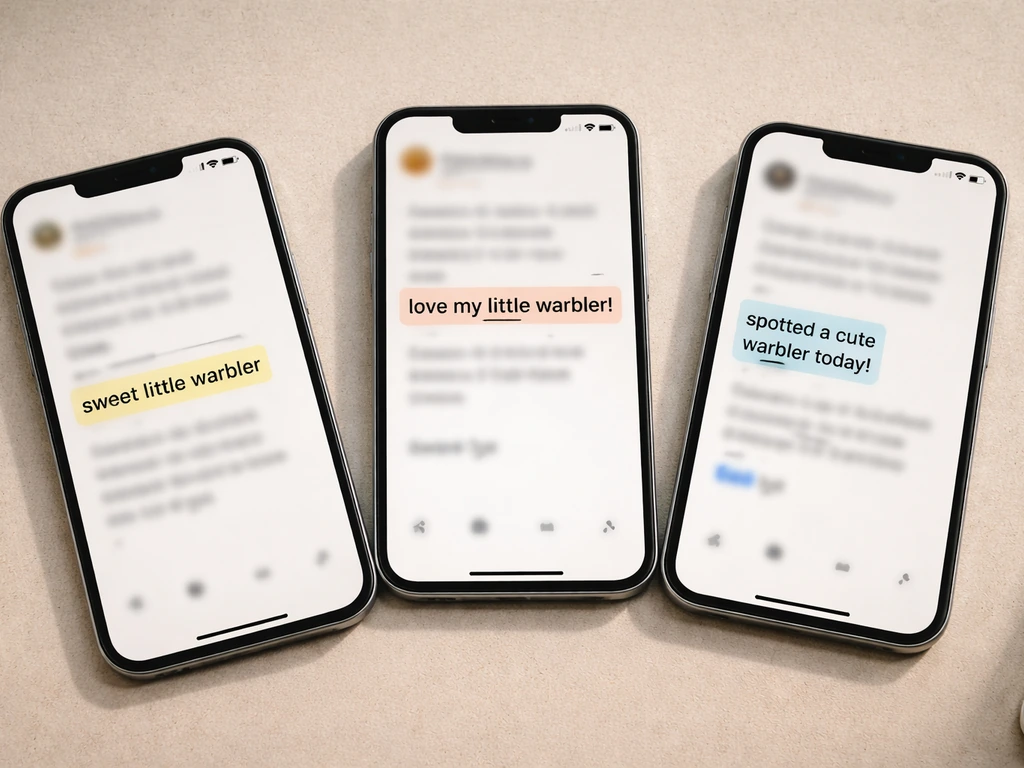
Online, 'warbler' is used in two main ways. The first is straightforwardly literal: birding communities on Reddit and social platforms use 'warbler' as a category label during identification discussions. You'll see threads like 'Warbler? San Francisco' or 'I think it's a warbler but which kind?' This is not metaphor. It's a bird ID question. If you're seeing 'warbler' in a natural history, wildlife, or birdwatching context, assume literal use first.
The second use is informal and affectionate: people who love birds sometimes use 'warbler' to express enthusiasm for the richness of bird names and the joys of finding these small, bright, fast-moving birds during migration season. Posts that celebrate spotting warblers during spring migration, or lament the difficulty of warbler identification, reflect a kind of cultural currency in naturalist communities. The warbler has become a shorthand for the pleasures and frustrations of birdwatching itself.
In broader figurative speech, calling someone a 'warbler' is an old-fashioned way of saying they're a singer or someone who talks or sings in a flowing, melodic way. It's not common modern slang, but it shows up occasionally in creative writing or commentary when the writer wants a slightly elevated, literary-feeling word for a singer, especially one whose voice is light, sweet, or persistent. Think of it as a compliment with a slightly vintage quality.
How to decode 'warbler' based on where you saw it
The fastest way to figure out what 'warbler' means in a specific context is to look at the surrounding words and the type of text you're reading. Here's a practical breakdown:
| Where you saw it | Key surrounding clues | Most likely meaning |
|---|---|---|
| A poem or literary text | Song, silence, voice, absence, listening | Voice and expression; what is said or unsaid |
| Spiritual or personal growth writing | Soul, authentic self, creativity, joy | Self-expression, singing your own truth, renewal |
| Japanese or East Asian cultural context | Seasons, cherry blossoms, impermanence, spring | Transience, preciousness of the moment |
| Nature writing or nature essay | Migration, autumn, seasons, departure, arrival | Seasonal change, renewal, the rhythm of natural cycles |
| Birding forums, social posts, captions | Species names, location, photo, ID question | Literal bird identification, not symbolic |
| Old literature or 19th-century text | Sylvia, passerine, songster, reed | The literal bird, possibly with poetic resonance around song |
| Casual description of a person | Singing, sweet voice, melodic, persistent | A compliment for a singer or someone with a flowing speaking style |
The single most reliable decoder is the presence of song-related language. If the text around 'warbler' touches on voice, music, speaking up, being heard, or silence, you're almost certainly in symbolic territory and the intended meaning is something about communication and authentic expression. If the surrounding text involves seasons, departure, or migration, the emphasis shifts toward renewal and change. If there are no figurative cues at all, and particularly if there's a photo, a location, or a species name nearby, you're looking at the literal bird.
It's also worth noting that warblers share symbolic real estate with other small songbirds. The wren, for instance, carries its own distinct voice-and-spirit symbolism in Celtic tradition, and the willow bird touches on mourning and seasonal change themes that sometimes overlap with warbler imagery. If you're reading a text that layers multiple small bird references, those distinctions matter and each species pulls slightly different emotional weight.
The bottom line: when you see 'warbler' and you're not sure what it means, start with song and voice. If you’re specifically wondering about “wee bird meaning,” it helps to treat it as a poetic, small-bird reference whose sense is usually about voice, song, or charm. That's the core of what this bird has always represented, from its literal warbling call to its role as a symbol of authentic expression across cultures and centuries.
If you’re also trying to understand the awebo bird meaning, use the same approach: focus on how the bird’s song and symbolism guide the interpretation. Everything else, renewal, transience, seasonal change, poetic inspiration, flows from that central meaning. If you are also curious about the weaver bird, its symbolism and significance can add a whole new layer to how birds are used in stories and culture meaning of weaver bird.
FAQ
If “warbler bird meaning” is figurative, how do I know whether it means self-expression, happiness, or something deeper like silence?
In most figurative uses, “warbler” means authentic voice, self-expression, and communication. A good clue is whether the surrounding lines emphasize being heard (or the pain of silence), not just “happiness” in general. If the text contrasts presence versus absence or song versus quiet, expect a deeper “voice returning” theme.
Can warbler symbolism be sad, or is it always positive?
Yes, but the emotional tone depends on the writing style. In poems that use the bird for contrast, warbler symbolism can lean melancholy (loss, interruption, absence of song). If the passage is tied to migration, it can feel hopeful or forward-moving (a new season, a fresh start).
Why do two poems that both say “warbler” feel like they mean different things?
Common error: treating “warbler” as a single species when interpreting a metaphor. Since the term covers different groups and sometimes specific birds (like reed-warbler), details like “stays singing,” “lingers into autumn,” or “brief seasonal appearance” can shift the intended metaphor even though the word is the same.
How can I tell if “warbler” in a post is literal bird ID versus metaphor?
If the context is birding (field guide, checklist, photo captions, “warbler?” in an ID thread), assume literal. Figurative readings are unlikely unless the text also uses voice language, metaphorical mood-setting (renewal, impermanence), or poetic framing without any attempt at species identification.
What should I search for around the word “warbler” to decode the intended message quickly?
Look for two signal types: (1) auditory cues (singing, trilling, silence, being heard) and (2) time-cycle cues (season, migration, arrival, departure). If both are present, the meaning often combines “voice” with “timing,” for example, speaking up at the right moment or letting a phase end before a new one begins.
Does warbler meaning change depending on cultural or philosophical context (Japanese, Celtic, Western spiritual writing)?
It can, especially when the writing leans on cultural aesthetics. For example, a melancholic seasonal tone in Japanese-influenced poetry may connect to impermanence (mono no aware), while Western-style spiritual writing more often frames warbler as encouragement to “sing your own song.” Use the cultural cues in the surrounding imagery and not just the word itself.
What happens if “warbler” appears in the same text as other small birds like wren or willow bird references?
When you see “warbler” alongside another small bird name, treat it as a deliberate contrast or layering. Wren-like references tend to pull their own voice-focused symbolism, while “willow bird” associations can lean mourning and seasonal change. The emotional output is usually a blend of both references, not a single merged meaning.
How should I handle “warbler” in older texts where the classification might have been inconsistent?
For older quotes, the interpretation can be trickier because “warbler” was applied inconsistently in technical writing at times. If the source looks like natural history or science commentary, confirm whether it’s describing a specific bird or using “warbler” as a loose category before mapping it to symbolism.
If I see “warbler neck,” does that help decode warbler meaning in poems or captions?
The informal phrase “warbler neck” is hobby slang, it is not a general English idiom and it will not usually clarify metaphorical writing. If your text contains no canopy-staring or migration-photo-ID situation, ignore that slang and return to voice, song, silence, and season cues.
What should I do when “warbler” feels ambiguous and there are no obvious metaphor cues?
If the passage doesn’t include song/voice language and it isn’t clearly poetic, “warbler” is likely being used as a plain noun (the bird) or a general bird category. In ambiguous cases with a species name, location, or photo, default to literal meaning first and only switch to symbolism when the writing style signals metaphor.
Next Article
Meaning of Wren Bird: Symbolism, Omens, and Folklore
Discover the wren bird meaning: symbolism, omens, folklore, luck, resilience, home, song, plus dream interpretations.