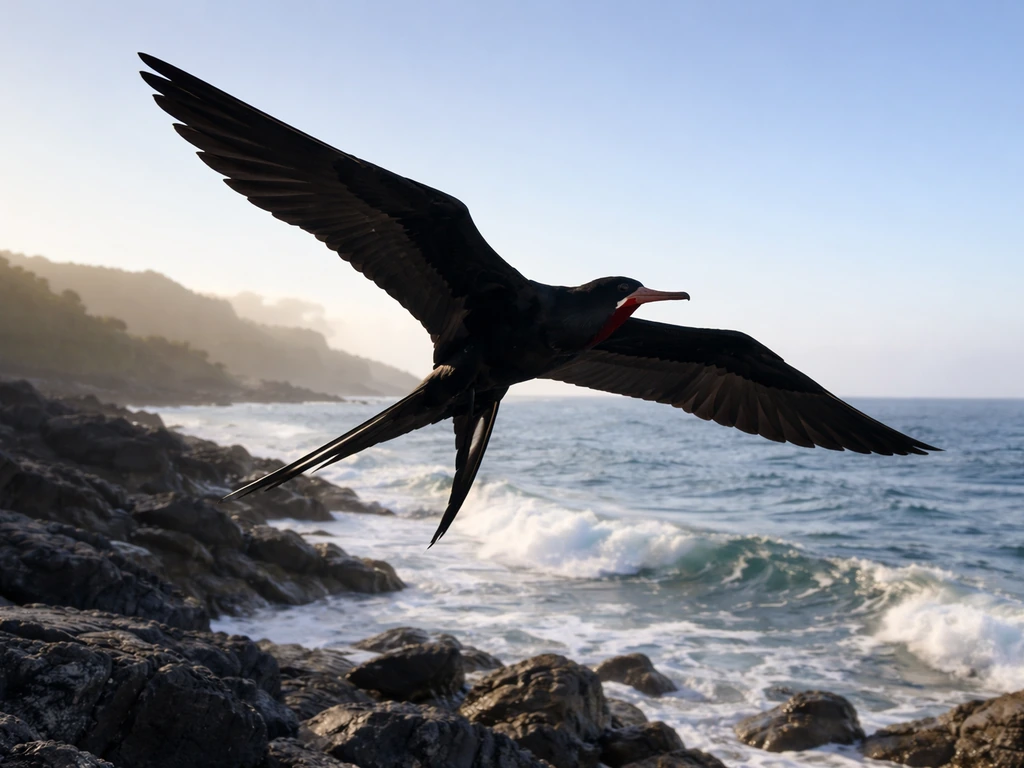
In Hawaiian, 'iwa (correctly spelled with an initial ʻokina: ʻiwa) means 'thief,' and it refers specifically to the great frigatebird (Fregata minor), the large, fork-tailed seabird also called the man-of-war bird in English. If you are wondering about the wawa bird meaning, remember that ʻiwa refers specifically to the great frigatebird and its famous kleptoparasitic behavior 'thief'. That 'thief' gloss is not poetic license, it is a direct description of the bird's defining behavior, and it carries a surprising amount of cultural weight beyond the literal identification.
Iwa Bird Hawaii Meaning: i‘wa Spelling, Species, and Culture

Marcus Blackwell
28 May 2026
The correct spelling and what it literally means
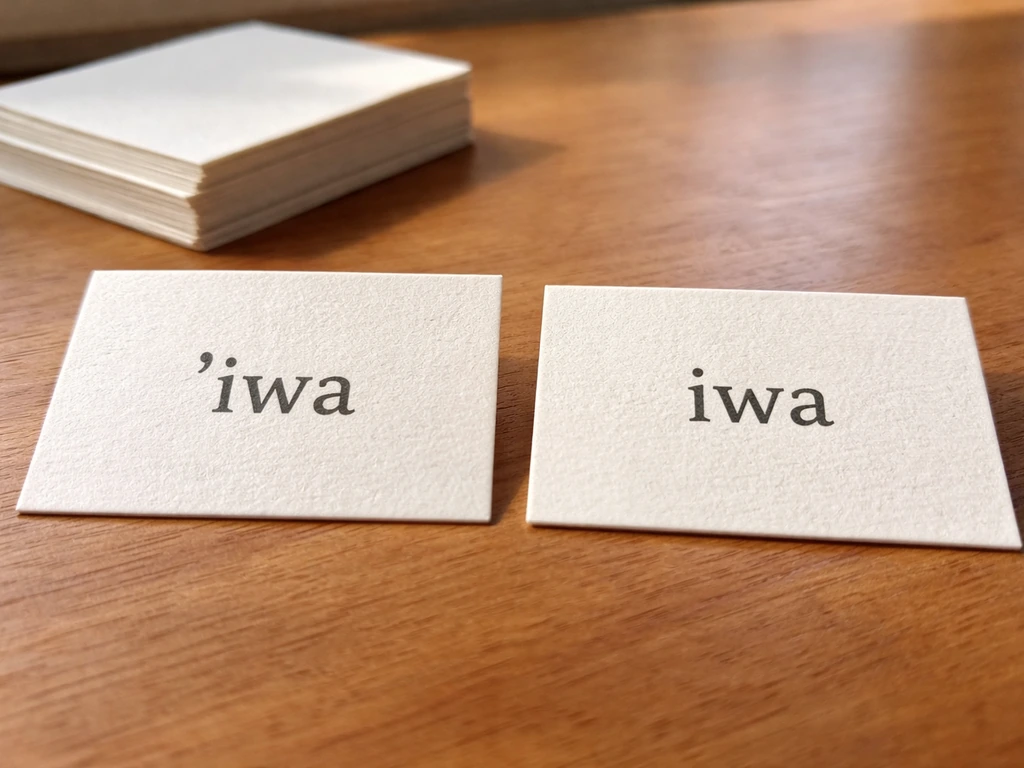
The word is written ʻiwa in standard Hawaiian orthography. That mark at the start is an ʻokina, a glottal stop that is a full consonant in Hawaiian, not a decorative apostrophe. You will also see it written as 'iwa (with a straight apostrophe) in informal or anglicized contexts, and simply as iwa when the diacritical is dropped entirely. All three versions appear in searches, but ʻiwa is the authoritative spelling used by the Hawaiʻi DLNR, the American Bird Conservancy, and the Wehewehe Wikiwiki Hawaiian language dictionaries.
The core definition is straightforward: ʻiwa means 'thief.' Every major Hawaiian-language and wildlife source glosses it the same way. The name is a behavioral label, not a mythological one, it describes exactly what the bird does.
Which bird 'iwa actually is
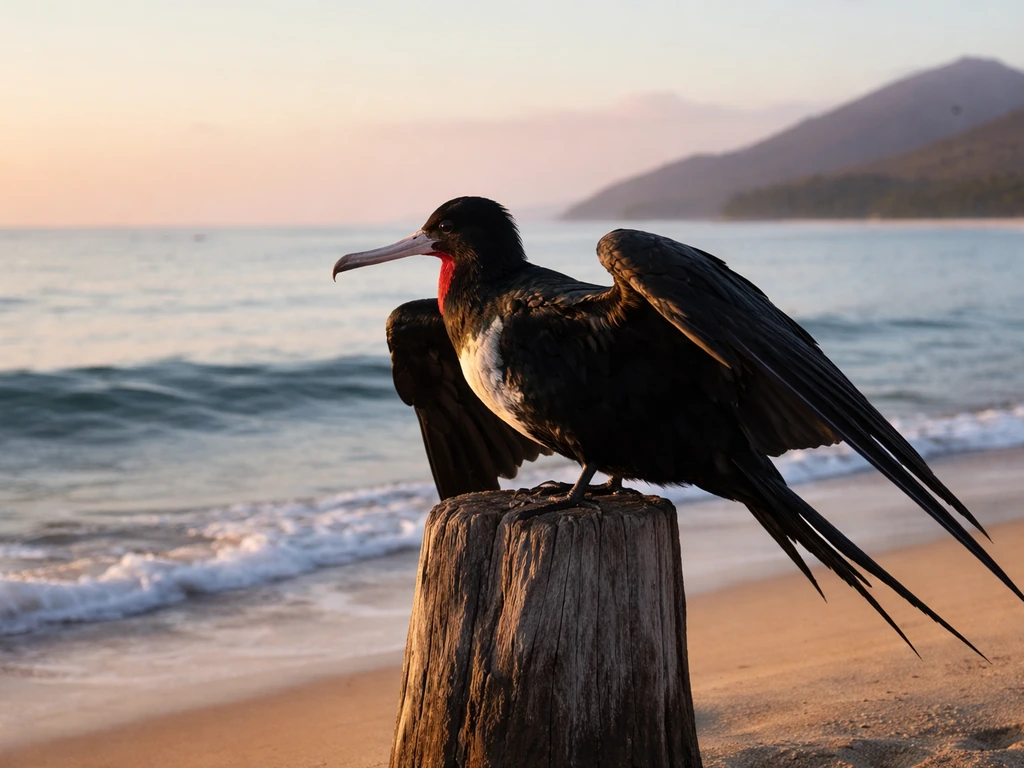
The ʻiwa is the great frigatebird, scientific name Fregata minor. It is one of the most visually distinctive seabirds in the Hawaiian Islands: a large black bird with a deeply forked tail, a hooked beak, and an enormous wingspan relative to its body weight. Males sport a bright red throat pouch that inflates during courtship. In English it is sometimes called the man-of-war bird, a name that parallels the Hawaiian 'thief' label, frigates were fast, predatory warships, just as the ʻiwa is a fast, predatory flier.
The 'thief' name is earned. The great frigatebird cannot land on water and does not dive, so it has evolved an alternative feeding strategy: it harasses other seabirds, particularly boobies, until they drop or disgorge their catch, then swoops in to steal the meal mid-air. Hawaiian ornithologists and wildlife educators consistently tie the bird's name to this kleptoparasitic behavior, and the Hawaiʻi Birding Trails documentation makes this connection explicit. The NPS bird lists for sites like Puʻukoholā Heiau confirm ʻiwa as an indigenous, identified species in the Hawaiian archipelago.
Cultural significance in Hawaiian tradition

The ʻiwa is not just a bird with a funny name, it is woven into Hawaiian place names, proverbs, and chant traditions in ways that reflect genuine respect for the animal's aerial mastery. The bird soars effortlessly on thermals, barely flapping its wings for long stretches, and that quality of graceful, seemingly effortless poise is what Hawaiians found most remarkable and worth commemorating.
Place names: Haleʻiwa
The most familiar example of ʻiwa embedded in Hawaiian culture is the North Shore town of Haleʻiwa, which translates directly as 'house of the frigatebird' (hale = house, ʻiwa = frigatebird). Wehewehe notes that ʻiwa birds were admired for their beauty in the context of this place name, and the DBEDT environmental documentation confirms the same etymology. The name preserves an older association between the bird and a specific landscape where it would have been commonly seen soaring.
Proverbs and weather lore
There is a Hawaiian proverb that uses the ʻiwa as a natural weather indicator: 'Lele ka ʻiwa malie kai koʻo,' which translates as 'When the ʻiwa bird flies, the rough sea will be calm.' This is practical observation embedded in poetic form, the frigatebird's flight behavior was read as a sign of coming weather patterns, giving the bird a role as a navigator's reference. Bird cards at Kaloko-Honokōhau National Historical Park include this proverb line, which signals how deeply this kind of observational knowledge was embedded in daily Hawaiian life.
Figurative uses: beauty, poise, and more
Beyond the weather proverb, Wehewehe documents a figurative use of ʻiwa that might surprise you: the bird was also used as a compliment for attractive, striking people. The example line 'Kīkaha ka ʻiwa, he lā makani', roughly 'The ʻiwa soars, it is a windy day', was used to describe someone who draws admiring attention the way the frigatebird commands the sky. The bird's poise aloft became a metaphor for human elegance and presence. So the same word that means 'thief' at a literal level carries a secondary figurative meaning tied to grace and beauty, which is a good reminder that kaona (layered meaning) is a real feature of Hawaiian language, not just a literary concept.
Figurative and idiomatic usage in context
When you encounter ʻiwa in a Hawaiian text, chant, place name, or personal name, the intended meaning depends heavily on context. Here is a practical breakdown:
| Context | Likely meaning of ʻiwa | Notes |
|---|---|---|
| Wildlife, nature writing, field guides | Great frigatebird (Fregata minor) | Literal species identification; confirmed by DLNR, ABC, NPS |
| Place name (e.g., Haleʻiwa) | Frigatebird as a geographic or historical marker | Reflects the bird's presence in that landscape |
| Proverb or navigational lore | Weather sign; omen of calmer seas | 'Lele ka ʻiwa malie kai koʻo' |
| Describing a person | Graceful, poised, strikingly attractive | Figurative use; see Wehewehe 'Kīkaha ka ʻiwa' example |
| General figurative use | Thief; someone who takes what belongs to others | Directly from the bird's kleptoparasitic behavior |
The dual figurative range, 'thief' on one end and 'graceful beauty' on the other, reflects how Hawaiian poetic tradition often held multiple meanings in a single image simultaneously. Neither reading cancels the other out. If you are reading a chant or mele and the ʻiwa appears, both layers are potentially active.
How to verify the meaning for your specific use case

If you need to confirm the meaning of ʻiwa for a translation, a research project, or to understand something you have read, here are the most reliable places to check:
- Wehewehe Wikiwiki (wehewehe.org): This is the go-to Hawaiian language dictionary for layered definitions. Look up 'iwa' and you will find the literal gloss, the figurative uses, and example sentences including the 'Kīkaha ka ʻiwa' line. It draws from the Pukui and Elbert Hawaiian Dictionary, which is the authoritative scholarly source.
- Hawaiʻi DLNR Wildlife Program pages: These give you the species identification (Fregata minor), the behavioral explanation for the 'thief' name, and confirm the correct ʻokina spelling. Good for the literal bird ID side of your question.
- American Bird Conservancy's species page for the Great Frigatebird: Explicitly maps 'Iwa to Fregata minor with the 'thief' gloss. Useful as a secondary confirmation.
- NPS bird lists for Hawaiian historical parks (e.g., Puʻukoholā Heiau, Kaloko-Honokōhau): These confirm indigenous species status and include proverb material on bird cards.
- Hawaiʻi Public Radio's Manu Minute series: Accessible audio and text content connecting the Hawaiian name to the man-of-war bird identification, good for understanding cultural framing.
One practical check: if the spelling you are working from omits the ʻokina entirely (just 'iwa'), verify that the source is indeed talking about the frigatebird and not a different Hawaiian word. The ʻokina changes meaning in Hawaiian, so the mark matters. Reputable Hawaiian-language sources will include it.
If your interest goes beyond ʻiwa specifically, the broader world of Hawaiian and Pacific bird symbolism is worth exploring. If you also came across the term IRN and are trying to pin down its bird meaning, it helps to confirm which language, species, or transliteration the source is using irn bird meaning. If you are asking about the specific “Ingrid Bird meaning” phrase, it can help to confirm which bird name or language context is being referenced. Related birds carry their own distinct cultural weight, the iwi (ʻiʻiwi), for example, is a brilliant honeycreeper with a very different symbolic role in Hawaiian tradition, and the ibis carries layered meaning in other cultural contexts entirely. The iwi (ʻiʻiwi) name is a separate bird with its own distinct symbolism in Hawaiian tradition. The ibis bird meaning varies across cultures, but it is often discussed in terms of symbolism and how people interpret the bird’s behavior and presence. Each bird name tends to encode behavior, landscape, or mythology in ways that reward close reading.
FAQ
If I see “iwa” without the ʻokina, is it still the same word and meaning (thief, frigatebird)?
Often yes, especially in informal writing, but dropping the ʻokina can introduce confusion in Hawaiian where glottal stops change words. If the surrounding text includes bird behavior, the frigatebird, or place-name context like Haleʻiwa, it is likely ʻiwa. For careful translation work, prioritize sources that include ʻokina, because that is the authoritative spelling and disambiguates edge cases.
Does “iwa” ever refer to a bird other than the great frigatebird (Fregata minor)?
In most Hawaiian-language contexts, ʻiwa is specifically the great frigatebird. If a text is discussing a different seabird, for example a booby, tropicbird, or shearwater, the bird name would typically be different. If the text uses “iwa” but describes a bird that can land on water or dive, that mismatch is a red flag and you should verify the source language and species details.
What should I look for to tell whether “ʻiwa” is literal (bird) or figurative (kaona) in a chant or proverb?
Look for grammatical and semantic anchors. If ʻiwa is paired with flight imagery, weather behavior, or direct natural observation, a literal reading is likely active. If it appears alongside compliments, describing a person’s striking presence, or metaphorical elegance, expect a figurative layer to be intended as well. In Hawaiian kaona, both can operate at once, so translations that force only one meaning may miss the intended effect.
How do I translate “Lele ka ʻiwa malie kai koʻo” accurately without losing the practical meaning?
Aim to preserve both the predictive idea and the observational tone. A close translation should include that the ʻiwa’s flight is associated with calmer seas coming next. Avoid translating it so literally that the proverb sounds like it claims immediate control of the ocean, the key is that the bird’s behavior was used as a weather indicator.
Is the “man-of-war bird” English name the same concept as “ʻiwa (thief)” culturally and behaviorally?
They align as parallel metaphors, but they come from different framing. “Man-of-war bird” points to the bird’s predatory, aggressive style in English, while “ʻiwa” directly labels the kleptoparasitic feeding strategy. If you are explaining both to readers, you can say they describe the same animal behavior, but the emotional or historical associations differ across languages.
What is the most common mistake people make when researching “iwa bird hawaii meaning”?
The biggest mistake is assuming the name is purely poetic or mythological, rather than a behavior-based label tied to kaona and respect. Another frequent issue is transliteration errors, especially treating “’iwa” and “iwa” as interchangeable without checking context. When in doubt, verify that the text is actually talking about the great frigatebird and not using another Hawaiian term with a similar-sounding spelling.
If I am writing a paper or doing translation, how can I confirm I’m reading the right Hawaiian term?
Use a two-step check: first verify the spelling includes the ʻokina when possible, then confirm the described traits match a great frigatebird, large fork-tailed seabird, flight posture on thermals, kleptoparasitism. If either check fails, stop and reassess the transcription, because Hawaiian orthography and species identification are tightly connected in how the term is used.
Does “iwa” have a distinct meaning in personal names, and should I translate it as “thief” every time?
Not necessarily. In names, the intended reading can be literal, figurative, or both, because Hawaiian use often carries layered symbolism. If the name appears alongside themes of grace, presence, or beauty, it may reflect the compliment-like figurative use rather than a character trait. For a precise interpretation, look at the specific chant, genealogy note, or naming context where the name appears.