If you searched 'gull bird meaning,' you're most likely looking for the symbolism of the seabird, freedom, adaptability, coastal life, but there's a second meaning worth knowing: 'gull' is also an old English word meaning a naive person who gets deceived, and the verb 'to gull' means to con or dupe someone. Wikipedia’s “Gull (disambiguation)” page notes that “gull” can refer to multiple meanings, which is why disambiguation matters when searching for “gull bird meaning.” blank" rel="noopener noreferrer">“gull bird meaning”). Both uses are alive in modern English, so context matters. Once you know which one applies to your situation, the interpretation becomes straightforward.
Gull Bird Meaning: Symbolism, Dreams, and Idiom vs Gull

Marcus Blackwell
5 Jul 2026
Two very different meanings packed into one word
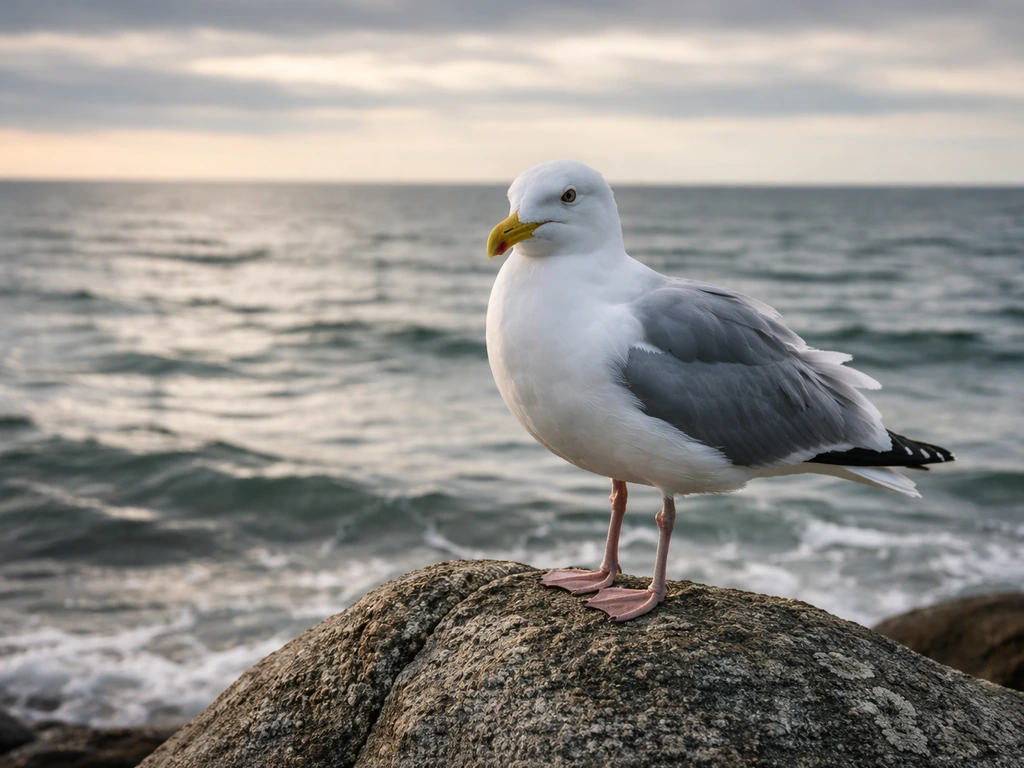
The word 'gull' pulls double duty in English. As a noun, it names any member of the seabird family Larinae, the large gray-and-white birds you see wheeling over harbors, beaches, and parking lots near the ocean. Ornithologists call them gulls; most people call them seagulls, though technically 'seagull' is a casual compound that birders tend to avoid. That's the bird meaning.
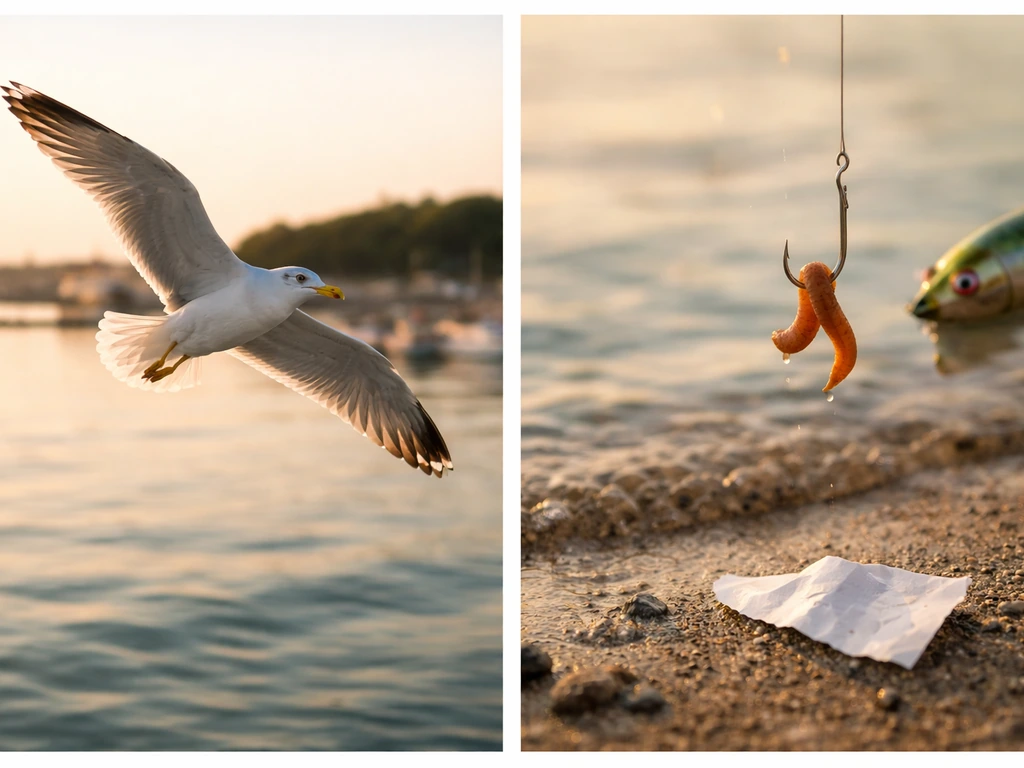
Then there's the other 'gull.' Merriam-Webster defines it as a noun meaning 'a person who is easily deceived or cheated' and a verb meaning 'to deceive or take advantage of.' You'd use it in a sentence like 'We were gulled into believing the contract was fair.' This is where 'gullible' comes from, the adjective grew directly out of the older verb 'to gull,' meaning someone prone to being duped. The two words (the bird and the dupe) are etymologically separate, though some historical linguists have wondered whether they touched at some point. For practical purposes, treat them as homophones with unrelated meanings.
How do you tell which one a speaker or writer means? Simple: if there's a physical bird involved, a sighting, a dream, a poem, a play, you're in bird territory. If someone says 'she was gulled by a smooth-talking salesman' or calls someone 'a complete gull,' that's the deception meaning. When the context is ambiguous (say, a text message with no other clues), the bird sense is statistically more common in everyday searches.
What gulls are actually like (and why it shapes their symbolism)
Symbolism doesn't materialize out of nowhere, it comes from what people observe. Gulls are seabirds, yes, but they're not picky about where they live or what they eat. The herring gull, one of the most recognizable species, is an opportunistic omnivore: fish, carrion, garbage, scraps stolen from other birds, whatever's available. Cornell Lab describes them patrolling shorelines and open water in scattered groups, soaring high and then spiraling down to snatch food off the surface. The National Park Service notes their remarkable success in human-altered environments, these birds adapted to landfills and fast-food parking lots long before 'adaptability' became a self-help buzzword.
Their calls are loud, persistent, and distinctive, the sound most people associate with the ocean even when they're nowhere near it. They're highly social, often found loafing in large groups between feeding runs. And they're coastal by nature, tied to the boundary between land and sea. All of these traits, the scavenging, the noise, the soaring flight, the threshold-dwelling between two worlds, feed directly into how cultures have interpreted them.
What gulls symbolize across cultures and folklore
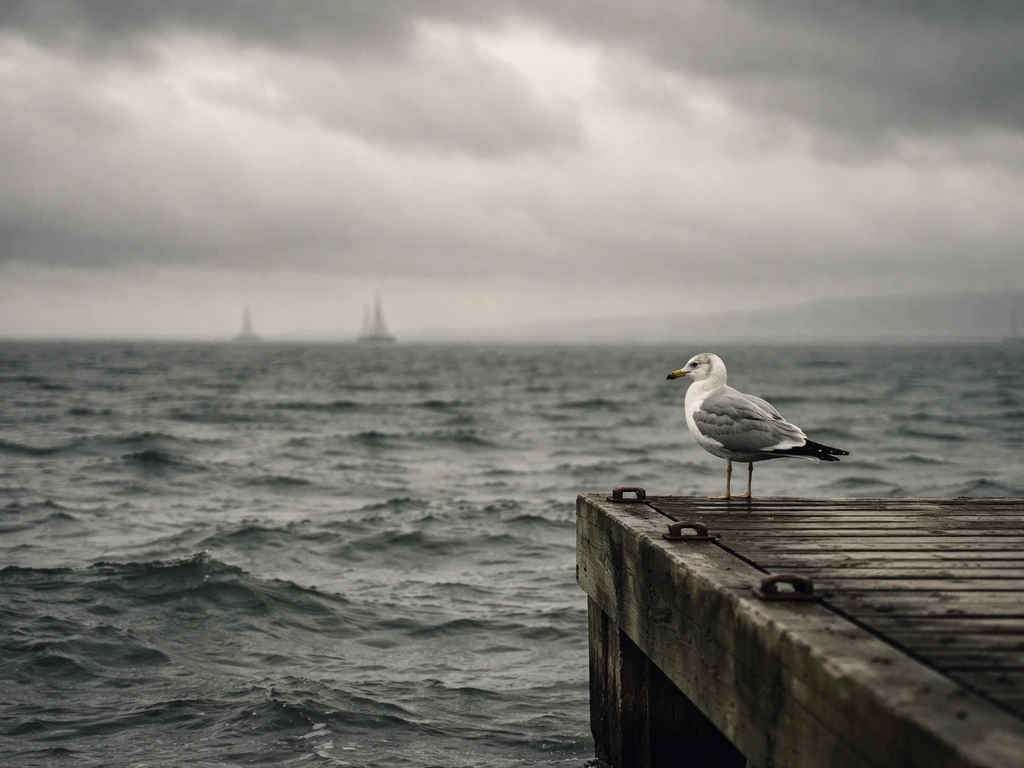
Gulls carry a surprisingly rich symbolic load for birds that most people associate with stolen french fries. The most consistent themes across folklore and literature are freedom, adaptability, and perspective, the ability to rise above a situation and see it clearly from above. Their mastery of both air and sea gives them a liminal quality: creatures that belong to two realms and are fully at home in neither, which makes them natural symbols for transition, boundary-crossing, and the in-between states of life.
In maritime cultures, gulls were sometimes seen as omens of weather or as the spirits of dead sailors. Fishermen paid attention to where gulls flew and how they behaved, treating them as practical weather indicators as much as mystical signs. The idea of a gull as a wandering, restless spirit fits neatly with the actual bird's behavior, always moving, never fully settled.
In literature, Chekhov's play 'The Seagull' is the most analyzed gull symbol in the Western canon. SparkNotes reads the seagull as representing freedom and security, while LitCharts adds a darker layer: the seagull also stands for lost innocence and freedom destroyed, particularly through the image of a gull that has been slain. These aren't contradictory readings, they reflect the bird's dual nature, a creature associated with soaring freedom that can also be brought down. It's worth noting that sibling topics like the gugu bird and ghuggi bird explore similarly layered meanings in their own cultural traditions, showing how bird symbolism tends to carry both aspirational and cautionary weight across very different folklore systems. If you're also curious about the gugu bird meaning, it similarly shows how bird symbolism can shift between hopeful and cautionary interpretations depending on the tradition.
Core symbolic themes at a glance
- Freedom and the open horizon—gulls in flight represent unrestrained movement and possibility
- Adaptability—thriving in changing or difficult conditions, making do with what's available
- Perspective and clarity—the bird's-eye view as a metaphor for rising above problems
- Transition and liminality—existing between land and sea, comfort and wildness
- Restlessness and wandering—the gull as a symbol for the nomadic or unsettled spirit
- Opportunity—the scavenger's ability to spot and seize what others overlook
- In some maritime traditions, the souls of the dead or omens of storms
Gulls in dreams and unexpected sightings, how to read what you noticed
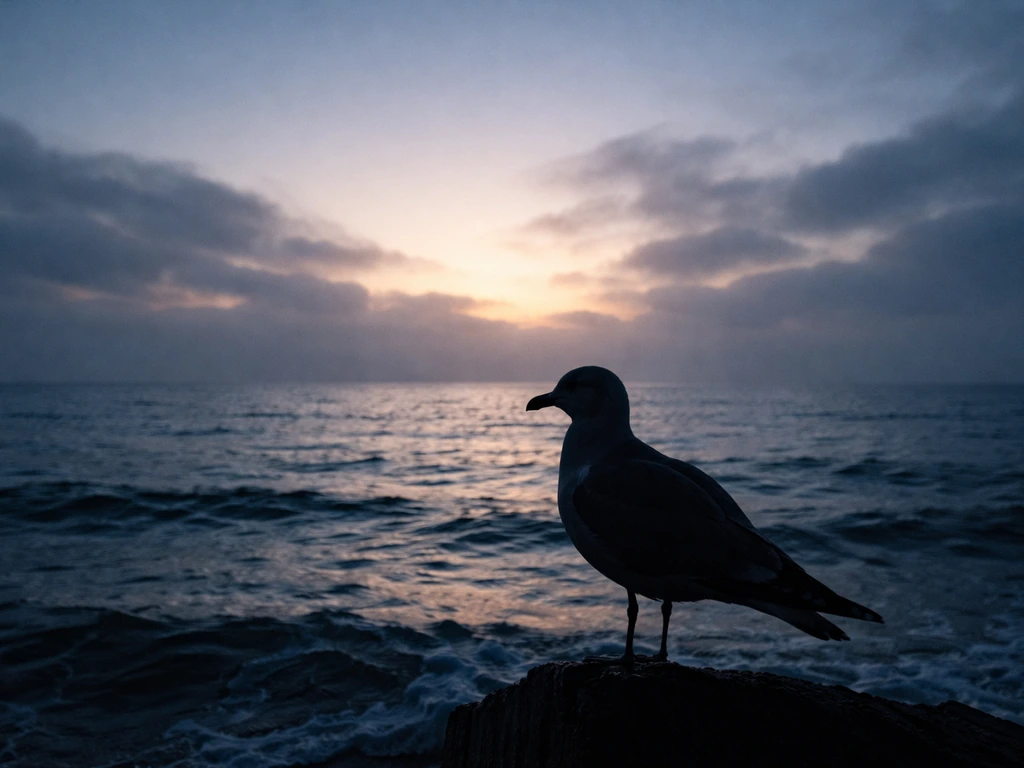
Dream interpretation is genuinely useful when you treat it as a way to reflect on your own emotional state rather than a predictive oracle. If you meant the phrase “jubjub bird meaning,” it refers to the mythical creature’s usage and what people read into it Dream interpretation. Dream-dictionary sources tend to associate gull imagery with themes of freedom, opportunity, and perspective, a gull soaring overhead often maps onto feelings of wanting more space or autonomy in your waking life. A gull in an unusual location (say, inland, far from water) can suggest feeling out of place or navigating unfamiliar territory. An attacking gull in a dream is frequently linked to anxiety or feeling pressured by demands from others. A dead or injured gull tends to surface when something feels lost or constrained.
A note of caution here: major scientific and psychological frameworks (Freudian, Jungian, and modern neuroscience) disagree on whether dreams carry symbolic meaning in any universal sense. A Reddit discussion in r/askpsychology reflects skepticism, arguing that dream interpretation can be pseudoscientific because it is based on unverifiable foundations dreams carry symbolic meaning. Healthline summarizes that multiple theories exist and none is definitively validated. The Cleveland Clinic cautions that more research is needed even on basic dream mechanisms. Use dream symbolism as a prompt for self-reflection, not as a forecast. If you dreamed of a gull and the image stuck with you, ask what the gull felt like in the dream, free, menacing, lost?, and work from your own emotional response rather than a fixed dictionary definition.
For real-world sightings: if you saw a gull near your home and you're far from the coast, it's most likely a bird that followed a river, a landfill, or a food source inland, gulls do this regularly. If you're at the coast, a gull is just a gull doing gull things. The symbolic impulse to read meaning into an encounter is natural and often personally valuable, but it's worth grounding it in what you know about the bird's actual behavior before deciding it's a message.
Idioms, slang, and expressions using 'gull' and 'seagull'
The deception-meaning of 'gull' shows up in a cluster of English idioms and expressions, most of them rooted in the idea of naivety. Cambridge Dictionary explicitly lists 'gull' as a synonym for 'dupe' and 'patsy' in fraud contexts, the victim of a con is called a gull because they were easily fooled, the same naivety captured in 'gullible.' A Reddit discussion about English usage makes a useful distinction: 'to gull' is more specific than 'to deceive' because it implies the victim is particularly naive or trusting, not just that the deceiver was clever. The word carries a mild but real judgment of the person being fooled.
On the bird side, 'seagull' has entered workplace slang in a way that's worth knowing. A 'seagull manager' is someone who flies in, makes a lot of noise, leaves a mess, and then flies back out, the reference to the bird's actual behavior is pretty pointed. The term has spread widely enough to appear in management and HR contexts without much explanation needed. It captures something real about a specific kind of disruptive, uninvested leadership style.
In literature and poetry, the seagull tends to appear as a symbol of freedom or longing, often in works set near the sea. Chekhov's play is the most prominent example, but the image of the crying gull shows up across maritime poetry as shorthand for isolation, the vastness of the ocean, and the ache of departure or return. The gull's call, specifically, is often used to evoke emotional distance.
Picking the right interpretation for your situation
Here's a quick checklist to cut through the ambiguity and land on the meaning that actually fits your context. This is also why the phrase "ghuggi bird" is often searched as a meaning question in English ghuggi bird meaning in english.
- Did you encounter or dream about an actual bird? If yes, you're working with the seabird symbolism—jump to the freedom, adaptability, and perspective themes.
- Did you read or hear the word 'gull' in a sentence about being deceived, tricked, or taken advantage of? That's the 'dupe' meaning—think 'gullible,' think 'patsy.'
- Are you reading a literary work that features a seagull prominently? Chekhov's 'The Seagull' is the most likely reference; freedom and lost innocence are the dominant threads.
- Did someone call a manager or coworker a 'seagull'? That's the workplace slang—the noisy fly-in-fly-out leadership style.
- Is the gull appearing in a dream? Note your emotional response first, then map it to the themes: soaring gull = freedom/opportunity; attacking gull = pressure/anxiety; dead gull = loss/constraint.
- Are you near the coast and just curious why gulls are everywhere? They're opportunistic omnivores. The symbolism is interesting; the practical explanation is simpler.
What to actually do with this (practical takeaways)
If the gull meaning you're after is symbolic, a dream, a sighting that felt significant, a passage in a book, the most useful thing you can do is anchor the symbol to your current situation. What in your life right now connects to freedom, adaptability, or feeling like you're between two worlds? The gull works as a reflection tool, not a prophecy. Write down the feeling the encounter gave you and sit with that rather than looking for a fixed 'omen' answer.
If you're tracking down the linguistic meaning, because you read 'to gull' in a novel or heard someone use it, know that it's an older, somewhat formal English word for being deceived, and its legacy lives in 'gullible.' It's not common in casual modern speech, but it does appear in literary writing, legal contexts, and occasionally in journalism about fraud. Recognizing it when you see it is genuinely useful for reading comprehension.
If you're exploring broader bird symbolism and want to go deeper, comparing gull imagery to other culturally loaded birds is worthwhile. The jubjub bird in Jabberwocky and the ghuggi bird carry their own distinct symbolic traditions, and looking across multiple bird meanings shows how much cultural weight gets packed into animal imagery across different traditions. If you’re curious, the jubjub bird meaning in Jabberwocky is usually discussed in terms of how it reflects Lewis Carroll’s playful, ominous style The jubjub bird in Jabberwocky.
One last thing: don't over-literalize. A gull landing near you on the beach is not a cosmic message. The value of bird symbolism is in what it prompts you to think about, not in treating the bird as a messenger with a specific directive. Use the symbol to open a question, not to close one.
FAQ
If someone texts “lol, got gull’d,” do they mean the bird or the scam meaning?
In nearly all casual texting, “gull’d” means you were deceived, conned, or taken advantage of. The bird meaning would be tied to an actual bird sighting or imagery, like “there’s a gull on my window,” not a verb like “gull’d.”
What’s the difference between “gull,” “dupe,” and “patsy” when talking about a con?
“Gull” emphasizes the victim’s naivety or trusting nature, not just that someone was fooled. “Dupe” is closer to “be deceived,” while “patsy” often adds the idea of being used, scapegoated, or set up, depending on context.
Is “seagull” ever the correct choice instead of “gull” for the bird meaning?
Yes, in everyday English “seagull” is widely used for gulls in general. The article’s distinction is mainly nerdy, but if you are writing for general readers, “seagull” will usually be understood, while “gull” is more precise and birdwatcher-friendly.
What clues in a sentence tell me whether “gull” is a bird or a deception verb?
Look for nearby nouns and actions. Bird sense often pairs with physical cues like “on the pier,” “wheeling,” “calls,” or “nesting.” Con sense pairs with people, transactions, or trust, like “contract,” “salesman,” “tricked,” “con,” or “contract was fair.”
Can “gull” have a negative meaning even when it’s clearly a bird?
Symbolically, yes. Even though gulls are often linked with freedom, they can also represent discomfort or opportunism because many species are scavengers around humans. If your personal reaction felt gross, crowded, or irritated, the symbol may be reflecting boundaries or unwanted “takeover” of your space.
In dream interpretation, does the color or number of gulls change the meaning?
It can, as a reflection prompt. For example, a single gull may relate to a specific choice about autonomy, while many gulls can suggest stress from multiple demands. Color shifts (if you notice them) are best treated as “how did it feel” rather than a guaranteed universal code.
What should I do if a dream about a gull feels intense or scary?
Treat it as a feelings check first. If the dream includes aggression or panic, ask what in waking life feels pressuring, exposed, or unpredictable. If the reaction carries into the day, it can help to write one sentence about the boundary you want to set.
If I saw a gull inland, does that automatically mean something symbolic happened?
No. Inland sightings commonly come from rivers, lakes, parking lots, landfills, or other reliable food sources. A symbolic meaning is optional and should be grounded in what the encounter reminded you of emotionally, not assumed as an omen.
Is “seagull manager” only a modern HR insult?
It’s slang built from a real behavior pattern, noisy arrivals, mess-making, and then leaving. Because it’s a metaphor, people may disagree on how harsh it should be, so in workplace use it carefully, ideally describing behaviors instead of branding someone as a “seagull.”
When reading literature like Chekhov’s “The Seagull,” should I expect one fixed meaning?
Not necessarily. Even when a work has common themes like freedom or lost innocence, writers often use the image in multiple ways across scenes. The most practical approach is to track how the symbol functions in that specific moment, what character needs, and what conflict is happening.
Are dream dictionaries reliable for “gull bird meaning” searches?
They are only a starting point. Since major psychological frameworks do not treat dream symbols as universally fixed, dictionary-style answers can distract from what matters most, your emotions in the dream and your current life context.
Could the “gull” etymology be mixed up in the back of my mind when I see the word “gullible”?
They are linked by history, but they do not mean the same thing. “Gullible” comes from the deception verb sense, not the bird. If you’re reading, a quick mental rule is “words about being deceived tend to cluster around trust and fraud vocabulary,” while bird references will cluster around sightings and habitat.
Next Articles
Jubjub Bird Meaning in Jabberwocky: Definition and Symbolism
Meaning of the jubjub bird in Jabberwocky, its role in Carroll’s nonsense language, and its common symbolism.
Munster Bird Meaning: Folklore, Symbolism, and How to Verify
Meaning of Munster bird searches: folklore, symbolism, idioms, spelling variants, and quick ways to verify the reference
Martin Bird Meaning: Symbolism, Folklore, and Signs
Learn martin bird meaning with symbolism, folklore, and how to identify the right species for omens and dreams.