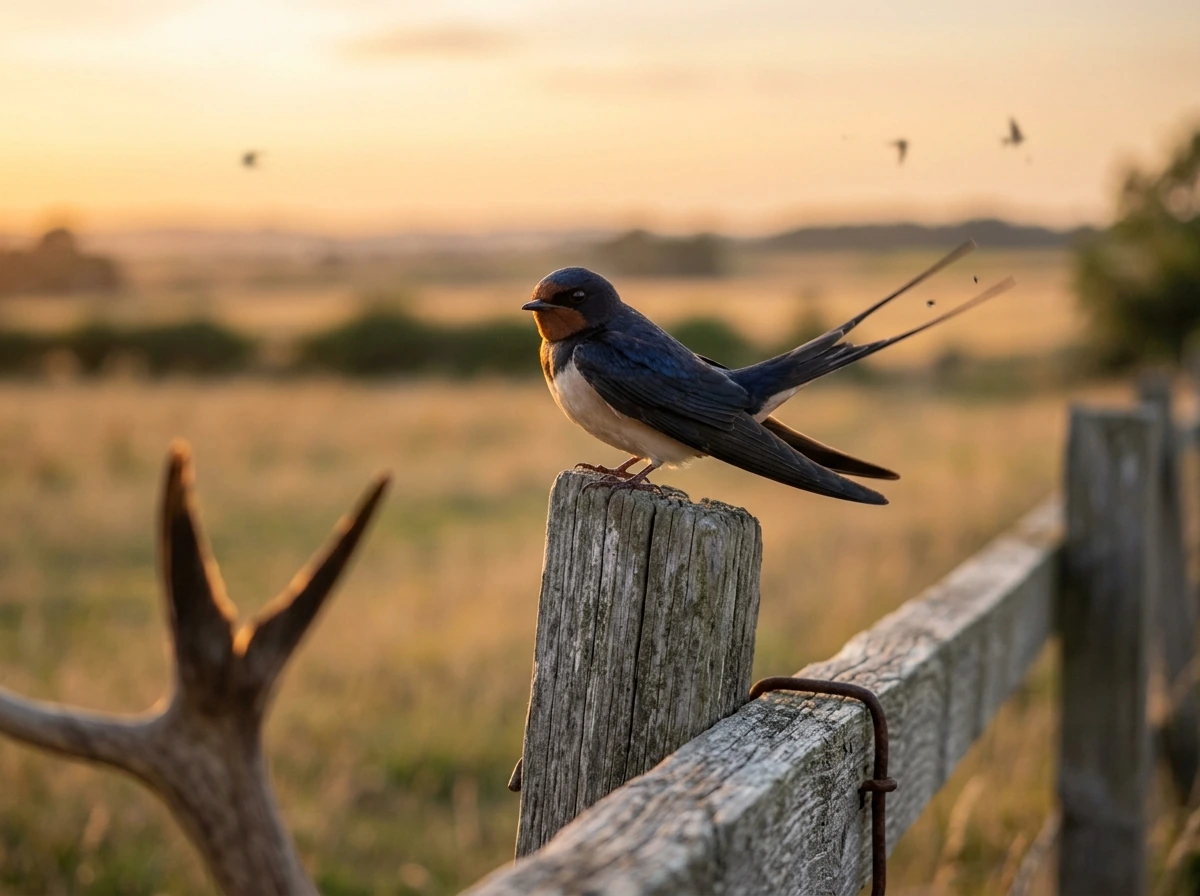
If you searched for 'swallowtail bird meaning,' you are almost certainly looking for one of two things: either the symbolism attached to the swallowtail butterfly (which people routinely call a 'swallowtail bird' by accident), or the meaning behind the actual swallow-tailed kite, a real bird with a dramatically forked tail that looks like it borrowed its shape from a butterfly. Both are worth knowing about, and the symbolic meanings associated with each are genuinely rich. Here is how to tell which one applies to your situation, and what each one actually means.
Swallowtail Bird Meaning: Butterfly vs Bird Explained

Marcus Blackwell
23 Mar 2026

Swallowtail butterfly or swallowtail bird? Let's clear this up first
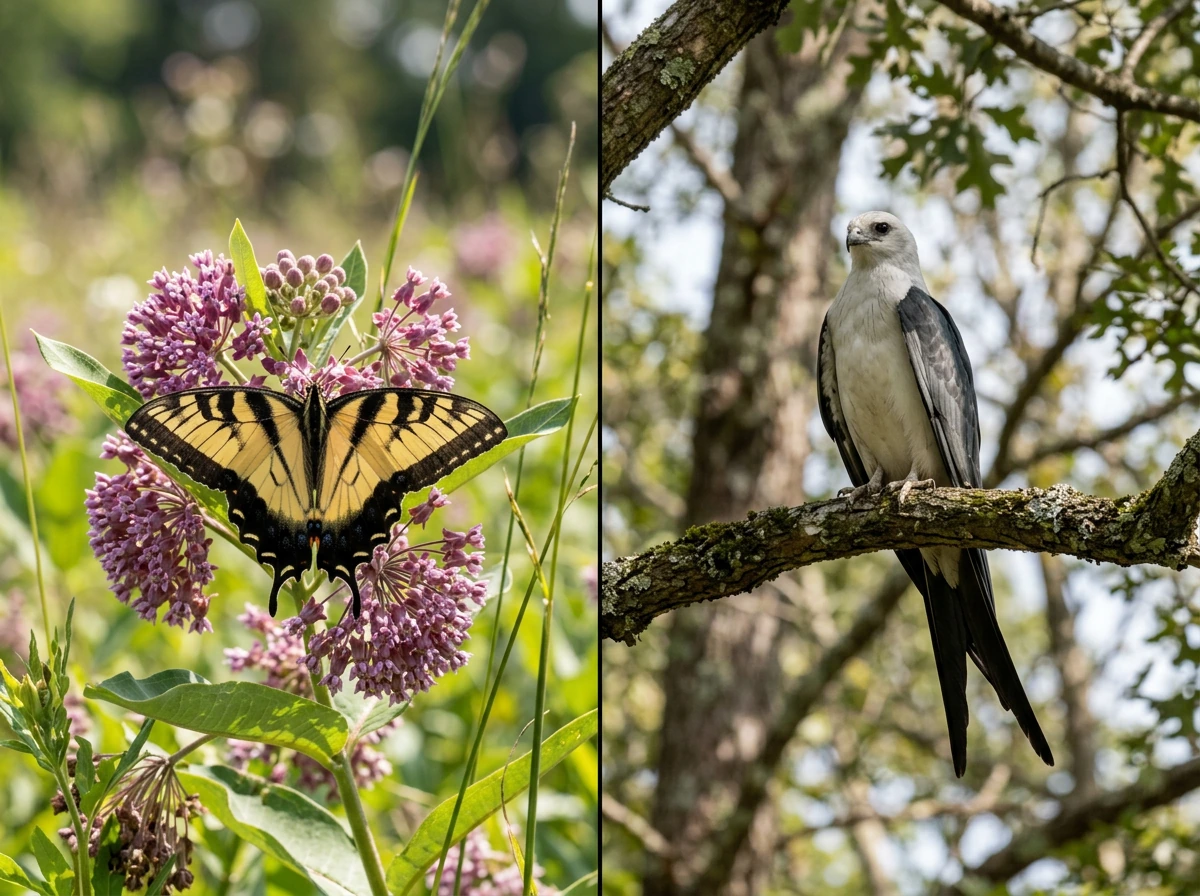
The word 'swallowtail' belongs first and most commonly to butterflies. Swallowtails are large, colorful butterflies in the family Papilionidae, and they get their name from the tail-like extensions on their hindwings that visually echo the forked tails of swallow birds. That naming link is exactly what creates the confusion: the butterfly was named after the bird's tail shape, so people searching for a 'swallowtail bird' often land on butterfly content when they intended something else entirely.
The actual bird in this picture is the swallow-tailed kite (Elanoides forficatus), a real raptor with a deeply forked tail and a crisp black-and-white coloring that makes it one of the most striking birds in North America. If you are actually here for swallow tail bird meaning, the swallow-tailed kite is the specific bird people usually mean when they say the phrase. Cornell Lab describes it as a 'crisp black-and-white raptor' roughly 60 cm long including its long forked tail. It soars over swamps, marshes, cypress wetlands, and large rivers, and by the end of summer every swallow-tailed kite in the United States migrates south to South America. So if you spotted something dramatic and fork-tailed over a wetland, that is your bird.
There is also a third possible angle: plain swallows (family Hirundinidae), which are the barn swallows, cliff swallows, and martins that carry centuries of folklore about spring, home, and safe return. If the imagery you are trying to decode does not quite match the kite's black-and-white drama but feels more like a small, fast, acrobatic bird associated with home and seasons, the meaning attached to swallows in general is what you actually want. The related article on the <a data-article-id="23CF9529-C23C-4791-93A4-45B5764B5AEB">meaning of the swallow bird</a> goes deep on that thread. If you want the swallow bird meaning behind similar symbolism, this helps you separate it from butterfly meanings meaning of the swallow bird. surfin bird meaning
| What you're looking at | Correct name | Primary domain of meaning |
|---|---|---|
| Large colorful butterfly with forked hindwings | Swallowtail butterfly (Papilionidae) | Transformation, metamorphosis, beauty |
| Black-and-white raptor with deeply forked tail | Swallow-tailed kite (Elanoides forficatus) | Elegance, freedom, migration, change |
| Small fast bird linked to spring and home | Swallow (Hirundinidae — barn swallow etc.) | Return, seasonal cycles, safe passage |
What 'swallowtail' symbolizes: transformation above everything else
Whether you are talking about the butterfly or the kite, transformation is the dominant theme that runs through swallowtail symbolism across cultures. For the butterfly, this is almost self-evident: swallowtails undergo complete metamorphosis, moving from egg to caterpillar to chrysalis to adult butterfly. For the black swallowtail specifically, that chrysalis stage alone takes roughly 9 to 18 days before the adult emerges. That biological process of radical, irreversible change from one form into something entirely different became the core metaphor the moment humans started paying attention to it.
In Chinese cultural tradition, butterfly symbolism centers specifically on transformation and love. The image of the butterfly, particularly a large colorful one like a swallowtail, carries connotations of joy, delicacy, and the beauty of a life in transition. Swallowtail imagery also appears in Greco-Roman art, including Roman mosaics and decorative frescoes, suggesting this has been a meaningful visual symbol for at least two thousand years. When you see a swallowtail in an artwork, a tattoo, or a piece of literature, the most reliable first interpretation is: something is in the process of becoming something else.
For the swallow-tailed kite, transformation takes on a slightly different flavor. This bird is a master of effortless, graceful movement, spending most of its time airborne, snatching dragonflies and other insects right out of the sky without stopping. Its migration is total and complete: when late summer arrives, every kite in the United States disappears south. That full departure and full return cycle maps naturally onto themes of letting go, seasonal change, and new beginnings, which is why the kite's appearance can feel symbolically significant even to people who do not know exactly what they are looking at.
The bird-specific meanings: messengers, migration, and timing
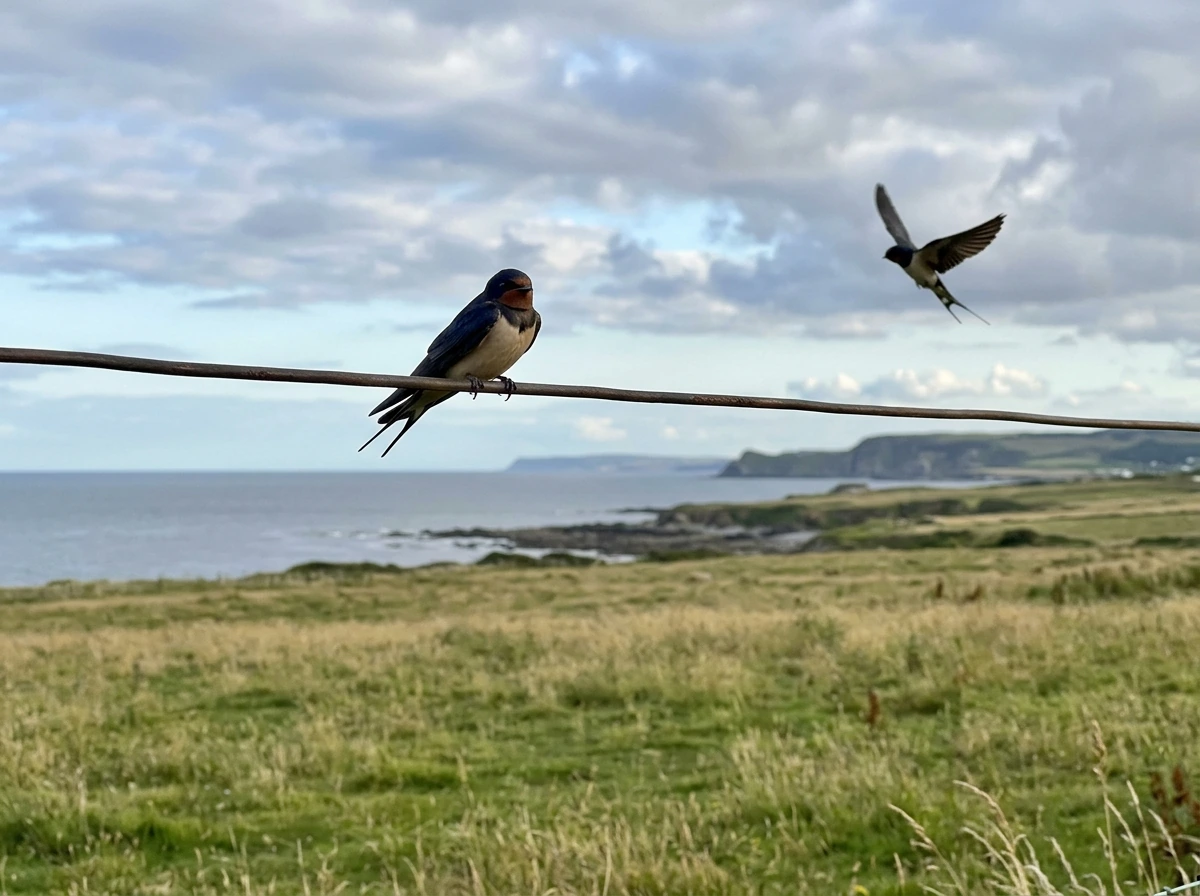
Swallows in general carry a specific set of meanings that are worth understanding because they bleed into how people interpret swallowtail imagery. The barn swallow has been called a herald of spring across many folk traditions, and the idea is simple: when swallows return from their winter migration, warmer seasons follow. This is not just poetic, it reflects observable ecological reality, which is why the symbolism stuck. The famous annual 'Return of the Swallows' at Mission San Juan Capistrano in California, traditionally observed around March 19, is probably the most culturally embedded version of this idea in North America.
The messenger angle comes from the swallow's role as a traveler between distant places. Sailors historically associated swallow sightings with land and safety, and the swallow tattoo among seafarers specifically represented a safe return home after a long voyage. One swallow seen at sea meant you were close to shore. That symbolism extended into the broader idea of swallows as carriers of good news, or as signals that something long-awaited was finally arriving. The proverb 'one swallow does not make a spring,' traced back to Aesop and Aristotle, is actually a caution against over-reading a single sighting, which is useful advice for anyone trying to interpret a bird encounter today.
Timing matters enormously in this tradition. A swallow or swallow-tailed kite seen in early spring carries different symbolic weight than one seen at the end of summer, when the kite's entire U.S. population heads south. An early-season sighting aligns with themes of new beginnings and return. A late-season sighting maps more naturally onto themes of departure, completion, or the end of a chapter. The same bird, different message, depending on when you encounter it.
Cultural and folklore connections people commonly make with swallowtail imagery
Across cultures, the swallowtail's most consistent symbolic associations cluster around a handful of clear themes. Here is what shows up most reliably:
- Transformation and metamorphosis: The butterfly life cycle is the most universal entry point. A swallowtail in art or dream imagery almost always signals a change in progress or a transition from one life stage to another.
- Beauty and elegance: Swallowtail butterflies are large and vividly colored, and the kite is visually dramatic. Both carry connotations of natural grace and aesthetic refinement.
- Freedom and flight: The swallow-tailed kite's aerial lifestyle, spending most of its existence airborne, connects it to themes of liberation, unencumbered movement, and living without restriction.
- Love and partnership: In Chinese folklore specifically, two butterflies together often represent romantic love and partnership. A single swallowtail may represent the individual; a paired image suggests union.
- Return and belonging: From the Capistrano swallows to sailor tattoos, the broader swallow family carries deep associations with homecoming and the comfort of familiar places after long absence.
- New beginnings and seasonal change: Swallow and swallowtail imagery often marks thresholds, spring arrivals, personal reinventions, or the start of something that could not exist in the previous form.
One caution: a lot of online 'meaning' content about swallows blends bird symbolism and butterfly symbolism without flagging the difference, which is exactly how the confusion compounds. If you read somewhere that a 'swallowtail bird' means transformation and love, check whether the source is actually talking about a butterfly. If you read somewhere that a 'swallowtail bird' means transformation and love, check whether the source is actually talking about a butterfly meaning of swallow bird. The meaning may still apply to your situation, but it helps to know which tradition you are borrowing from.
How to interpret an actual sighting in context
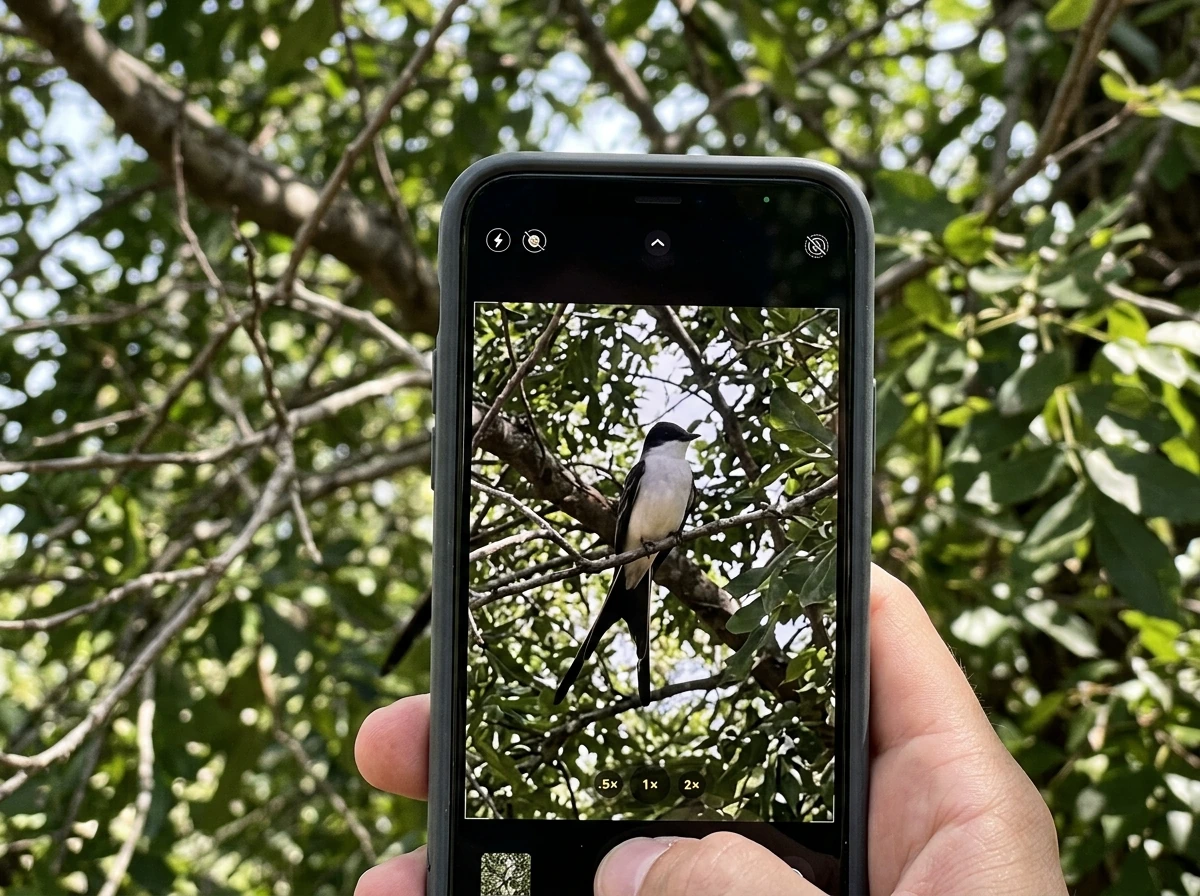
If you saw something and you are trying to figure out what it means, start with the practical question: what exactly did you see? If it was a large, fork-tailed black-and-white raptor soaring over open water, wetlands, or pine flatwoods, you almost certainly saw a swallow-tailed kite. If it was a small, fast, acrobatic bird eating insects in flight near a barn or riverbank, you saw a swallow. If it was a butterfly, even a large spectacular one, the bird framework does not apply and the butterfly's metamorphosis symbolism is what matters.
Once you have identified what you actually saw, context is your best interpretive tool. Ask yourself these questions:
- What time of year is it? A swallow-tailed kite or swallow in spring (roughly March through May in North America) aligns with themes of return, new beginnings, and seasonal optimism. A late-summer sighting, when kites are preparing to migrate south, maps onto themes of endings, departure, or completing a cycle.
- What was the bird doing? A kite soaring effortlessly overhead suggests freedom and grace. A swallow feeding aggressively suggests practical energy and resourcefulness. A bird that seemed to linger near you or your home connects more naturally to the homecoming and belonging symbolism.
- Where were you when you saw it? Wetlands, rivers, and open sky are the swallow-tailed kite's natural territory. A sighting in an unexpected location carries more symbolic weight than one in a typical habitat, simply because it is unusual.
- What is happening in your life right now? Symbolism only gains traction when it resonates with something real. If you are in the middle of a major personal change, a transformation symbol lands differently than it would during a stable period. Let your current situation inform how you weigh the meaning.
The proverb logic about swallows is worth repeating here: one sighting is a prompt for reflection, not a prophecy. The bird is not delivering a verdict on your situation. It is offering a frame, and what you do with that frame is up to you.
Putting the meaning to practical use
In journaling and personal reflection
If a swallowtail image or sighting prompted you to search for meaning, the most productive thing you can do is write about it. What were you thinking about when you saw it? What transition or decision is currently sitting with you? Swallowtail symbolism, whether butterfly or kite, consistently points toward change in progress. Use that as a journaling prompt: what is transforming in your life right now, and are you moving through that transformation with ease (the kite, soaring effortlessly) or are you still in the chrysalis stage, waiting for something to emerge?
In writing, literature, and symbol decoding
If you are trying to decode swallowtail imagery in a piece of writing, a poem, or a story, the butterfly-versus-bird distinction matters for getting the tone right. A swallowtail butterfly in a text points toward internal transformation, delicacy, and often mortality or spiritual passage (the soul-as-butterfly motif is ancient and widespread). A swallow or swallow-tailed kite in a text more likely signals a journey, a homecoming, or the marking of a seasonal threshold. Look at the context: is the image connected to a character's inner life, or to movement through the world?
In tattoo and dream interpretation
Swallowtail butterfly tattoos are one of the more common choices for people marking a major life change, a personal reinvention, or a period of growth they want to permanently acknowledge. The metamorphosis symbolism is explicit and widely understood, which makes it a strong choice when that is the intended meaning. Swallow tattoos, as noted above, carry the older sailor tradition of safe return, loyalty, and the comfort of home. If you are trying to interpret someone else's swallowtail tattoo, the best approach is to ask which tradition they were drawing from: the butterfly's transformation story, or the swallow's homecoming and belonging narrative. They are related but distinct.
In dreams, a swallowtail typically shows up as a transformation signal. If the butterfly or bird in your dream was in flight and moving freely, the common interpretation leans toward successful change or imminent positive transition. If it was trapped, still, or struggling, the dream is more likely processing anxiety about a change that feels difficult or forced. Dreams are personal, so treat any symbolic framework as a starting point rather than a fixed answer.
As an omen or personal sign
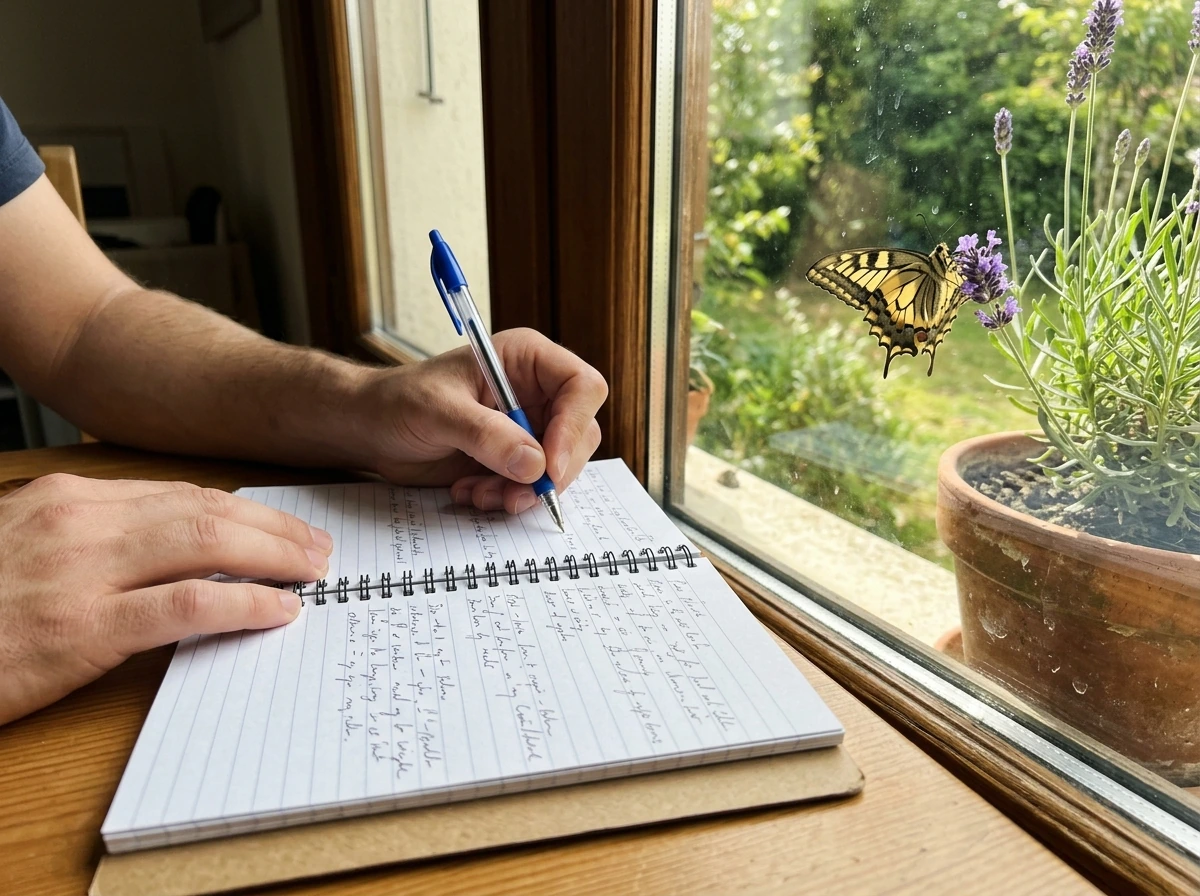
If you experienced a swallowtail sighting that felt significant, the most grounded approach is to treat it as a prompt rather than a prediction. The cultural weight behind swallowtail imagery, from two-thousand-year-old Roman mosaics to contemporary tattoo traditions, all points in the same direction: something is changing, something is returning, or something is about to emerge. Which of those resonates with where you are right now is the interpretation that matters. The bird or butterfly is not telling you what will happen; it is giving you a lens for thinking about what is already in motion.
FAQ
How can I tell whether “swallowtail bird meaning” refers to a kite, a swallow, or a butterfly in my own situation?
Use three quick visual checks: forked tail plus black-and-white raptor body and wetland or open-water setting usually points to the swallow-tailed kite. Small, fast, acrobatic bird with a simpler silhouette near buildings or riverbanks suggests a swallow. Any clearly patterned wings with “butterfly” flight style and stationary landing behavior suggests a swallowtail butterfly, where metamorphosis symbolism is the correct frame.
Why do some “swallowtail bird meaning” pages give conflicting interpretations?
If the online source doesn’t explicitly mention the butterfly life cycle or the swallow-tailed kite’s migration, treat its meaning claims as generic. A reliable clue is whether it names metamorphosis steps (egg, caterpillar, chrysalis) for butterflies, or a season-long departure/return cycle for kites and swallows.
Does the meaning change depending on what month I saw it?
In practice, timing is easiest if you anchor to your local season and typical range. An early-spring swallow or kite sighting tends to feel like “return and new beginnings,” while late-summer often maps to “completion and letting go” because migration is underway. If you saw the animal far outside its expected season, reinterpret symbolically rather than literally.
What if I only saw one swallow or kite, does that mean less?
Yes, but it should change the confidence, not the symbolism entirely. A lone swallow sighting is more like a prompt for reflection than a guaranteed sign, consistent with the “one swallow does not make a spring” idea. Multiple consistent sightings over days can still be meaningful, but you should avoid treating a single moment as an absolute prediction.
How do I avoid confusing swallow tattoo symbolism with swallowtail butterfly tattoo symbolism?
Swallow tattoos and swallowtail butterfly tattoos often get mixed up, and the meaning can flip. Swallow-themed tattoo symbolism commonly leans toward homecoming, safe return, loyalty, or travel. Butterfly swallowtail tattoos more directly reference internal change and reinvention through metamorphosis. If you are interpreting someone else’s ink, ask what it’s paired with (dates, other animals, direction, or words).
What’s the most useful way to interpret swallowtail symbolism in a dream?
If you want the meaning that best fits a dream, pay attention to how “constrained” the creature feels. A free, airborne swallowtail (butterfly or kite) aligns with the idea of change moving forward. A trapped, still, or struggling swallowtail often reads as anxiety about transformation, stalled progress, or fear of emergence.
If I saw a swallowtail in real life, what should I do with the meaning instead of obsessing over it?
Don’t force a “prediction.” The practical next step is to write one sentence about what transition you are currently in, then one sentence about what decision or boundary would make movement easier. This turns the symbolic “frame” into something actionable, and it prevents over-reading a random encounter.
What if I’m not sure what I actually saw, can I still interpret it?
Yes. If the sighting felt intense, but you cannot confidently identify whether it was butterfly versus bird, treat the meaning as “change in motion” rather than choosing one specific narrative (love and delicacy for butterfly art, homecoming and seasonal thresholds for swallows and kites). Once you identify the subject clearly, you can refine the interpretation.
How do writers decide whether to use butterfly symbolism or swallow symbolism for a scene?
When the symbol appears in writing, context controls tone. For butterfly imagery, look for themes tied to inner life, spiritual passage, mortality, or personal reinvention. For swallow or kite imagery, look for themes tied to travel, returning, seasonal thresholds, or characters moving through the world. If the passage emphasizes movement from place to place, a bird framework usually fits better.