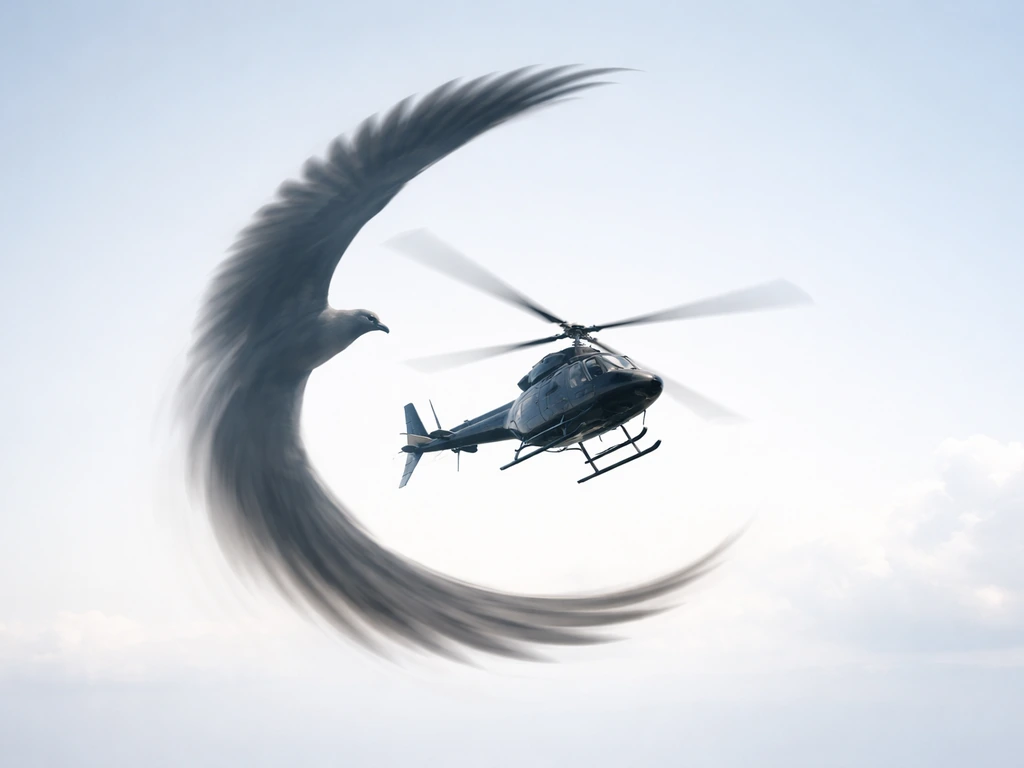
A whistleblower, in plain everyday English, is someone who exposes wrongdoing inside an organization, typically by reporting it to an authority, regulator, or the press. The term has nothing to do with birds in a literal sense, but when people search for "whistleblower meaning bird," they are usually chasing one of two things: either a straightforward definition of the word, or the rich symbolic territory where birds function as informants, alarm-raisers, and truth-tellers in mythology, folklore, and everyday language.
Whistleblower Meaning Bird: Symbolism, Idioms, and Definitions

Marcus Blackwell
15 May 2026

People who stumble on the bird symbolism often start by looking for a wacko bird definition, then compare it to the legal term for whistleblower. If you came here because you wondered what whistleblower meaning bird really points to, you can compare the legal definition of a whistleblower with the symbolic roles birds play in culture. Both trails are worth following.
"Whistleblower" the Legal Term vs. the Symbolic Bird Idea

The word "whistleblower" comes from the physical act of blowing a whistle to stop play or signal a foul. Merriam-Webster defines it as an employee who brings wrongdoing by an employer or other employees to the attention of a government or law enforcement agency. Cambridge keeps it simple: a person who works for a company and tells an authority about illegal happenings within it.
Cornell Law's plain framing adds that the disclosure can go externally (to regulators, law enforcement, or the media) and that whistleblowers are typically protected from retaliation under specific legal frameworks. The key idea across all these sources is protected disclosure: you saw something wrong, you reported it to someone who could act on it, and the law is supposed to shield you from being punished for that.
It is worth separating "whistleblower" from three words people often blur it with. A leaker makes an unauthorized disclosure, often anonymously, and that word is sometimes used deliberately to delegitimize what might actually be protected whistleblowing. An informant is a broader term for anyone who provides information to police or reporters. A complainant is the technical legal label for someone who alleges a crime was committed against them. None of those are the same as a whistleblower, even though all of them involve someone speaking up about something.
Now, the figurative side. When writers, storytellers, or spiritual traditions want to represent the idea of someone who watches, witnesses, and then sounds an alarm, they reach for birds almost instinctively. Birds are loud, they travel far, they see from above, and many of them have alarm calls that literally alert other animals to danger. That natural behavior has been feeding human metaphor for thousands of years. So while there is no official idiom called "whistleblower bird," the concept maps neatly onto several real bird archetypes across cultures.
What "Whistleblower" Means in Bird Symbolism and Cultural Lore
In symbolic terms, a "whistleblower bird" is any bird that carries the cultural weight of witnessing, revealing, warning, or conveying a truth that was hidden or ignored. Several birds earn this role repeatedly across different traditions, and it is worth naming them specifically.
The Magpie: The Noisy Witness
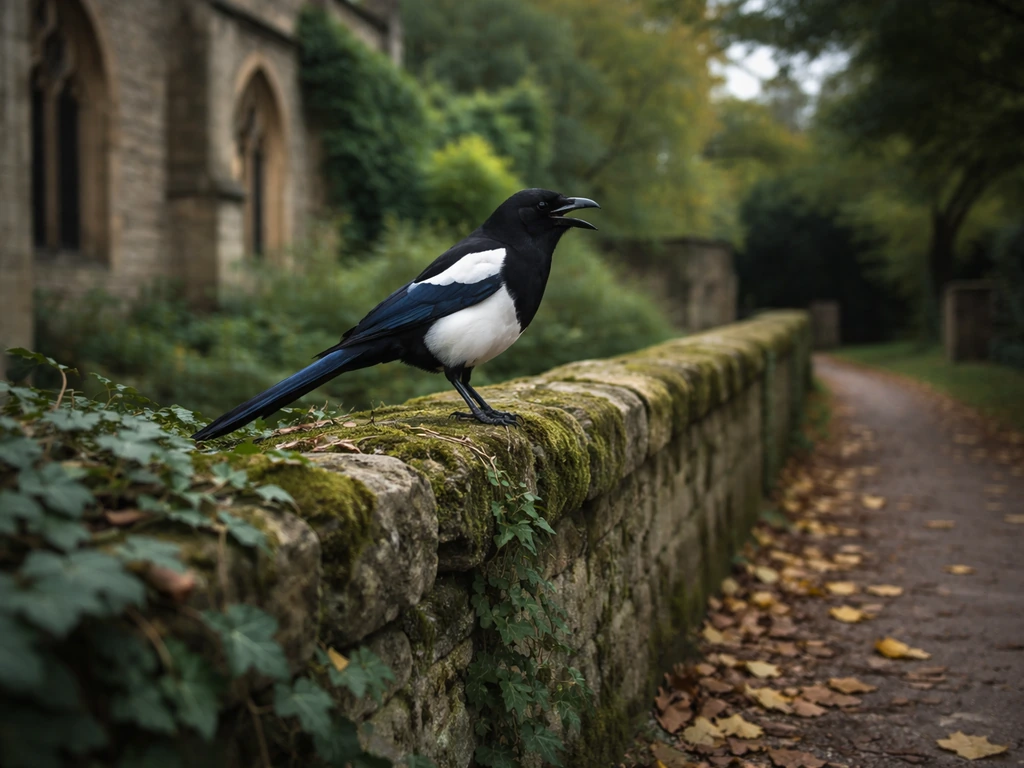
If any bird has the reputation of a compulsive informant, it is the magpie. In medieval and European Christian-influenced contexts, the magpie was associated with gossip, chatter, and a general inability to keep quiet. Across Bulgarian, Czech, German, Hungarian, Polish, Russian, Slovak, and Swedish folklore, the magpie is also cast as a thief, an accusatory neighbor, a bird that notices everything and tells everyone.
That combination of loud, intrusive, and morally complicated is pretty close to how whistleblowers are sometimes portrayed in public life. Worth noting though: in East Asian cultures, the magpie is a symbol of good luck and fortune, with no gossipy connotation at all. So the "informant magpie" is specifically a Western and Central European idea, not a universal one.
The Owl: Wisdom, Warning, and the Night Watch
Owls appear in two distinct symbolic roles depending on which tradition you are reading. In ancient Greece, the owl was Athena's bird, symbolizing wisdom and clear-sighted truth. Egyptian hieroglyphic tradition linked the owl to night, death, and the unseen. Many Native American folklore traditions treat the owl as a death omen and use it in warning stories, the "owl will get you" bogeyman function documented in modern storytelling traditions as well.
As a whistleblower archetype, the owl is less the chatty informant and more the silent sentinel: it sees in the dark, it knows what others miss, and its call is a signal that something serious is happening. That makes it a compelling symbol for the idea of exposing hidden wrongdoing, even if the owl tends to warn rather than report.
The Hoopoe: The Messenger Who Points to Truth
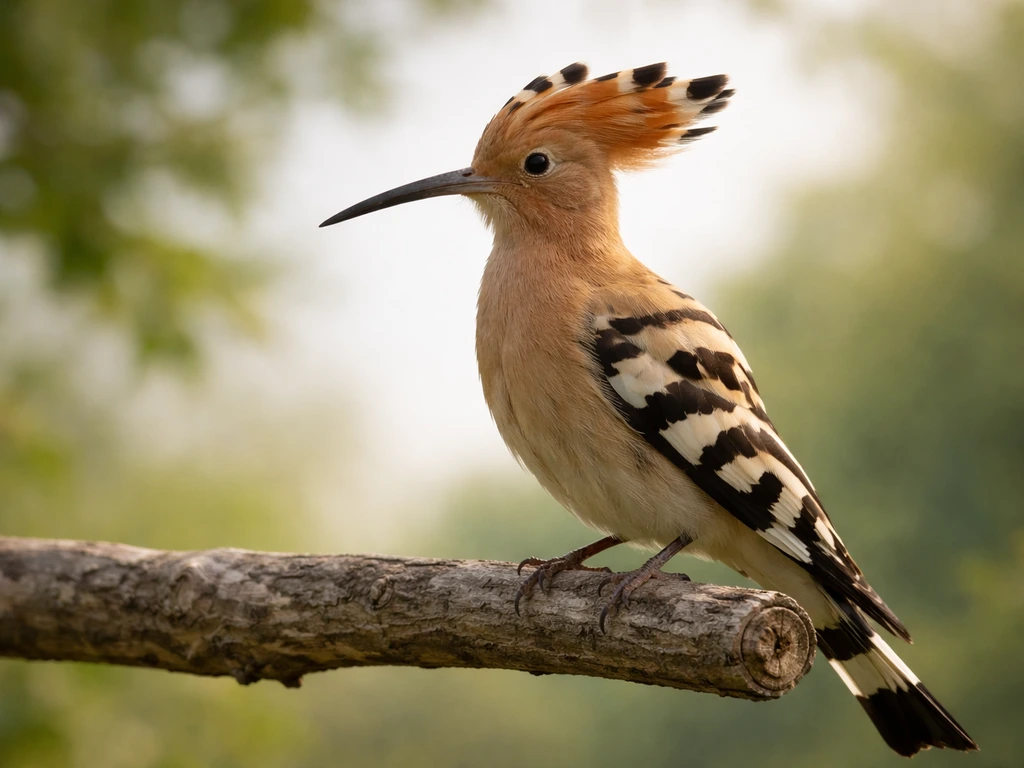
The hoopoe is the most explicitly "messenger" bird in world mythology. In Persian tradition the hoopoe is a symbol of virtue, and in Farid ud-Din Attar's 12th-century Sufi poem The Conference of the Birds (Mantiq al-tair), the hoopoe is the leader and ambassador who guides all other birds toward the Simurgh, the rightful king. The Metropolitan Museum describes the hoopoe's role as pointing toward truth and legitimate authority, which is exactly what a whistleblower does. This is the bird that steps forward, organizes the group, and says: here is what we should be looking at. That is a more elevated, less gossipy version of the whistleblower archetype.
The Raven: Threshold Watcher
Ravens occupy a different symbolic space. Wikipedia's summary of cultural depictions of ravens frames them as mediators between life and death, threshold animals that appear across mythology in a recurring knowledge-and-witness role. In Norse mythology, Odin's ravens Huginn and Muninn (Thought and Memory) flew across the world and reported everything they saw back to him. That is as close to a divine surveillance and disclosure operation as mythology gets. The raven does not blow a whistle so much as deliver a full intelligence briefing.
Bird Idioms That Carry the "Calling Out" or "Speaking Up" Idea
English bird idioms do not map perfectly onto whistleblowing, but several of them circle the same territory of witnessing, alerting, and acting before others do.
- "The early bird catches the worm" (Cambridge) is about proactive action and getting there first. Applied loosely, the whistleblower is the early bird: the one who sees what is happening and moves before everyone else, gaining something by acting (even if that something is accountability rather than a worm).
- "Eagle-eyed" (Merriam-Webster) means very observant and quick to notice things. This is almost a job description for the whistleblower, the person who spots the wrongdoing that others miss or ignore.
- "A bird's-eye view" captures the elevated perspective that allows comprehensive oversight. Whistleblowers often expose things precisely because they have this inside view, they can see the whole operation from where they sit.
- "Singing like a canary" is a slang phrase (more common in crime and noir contexts) meaning to inform or confess, typically under pressure. It is not a flattering framing, but it is the most direct idiomatic connection between birds and disclosure.
- "Chirping" as an alarm: loud bird chirping in nature is literally an alarm call alerting others to a predator's presence. That biological behavior is the root of why bird sounds feel like warnings in human language and literature.
Birds as Informants in Mythology and Folklore
Across world mythology, several bird archetypes function as informants or truth-revealers in ways that map closely onto the whistleblower concept. The pattern recurs often enough that it feels archetypal rather than coincidental.
| Bird | Tradition | Informant/Whistleblower Function |
|---|---|---|
| Raven (Huginn & Muninn) | Norse mythology | Fly across the world and report everything they witness back to Odin; divine intelligence-gathering |
| Hoopoe | Persian/Sufi (The Conference of the Birds) | Leader and ambassador who points all other birds toward the true ruler; reveals rightful authority |
| Owl | Ancient Greek (Athena) | Symbol of wisdom and clear truth; sees what others cannot in darkness |
| Magpie | Medieval European folklore | Chatterbox witness; noisy informant who spreads news of wrongdoing or misdeeds |
| Crow | Various Indigenous and Asian traditions | Trickster-messenger who carries hidden knowledge and reveals it at inconvenient moments |
The whip-poor-will belongs to a related but slightly different tradition. Its folklore role is more omen than informant: it warns that something bad is coming rather than reporting on something that has already happened. That warning-call function still sits within the broader whistleblower symbolic family, but it is more about foreboding than disclosure. The whip-poor-will shows up repeatedly in American literature and music as exactly this kind of ominous forewarning presence.
How Interpretations Shift Across Cultures and Contexts
One of the most important things to understand about bird symbolism is that the same bird can mean radically different things depending on where you are reading it. The magpie is the clearest example: a gossip and thief in European tradition, a bringer of good luck in East Asia. The owl is a wisdom figure in Greek and later Western tradition, and a death omen in several Native American and Hindu funerary traditions. An Egyptian hieroglyphic owl points toward night and the unknown, not wisdom. None of these interpretations is wrong; they are just culturally situated.
In spiritual symbolism, birds as truth-tellers or messengers appear across traditions as a general archetype. A bird that arrives at a significant moment, makes an unusual sound, or behaves unexpectedly is often interpreted as carrying a message. Whether that message is a warning (owl hooting before a death), a revelation (the hoopoe pointing toward the Simurgh), or a disclosure (the raven reporting to Odin) depends on the tradition and the specific bird. In modern spiritual contexts, particularly in Western New Age and indigenous-influenced practices, birds are frequently described as messengers between realms, which is another version of the same idea.
In contemporary slang and literature, "singing like a canary" sits at the darker, more coerced end of the disclosure spectrum. It implies talking under pressure, not because it is the right thing to do but because you have no choice. That is a very different moral framing from the protected whistleblower who steps forward voluntarily. Writers should be aware of which end of that spectrum they are drawing from when they reach for bird imagery.
Using the Phrase Correctly in Writing and Conversation
If you are using "whistleblower" in a legal or professional context, keep it specific. A whistleblower is someone who reports wrongdoing (illegal activity, regulatory violations, serious misconduct) within an organization, typically to an authority with the power to act, and who has legal protections against retaliation. Using the word loosely for anyone who criticizes a company publicly, leaks information for personal reasons, or simply disagrees with their employer dilutes its meaning and its legal force. Brit Hume got into this in journalism too: journalists and legal scholars alike flag that calling something a "leak" rather than "whistleblowing" often functions as a way to strip the disclosure of its protective moral and legal status.
If you are using bird symbolism to represent the whistleblower idea in writing, literature, or creative work, the choice of bird matters. The raven gives you authority and gravitas. The owl gives you quiet wisdom and the sense of seeing in the dark. The magpie gives you the messy, socially complicated informant who is hard to fully trust. The hoopoe gives you the noble messenger pointing toward truth. Each one carries a different emotional and moral register, so match the bird to the tone you actually want.
When the idea is about warning rather than disclosure, the whip-poor-will or the owl's hoot works better than the magpie's chatter. And if you want to signal coerced or reluctant truth-telling, "singing like a canary" is ready-made and instantly recognizable, though it carries a noir tinge that may not suit every context.
One final practical note: if you are writing across cultures or for a global audience, flag your symbolic reference. The magpie that reads as a suspicious informant to a European reader reads as a lucky omen to a Korean or Chinese reader. The owl that signals wisdom in a Greek mythology reference signals death in some Native American contexts. Acknowledging that ambiguity is not pedantry; it is just accurate.
FAQ
Does “whistleblower” always mean someone reports to the government, or can it include the media or an internal manager?
Not necessarily. A whistleblower is typically protected when the report is about wrongdoing, such as legal violations or serious misconduct, and when it is disclosed through channels that the relevant legal framework recognizes (for example, regulators or law enforcement, and in some places the media). If someone shares workplace rumors with no wrongdoing at issue or no proper channel, it may fit “informant” or “complaint,” not whistleblowing with protections.
Can someone be considered a whistleblower if they report while still employed, or if they report anonymously?
Yes, but the key distinction is what is being disclosed and why, not whether the person stays employed. You can be a whistleblower while still working for the organization, and you do not have to be anonymous to be a whistleblower. However, anonymity decisions can affect how investigators assess credibility and how protections apply in practice.
How do I tell the difference between whistleblowing and leaking, especially if the information came from internal documents?
The article differentiates leakers as unauthorized disclosures, often used to undermine legitimate whistleblowing. A practical boundary is intent and legal grounding: whistleblowing usually involves exposing wrongdoing through a protected route, while leaking often involves taking or releasing information without authorization, sometimes including personal data or trade secrets where the law may treat it differently. If personal or sensitive information is involved, the risk profile can change quickly.
If someone is a whistleblower, are they automatically protected from any consequences?
“Protected” does not mean “immune.” Retaliation claims can take time to investigate, and remedies vary by jurisdiction (for example, reinstatement, damages, or injunctive relief). Also, protections may require that the person reasonably believed the information was true and that the report concerned covered wrongdoing, so being wrong can reduce protection even if the person acted in good faith.
What bird metaphor should I use if I want the character to be warning others versus exposing wrongdoing after the fact?
The “whistleblower meaning bird” angle is symbolism, not a fixed phrase. If you are using a bird as a metaphor, decide whether you want “witness and warning,” “revelation with authority,” or “forced confession.” For forced confession, “singing like a canary” carries a specific moral tone that is easy to misapply.
Is it okay to call any workplace critic a whistleblower in an article or post?
Be careful with modern media usage. Some public commentators use “whistleblower” loosely for anyone who criticizes a company, but that can create confusion about the seriousness of the allegations and the existence of legal protections. In professional writing, it helps to specify the channel used (regulator, law enforcement, media) and the nature of the wrongdoing (for example, fraud, safety violations, harassment).
How can I avoid getting bird symbolism wrong when writing for an international audience?
Cultural symbolism is not universal, and the same bird can send opposite signals. A safe approach is to name the cultural reference you intend (for example, “in European folklore the magpie is a gossip”) or to keep the metaphor emotionally oriented rather than claiming a single “meaning” (for example, “a watchful sentinel” instead of “truth-teller” if you are unsure of the tradition).
If someone searches for “whistleblower meaning bird,” what is the best way to answer them clearly without losing the symbolism angle?
If you are defining terms for readers, you can separate the word’s origin and the legal concept from the bird symbolism. “Whistleblower” comes from whistle signals, while the bird idea is a metaphor for witnessing and alerting. If the goal is clarity, avoid implying a literal bird definition and instead frame birds as cultural archetypes that map onto the concept.
Next Article
Whirly Bird Meaning: Literal, Figurative, and Slang Uses
Meaning of whirly bird: literal flight behavior, playful figurative use, and slang or nickname senses with quick disambi