If you searched "whistleblew bird meaning" and landed here, the first thing worth knowing is that "whistleblew" is almost certainly not the name of a bird. It is most likely a misspelling or a compressed form of the phrase "whistle blew" (as in, the whistle blew). That distinction matters a lot, because depending on what you actually meant, you could be looking for a specific bird species known for its whistling call, a symbolic or folkloric meaning tied to a whistling bird, or an idiom rooted in the act of a whistle blowing. This guide works through all three possibilities so you can pin down exactly what you were after.
Whistleblew Bird Meaning: Identify the Bird or Idiom

Marcus Blackwell
10 Apr 2026
What "whistleblew" most likely refers to
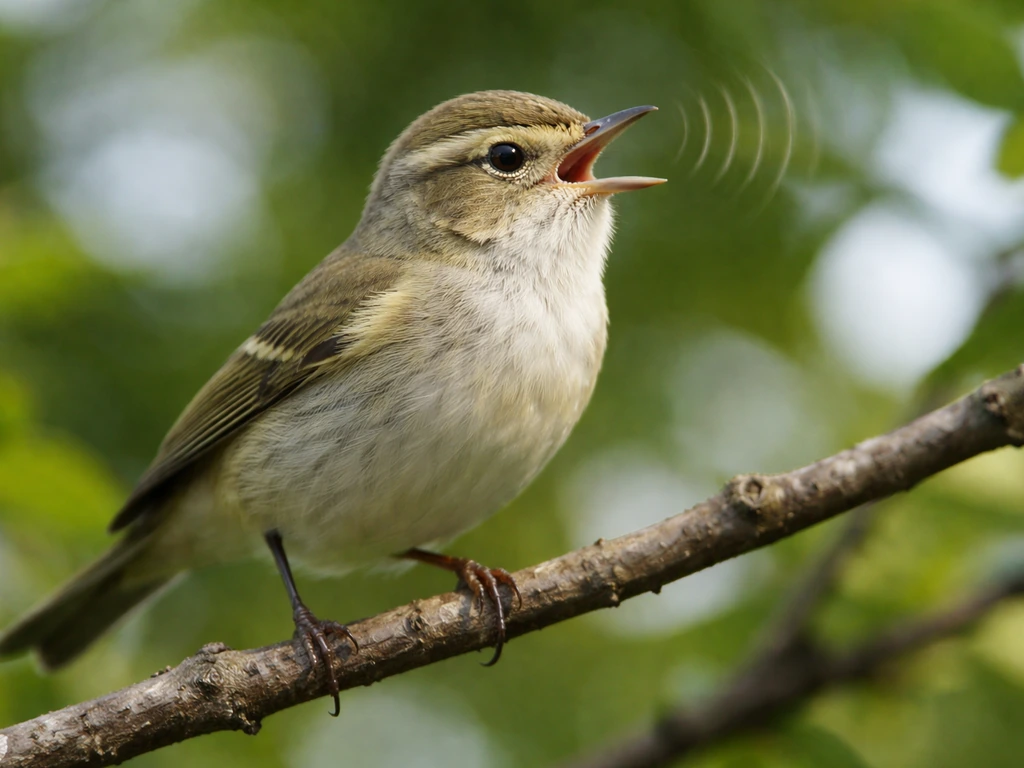
The word "whistleblew" appears in some scrambler dictionaries as a valid compound past-tense form of "whistle blow," meaning it is simply the past tense of the act of a whistle blowing. Linguistically, it works the same way "overflew" works as the past tense of "overfly." So when someone types "whistleblew bird meaning," they are almost always doing one of three things: (1) searching for a bird whose call sounds like a sharp whistle, (2) confusing the name of a real bird that includes a whistle-related word, or (3) mixing up an idiom involving whistling with a question about bird symbolism. The most common source of confusion is mishearing or misspelling the names of real birds like the Whistling Duck, the Whip-poor-will, or the Whimbrel. There is also a notable overlap with the concept of a "whistleblower," which has its own bird-related symbolic layer that we will get into.
One clue that points toward a real bird search: people frequently run "whistle" and "blew" together when describing a bird call they heard in the field. You might have heard a bird and thought, "it whistled, the whistle blew," and that mental phrasing compressed into "whistleblew." The color blue also sneaks into this confusion. "Blew" and "blue" are homophones, and many memorable whistling birds, like the Eastern Bluebird or the Blue-gray Gnatcatcher, are blue. So "whistle-blue bird" turning into "whistleblew bird" is a completely understandable path to this search.
Identifying the bird by sound and whistle pattern
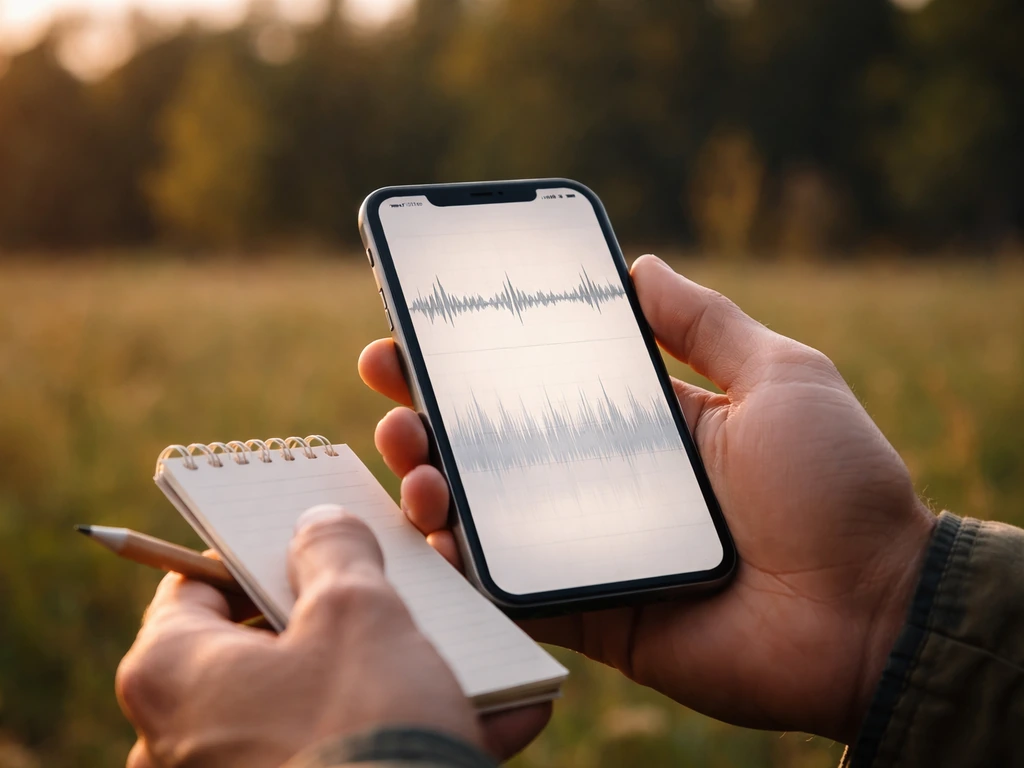
If your search was driven by a bird call you actually heard, the most efficient approach is to describe the whistle in precise terms before reaching for a species name. Whistled calls vary widely: some are single pure tones, some rise at the end like a question, some descend in a clean slide, and some repeat in tight sequences. Narrowing down those qualities gets you to the right bird far faster than guessing at a name.
The most common "whistling" bird candidates
- Eastern Wood-Pewee: produces a slow, mournful, descending whistle that many people describe as a drawn-out "pee-a-wee." Often heard in wooded areas from spring through late summer.
- Black-capped Chickadee: its fee-bee call is a simple two-note descending whistle, pure and clear, one of the most frequently mistaken for a human whistle.
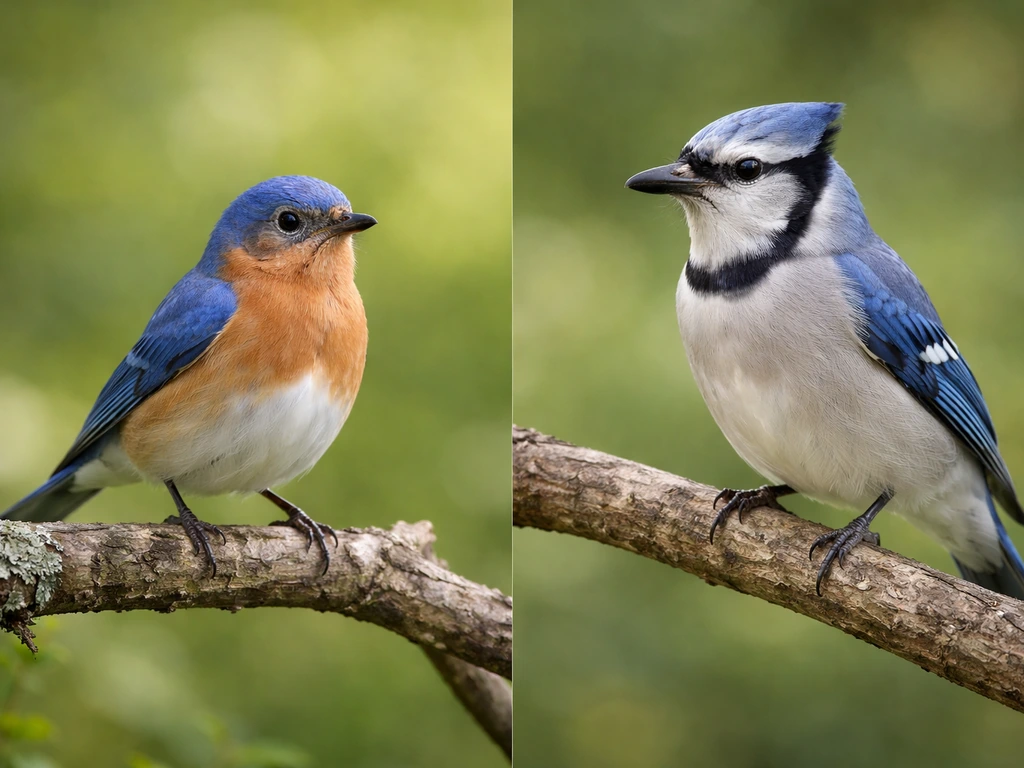
- Eastern Bluebird: a soft, warbling whistle, often described as gentle and musical, with a rising and falling pattern. The blue plumage makes it a prime candidate for the "whistle-blue" confusion.
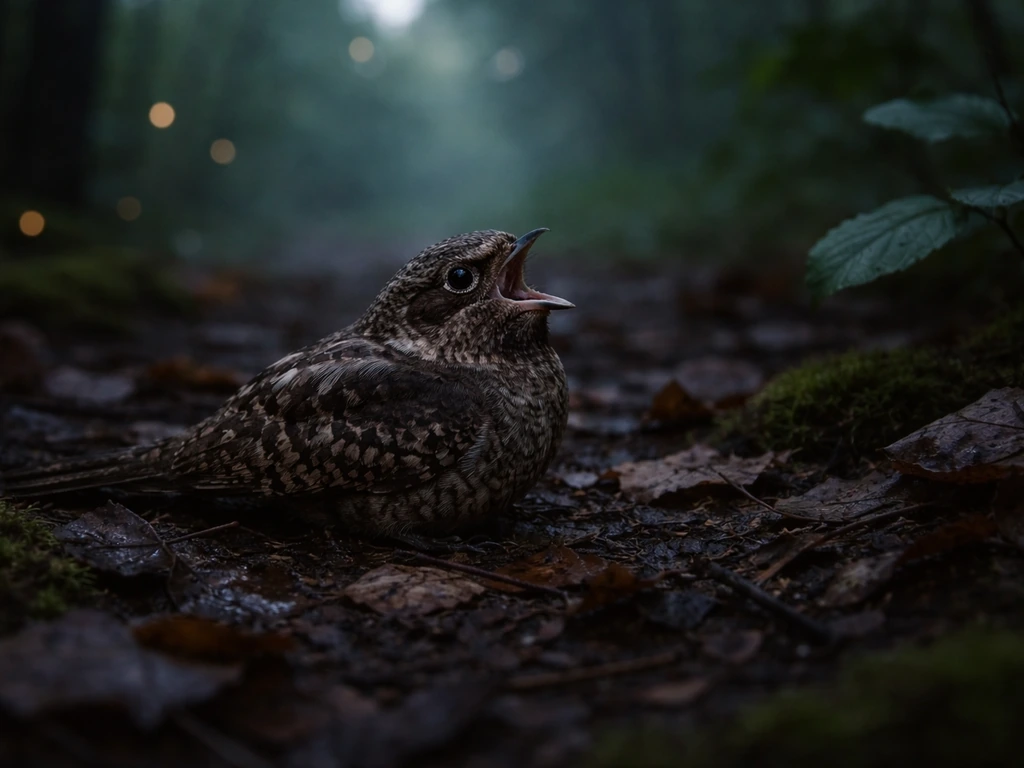
- Whip-poor-will (Whippoorwill): emphatically repetitive whistled call that spells out its own name. Whippoorwill symbolism carries deep roots in Native American and Appalachian folklore, where hearing the bird at dusk is considered a powerful omen.
- Black-bellied Whistling Duck: named explicitly for its high, whistled calls. Common in the southern United States, Mexico, and Central America. One of the species most directly tied to the word "whistle" in bird naming.
- Northern Cardinal (male): a loud, repeated whistle that sounds almost like a human signaling someone. One of the most identifiable whistled songs in North American backyards.
- Whimbrel: a curlew-relative whose call is a rapid, bubbling series of whistled notes. The whim bird's meaning in coastal folklore connects it to sea travel, transition, and the liminal space between land and water.
Species people commonly mix up
| Bird | Call Type | Key Visual Feature | Common Mix-Up |
|---|---|---|---|
| Eastern Bluebird | Soft warbling whistle | Vivid blue back, rusty breast | Mixed up with Blue Jay (harsh calls, not whistled) |
| Whip-poor-will | Repetitive emphatic chant | Camouflaged brown, nocturnal | Mixed up with Chuck-will's-widow (deeper, southern range) |
| Black-bellied Whistling Duck | High-pitched multi-note whistle | Long pink legs, white wing stripe | Mixed up with Fulvous Whistling Duck (different range, browner) |
| Black-capped Chickadee | Pure two-note descending whistle | Black cap and bib, white cheeks | Mixed up with Carolina Chickadee (nearly identical appearance, slightly faster song) |
| Northern Cardinal | Loud repeating whistle | Bright red (male), crest | Mixed up with House Finch (raspier, more complex song) |
A detail worth noting: if you heard the whistle at night, the species pool shrinks significantly. Nocturnal whistled calls in North America point most strongly toward the Whip-poor-will, Eastern Screech-Owl (a descending whinny-whistle), or the Northern Mockingbird running through a whistled sequence after dark. Daytime whistles open the field back up considerably.
Symbolic meaning of whistling birds in mythology and folklore
Across cultures, birds that whistle have consistently been assigned meanings tied to communication, secret knowledge, and messages between worlds. The whistle itself is not accidental as a symbol: unlike a roar or a screech, a whistle requires breath shaped with precision, and that act of intentional, directed sound gave whistling birds an almost oracular status in many traditions.
Eastern Bluebird symbolism
The Eastern Bluebird carries some of the most layered symbolic weight of any whistling bird in North American tradition. In Iroquois and Cochiti Pueblo oral traditions, the bluebird is associated with the sun and with the spirit of spring returning. Its blue color was read as a reflection of the sky itself, making it a messenger between the human world and the heavens. In more recent American folk tradition, the bluebird became shorthand for happiness and contentment, most famously embedded in the Wizard of Oz's "Somewhere Over the Rainbow" (the bluebird flying over that rainbow is the happiness you seek). Its soft whistle in these traditions is the voice of that happiness, calling you toward it.
Whip-poor-will symbolism
The Whip-poor-will is perhaps the most symbolically charged of the whistling birds, particularly in Appalachian and Eastern Woodland Native American traditions. Because it calls at dusk and dawn, it was placed at the threshold between day and night, which in many belief systems corresponds to the threshold between life and death. In some Algonquian traditions, the bird was believed to carry the souls of the deceased. Hearing it call near a home was an omen of death or change in certain communities, while in others it simply announced that spirits were near. The bird's insistent, almost mechanical repetition of its call added to this uncanny quality: it does not stop, it does not vary, it persists.
Whistling ducks and global traditions
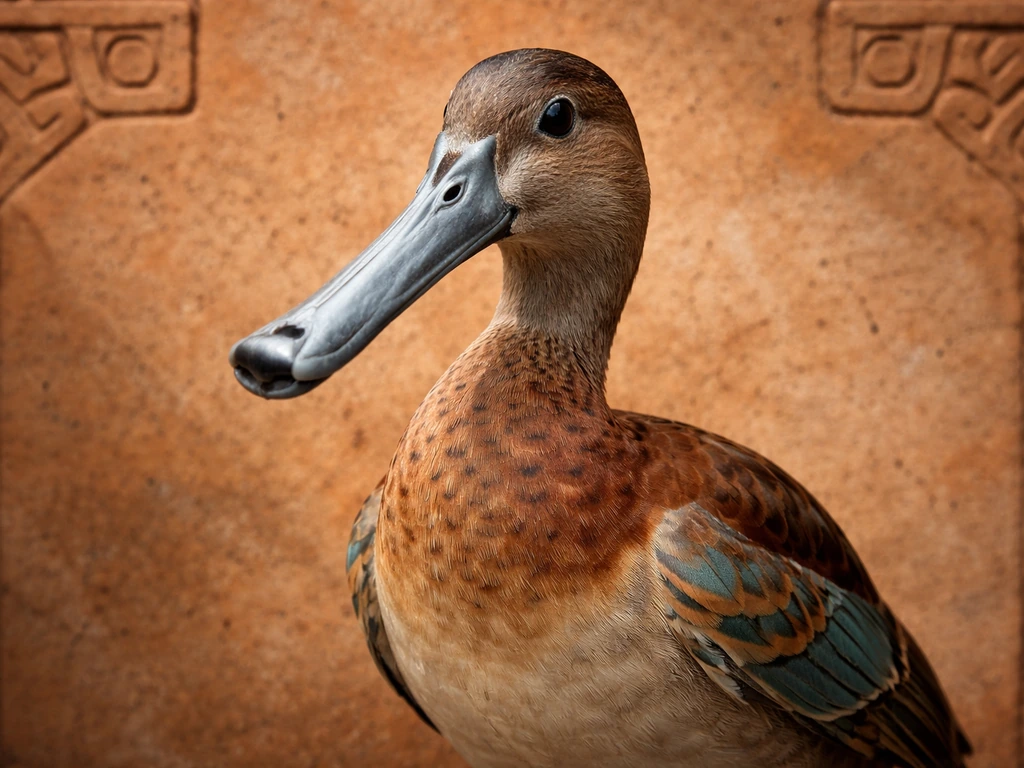
Whistling ducks appear prominently in Mesoamerican iconography, where ducks in general symbolized rain, fertility, and the abundance of water. The specific whistle of the Black-bellied Whistling Duck, which travels well over distance, made it a natural stand-in for calling across boundaries, whether geographic or spiritual. The Black-bellied Whistling Duck’s call is described as a blank" rel="noopener noreferrer">clear whistling “waa-chooo” call. In parts of Mexico and Guatemala, hearing a whistling duck overhead was sometimes read as a sign of coming rain, which in agricultural communities was one of the most significant omens possible. Ducks Unlimited notes that blank" rel="noopener noreferrer">black-bellied and fulvous whistling ducks are common in Mexico and Latin America, and provides local names for them such as pichichi and pijia.
Idioms and everyday language: where "whistle" and birds collide
It is worth pausing here to address the possibility that your original search was not about a bird species at all but about a phrase or idiom. The phrase "the whistle blew" (which "whistleblew" compresses) appears in language in two main contexts: as a literal description of a signal whistle sounding (the whistle blew at the end of the game) and as a metaphor for exposure or revelation, which is where it bleeds into whistleblower territory.
The idiom "blow the whistle" means to expose wrongdoing or sound an alarm, and its connection to birds is more direct than most people realize. The concept of a whistleblower in bird symbolism draws on the long tradition of birds as truth-tellers and messengers in mythology. Ravens, crows, and magpies appear in Norse, Celtic, and Greek mythology as birds that carry secrets, warn of danger, and expose hidden truths. The whistleblower bird, as a symbol, inherits that lineage: the bird that calls out when something is wrong.
Other common idioms in this space that people sometimes tangle together include "whistle in the dark" (to pretend courage when you are actually afraid, like a person whistling to seem unafraid of the dark), "clean as a whistle" (no bird connection, but sometimes conflated), and "wet your whistle" (also no bird connection, but "whistle" as throat). None of these are bird idioms, but they float in the same mental neighborhood when someone is trying to remember a phrase involving a whistle and a bird.
There is one bird-specific expression worth noting: "a bird whistled" or "a little bird told me," which means you received information from a confidential source. This phrase appears in the Bible (Ecclesiastes 10:20: "a bird of the air shall carry the voice") and has been in common English use since at least the 16th century. If your original search was trying to get at this idiom, that is the one.
Spiritual interpretations: omens, dreams, and what to take seriously
If you are here because you saw or heard a whistling bird and wondered what it meant for you personally, that is a completely reasonable question with a long cultural history behind it. I will give you the traditional interpretations honestly, along with a grounded note on how to hold them.
Whistling birds as omens
In many folk traditions, a bird whistling near your window or door is interpreted as a message being delivered, sometimes from a deceased loved one, sometimes as a warning, and sometimes as straightforward good news. The specific meaning was usually determined by the bird's species, the time of day, and the direction it came from. A bluebird whistling outside a window in the morning was almost universally positive in American folk tradition. A nighttime whistle from an unseen bird, especially one that repeated insistently, was treated with more caution.
In dream symbolism, hearing a bird whistle (rather than seeing a bird) typically represents an incoming message or news you have not yet received. The whistle in a dream is the signal before the information arrives. Some dream interpretation traditions link it specifically to intuition: your inner voice trying to get your attention in the only way it can in sleep.
A grounded note on spiritual interpretations
These traditions are worth knowing and genuinely interesting, but I would encourage treating them as cultural lenses rather than literal predictions. A Whip-poor-will calling near your house at night is a nocturnal insectivore doing its job in its habitat, not a celestial announcement about your mortality. That said, the tradition of paying attention to the natural world and finding meaning in what you notice has real psychological value. If a whistling bird caught your attention enough to send you here, it probably deserves a moment of reflection, whatever form that takes for you.
It is also worth knowing that some "whistling bird" symbolism varies sharply between cultures. What one tradition reads as a warning, another reads as a blessing. The same bird, the same call, can carry opposite valences depending on where and when you are. This is not a contradiction to resolve but a feature of how symbolism works: it is always local, always contextual. The wacko bird definition is a useful reminder that bird labels and meanings shift dramatically across cultural and political contexts, sometimes in ways that have nothing to do with the bird's actual behavior.
How to nail down the answer today

Here is the practical path to an actual answer, starting from wherever you are right now.
- Describe the call precisely before searching for a name. Was it a single note or a sequence? Rising, falling, or flat? Heard at day or night? In what habitat (backyard, forest, wetland, coast)? These four questions cut the species list dramatically.
- Use an audio ID app. Merlin Bird ID (free from Cornell Lab) lets you record a bird call in real time and returns a live ID within seconds. It covers most of North America, Europe, and beyond. BirdNET does the same thing and works well on recordings. If you have a recording already, both apps can analyze it.
- Use your location to filter. A whistling duck in Texas is plausible; one in Minnesota in January is not. Merlin's Sound ID automatically uses your location to weight its guesses. This matters more than most people realize.
- Cross-reference the visual. If you also saw the bird, note the size relative to a known bird (sparrow, robin, crow), primary color, any wing patches or distinctive markings, and bill shape. Combine visual and audio descriptions for a definitive ID.
- For symbolic meanings, once you have the species name, search it specifically on symbolism and folklore sites. General "whistling bird meaning" searches return too much noise. A search for "Eastern Bluebird symbolism" or "Whip-poor-will Native American folklore" will get you directly to the traditions tied to that bird.
- If you think you are actually looking for an idiom or phrase, search the phrase in quotation marks with the word "idiom" added (e.g., "whistle blew" idiom or "a bird told me" origin). Phrase dictionaries and etymology sites will give you clean historical sourcing.
One more tool worth knowing: the Cornell Lab's All About Birds website (allaboutbirds.org) combines species identification, range maps, and audio recordings in one place. If you can get to the species level, that site will tell you not just what the bird looks like and sounds like but also where it should be right now in April, which is one of the best natural filters for narrowing down a mystery bird sighting.
The journey from "whistleblew bird meaning" to a real answer is shorter than it might seem. Clarify whether you are chasing a sound, a species, or a phrase. Use a live audio tool if a sound sent you here. Look up the specific species once you have it. And if the idiom angle is what you were after, the whistleblower and "a little bird told me" traditions give you a rich symbolic backstory that connects bird language to human truth-telling in ways that have held up across centuries. The whirlybird's meaning is a good example of how a single bird-related term can carry very different meanings depending on context, which is exactly the disambiguation problem "whistleblew" presents. Work through the steps above and you will have your answer in under ten minutes.
FAQ
How can I tell whether I meant “whistleblew” as a phrase (“the whistle blew”) or as a bird clue?
Check whether your search came from a specific line you saw or heard (like a game ending signal or “something got exposed”). If you meant a real sound you heard outdoors, treat “whistleblew” as likely misspelling and focus on call qualities, location, and time instead of the typed word.
What “whistling bird” call features should I describe to get a faster identification?
Note whether it is a single pure tone or a call-and-response, whether the pitch rises or falls, if it repeats at regular intervals, and whether it stops abruptly or runs in a steady loop. A repeating, mechanical sequence often points to a different group than an airy, variable phrase.
Does the time of day rule out some species even if I have a good match for the call?
Yes. If the whistle was at night, you should prioritize nocturnal callers and reduce daytime candidates, even if a daytime species has a similar “whistle” word in its name. Timing often matters more than color words when you are dealing with homophones like “blue/blew.”
Could “whistleblew bird meaning” actually be about a whistleblower phrase rather than a bird at all?
It can. If your context involved news, leaks, corporate or government wrongdoing, or “exposure,” the whistleblower symbolism may be what you were after, not a species. In that case, “bird” is metaphorical, linked to truth-telling myths, not a literal animal identification.
What if I heard the whistle near my window, but I cannot see any bird?
Treat it as an acoustic cue, not confirmation of a species. Window-facing sounds can come from birds calling while in nearby trees, and wind or reflections can make direction feel off. Use direction (left or right of the window), approximate height, and whether it is one bird or several repeating to narrow the range.
How should I handle conflicting symbolic meanings, like the same bird being a warning in one culture and good luck in another?
Use local context as the tiebreaker, not the “internet consensus.” Ask which tradition you are implicitly drawing from (region, family beliefs, or the myth system the phrase came from). Also separate symbolism from identification, so you do not lock onto a meaning before confirming species.
I think it might be “Whistling Duck,” but I’m unsure, how do I avoid the common mishearing?
Listen for distance and pattern. Whistling ducks often produce calls that can travel over longer distances and may sound like a series of coordinated whistle notes rather than a single isolated tone. If you only heard one short whistle and nothing else, you may be dealing with a different whistling-call category.
Is “a little bird told me” related to the whistleblew search, and how would I confirm that?
Confirm by looking for a question about confidential information, rumors, or “I was told privately.” If your intent was “where did the info come from,” that idiom fits better than bird symbolism about messages from spirits. A species hunt usually starts with your heard call, not with the meaning of having received information.
What is the biggest mistake people make after seeing “whistleblew bird meaning” online?
They assume the typed word is a bird name. The practical fix is to decide whether you want (1) a species for a sound, (2) a symbolic interpretation tied to a known whistling bird, or (3) an idiom/phrase interpretation, then search with that intention rather than the compressed misspelling.
Next Article
Munster Bird Meaning: Folklore, Symbolism, and How to Verify
Meaning of Munster bird searches: folklore, symbolism, idioms, spelling variants, and quick ways to verify the reference