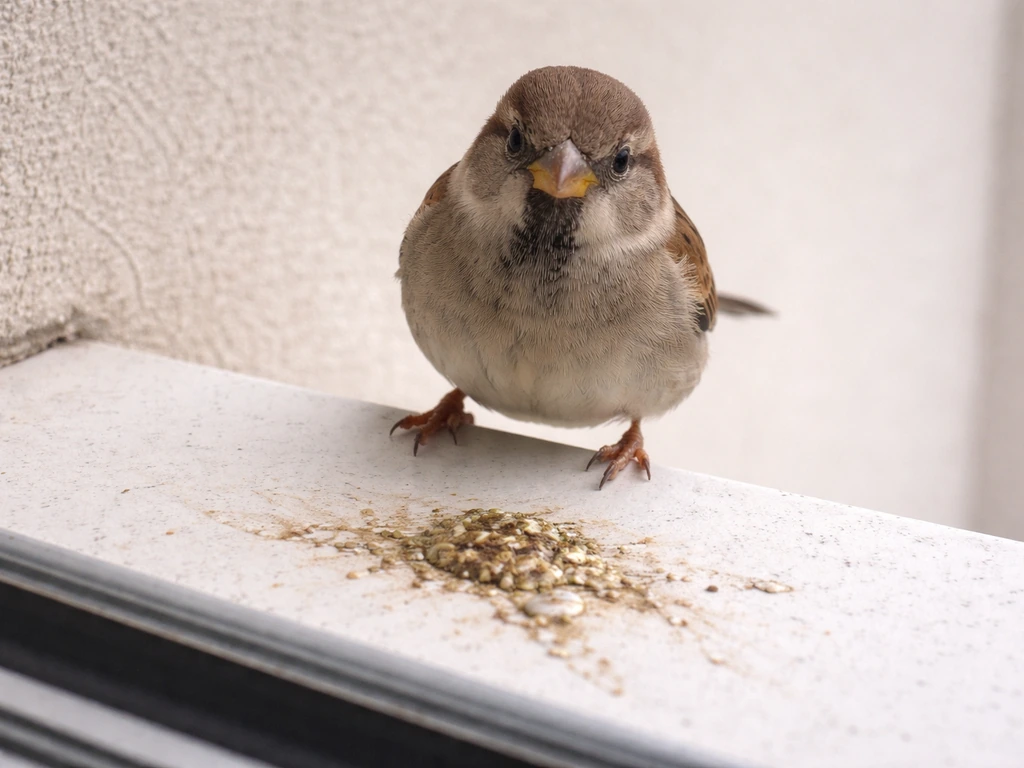
If you've come across the phrase 'fallow bird,' you're most likely dealing with one of three things: a historical common name for a specific species (most notably the wheatear, also called the fallow-chat), a figurative or literary usage where 'fallow' describes a bird as quiet, dormant, or muted in some symbolic way, or simply a literal ecological context where birds inhabit fallow (unplanted) agricultural land. The fastest way to know which one you're dealing with is to look at where you saw it and what surrounds it, which this article walks you through step by step.
Fallow Bird Meaning: Symbolic and Literal Interpretations

Marcus Blackwell
1 Jul 2026
What 'fallow' actually means on its own
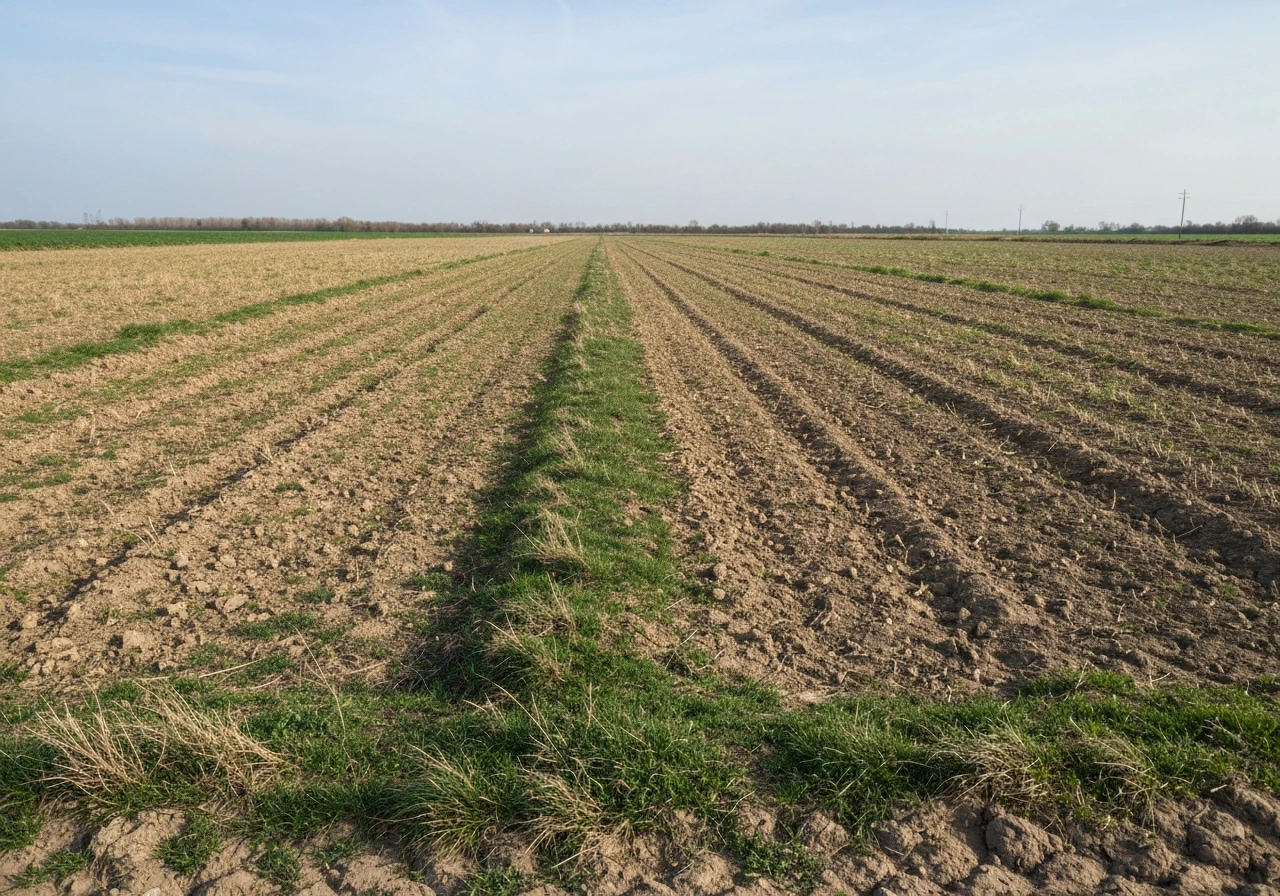
The word 'fallow' has a handful of related meanings that all share a common thread: something held back, left idle, or not yet activated. The most familiar use is agricultural. Fallow land is cultivated ground that a farmer deliberately leaves unplanted for a season or more so the soil can recover and improve. Major dictionaries, from Merriam-Webster to the Oxford Learner's, define it consistently as land 'not used for crops' for a period. Audubon’s field guide pages are organized by species, which is the same kind of structured approach editors can use when checking whether a term is a recognized species or variant name Audubon field guide pages are organized by species. You've probably seen it in the phrase 'let the land lie fallow.'
From that agricultural root, 'fallow' extended figuratively into broader use. Collins English Dictionary notes the figurative sense of 'inactive, not in motion,' and Dictionary.com adds 'undeveloped or inactive, but potentially useful,' which is a nice way to capture how writers use it. So a fallow period for a career, a relationship, or a creative project implies dormancy with potential, not permanent absence. Historically, there's also a color connection: the word traces back through Old English to the pale brown or gray-brown color of turned, unplanted soil. That color sense matters when you get to bird names.
In short, the semantic range of 'fallow' covers three core ideas: (1) land deliberately rested and left unplanted, (2) anything inactive, dormant, or withheld from use, and (3) a pale, muted, gray-brown color. All three can show up when 'fallow' is paired with 'bird.'
What 'bird' typically represents in folklore and everyday speech
Birds carry a remarkably dense load of symbolic meaning across virtually every culture. The most universal themes are freedom, transcendence, and the soul's movement between worlds. Birds can fly above the earth, which made them natural messengers between humans and the divine in traditions from ancient Greece (ornithomancy, the practice of reading omens from bird flight and calls) to Celtic and Christian iconography. Depending on species, setting, and tradition, a bird can represent wisdom, protection, mourning, good luck, or a bad omen. Wikipedia’s overview of cultural depictions notes that, across traditions, birds like ravens can be treated as messengers or divine figures, and in some traditions as symbols of bad luck or damned souls blank" rel="noopener noreferrer">a bad omen.
In everyday English, birds also appear idiomatically in ways that aren't about symbolism at all. 'A bird in the hand,' 'early bird gets the worm,' 'free as a bird,' and similar phrases show how deeply birds are embedded in common speech. This dual life as both literal creatures and loaded symbols is exactly why a phrase like 'fallow bird' needs some decoding: it could be naming a specific animal, channeling a symbolic tradition, or doing something purely linguistic. If you’re specifically trying to understand fowl bird meaning, the key is to determine whether the phrase is describing a particular animal or using “fowl” and “bird” in a broader sense fallow bird.
The three most likely meanings of 'fallow bird'
1. A historical species name: the fallow-chat (wheatear)
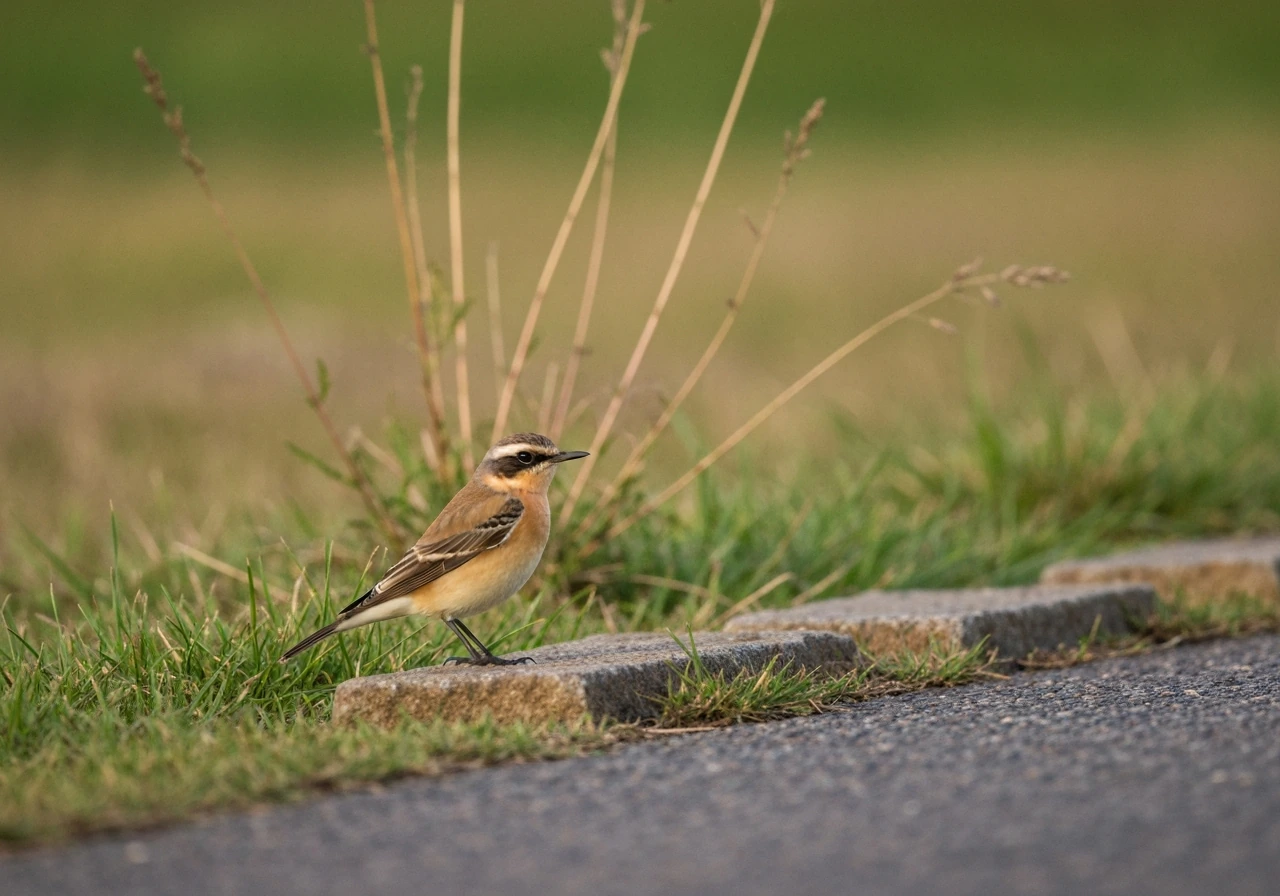
This is the most specific and historically verifiable meaning. Multiple historical British natural history texts use 'fallow-chat' and 'fallow-bird' type constructions as common names for the wheatear (Oenanthe oenanthe). Sources including the Popular Cyclopaedia of Useful Knowledge, the Century Dictionary, and folk-name dictionaries of British birds explicitly list 'fallow-chat' or 'fallowchat' as established alternate names for the wheatear. One source phrases it directly: 'The wheatear, or fallow-chat.' The name comes from that color sense of 'fallow,' describing the bird's pale, muted, gray-brown plumage. So if you're reading an older British natural history text or a regional bird guide and you see something like 'fallow bird' or 'fallow-chat,' it's naming the wheatear.
2. A figurative or literary motif
Writers and poets sometimes use 'fallow' as a descriptive adjective applied to birds in a symbolic or atmospheric way, drawing on the 'dormant,' 'muted,' or 'held back' senses of the word. A bird described as fallow in this context isn't being given a species label; it's being characterized. Think of it as shorthand for stillness, quietude, withdrawal, or latent potential. Poetry and literary analysis texts sometimes deploy 'fallow' alongside bird imagery to evoke a landscape or inner state that is hushed, restrained, or waiting. In this usage, 'fallow bird' is a literary compound, not a proper name.
3. A literal ecological context
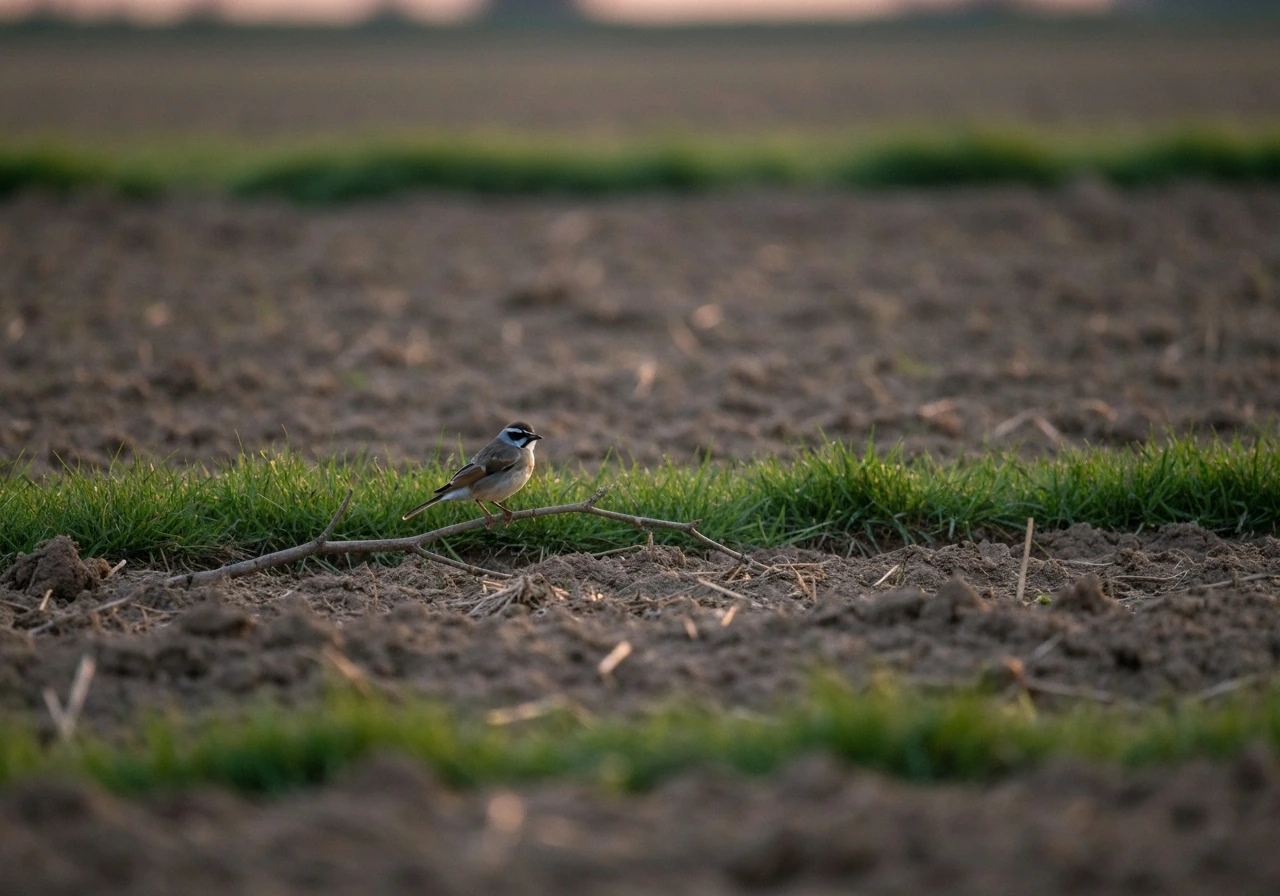
Sometimes 'fallow' and 'bird' appear together in completely non-symbolic, non-naming contexts. Scientific literature and ecology reporting regularly discuss bird populations on fallow land, fallow fields as habitat, and 'lapwing plots' (cultivated fallow areas managed to support farmland birds). If you're reading a journal article, a conservation report, or agricultural guidance and you see 'fallow bird,' it almost certainly means birds that use fallow (unplanted) agricultural fields as habitat. If you're trying to interpret a phrase like “fallow meaning bird,” the key is to look at whether it refers to a specific wheatear name, a symbolic description, or an ecological setting fallow bird. This is the least mysterious interpretation and the easiest to rule in or out based on context.
Context clues: how to tell which meaning you're dealing with

The context around the phrase does most of the diagnostic work. Here's a quick framework for reading the signals:
| Context type | Likely meaning | What to look for |
|---|---|---|
| Old British natural history text or regional bird guide | Species name (fallow-chat / wheatear) | Nearby terms like 'chat,' 'wheatear,' plumage description, taxonomic context |
| Poetry, literary fiction, or spiritual writing | Figurative or symbolic motif | Adjective-like usage, emotional tone, themes of stillness, mourning, or dormancy |
| Ecology journal, conservation report, or farming guide | Literal habitat description | Mentions of crop rotation, habitat management, farmland bird counts |
| Casual or online writing | Possibly a typo for 'follow bird' or informal usage | Check surrounding words; look for other spelling inconsistencies |
| Mythology, folklore, or spiritual guide | Symbolic bird omen or motif | References to divination, omens, soul symbolism, or specific cultural traditions |
One practical note: Reddit discussions have flagged that 'fallow' is sometimes confused with 'follow,' especially in informal writing or OCR-scanned historical documents. If something reads oddly, it's worth checking whether the original source might have a different word entirely before committing to an interpretation.
The symbolic themes a 'fallow bird' carries
If you're working with the figurative or literary reading, the symbolic weight of 'fallow bird' draws on the combined meanings of both words. A fallow bird isn't absent or gone; it's present but quieted, holding back, resting between active phases. The themes that naturally cluster around this phrase include:
- Stillness and dormancy: not dead, but paused. The bird (typically a symbol of freedom or transcendence) is in a held state, suggesting waiting rather than loss.
- Muted visibility: the gray-brown color sense of fallow maps onto birds that blend in rather than stand out, suggesting concealment, humility, or quiet endurance.
- Latent potential: just as fallow land is resting so it can produce again, a fallow bird could symbolize creative or spiritual energy that hasn't yet been expressed.
- Mourning or restraint: when birds appear in mourning contexts (consider the mourning dove, which took its name from its lamenting call and is associated with fallow field habitats), a fallow bird could carry grief that is inward rather than outwardly expressed.
- Sabbath or sacred rest: historically, the fallow period was linked to the biblical concept of Sabbath rest for the land. A bird in that symbolic space inherits that resonance of deliberate, sanctioned withdrawal.
It's worth comparing this to how related terms work. A feral bird, for instance, carries the symbolic weight of wildness and lost domestication, while a flock of birds tends to represent community, collective movement, or amplified omens. A flock of bird meaning is usually about how the shared behavior or number of birds signals community, collective motion, or amplified omens a flock of birds. Fallow sits at the opposite end of that energy: solo, still, and waiting rather than moving or wild.
Where 'fallow bird' shows up: stories, spirituality, and sayings
Historical bird naming
The clearest documented usage is in 18th and 19th century British natural history writing, where 'fallow-chat' and similar constructions are treated as standard common names for the wheatear. This bird spends time on open, unplanted land, which is almost certainly how the name stuck. The folk-names dictionary of British birds catalogs multiple fallow-based variants, showing these were living regional terms, not one author's invention.
Poetry and literary usage
In poetry, 'fallow' frequently appears alongside animal and bird imagery to create a mood of suspended time or muted landscape. A line placing a bird in a fallow setting draws on the agricultural rest meaning to imply emotional or spiritual dormancy. Dissertation analyses of poetry have noted how 'fallow' functions as a quieting or muting modifier, and when it attaches to bird imagery, it typically signals introspection, grief held in check, or a threshold state between one phase and another.
Spiritual and omen-reading contexts
If you encounter 'fallow bird' in a spiritual, divination, or omen-reading context, the interpretive framework shifts toward ornithomancy, the ancient practice of reading meaning from bird behavior. In that tradition, a bird's appearance carries a message, and the qualities of the bird (its color, call, movement, or stillness) shape the reading. A muted, still, fallow-colored bird in a spiritual text could be read as a sign of needed rest, an invitation to withdraw and replenish, or a quiet omen that precedes change. The 1911 Encyclopaedia Britannica's treatment of fallow soil even notes the connection to Sabbath rest in Mosaic law, which gives 'fallow' a sacred resonance beyond simple agriculture.
How to confirm the meaning you're looking at
Run through this checklist when you need to pin down the specific meaning in your situation:
- Check the source type first. Is it a natural history text, a poem, a scientific journal, or a spiritual guide? The genre narrows the options immediately.
- Look at the surrounding words. Terms like 'chat,' 'wheatear,' 'plumage,' or bird taxonomy signal a species name. Words like 'stillness,' 'waiting,' 'dormant,' or emotional language signal figurative usage. Crop rotation, habitat, or farming terms signal the ecological context.
- Check the date and region. 'Fallow-chat' as a species name is primarily historical and British. Modern ecology writing uses 'fallow' as a land descriptor. Contemporary spiritual writing uses it symbolically.
- Search a species database. If you think it might be a species name, check an authoritative bird reference (such as a national ornithology society's species list or a field guide) for the exact term. 'Fallow-chat' should appear as a synonym for the wheatear in historical British bird references.
- Look for the hyphen. 'Fallow-chat' or 'fallow-chat' (hyphenated) is more likely to be a species name variant. 'Fallow bird' as two separate words is more likely to be a descriptive phrase or figurative usage.
- Check for typos. If the text is informal or scanned from an older document, verify the word really is 'fallow' and not 'follow,' 'fellow,' or another word that would change the meaning entirely.
- Cross-reference the cultural tradition. If you're in a folklore, mythology, or spiritual context, look for the specific tradition being drawn on (Celtic, Christian, folk English, etc.) and check whether 'fallow' has a documented meaning in that tradition's bird symbolism.
The phrase 'fallow bird' isn't a fixed idiom with a single locked-in definition the way 'early bird gets the worm' is. It's a compound that means different things depending entirely on where it appears. Once you identify the context, the meaning becomes clear quickly, and the checklist above gets you there without guesswork.
FAQ
If I saw “fallow bird” in a modern birding post, is it still likely the wheatear (fallow-chat)?
Not usually. In modern birding, “fallow bird” is more often descriptive (a muted or resting-looking bird) or ecological (a bird using unplanted fields). The wheatear link is strongest when the text is clearly historical British natural history, or when “fallow-chat” appears as an alternate name.
How can I tell whether “fallow bird” is a literary description versus a species common name?
Look for capitalization and grammar. Proper-name usage tends to appear as a conventional label in older guides (often near taxonomy or with consistent spelling variants like “fallow-chat”). Literary usage usually treats “fallow” like an adjective (for mood or atmosphere) without presenting it as the bird’s established name.
What species might “fallow bird” refer to if the author is talking about unplanted fields or conservation plots?
Expect it to refer to multiple species that use fallow land, not one animal. Conservation reports might mention birds such as lapwings, skylarks, or other farmland birds depending on region and habitat management, so the species should be named in the surrounding sentences or tables.
Could “fallow bird” be confused with “follow bird” in older documents or OCR text?
Yes. “Fallow” is easy to misread as “follow” in scanning. If the surrounding context involves instruction, tracking, or guidance, verify the original scan or higher-quality image before deciding the meaning.
In a spiritual or omen-reading context, does “fallow bird” mean the same thing as in natural history writing?
No. In divination contexts, the phrase is typically functional and symbolic, tied to themes like rest, withdrawal, or an in-between phase. The “message” is usually based on the bird’s behavior or qualities described in the passage, not on whether the bird is the wheatear.
Is “fallow” always about inactivity or can it mean color in bird phrases?
It can do both, depending on context. For older common names (like fallow-chat), the pale gray-brown plumage explanation is central. For poetry or symbolism, “fallow” more commonly signals quietness or dormancy, even if color is also evoked.
If I’m searching online and find “fallowchat” or “fallow-chat,” does that reliably point to the wheatear?
It usually does in the specific historical British context where those spellings appear as established common names. But if the page is modern and doesn’t frame it as a historical alternate name, check whether it is quoting an older source or using the term more loosely.
What clues in the surrounding text most quickly decide among the three meanings (species name, literary adjective, or habitat)?
Use these cues: (1) species-name context includes older natural history phrasing, consistent label-style usage, and often the wheatear reference nearby; (2) literary context includes mood words (quiet, hushed, withdrawn) and “fallow” acting like an adjective; (3) habitat context includes land-use terms (fallow fields, unplanted, agricultural plot) and bird-population language.
Does the phrase have a fixed meaning like an idiom, or should I always treat it as context-dependent?
Treat it as context-dependent. Unlike set idioms, “fallow bird” is a compound where both words retain their semantic flexibility, so the same phrase can shift meaning depending on whether it is being used as a historical label, a poetic modifier, or an ecological description.
Next Article
Foul Meaning Bird: What A Foul Bird Means and Do
Learn what foul bird means: dirty or tainted bird symbolism, idioms, and safe steps for droppings and cleanup.