
Fowl is a bird. Specifically, it refers to domesticated or farmed birds raised for their meat, eggs, or feathers, though the word also stretches to cover wild birds in hunting contexts and, in its oldest sense, just about any bird at all. If you searched 'fowl bird meaning' trying to figure out whether a chicken counts as a fowl, whether fowl and bird are the same thing, or how to use the word correctly in writing, you're in the right place. The short answer: every fowl is a bird, but not every bird is a fowl.
Fowl Bird Meaning: What Fowl Means vs Bird

Marcus Blackwell
21 Apr 2026
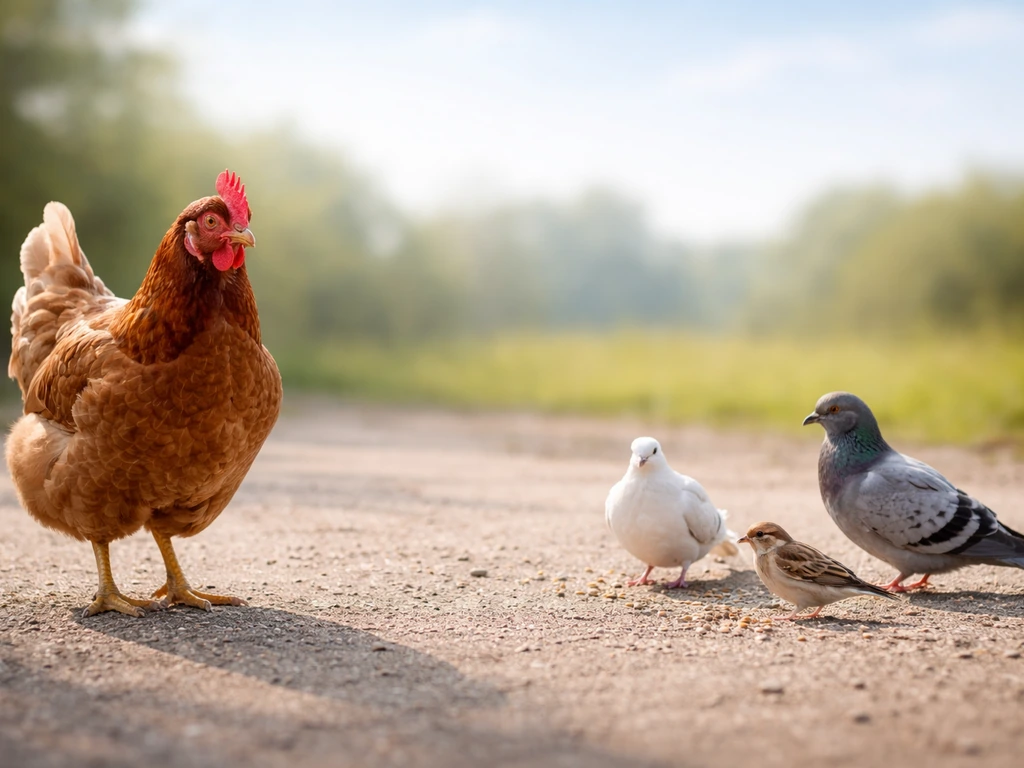
What 'fowl' means in plain English
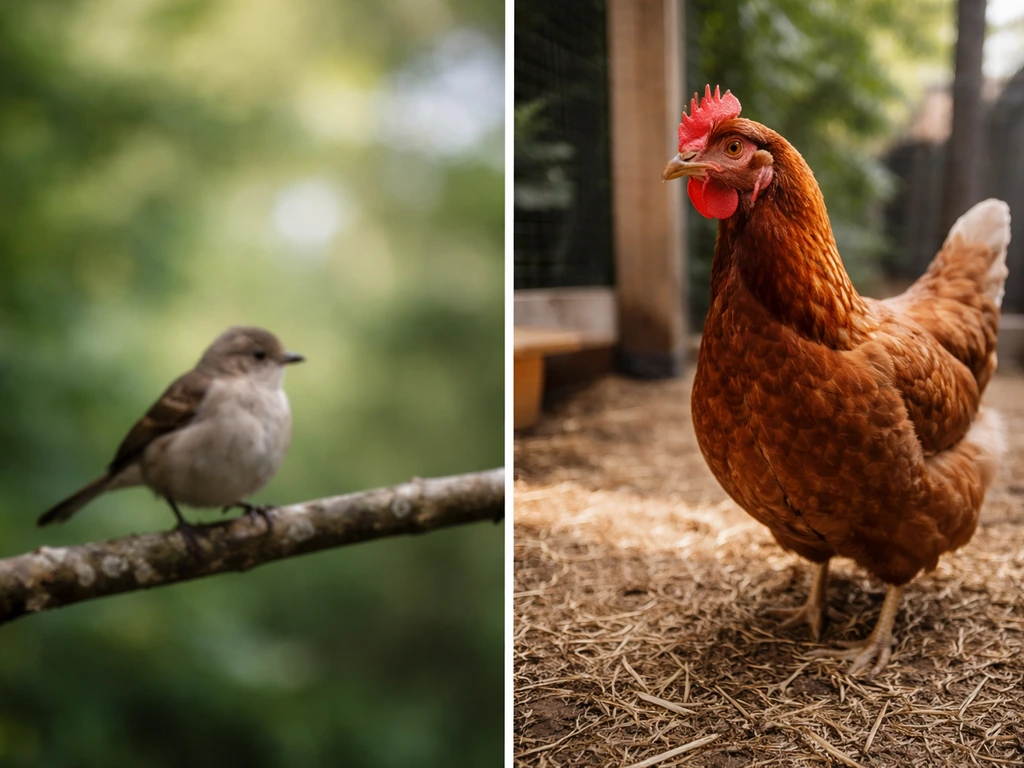
Merriam-Webster gives fowl two main definitions. The first is broad: 'a bird of any kind,' which is why you'll see compounds like waterfowl and wildfowl. The second is narrower: 'any of several domesticated or wild gallinaceous birds,' meaning the heavy-bodied, ground-dwelling birds like chickens, turkeys, guinea fowl, and jungle fowl. In everyday speech, fowl almost always refers to the second sense, birds raised or hunted for food.
Britannica keeps it even simpler: a fowl is 'a bird (such as a chicken) that is raised for food.' That framing lines up with how most people actually use the word. When a recipe calls for 'roasted fowl' or a farm inventory lists 'forty fowl,' nobody is counting sparrows or robins. They mean chickens, ducks, geese, or turkeys. Worth noting: the plural can be either 'fowl' or 'fowls,' depending on context. 'Three fowl' is perfectly correct, and so is 'three fowls.'
There is also a third, older sense of the word that shows up in historical and literary texts: fowl as an archaic or poetic term for any bird at all. If you encounter 'the fowl of the air' in a biblical passage or older literature, it simply means birds in general. This is the origin of the classic English phrase 'fish, flesh, and fowl,' a tripartite grouping that puts birds in their own category alongside seafood and land-animal meat.
Is fowl a bird or an animal? A quick rule with nuances
Technically, fowl is both: it is a bird, and birds are animals. But the question people are actually asking is usually whether fowl belongs to the bird category or to some separate animal group like mammals or fish. The answer is unambiguous: fowl are birds. They have feathers, wings, beaks, and lay hard-shelled eggs. Biologically, birds belong to the class Aves, and fowl sit squarely within that class.
The nuance is that 'fowl' carves out a functional or practical subset of birds. The University of Wyoming Extension's poultry glossary puts it plainly: 'fowl' is a general word for most domestic birds, while 'bird' refers to any individual of any avian species. So if someone says 'fowl,' they are pointing specifically toward utility birds, whether raised domestically or hunted as game. They are not talking about songbirds, raptors, or parrots.
One more layer worth knowing: 'poultry' is often used as a near-synonym for fowl, but the legal and technical definition of poultry (per U. Britannica defines poultry, in animal husbandry, as birds raised commercially or domestically for meat, eggs, and feathers poultry is often used as a near-synonym for fowl. S. Code) is specifically 'any domesticated bird, whether live or dead.' Fowl can include wild birds hunted for sport or food, so fowl is actually the slightly broader term of the two. If you need to describe a pheasant shot during hunting season, 'fowl' works; 'poultry' technically does not.
Common examples of fowl vs. other animals
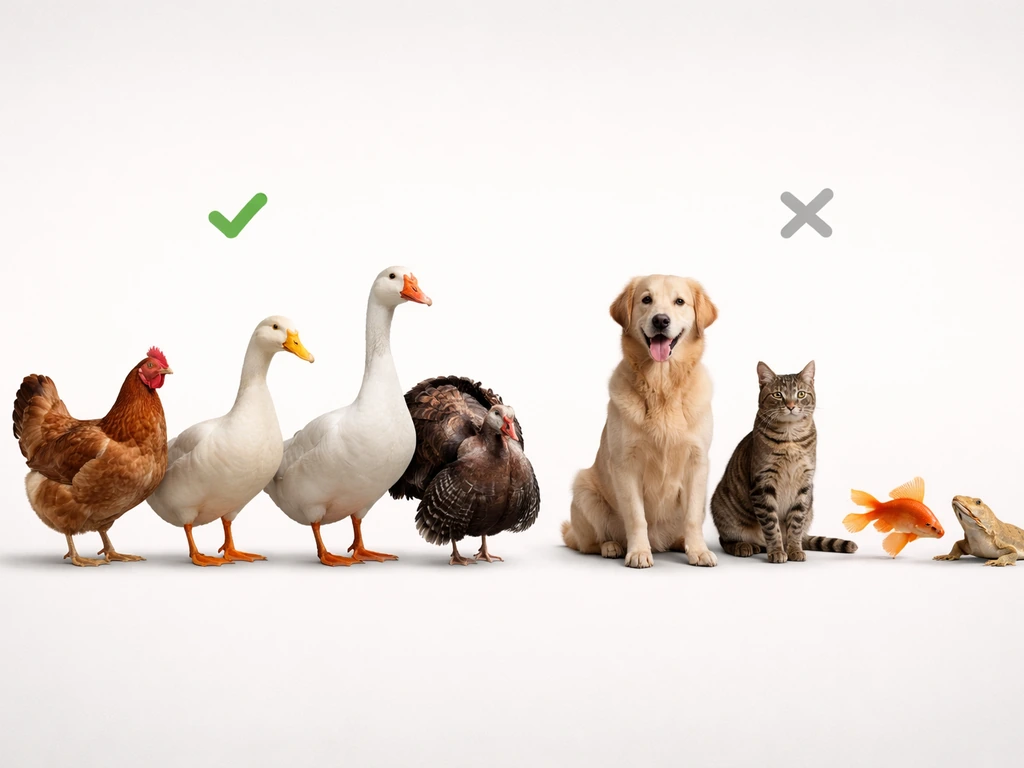
The clearest way to understand where fowl ends and other categories begin is through examples. Here is how fowl stack up against other animal groups you might encounter in the same sentence:
| Animal | Category | Counts as Fowl? | Notes |
|---|---|---|---|
| Chicken | Bird (Galliformes) | Yes | The most common example of domestic fowl |
| Turkey | Bird (Galliformes) | Yes | Classic game and domestic fowl |
| Duck | Bird (Anseriformes) | Yes | Waterfowl category |
| Goose | Bird (Anseriformes) | Yes | Waterfowl, domestic or wild |
| Guinea fowl | Bird (Galliformes) | Yes | Named as fowl directly |
| Pheasant | Bird (Galliformes) | Yes, in hunting context | Wildfowl/game fowl |
| Sparrow | Bird (Passeriformes) | No (in modern use) | A bird, but not called fowl today |
| Eagle | Bird (Accipitriformes) | No | Raptor; never referred to as fowl |
| Pig | Mammal | No | Falls in 'flesh' not 'fowl' in fish/flesh/fowl grouping |
| Salmon | Fish | No | Falls in 'fish' category |
The Galliformes order, which Britannica describes as 'heavy-bodied terrestrial birds,' forms the core of what most people mean by fowl. Chickens, turkeys, pheasants, quail, and peacocks all belong here. Anseriformes, the waterfowl order including ducks and geese, round out the category. Together, these two groups are what most dictionaries and agricultural texts have in mind when they use the word.
How 'bird' differs from 'fowl' in usage and scope
Bird is the wide-open category. Collins defines it as 'any warm-blooded vertebrate of the class Aves,' which covers everything from hummingbirds to ostriches to the chicken in your backyard. Collins defines “bird” as “any warm-blooded vertebrate of the class Aves,” a broader umbrella category than more specialized terms like “fowl.” “any warm-blooded vertebrate of the class Aves”. Bird is the scientific and everyday umbrella. Fowl is a subset with a practical, human-use angle baked in. When you say 'bird,' you might mean anything with feathers. When you say 'fowl,' you are signaling domestication, food use, or game hunting.
In writing, the choice between 'bird' and 'fowl' usually comes down to register and purpose. Scientific writing, nature writing, and casual conversation default to 'bird.' Culinary writing, agricultural texts, legal documents about food production, and older literary or biblical texts lean on 'fowl.' A birdwatcher spots birds. A farmer raises fowl. A hunter shoots wildfowl. Those distinctions hold pretty reliably across modern usage.
One practical trap to watch out for: the homophone 'foul.' Foul and fowl are pronounced identically, which creates a common spelling confusion. 'Foul' means offensive, unfair, or dirty. 'Fowl' means the bird (or bird-like animal). Washington State University's Brian's Common Errors page calls this out directly, noting that a chicken is a fowl, not a foul. If you are writing about birds, always use the 'w' spelling.
Figurative and idiomatic uses of 'bird' and how they connect
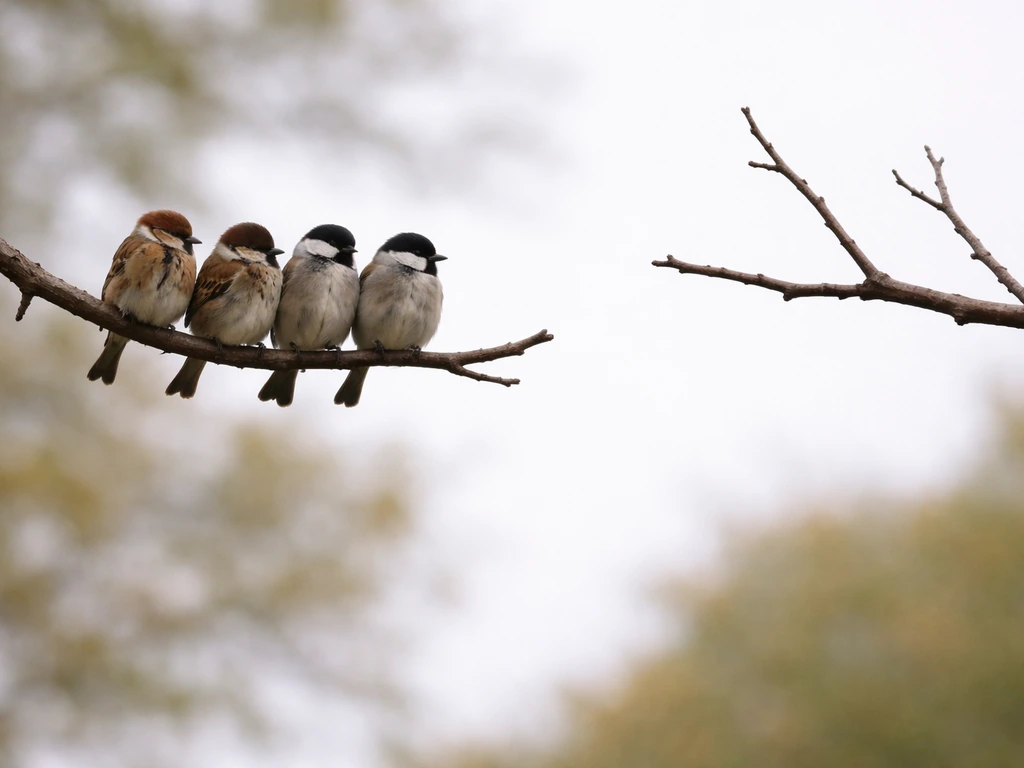
Once you leave the literal meaning behind, 'bird' does most of the figurative heavy lifting in English. 'Fowl' rarely appears in idioms, while 'bird' turns up constantly. If you are trying to untangle what “feral bird meaning” could point to, start by distinguishing wild birds from domesticated fowl. Understanding the idiomatic side of bird helps you read the cultural weight that attaches to these words, which is often what people are really after when they go looking for 'fowl bird meaning' in the first place.
'Birds of a feather flock together' is probably the most recognized bird proverb in the language. In that context, a flock of bird meaning is about people with similar traits or interests gathering together. It means that people with similar traits, interests, or values naturally gravitate toward one another. The image draws directly on the observable behavior of actual birds, where species tend to congregate with their own kind. 'The early bird gets the worm' extends the same naturalistic logic into a moral about timing and initiative: act first, gain the advantage.
On the less flattering end, 'birdbrain' or 'bird-brained' is slang for a stupid or scatterbrained person, a derivation that Oxford Learner's Dictionaries flags as especially common in North American English. The insult leans on the old folk assumption that birds have tiny, simple minds, which is ironic given how cognitively complex some species (crows, parrots, jays) have turned out to be. Still, the expression stuck and remains in active use today.
'Fowl' itself does occasionally appear in wordplay and expressions, almost always as a pun on 'foul.' 'Fowl weather,' 'fowl language,' and similar constructions appear in children's books, pun-heavy headlines, and humor writing specifically because they exploit the homophone relationship. That is the extent of fowl's figurative life in modern English. It is not an idiom-rich word the way 'bird' is.
Cultural and symbolic weight: what 'bird' and 'fowl' carry across languages and traditions
In symbolic traditions across cultures, birds carry enormous freight. Encyclopedia.com's symbolism overview describes birds as representations of the human soul, absolute freedom, and transcendence, a near-universal association that appears in Daoist thought, Buddhist iconography, and Western religious art alike. The bird in flight is, in almost every cultural tradition, a metaphor for the spirit leaving the body or rising above earthly limitations.
In ancient Greek and Roman cultures, birds served as messengers between the gods and humans. Augury, the practice of reading divine will through the flight and behavior of birds, was a serious institution in Roman civic and military life. An eagle flying left versus right could determine whether a general marched into battle. This sacred, omen-laden role is partly why bird symbolism runs so deep in Western literature and why birds appear in mythology with such regularity.
Fowl specifically occupies a different symbolic register. Where 'bird' suggests freedom, transcendence, and spirit, 'fowl' is grounded, domestic, earthy. The chicken, the turkey, the goose: these are creatures of the farmyard and the table. In English cultural tradition, they appear in proverbs about practicality and provision, 'don't count your chickens before they hatch' being the clearest example. That saying belongs to the same practical, agricultural worldview that the word 'fowl' itself inhabits.
This symbolic split is also visible in the 'fish, flesh, and fowl' construction, which has appeared in English cookbooks and household guides for centuries. The phrase clusters fowl with other food categories, keeping it firmly in the material and domestic realm. There is no mysticism in a roast chicken. The symbolism of fowl, when it exists at all, tends to be about abundance, domesticity, and nourishment rather than the spiritual elevation that bird imagery evokes in poetry and myth.
Fowl vs. bird: which word fits your context?
Here is the practical test. Ask yourself why the word matters in the context you are reading or writing:
- If the context is food, farming, or poultry production, use 'fowl.' Chickens, ducks, geese, and turkeys are fowl. A recipe, a farm record, or an agricultural regulation will almost always mean 'fowl' in this sense.
- If the context is hunting or game, 'fowl' also applies, especially in compound forms like 'wildfowl' or 'waterfowl.' British English tends to use 'wildfowl' for wild birds taken in sport shooting, while 'waterfowl' in Britain often refers to ornamental domesticated swans, geese, and ducks.
- If the context is general, scientific, or figurative, use 'bird.' Any discussion of avian species broadly, any metaphor or idiom, and any casual reference to non-food birds should default to 'bird.'
- If the context is old or literary English (biblical texts, historical prose, pre-20th-century poetry), 'fowl' may simply mean 'bird' in the archaic sense. Read it that way and do not over-interpret.
- If you see 'foul' where you expect a bird reference, it is almost certainly a spelling error. Flag it, and replace with 'fowl.'
It is worth knowing that related words on this site explore similar territory: feral birds, fallow associations, and flock symbolism each carry their own distinct meanings that overlap with how 'fowl' and 'bird' are used across cultures and idioms. The further you go into bird symbolism, the more you realize that English has built up an extraordinarily layered vocabulary around these animals, one where a single letter's difference (fowl vs. foul) or a register shift (bird vs. fowl) can change the meaning entirely.
The bottom line: fowl is a bird, always. If you are specifically asking about fallow bird meaning, it helps to distinguish it from everyday words like fowl and bird. If you want to go deeper into this idea, offal meaning bird can help clarify how the terms get mixed up in everyday language Fowl is a bird. If you're also wondering about the difference between foul and fowl, that spelling mix-up can make the meanings feel even more confusing offal meaning bird. It is a practical, earthbound category of birds tied to human use, whether as food, as game, or as farm animals. Bird is the broader, more expansive term that carries both the literal biology and the full weight of cultural symbolism. Use 'fowl' when you are talking about chickens, turkeys, ducks, and geese in contexts involving food or hunting. Use 'bird' for everything else, and especially whenever you step into figurative or symbolic territory.
FAQ
If a parrot or an ostrich is a bird, can I call it fowl in normal writing?
Usually no. In everyday English, fowl points to birds used for food, farming, or game hunting. For parrots, raptors, and other pet or wild birds, bird is the safer choice unless you are specifically writing about agricultural or hunting categories.
What’s the difference between fowl and poultry when the birds are wild but used as game?
Poultry is commonly treated as domesticated birds, while fowl can include wild birds hunted or used for food. If you describe a pheasant or similar shot game, fowl generally fits better than poultry, especially in non-legal contexts.
Is “fowl” acceptable as a single count noun, like “a fowl,” or should I use “a bird”?
“A fowl” is correct and understandable, but it can sound slightly formal or antiquated. In most modern everyday contexts, “a bird” reads more natural unless the sentence is clearly about food or game (for example, “the fowl on the menu,” “a fowl was caught”).
Can I use “fowl” for fish or other animals in idioms like “fish, flesh, and fowl”?
No, fowl stays with birds in that specific idiom. It pairs birds with meat categories, so substituting it for any non-bird animal would break the conventional meaning of the phrase.
When I see “waterfowl” or “wildfowl,” are those types of fowl or just birds?
They are both, but the point is that fowl is used to label birds in particular practical contexts. Waterfowl and wildfowl behave like category labels for birds (often ducks, geese, and similar species), so the “fowl” wording is intentional and conventional.
What should I do if I’m unsure whether to write “fowl” or “bird” in a recipe or menu description?
If the item is specifically a chicken, turkey, duck, goose, or similar edible bird, “fowl” fits especially in older or culinary-technical phrasing. If you are describing any bird broadly, the menu can read better with “bird” or by naming the species directly.
Is “fowls” always acceptable as the plural of fowl?
Generally yes. Both “three fowl” and “three fowls” are acceptable, but “fowl” as the plural can feel more formal or literary, while “fowls” may sound more archaic. For modern menus or technical writing, many editors choose the simplest “fowl” form.
Does “fowl” ever mean something other than birds, for example in biology or law?
In biology, it does not stop being a bird category, it just narrows to particular birds (often domestic or gallinaceous birds) depending on context. In law or regulations, the key is that “poultry” may be defined specifically in terms of domestication, live or dead, so you should follow the document’s definitions if precision matters.
How do I avoid the common “foul vs fowl” spelling mistake in autocorrect-heavy settings?
Treat them as different words with different meanings and different spelling, the “w” in fowl always signals birds. A practical safeguard is to proofread sentences containing “fowl” with an eye for nearby words like “weather,” “language,” “language” often suggests the pun on foul, while menu, farm, or hunting terms suggest fowl.
If I’m writing fiction and want an older tone, can I use “fowl of the air” without changing the meaning?
Yes, that phrase is generally understood as an archaic or poetic way to say “birds” in general. If you keep the surrounding diction historical, it will read as poetic rather than confusing or mistaken.
Next Articles
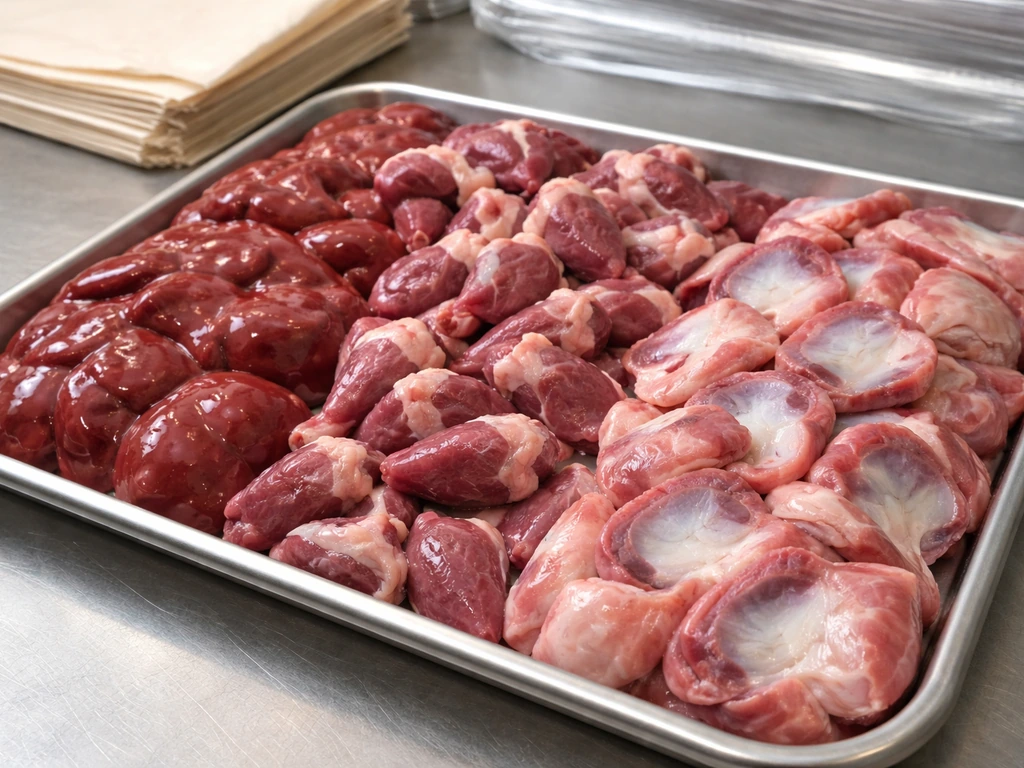
Offal Meaning Bird: What Offal From a Bird Is
Clarifies offal meaning for birds, what bird offal includes, and whether any symbolic or idiom uses change it.
Munster Bird Meaning: Folklore, Symbolism, and How to Verify
Meaning of Munster bird searches: folklore, symbolism, idioms, spelling variants, and quick ways to verify the reference
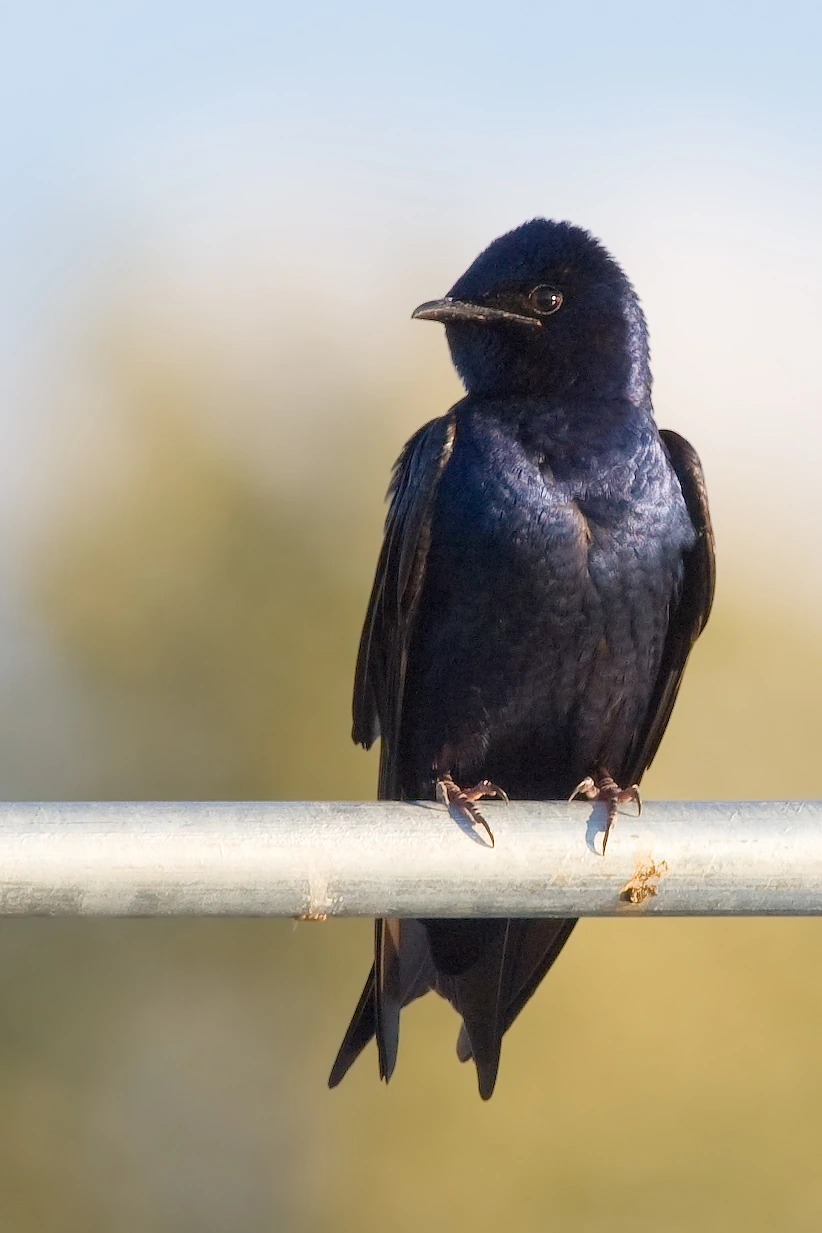
Martin Bird Meaning: Symbolism, Folklore, and Signs
Learn martin bird meaning with symbolism, folklore, and how to identify the right species for omens and dreams.