"Offal" is not a type of bird. If you searched "offal meaning bird" or came across the phrase "offal bird" and wondered whether it names a specific species, the short answer is: no, it does not. "Offal" is a general word for the non-muscle parts of a slaughtered animal, and when it appears alongside the word "bird," it simply means the offal that came from a bird, usually a chicken, turkey, or other poultry. Think of it the same way you'd read "beef offal" or "lamb offal", the animal word tells you the source, and "offal" tells you the category of parts.
Offal Meaning Bird: What Offal From a Bird Is

Marcus Blackwell
17 Apr 2026
What "offal" actually means in everyday English
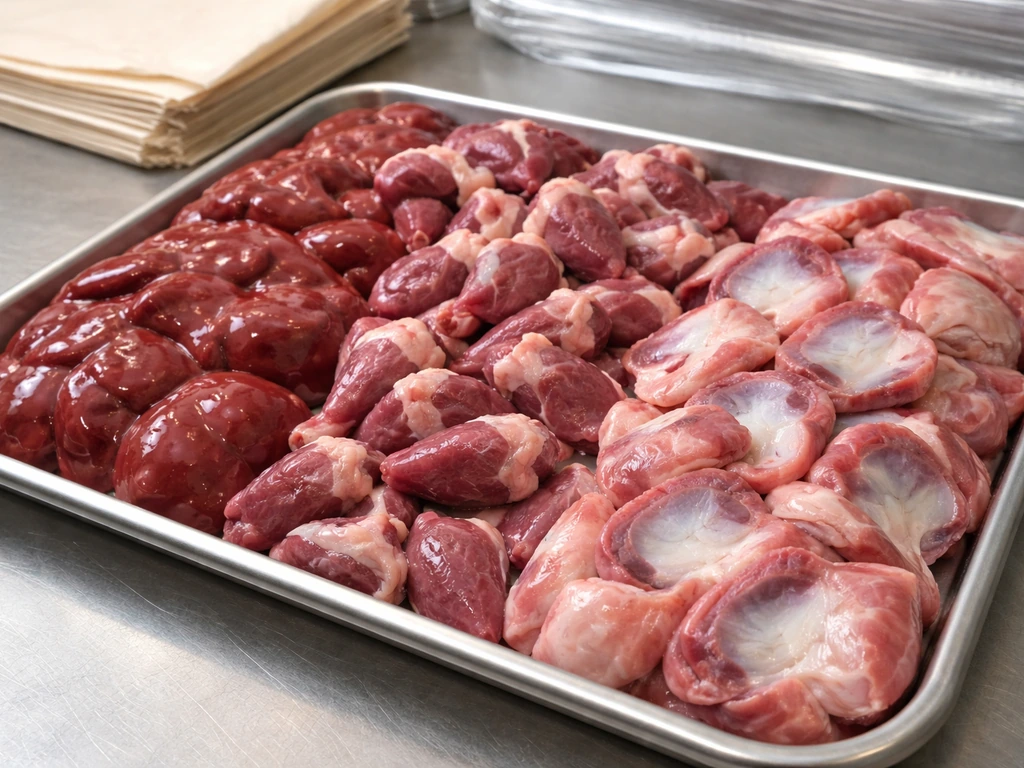
The word traces back to a surprisingly literal origin: "off" plus "fall," meaning the parts that fall away or are cast off during butchering. Etymologically it covered waste parts and by-products, especially the internal organs and trimmings of a slaughtered animal that get treated as edible side products rather than prime muscle meat. Merriam-Webster captures this well, describing offal as those parts of an animal that are not skeletal muscle, while also noting an older sense of "something that has fallen or been cast away." Britannica expands the picture by listing what counts: stomachs (tripe), brains, heart, liver, tongue, and kidneys all qualify. So offal is really a broad category, not one specific ingredient.
The key thing to hold onto is that "offal" is a modifier or category noun. It describes the type of part, not the species it came from. Whether you're talking about a cow, a pig, or a chicken, the word works the same way: it flags internal organs and trimmings rather than cuts of conventional meat.
Bird offal: what it refers to in a poultry context
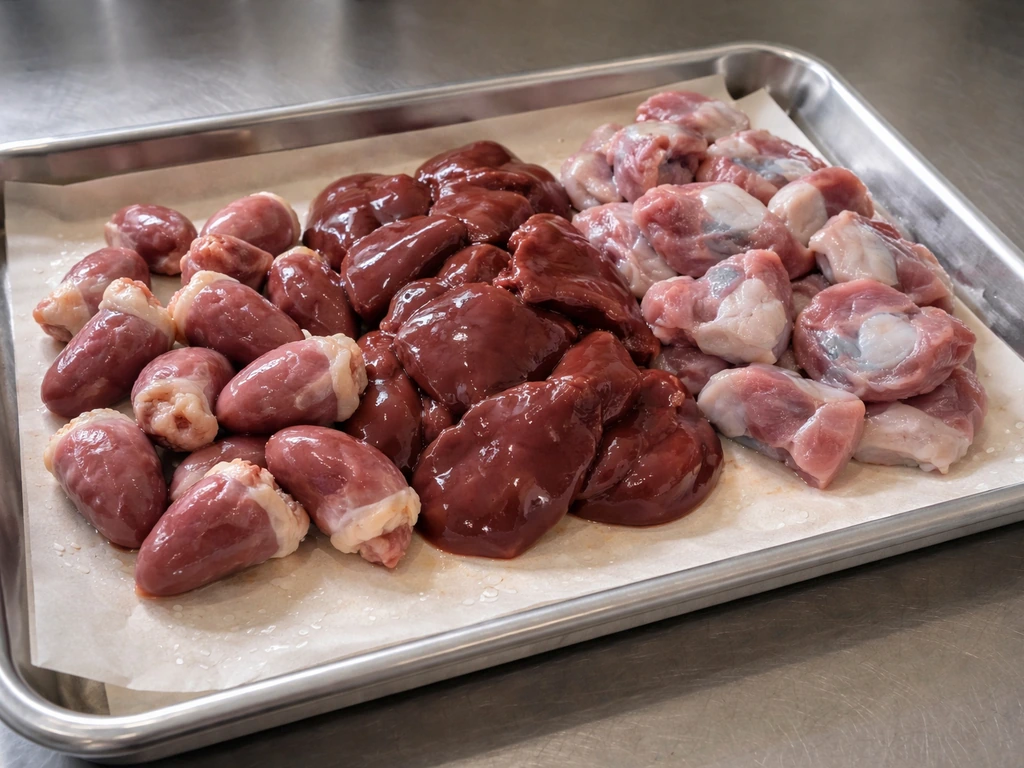
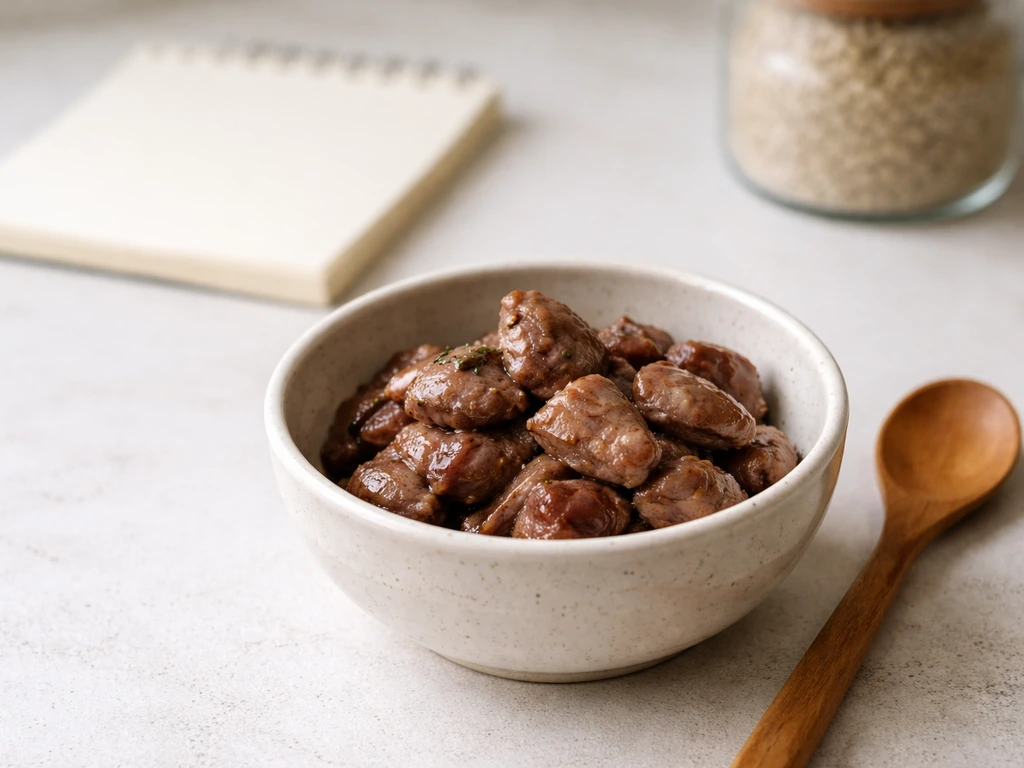
When "offal" is applied specifically to birds, it most often appears in poultry processing and cooking. The more familiar culinary term you'll see on U.S. grocery store labels is "giblets", and giblets are, in essence, the edible offal of poultry. Under federal regulatory language (9 CFR § 381.1), giblets are precisely defined as the liver (with the bile sac removed), the heart (with the pericardial sac removed), and the gizzard (lining and contents removed). That's it, technically. In practice, the neck is almost always tucked into the same little bag inside a whole bird, but officially the neck is not a giblet even though it travels with them.
So if a recipe or food label says "bird offal" or "poultry offal," it's pointing to that cluster of parts: heart, liver, gizzard, and often the neck. These are the same things your grandmother probably fished out of the turkey cavity before roasting. They're used in gravies, stocks, stuffings, and pâtés. Nothing exotic or mysterious, just parts that come from the inside of the bird rather than the breast or thigh. Understanding this is closely related to fowl bird meaning, since "fowl" is the broader term that covers the domesticated and game birds most commonly associated with offal in a culinary context.
"Offal bird" vs. "bird offal", clearing up the confusion
Here's where the phrase can trip people up. "Offal bird" reads like it might name a category of bird, the way you'd say "wading bird" or "shore bird." It doesn't. The confusion comes from English word order: when you see adjective-noun constructions like this, they sometimes describe a named type of a thing (a songbird, a gamebird), and sometimes they just describe a quality or source (a feral bird, a wild bird). "Offal bird" falls into the second camp, it's shorthand for "a bird that is the source of offal" or colloquially "offal from a bird." No ornithology textbook lists an "offal bird" as a species.
It's a bit like the difference between foul meaning bird, where the homophone confusion between "foul" and "fowl" trips up readers, and a legitimate descriptive phrase. The word "offal" simply isn't used as a species label or a symbolic bird category anywhere in ornithology, mythology, or everyday slang. If you encountered "offal bird" in a text and suspected it named a specific creature, the most likely explanation is either a poultry processing context or a loose descriptive phrase, not a named species.
How "offal" turns up in bird-related idioms and language
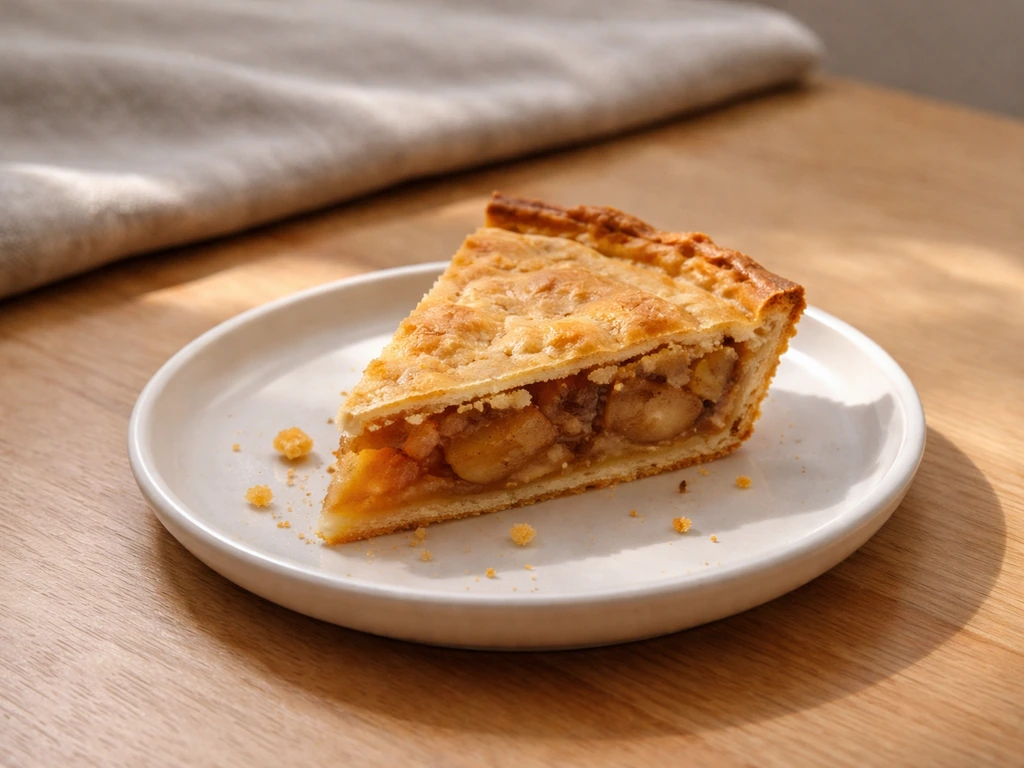
The most interesting idiomatic thread connecting offal and birds runs through the phrase "eat humble pie." The "humble" in that expression is actually a corruption of "umbles" (sometimes "numbles"), which was a medieval English word for the offal and inner parts of an animal, the heart, liver, lungs, and entrails. Umble pie was a real dish, made from those lesser cuts and traditionally eaten by servants or lower-status people while the lord of the manor ate proper meat. Over time "umble" shifted to "humble" in spelling and meaning, and the phrase took on its modern figurative sense of being forced to admit fault or swallow your pride. The bird connection exists because offal from game birds and deer alike would have ended up in those pies.
Outside that idiom, "offal" doesn't feature prominently in standalone bird idioms the way that, say, flock of bird meaning does in expressions about collective behavior or community. But offal does appear in bird-related contexts in a more functional, descriptive way, particularly in hunting and game-processing language, where "offal pile" refers to the organs left behind after field dressing a carcass, which then attract scavenging birds.
Offal in folklore, mythology, and symbolic bird contexts
In folklore and historical religious texts, offal appears regularly as a disposal term for waste from sacrifice or slaughter, and birds are the natural recipients. One passage from religious writing describes it plainly: "From all these slain creatures the offal was thrown to the birds." This kind of imagery is ancient. Birds that eat carrion and remains, vultures, ravens, crows, have been symbolically charged figures in cultures worldwide precisely because they perform this act of consuming what humans discard. The black vulture, for instance, is documented as a scavenger that feeds on refuse, offal, and other discarded waste, and in Mesoamerican traditions the vulture carried significant cosmic symbolism tied to death, transformation, and renewal.
The association between scavenging birds and offal has made those birds potent symbols. In Norse mythology, ravens following armies were understood to be waiting for the "offal" of battle: the slain and discarded remains. In that framework, the bird consuming offal becomes a figure of fate, death, or spiritual transit rather than simply a bird eating scraps. It's worth noting that feral bird meaning often overlaps with this symbolism, feral birds, like scavengers, occupy the boundary between the domestic and the wild, the controlled and the cast-off, which is exactly the semantic space offal inhabits.
In modern nature writing and wildlife ecology, Audubon has documented how hunters leaving organ piles after field dressing attract an unexpected range of bird species, including Northern Cardinals, which don't typically come to mind as scavengers. This observed behavior reinforces how "offal" works in natural-history writing: it's always a category of material (the organs, the trimmings, the cast-off parts), never a species name. The birds come to the offal; the offal doesn't define what kind of bird they are.
Some symbolic traditions treat the eating of offal, the lowest, most discarded parts, as an act of humility or of crossing a social threshold. This maps onto the idiom history above, and it also connects to why certain birds that eat offal carry ambivalent reputations: simultaneously impure and sacred, polluted and purifying. The fallow bird meaning touches on related themes of dormancy and transition, the idea of what is left over, set aside, or overlooked, a conceptual cousin to the cultural role offal plays in defining what is valued versus discarded.
How to read the phrase depending on where you saw it
The context where you encountered "offal" plus "bird" almost always tells you exactly what it means. Here's a quick breakdown by scenario:
| Where you saw it | What it likely means | What to do |
|---|---|---|
| Recipe or food label | Poultry internal organs: heart, liver, gizzard (giblets), possibly neck | Treat as culinary ingredients; check the recipe for how to prep each part |
| Hunting or game-processing guide | Organs left in the field after field dressing (offal pile) | Understand these attract scavenger birds; no symbolic meaning intended |
| Religious or literary text | Cast-off remains thrown to birds; often symbolic of waste or sacrifice | Read in context for symbolic weight; scavenging birds may carry deeper meaning |
| Folklore or mythology discussion | Material consumed by symbolic scavenger birds (ravens, vultures, crows) | Connect to the bird's cultural symbolism — the offal is a vehicle for that meaning |
| Casual speech or slang | Probably a figurative reference to something worthless or discarded | Treat as negative/dismissive; closer to the original "cast-off" sense of the word |
The single most useful question to ask yourself is: is "bird" here describing the source animal (a chicken, a turkey, a game bird), or does the phrase seem to be naming some kind of species or creature? In every legitimate context, it's the former. "Offal bird" names a source and a part category, full stop.
Practical next steps for interpreting the phrase
- Identify whether "bird" in the phrase is pointing to the source animal (poultry or game bird) or trying to name a species. If it's a species, the word you actually want is probably a different one entirely.
- If the context is culinary or food labeling, look for the specific parts listed: liver, heart, gizzard, and possibly neck. These are giblets under U.S. definitions, and they're the everyday equivalent of "bird offal" in a kitchen context.
- If the context is literary, religious, or mythological, shift your reading to the symbolic dimension: what does the bird consuming or being associated with offal (waste, remains, cast-offs) tell you about that bird's role in the story or belief system?
- If you're in a hunting or wildlife context, "offal" means field-dressing remains. The interest there is usually ecological — which bird species scavenge those piles — rather than symbolic.
- When the phrase feels off or doesn't fit neatly into any category above, consider whether "offal" might be functioning as a dismissive adjective in the older sense — meaning worthless, discarded, or base — applied to a bird or bird-like figure metaphorically.
One broader note: the world of bird-related language is full of terms that look like species names but aren't, and vice versa. Phrases like farrow bird meaning can spark the same confusion, is it a descriptive phrase or a named category? Working through the grammar of a phrase (what's the noun, what's the modifier?) usually resolves it faster than searching for a species list.
The bottom line: "offal" in the context of birds means the non-muscle parts of a poultry or game bird, heart, liver, gizzard, and similar organs. It does not name a bird species, a symbolic bird archetype, or a category in any bird taxonomy. When it appears in myth and folklore, it's the material those scavenging birds eat, which is where the symbolic charge lives. And if you came here from a recipe or a grocery store label, you're looking at giblets. Same thing, more familiar name.
FAQ
Does “offal bird” mean a specific type of bird species?
No. In normal English it reads as “offal from a bird” (usually poultry), so it points to the source and the food category, not a species name used by taxonomy or birding.
Are “giblets” and “bird offal” exactly the same thing?
They overlap heavily but are not perfectly identical. “Giblets” is the technical grocery-label term for defined parts (commonly liver, heart, gizzard), while other “offal” phrasing can also include items people commonly keep with the bag, like the neck, depending on the seller or recipe.
If a label says “poultry offal,” what parts should I expect in the bag?
Most often you will find the edible internal-organ cluster used for stock and gravy: liver, heart, and gizzard. The neck is frequently included but not always counted in the strict regulatory definition, so check the ingredient list or packaging description.
Is “offal” only organs like liver and heart, or can it include other parts?
Traditionally it means non-muscle parts and trimmings, so it can include organs and certain inner parts (like stomach lining for the gizzard). Whether something is included in practice depends on the processing standard and the butcher or brand’s packaging.
Can I cook bird offal the same way as beef or lamb offal?
Some techniques transfer, but timings and flavors differ. Poultry offal often cooks quickly, and liver in particular can turn bitter or grainy if overcooked, so many cooks sauté liver separately rather than treating it like a uniform ingredient in a long-simmer dish.
What’s the safest way to store bird offal before cooking?
Keep it refrigerated and cook promptly. If it came sealed from a store, follow the “use by” date, and if you won’t cook within a day or two, freeze it quickly to avoid quality loss. Thaw in the refrigerator, not on the counter.
Do scavenging birds (like crows or ravens) really eat “offal” the way people mean it in recipes?
They eat carrion and discarded organ piles, which are the same category material humans call offal. The difference is that wildlife context usually refers to what’s left after butchering or after an animal dies, not to intentionally prepared food.
Why do some texts say “umbles” or “humble pie” instead of “offal”?
Because “umbles” is an older English term for internal parts used in pies. “Humble” is a later spelling shift, and the phrase carries the same underlying idea of eating lower-status cuts made from the animal’s inner organs.
If I see “offal” used with a bird in a symbolic or myth context, what does it usually refer to?
It usually refers to the cast-off material that scavengers consume, which then becomes a symbol for death, fate, humility, or renewal. In those passages, the “bird” is often the actor that consumes what humans discard, not a named creature category.
What’s the fastest way to tell whether “offal” plus “bird” is literal food wording or wordplay?
Check the surrounding context. If it mentions packaging, recipes, stocks, gravies, or processing terms, it is literal (offal from poultry or game). If it appears in mythology, religious imagery, or idioms, it is likely referencing scavenging and symbolism rather than a cooking instruction.
Next Articles

Huelga Bird Meaning and Huelga Bird Flag Meaning
Decode huelga bird and huelga bird flag meaning using context, bird traits, and location to pinpoint symbolism.
Falcon Bird Meaning: Symbolism and White Falcon Meaning
Learn falcon bird meaning and white falcon bird meaning, including symbolism, context, omens, and how to interpret sight
Cockatiel Bird Meaning: Symbolism, Dreams, and Spirit Guidance
Decode cockatiel bird meaning: identity, symbolism, spiritual messages, dream meanings, and journal prompts for insight.