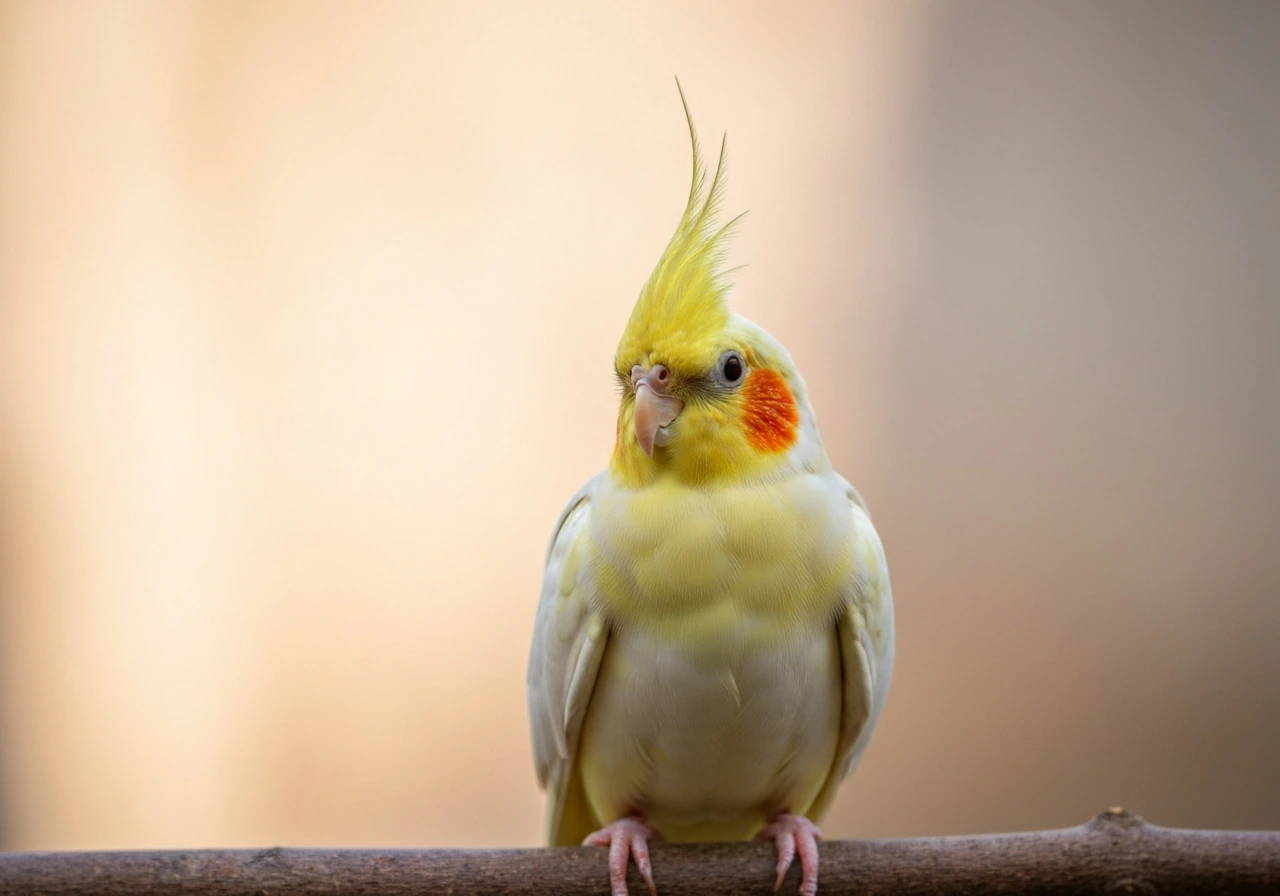
"Thotha" in Hindi does not have a standard dictionary meaning that refers to any specific bird species. The word थोथा (thotha) means "hollow," "empty," or "without real substance" in Hindi and Urdu.
Thotha Bird Meaning in English: Hindi, Symbolism, and Identification

Marcus Blackwell
30 Jun 2026

When people search for "thotha bird meaning in English," the most likely explanation is one of three things: a regional or dialect nickname for a bird that happens to sound like "thotha," a phonetic spelling mix-up for a different Hindi bird name, or a figurative use of the word "thotha" applied to a bird as a descriptive label.
The core answer you need first is this: thotha itself means "hollow" or "empty", not a bird name, so the bird connection always needs a second step of verification. If you are trying to figure out the drain me towa bird meaning, the key is to verify whether the phrase is being used literally or as a descriptive nickname.
What "thotha" actually means in Hindi
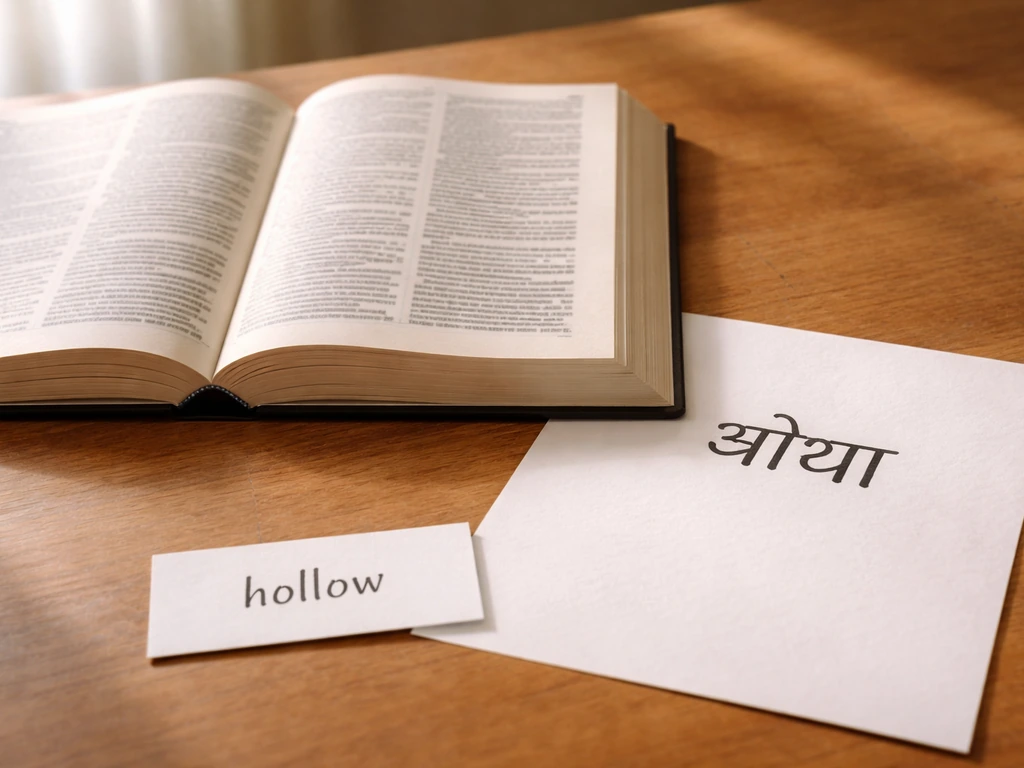
The word थोथा (romanized as thotha, pronounced /thothā/) is a well-documented Hindi and Urdu adjective. Collins Hindi-English Dictionary gives its primary English translation as "hollow." Rekhta Dictionary expands that to "hollow, empty from the inside, without real value," and lists it as a near-synonym of खोखला (khokhlā). Wiktionary also notes a secondary noun sense: "a clay mould used for shaping utensils", a completely separate meaning that can cause confusion when the word shows up in handwritten notes or regional captions without context.
So the word has at least two distinct lexical lives: an adjective meaning "empty/hollow/worthless" and a noun meaning "clay mould." Neither of these default meanings points to a bird. That is important to establish before going further, because it shapes how you interpret any source that uses "thotha bird" as a phrase.
Thotha bird meaning in English: literal translation vs. intended sense
If you take "thotha bird" purely at the literal dictionary level, you get "hollow bird" or "empty bird" in English. This “thotha bird meaning” is often about a hollow-looking bird rather than a specific species. That is the direct translation. But intended sense is usually something different. In regional Indian vernacular, bird nicknames often get attached to adjective-like words that describe the bird's appearance, call, or perceived personality. A bird that looks thin, hollow-bodied, or whose call sounds reedy or insubstantial might informally pick up the label "thotha" in a local context, the same way English speakers might call a bird "bony" or "reedy" informally without it being an ornithological classification.
The problem is that no major bird field guide for the Indian subcontinent, whether in Hindi, English, or Urdu, lists "thotha" as a standard vernacular name for any recognized species. That absence is significant. It means the intended sense of "thotha bird" likely varies by region, community, or the specific context where you encountered the phrase. Without that context, the closest English rendering remains "hollow bird" or "empty bird" as a descriptive label rather than a proper species name. If you are trying to figure out the cockatiel bird meaning, you will need to rely on a different, species-specific name instead of the figurative word “thotha.”.
Cultural and symbolic meaning of the "hollow" bird

Even without a fixed species attached, the symbolic weight of calling a bird "thotha" (hollow/empty) is rich in the Hindi-Urdu cultural imagination. The quality of hollowness in Indian folklore and poetic tradition often signals deceptive appearance: something that looks full or capable from the outside but lacks inner substance. Applied to a bird, this framing echoes a long tradition of using birds as moral stand-ins for human character.
The most telling parallel is the behavior of hollow reeds and bamboo in Indian classical poetry, particularly in Sufi traditions, where hollowness is paradoxically a virtue because it allows the breath of the divine to pass through. But in everyday folk usage, "thotha" carries the opposite, more skeptical connotation: something hollow that makes a lot of noise without backing it up. A bird labeled "thotha" in a folk story or proverb would almost certainly represent the braggart, the pretender, or the one who appears impressive but has nothing real inside.
The idiom that ties it all together
The most famous Hindi proverb containing "thotha" is: थोथा चना बाजे घना (thotha chanā bāje ghanā). थोथा चना बाजे घना’ का अर्थ ‘गुणहीन व्यक्ति अधिक डींग मारता है / गुणों का दिखावा’ के रूप में यूनिवर्सिटी/टेक्स्टबुक-स्टाइल सामग्री में मिलता है, जो ‘थोथा’=‘खाली/सारहीन’ के figurative अर्थ से जुड़ता है।. Literally, it means "an empty/hollow chickpea rattles the most.
" The intended sense is essentially the Hindi equivalent of "empty vessels make the most noise", a person with little real knowledge or ability makes the most show of it. This proverb does not use a bird, but it anchors the figurative meaning of "thotha" firmly in the domain of hollow pretension.
When "thotha" gets applied to a bird in everyday speech or folk narrative, it almost always carries this same shade of meaning: the bird (or person it symbolizes) is all display and no substance.
How to figure out the exact bird when "thotha" feels ambiguous

If you encountered "thotha bird" in a specific source, a book, a family story, a regional song, a social media post, and you genuinely believe it refers to a real species, here is a practical way to narrow it down:
- Check the region first. "Thotha" as a bird nickname, if it exists locally, will be tied to a specific geographic area. Note which state, language community, or dialect the source comes from — this alone will cut your search in half.
- Look for visual descriptors nearby. If the original text or conversation mentions color, size, habitat, or call, cross-reference those details with bird lists for that region. The name "thotha" may be a secondary label attached to a bird that has a more standard name elsewhere.
- Watch for spelling variants. A search for "thotha bird" returns results dominated by the hollow/empty meaning with no bird species match. Try phonetically close variants like "totaa" (तोता, which means parrot), "tohe," or other regional spellings. A single letter shift often reveals the actual bird.
- Rule out non-bird uses of the same word. Remember that "neela thotha" (नीला थोथा) refers to copper sulphate in Ayurvedic and Unani contexts — not a bird at all. If the source is medical or mineralogical, the bird interpretation is almost certainly wrong.
- Consult a regional vernacular bird list. Organizations that document Indian bird names in local languages sometimes capture dialect names that never make it into standard dictionaries. These are your best shot at confirming whether "thotha" has attached itself to a specific species in a particular community.
Common confusions worth knowing
| Word/Term | Language | Actual Meaning | Bird Connection? |
|---|---|---|---|
| थोथा (thotha) | Hindi/Urdu | Hollow, empty, without substance | No standard bird species |
| थोथा (thotha) | Hindi (noun sense) | Clay mould for shaping utensils | No |
| नीला थोथा (neela thotha) | Hindi/Ayurvedic | Copper sulphate (a mineral) | No |
| तोता (totaa) | Hindi | Parrot | Yes — common Indian parrot |
| ThothA / தொத்தா | Tamil/Dravidian | Kinship term (mother's younger sister) | No |
| थोथा चना (thotha chanā) | Hindi idiom | Empty/hollow chickpea; figurative: all show, no substance | No (but shares the thotha root) |
The most frequent mix-up is between "thotha" and "totaa" (तोता). In casual romanization, both can look similar, and parrots are one of the most symbolically loaded birds in Indian cultural tradition. If someone told you about a "thotha bird" in a Hindi-speaking context and described it as colorful, talkative, or imitative, there is a real chance they were talking about a parrot (totaa) with a pronunciation slip or phonetic spelling variation.
Examples, synonyms, and related bird expressions
The symbolic space that "thotha" occupies in figurative language, hollow, loud, pretentious, maps onto a cluster of bird expressions across cultures. In English, the closest equivalent bird idioms include "all feathers and no flesh" or comparing someone to a peacock (beautiful display, little practical value). In Hindi-Urdu poetic traditions, the crow is sometimes cast in a similar role: noisy, conspicuous, and associated with empty chatter rather than song.
Synonyms for "thotha" in the hollow/empty sense include खोखला (khokhlā), निरर्थक (nirarthak, meaning pointless), and सारहीन (sārahīn, meaning without essence). Any of these, if applied to a bird as a nickname, would carry a similar symbolic charge: a creature that looks like more than it is.
It is worth noting that birds with colorful plumage and loud calls, like parrots and toucans, attract this kind of figurative label across many traditions. The toucan, for example, is often read symbolically as a communicator and showman. If you are trying to understand the toucan context, the toucan and similar birds are often discussed in terms of their symbolic meaning, too. Parrots, whether in Indian, Middle Eastern, or Western traditions, are perennially cast as imitators: skilled at mimicking substance without necessarily possessing it. If "thotha" was being applied to a bird as a figurative label in a story or proverb, a parrot-type bird is a culturally logical fit.
Ultimately, the best way to use this article is as a diagnostic tool. If you found "thotha bird" in a Hindi source, the word itself tells you the bird was being described as hollow or empty in character, that is the symbolism regardless of species. If you need the exact species, use the verification steps above. And if the context is purely figurative, you already have the answer: a "thotha bird" is the one making the most noise with the least to back it up.
FAQ
Does “thotha bird” mean a specific bird species in English or Hindi?
No. “Thotha” is primarily an adjective meaning hollow or empty, so “thotha bird” usually functions as a descriptive nickname or figurative label rather than a species name. To identify a species, you need extra details like color, size, habitat, or the original Hindi script (thothā vs तोता).
How can I tell if the word is actually “thotha” (hollow) or “totaa” (parrot)?
Check the original spelling in Devanagari. थोथा (thotha) means hollow, while तोता (totaa) refers to a parrot. In roman text both can look similar, so the safest method is to confirm the Hindi spelling or listen for the exact syllables in the source audio.
If someone says “hollow bird,” what kinds of birds might they be describing?
Often it is about appearance, like a thin or hollow-bodied look, or behavior, like a call that sounds reedy or insubstantial. Without the original context, you cannot reliably map it to one species, because many small birds can look “hollow” in silhouette and many can have loud or repetitive calls.
What does “thotha” imply if used in a proverb or folk story about a bird?
It typically carries the “empty vessel” theme, meaning braggart behavior, display without substance, or noisy talk without real value. So the bird is usually a moral or character stand-in rather than a factual description.
Can “thotha” also refer to something non-bird in notes or captions?
Yes. “Thotha” can also mean a clay mould used for shaping utensils. If you see the word in an art, craft, or pottery context, treat it as the noun meaning rather than trying to link it to birds.
If I only have “thotha bird meaning in English” from a website, how should I verify it?
Use a context checklist: (1) Does the source show the Hindi spelling (थोथा) or a related proverb? (2) Do they describe behavior like mimicry, boasting, or noise level? (3) Do they claim a specific species with a scientific or local name? If none of these are present, it is probably a figurative interpretation.
Is there an English idiom that matches the “thotha” symbolism?
Often the closest equivalents are ideas like “all show, no substance” or “empty talk,” and sometimes comparing a person to birds known for display (for example, a peacock-like figure). The key is the evaluative meaning, not the exact bird species.
What details should I collect to identify the bird correctly when “thotha bird” is used?
Write down the original quote, the Hindi script if available, the bird’s color pattern, size (sparrow-like, pigeon-like), call type (repetitive, whistling, croaking), and where it was seen (city, fields, near water). These specifics let you distinguish between a parrot-like bird reference and an anonymous “hollow-looking” nickname.
Could “thotha” be used as a neutral description, not an insult?
It can be descriptive in appearance (hollow-looking, thin, empty inside), but in many folk uses it tilts skeptical or critical, matching the “noise without substance” proverb tradition. If the surrounding story praises or condemns the bird’s character, that tone usually tells you whether it is figurative insult or just visual description.
Next Article
Cockatiel Bird Meaning: Symbolism, Dreams, and Spirit Guidance
Decode cockatiel bird meaning: identity, symbolism, spiritual messages, dream meanings, and journal prompts for insight.