
"Code Bird" is not a recognized, standardized emergency code in U.S. hospitals. If you heard it overhead or saw it written somewhere, it is almost certainly a mishearing of another code term, a very facility-specific nickname, or a one-off shorthand that only makes sense inside that particular building. There is no nationwide mandate for what hospital codes must be called, so "Code Bird" has no universal meaning you can look up and rely on. The most important thing you can do right now is confirm the exact meaning with that specific hospital.
What Does Code Bird Mean in a Hospital?

Marcus Blackwell
23 May 2026

What "Code Bird" means in a hospital emergency context
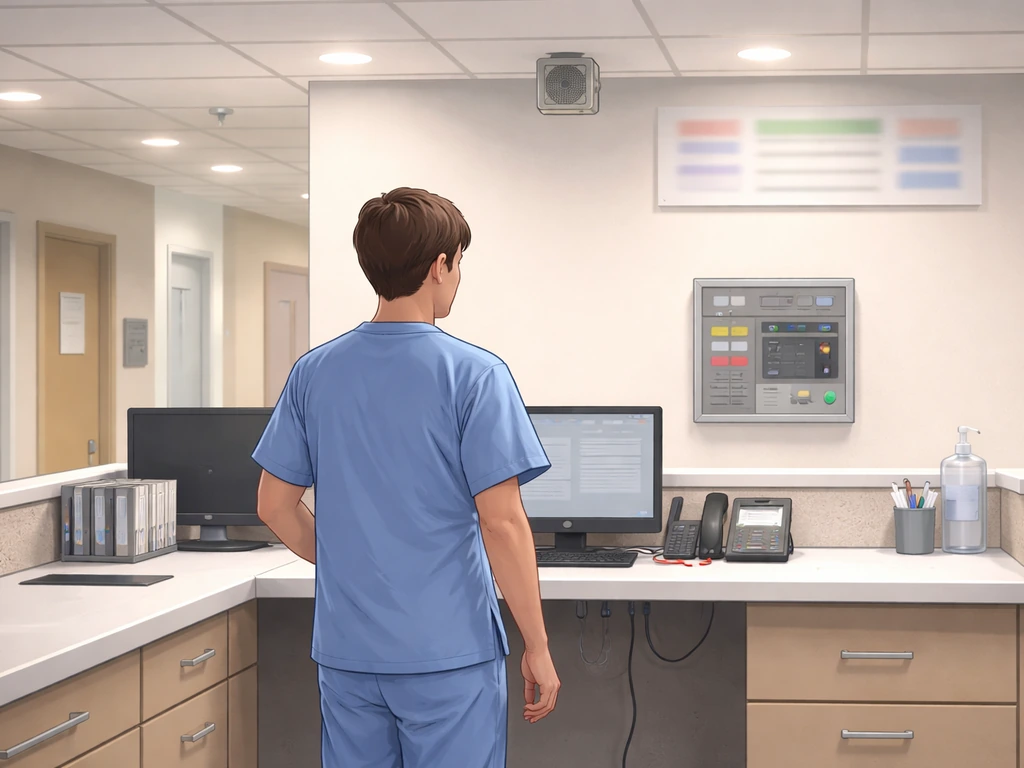
In hospitals, a "code" is an overhead announcement designed to alert staff to an emergency without causing panic among patients and visitors. The classic examples are Code Blue (cardiac or respiratory arrest), Code Red (fire or smoke), and Code Pink (infant or child abduction). These color-based codes are the most widely recognized, but even they are not locked into a single national standard. There is currently no national standard for emergency codes, and their meaning can vary by hospital even they are not locked into a single national standard. What "Code Blue" means at one hospital may be slightly different from how it is used three blocks away.
Against that backdrop, "Code Bird" simply does not appear in any official hospital policy document, regulatory guidance from the Joint Commission, or verified public-facing code directory. It is not tracked or documented the way established color codes are. That absence is itself meaningful. It strongly suggests the term is either a mishearing, a very local nickname for something else, or a piece of internal jargon that never made it into formal policy. Do not assume it maps to any specific emergency type without confirmation.
How hospital code systems actually work, and where "Code Bird" might fit in
Most hospitals organize their emergency codes in one of two broad ways: color-coded phrases (Code Blue, Code Red, Code Black) or acronym-based codes unique to that facility. A good real-world example of the second type is NIH Clinical Center's "Code BERT," where BERT stands for Behavioral Emergency Response Team. BERT is activated for behavioral or violent situations involving patients, visitors, or family members, and the response team is expected to assemble at the scene within five minutes. Someone hearing "Code BERT" over an intercom and not knowing the acronym could easily mistake it for "Code Bird," especially in a noisy hallway or over a crackling PA system.
This is probably the most plausible explanation for "Code Bird" as a phrase. It likely originates as a mishearing of BERT, a similar-sounding shorthand, or a word in another facility-specific code that got distorted in transit. Hospitals are loud environments, and overhead paging is not always crystal clear. A two-syllable code name with a hard consonant at the end is exactly the kind of thing that gets half-heard and garbled into something that sounds like a bird.
If a facility does use something called "Code Bird" internally, it would function like any other non-color code: announced overhead, triggering a designated response team, and carrying a meaning that is documented only in that hospital's internal code policy. Without seeing that policy, there is no way to know whether it signals a behavioral emergency, a security situation, a missing patient, or something else entirely.
Who announces it and what staff are expected to do right away

In virtually every hospital code system, the announcement process follows the same basic pattern regardless of the code's name. A staff member (usually a nurse, charge nurse, or security officer depending on the situation) contacts the operator or uses a dedicated activation button to trigger an overhead page. The page goes out to the whole facility or a specific zone, and a pre-assigned response team mobilizes immediately.
For a behavioral emergency code like NIH's BERT, the response team arrives within five minutes, gets a briefing from the nursing staff on scene, and begins de-escalation. Police or psychiatric staff may also be called. For a medical emergency like Code Blue, a resuscitation team responds within minutes with crash cart equipment. The specific roles and timelines are spelled out in each hospital's internal emergency operations plan, which staff receive during orientation and annual training.
If someone tells you they heard "Code Bird" announced and asks what they should do, the honest answer for staff is: check your code card or your unit's posted code reference immediately, because if it is not on the card, it may be a mishearing of a real code and you need to find out quickly. Do not assume you know the meaning of an unfamiliar code name.
What patients and visitors should do if they hear an unfamiliar code
If you are a patient or visitor and you hear an overhead code you do not recognize, the safest and most practical thing to do is stay calm and ask the nearest staff member what it means. Most hospitals use codes precisely so that the general public does not immediately know the details, which reduces panic. Staff are trained to give you enough information to keep you safe without creating confusion.
For codes involving a medical emergency (the Code Blue category), staff will typically redirect visitors away from the immediate area so the response team can work. You may see doors close, curtains drawn, or nurses moving quickly. Follow any directions you are given without delay. For codes involving security situations, you may be asked to stay in a room or move to a specific area. Again, follow staff instructions.
If you heard "Code Bird" specifically and are trying to understand what just happened, ask the charge nurse or a patient services representative. They can either confirm what the code means in that facility or clarify that what was announced was actually a different code that sounded similar. Either way, a direct conversation with staff is faster and more reliable than trying to look it up on the spot.
How to confirm the exact meaning at your specific hospital

Because there is no national standard that maps "Code Bird" to a specific event, the only reliable source of truth is the facility itself. Here are the most direct ways to verify it.
- Check the patient handbook or welcome folder in your room. Many hospitals include an emergency code reference for patients and visitors, listing what each code means and what you should do.
- Look for posted signage on the unit. Code references are sometimes posted at nursing stations, on unit bulletin boards, or inside patient room closets.
- Ask the charge nurse or unit nurse directly. They have the authority and the training to tell you what a code means and whether a specific term is used in that facility.
- Visit the hospital's official website. Facilities like Loma Linda University Health publish visitor-facing pages that explain what specific codes mean, particularly for codes like Code Pink that involve public safety behaviors.
- Request the hospital's emergency preparedness documentation or patient rights packet from patient services or administration. These documents typically include the full code list.
The American Hospital Association has pushed for standardized plain-language emergency codes precisely because the current patchwork system creates confusion for both staff and the public. Some hospitals have moved toward plain-language announcements (saying "there is a fire on the third floor" instead of "Code Red, third floor") as a result. But until that shift is universal, the code list on the wall of that specific facility is the only document that matters.
Why "code bird" creates confusion, and the bird-language connection
This site spends a lot of time with bird language, so it is worth pausing on why "code bird" is a genuinely tricky phrase to land on. In everyday idiomatic English, birds carry enormous symbolic weight. We talk about being a night owl, watching someone like a hawk, or giving someone the bird. Bird-related terms show up in slang, folklore, and professional jargon in ways that can blur with each other.
In a hospital specifically, the confusion is compounded by the fact that real code names sound like ordinary words. BERT sounds like bird. A mishearing of a code name pronounced quickly over an intercom could easily register as a bird-adjacent word, especially to someone unfamiliar with hospital procedure. This is not unique to "bird": people routinely mis-hear or mis-remember code names because they are unexpected sounds in a stressful environment.
There is also a deeper pattern here. Bird words are abundant in English precisely because birds have been used as symbols, omens, and metaphors across cultures for centuries. A heron carries meaning in Japanese and Celtic traditions. If you are wondering about the meaning of heron bird symbolism more generally, it can vary by culture and tradition heron carries meaning.
A harrier is both a bird of prey and a military aircraft. Hermit birds and hosp birds have their own layered histories in natural history and folklore. When someone encounters "code bird" as a phrase, the brain reaches for those familiar bird-meaning frameworks first, which is exactly why the hospital context gets muddled. The word "bird" pulls the mind toward symbolism when the actual conversation is entirely procedural.
The practical takeaway is this: in a hospital hallway, ignore the symbolic freight the word "bird" carries and treat any code announcement as operational language. It is a label for a procedure, not a metaphor. The meaning lives in the facility's code policy, not in any cultural or linguistic tradition. Look it up at the source, ask a staff member, and you will have your answer in under a minute.
FAQ
If I’m a staff member and I hear “Code Bird,” what should I do immediately before looking anything up?
Confirm whether the announcement matches a known code on your unit’s posted reference or code card, then follow the unit’s escalation chain (charge nurse, then security or operator). If you cannot confirm it within seconds, treat it as an unknown potentially serious event and ask the person who paged it what the code activates.
What if the intercom was unclear and I’m not sure I heard “Code Bird” correctly?
Do not rely on your best guess. Ask for clarification from the charge nurse or the staff member closest to the paging console, and compare any details you heard (unit name, floor, location) against the facility’s actual code list.
Does “Code Bird” ever mean a patient medical emergency, like Code Blue?
It might, but you should assume nothing. Many hospitals use acronym or local team names for non-color events, and some medical codes are not the same across facilities. The only safe approach is to check the facility code reference or confirm with the charge nurse.
If I’m a visitor and hear an unfamiliar code, should I leave the area or stay put?
Follow staff instructions first. In many facilities, staff will redirect visitors for safety, but the correct action depends on the type of emergency. The fastest safe move is to ask the nearest staff member what to do rather than deciding based on speculation.
Are hospitals required to use “Code Bird” consistently across states or regions?
No. There is no single nationwide code naming standard, so a term used in one hospital may not exist elsewhere, and even familiar color codes can vary slightly. Treat every hospital’s posted code list as the controlling document.
How can I verify “Code Bird” when I’m not staff and I do not have access to a code card?
Ask patient services, a nurse at the nearest station, or the charge nurse. You can also look for the posted emergency code instructions in public areas like elevators or waiting areas, but confirm with staff because posted lists can be updated or limited to general guidance.
What’s the safest way to respond if the code affects behavior, security, or missing persons rather than a medical event?
Expect different controls such as staying in a room, moving to a designated area, or limiting entry until staff secure the situation. Follow door or curtain cues, and do not attempt to investigate the location yourself.
Does hearing “Code Bird” mean I should alert other visitors or share it online?
Avoid spreading unverified details. Instead, direct others to ask staff, because incorrect assumptions can increase confusion or put people in unsafe places. If you must discuss it, keep it general and rely on confirmed instructions.
What should I do if I’m unsure whether I should call for help versus wait for staff directions?
If you think someone is in immediate medical danger (for example, unconsciousness, severe bleeding, or trouble breathing), call your unit’s emergency number or notify staff right away rather than waiting on the code name. Otherwise, wait for the guidance of staff trained to manage that specific incident.