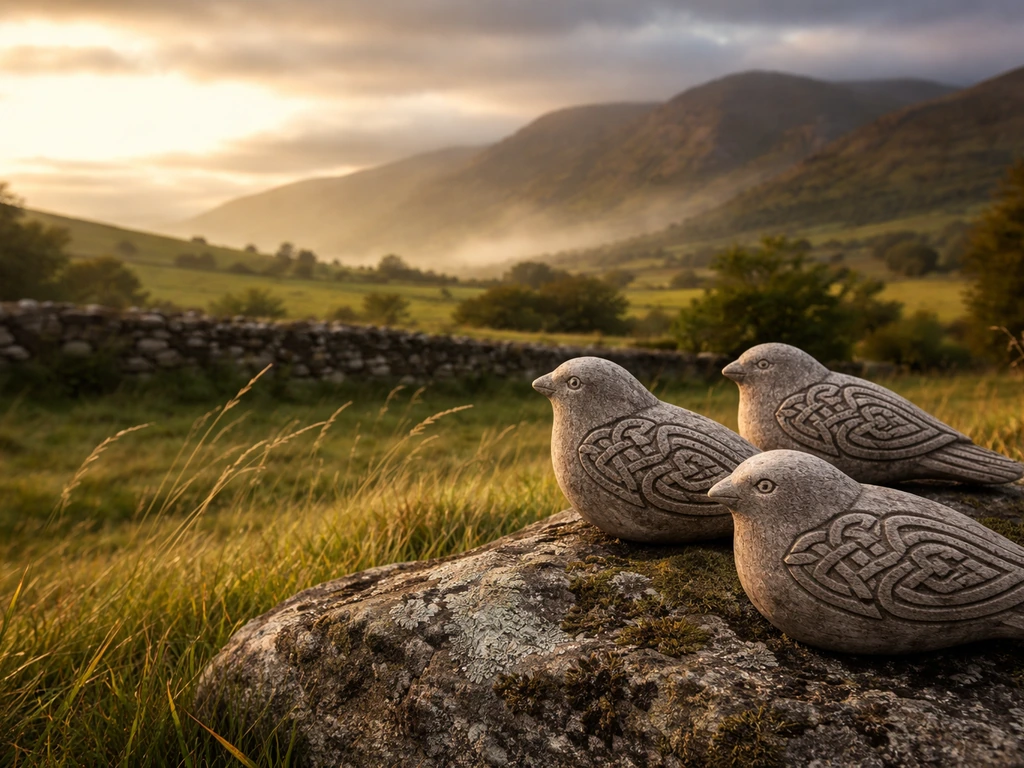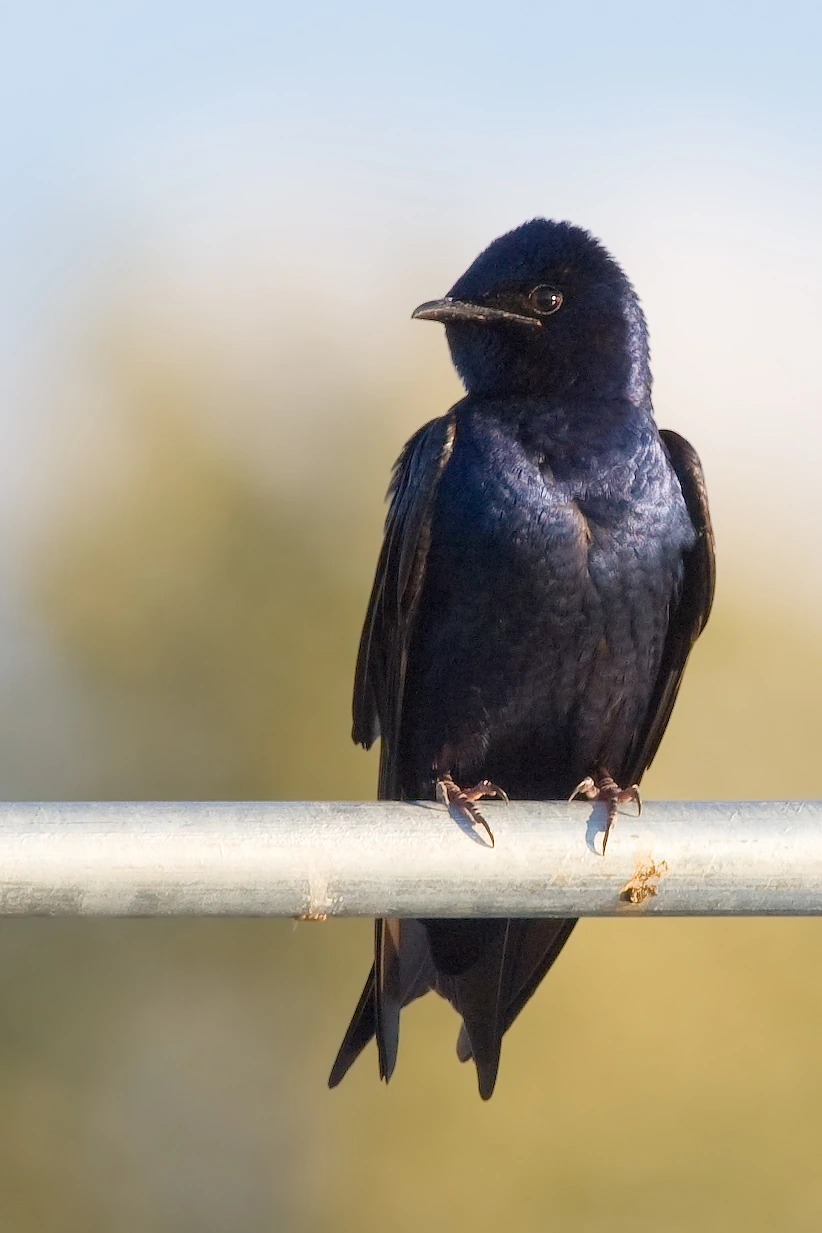
When someone says 'thorn bird,' they almost always mean one of three things: the legendary creature from Colleen McCullough's novel The Thorn Birds (a bird that sings its most beautiful song while impaling itself on a thorn), a nickname for the loggerhead shrike (a real bird that genuinely impales prey on thorns and barbed wire), or a symbolic image combining thorn and bird imagery to express pain, resilience, or sacrifice. Which one applies depends entirely on context, and once you know what to look for, it's easy to tell them apart.
Thorn Bird Meaning: Symbolism, Folklore, and Context Clues

Marcus Blackwell
7 May 2026
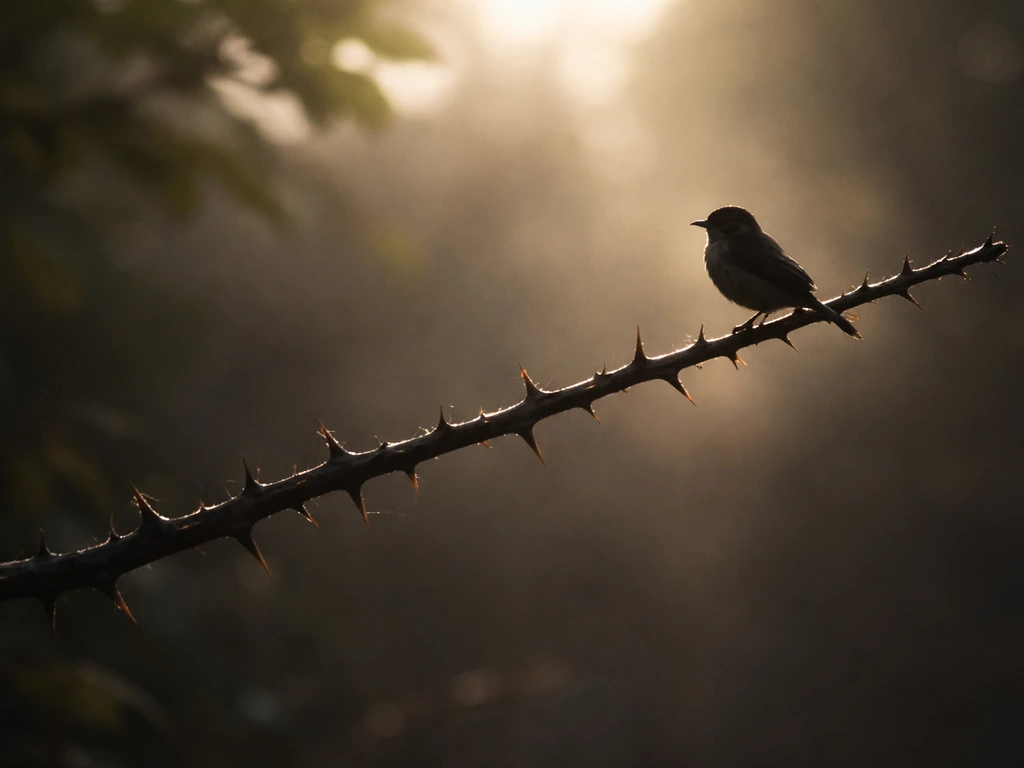
What 'Thorn Bird' Actually Means
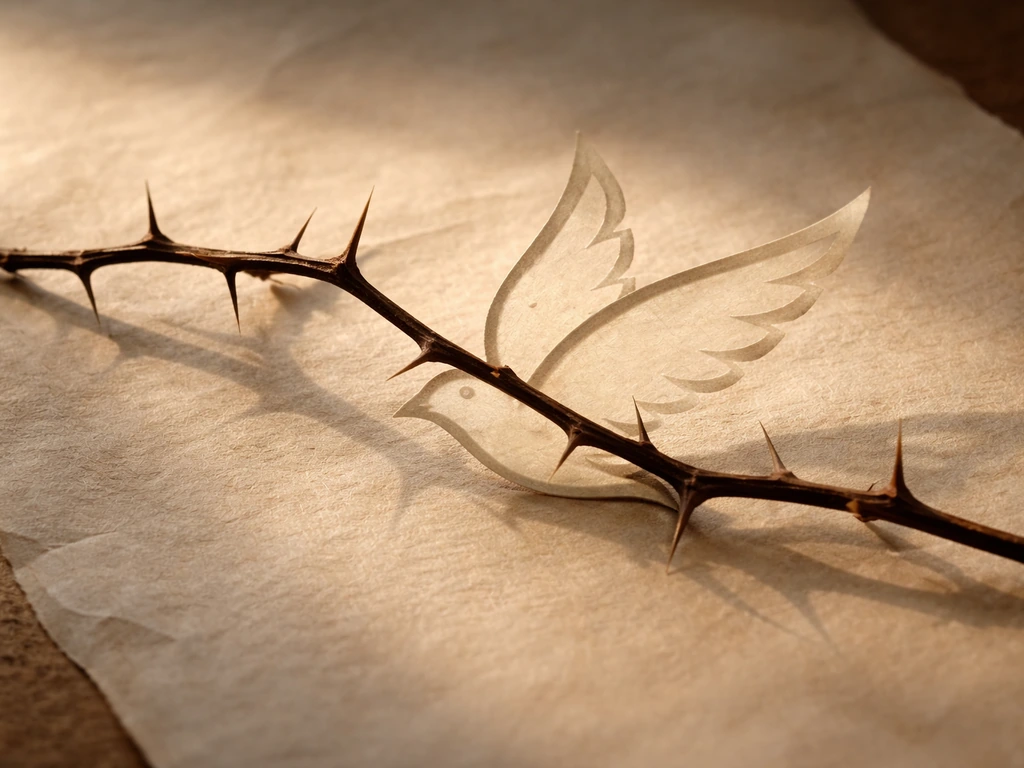
There is no single standardized species called 'the thorn bird' in ornithology, which is the first thing worth knowing. The term works more like a symbolic nickname than a fixed scientific label. That said, it does have at least two real-world anchors. The loggerhead shrike (Lanius ludovicianus) is commonly nicknamed both the 'butcherbird' and the 'thorn bird' because of its unusual habit of impaling insects, lizards, and small mammals on thorns, spines, or barbed wire fencing. It's a documented, well-studied bird, and its thorn association is purely behavioral. Separately, 'thornbird' (sometimes written as one word) appears in older natural-history writing as a name for Anumbius anumbii, a South American bird known for building elaborate nests woven from twigs and thorns. So if you encounter 'thorn bird' in a birding article or wildlife documentary, it's almost certainly pointing to one of these two creatures.
The more famous use of the phrase is literary, not biological. In McCullough's 1977 novel, the thorn bird is a creature from what the book describes as an old Celtic-type legend: a bird that searches all its life for a thorn tree, and when it finds one, impales itself on the longest, sharpest thorn and sings the most beautiful song ever heard as it dies. The legend is the novel's central metaphor. It's worth knowing upfront that no such bird exists in nature, and the 'ancient Celtic legend' framing appears to be a literary invention rather than a documented piece of folklore. That doesn't diminish its symbolic power, but it does matter for disambiguation.
The Symbolic Weight of Thorn + Bird
Birds carry a remarkably consistent set of meanings across cultures: soul, aspiration, freedom, hope, and communication between the earthly and the divine. In biblical symbolism, birds represent faithful spirits and the released soul. Emily Dickinson's famous poem treats a bird as the embodiment of hope itself, 'that perches in the soul and sings the tune without the words.' This is the baseline symbolic register that the word 'bird' brings to any compound image.
Thorns carry their own dense symbolic history: suffering, protection, danger, and transformation through pain. When you combine the two, you get a potent symbol of beauty achieved through wounding, or of aspiration that costs something real. The thorn bird image specifically suggests that the highest expression of a thing (a song, a gift, a truth) might only be possible through suffering. That's a resonant idea in many spiritual and literary traditions, which is precisely why McCullough's legend landed so hard with readers even though she appears to have invented it.
Common symbolic themes attached to the thorn bird across literature, tattoo culture, and online spiritual discussion include:
- Resilience and perseverance: the bird keeps seeking the thorn despite the cost
- Sacrifice for beauty or truth: suffering as the price of one's finest expression
- Guarded love or protected vulnerability: thorns as armor around something soft
- Transformation through pain: emerging changed, and better, from a wounding experience
- Warning: thorns signal danger, and a bird near them suggests either courage or recklessness
- Spiritual aspiration: reaching toward something transcendent even at personal cost
Mythology, Folklore, and the 'Dying Song' Legend
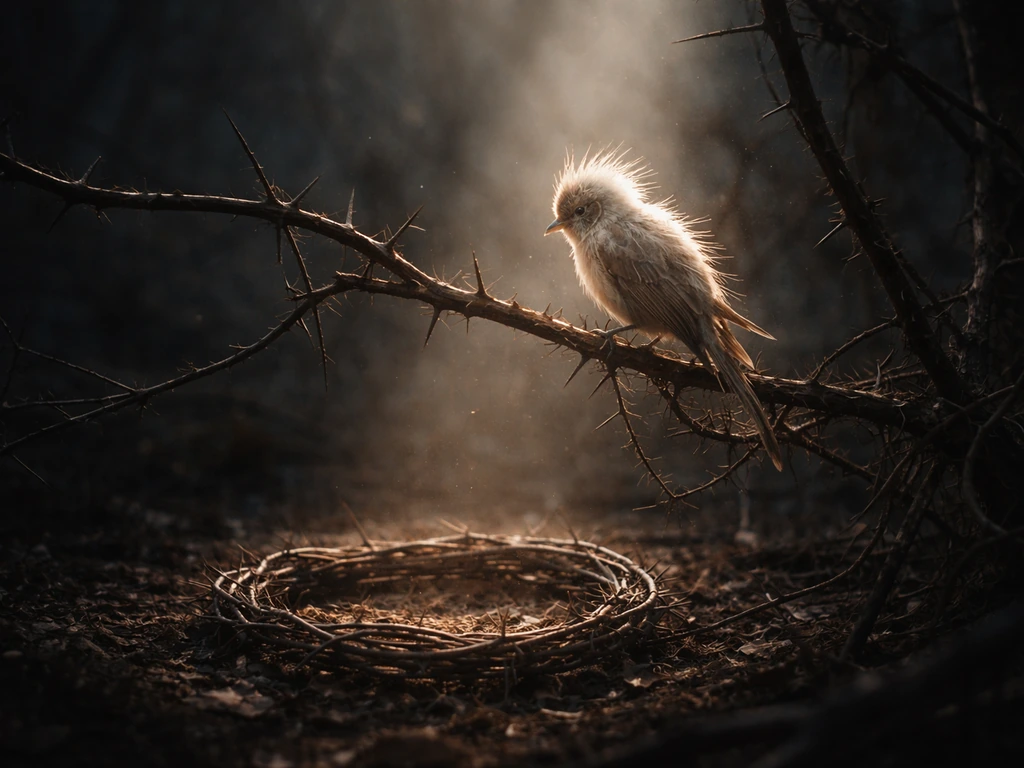
The thorn bird's most culturally influential mythological form comes directly from The Thorn Birds. The legend McCullough presents goes like this: the bird searches its whole life for a thorn tree. Once it finds one, it drives itself onto the sharpest thorn. As it dies, it sings one perfect, incomparable song, greater than any other bird's. The idea is that the best thing in the world comes only at the greatest cost, and that this cost is sought, not accidental.
Scholars and fact-checkers have noted that this specific 'dying singer' legend doesn't appear in documented Celtic folklore collections. It reads more like a literary parable than a piece of transmitted oral tradition, and McCullough may have constructed it herself or drawn loosely from similar 'dying song' motifs that do appear in various cultures (the legendary swan song being the most familiar example). This doesn't make the myth less meaningful in practice, but it does mean you should be cautious about citing it as ancient Celtic fact.
The loggerhead shrike's real behavior creates an interesting parallel mythology of its own. Here is an actual bird that uses thorns as tools, storing prey on spines the way a butcher hangs cuts of meat. The Missouri Department of Conservation also notes that loggerhead shrikes often impale prey on thorns or barbed-wire fences, which is the origin of the nickname “butcher bird.” butcher hangs cuts of meat. Unlike the fictional thorn bird, the shrike's relationship with thorns is practical and predatory rather than sacrificial. It's a reminder that nature sometimes does produce creatures whose behavior feels mythological, even without a legend attached.
How 'Thorn Bird' Is Used in Everyday Speech and Writing
As a figurative phrase, 'thorn bird' doesn't have a stable idiomatic use the way 'early bird' or 'a bird in the hand' does. It functions more as a literary or poetic allusion than a fixed expression. When someone calls another person a thorn bird, or describes a situation as 'thorn bird,' they're almost always riffing on the McCullough legend, implying one of these ideas:
- Someone who pursues a beautiful but painful goal at great personal cost
- A love or passion that is both wounding and transcendent
- A person whose greatest gifts only emerge through suffering
- An artistic pursuit or calling that demands sacrifice
In tattoo culture specifically, the thorn bird image usually combines bird and thorn imagery to signal resilience, personal transformation, or a meaningful hardship survived. It's a popular choice for people who want to represent beauty-through-pain without leaning on more commonly used symbols like the phoenix. The meaning is similar, but quieter and more personal.
In literary criticism and English-language writing about the novel or its 1983 TV miniseries adaptation, 'thorn bird' functions as a shorthand for the novel's central thesis: that the things we love most may require us to wound ourselves to reach them.
How Different Cultures and Traditions Read the Image
The thorn bird as McCullough framed it draws on broadly Western symbolic vocabularies: Christian suffering-and-transcendence themes, Romantic ideas about the artist sacrificing for their art, and the folk-tale convention of a creature that embodies a moral lesson. In that Western literary context, the thorn bird sits comfortably alongside other 'beautiful suffering' symbols.
In South American cultures where the actual thornbird (Anumbius anumbii) is a known creature, the bird's symbolic resonance tends to come from its extraordinary nest-building rather than from any dying-song myth. A bird that constructs an elaborate, thorny fortress for its family carries meanings closer to industriousness, protection, and domestic devotion than sacrifice.
In birding and naturalist communities in North America, 'thorn bird' as a nickname for the loggerhead shrike carries a different register entirely: it's a functional description of predatory behavior, not a spiritual metaphor. The shrike is a bird that uses thorns as a tool, which makes it more warrior or hunter than martyr.
| Context | What 'Thorn Bird' Refers To | Core Symbolic Meaning |
|---|---|---|
| Literary/cultural (novel, TV, tattoo) | McCullough's legendary creature | Sacrifice, beauty through pain, passionate pursuit |
| North American birding/wildlife | Loggerhead shrike | Predatory skill, impaling behavior, 'butcherbird' |
| South American natural history | Anumbius anumbii | Industrious nest-building, protection, domesticity |
| General spiritual/poetic usage | Invented or metaphorical image | Resilience, guarded love, transformation |
Common Misreadings and How to Land on the Right Meaning

The biggest misunderstanding people run into is assuming 'thorn bird' refers to a single, well-defined thing, whether a species, a myth, or an idiom. It's actually a context-dependent phrase that shifts meaning depending on where you find it. Here are the most common wrong turns:
- Assuming it's a real species with that name: it isn't, unless the writer is specifically discussing the shrike or Anumbius anumbii in a natural-history context
- Treating McCullough's legend as documented Celtic folklore: it appears to be a literary invention, not a recovered piece of ancient tradition
- Confusing the thorn bird with the phoenix: both involve transformation and fire or pain, but the thorn bird's meaning centers on a single perfect expression, not rebirth
- Treating it as a stable idiom: unlike 'early bird' or 'free as a bird,' 'thorn bird' doesn't have a fixed figurative meaning in everyday English
- Missing the literary reference: if someone uses 'thorn bird' in a conversation about love, sacrifice, or artistic calling, they are almost certainly echoing McCullough, not inventing their own metaphor
How to Figure Out Which Meaning Is Intended
The practical approach is to look at the surrounding context first. Ask yourself:
- Is this in a wildlife article, nature documentary, or birding discussion? If so, look for the loggerhead shrike (North America) or Anumbius anumbii (South America).
- Is this in a novel, poem, tattoo description, or an emotional discussion of love or art? If so, the McCullough legend is almost certainly the reference.
- Is this in a spiritual or religious text? Bird + thorn imagery in that context usually combines soul/aspiration symbolism with suffering/sacrifice themes, drawing more on general biblical or mystical traditions than on any specific 'thorn bird' legend.
- Is there a capital T and capital B? 'The Thorn Birds' (capitalized) always refers to McCullough's novel or its adaptations.
- Is the phrase accompanied by anything about a song or singing? That's a direct signal to the McCullough dying-song legend.
If you're still uncertain after checking context, a quick search for the exact phrase alongside any surrounding words (the book title, a character name, a species name, or a spiritual tradition) will usually confirm it within a few results. The loggerhead shrike has a distinct enough behavioral description that it's easy to confirm. The McCullough legend is specific enough (bird, thorn, single perfect song) that its references are unmistakable once you know what to look for.
It's also worth knowing that related bird symbols, including the thrush and the thrasher, carry their own distinct symbolic meanings in folklore and literature. If your text specifically mentions a brown thrasher bird, the brown thrasher bird meaning can add an extra layer to how the image is being used the thrush and the thrasher. If you were actually asking about the dead thrush bird meaning, it usually comes up as a specific folklore or symbolism cue tied to mourning or ill omen, so the surrounding context matters including the thrush and the thrasher. You can see similar patterning with the thrasher bird meaning, since different birds take on distinct symbolic and folklore roles. If you are comparing thorn bird symbolism with other birds, you may also want to look up thrush bird meaning in the folklore and literature where it appears. If your source text mentions thorns alongside a specific bird name, checking that bird's own symbolic tradition will often give you the clearest answer fastest.
The Bottom Line on Thorn Bird Meaning
The thorn bird is a layered, context-sensitive symbol. In its most culturally prominent form, it stands for the idea that the most beautiful things we're capable of may only emerge through real suffering, and that some of us seek that pain willingly because the song is worth it. In its naturalist form, it's a vivid description of a real predatory bird that uses thorns as tools. In either case, the image is striking precisely because thorns and birds don't obviously belong together, and that tension is exactly where the meaning lives.
FAQ
How can I tell which “thorn bird” meaning a passage is using when I only have a sentence or two?
If the text mentions The Thorn Birds, a dying or self-impaling song, or a thorn tree the bird searches for, it is almost certainly the McCullough legend. If instead it names the loggerhead shrike, butcherbird, or describes impaling prey on thorns or barbed wire, it is the real bird nickname. If it uses the terms “thornbird” as a one-word bird name or references South America and thorny nest structures, it points to Anumbius anumbii.
What does “thorn bird” mean in modern slang or social media posts?
“Thorn bird” is not reliably an idiom, so vague use like “that thorn bird energy” or “she’s a thorn bird” usually depends on the author’s reference culture. If the surrounding text is poetic, spiritual, or about sacrifice and devotion, it likely leans McCullough. If it’s about hunting, field observations, or fencing, it likely leans the loggerhead shrike.
If I’m choosing a thorn bird tattoo, what details change the meaning (fictional vs real)?
In most tattoo references, you can narrow it down by the visual details. A bird with a clear thorn tree, spotlighting a sacrifice or final song theme, tends toward McCullough symbolism. A bird silhouette paired with a spine, barbed wire, or “storage” imagery tends to read more like the loggerhead shrike, emphasizing resilience and tool-like behavior.
Does the spelling “thornbird” versus “thorn bird” change the meaning?
If you are dealing with “thornbird” (one word), it is more likely to be treated as a species-name style term, which in older writing is associated with Anumbius anumbii and its thorn-built nests. If it is “thorn bird” (two words) in a spiritual, literary, or quote context, it more often signals McCullough’s parable or a generalized pain-and-beauty metaphor.
What’s the quickest way to avoid misidentifying thorn bird references?
The shrinking-to-one-answer mistake is common. A practical fix is to look for anchors: character or title mentions (McCullough), behavioral phrasing like impaling and barbed wire (loggerhead shrike), or South American nest language with thorns (Anumbius anumbii). If you find none of those, treat it as metaphor and avoid claiming a specific reference.
Can I cite the thorn bird story as real Celtic folklore, or should I phrase it differently?
It’s reasonable to read the symbol spiritually even if the “ancient Celtic” framing is not dependable as documented folklore. A safer approach is to describe it as a literary metaphor about beauty through wounding, rather than presenting it as verifiable Celtic tradition.
Can the same text use thorn bird as both a metaphor and a natural history reference?
Yes. For example, if “thorn bird” appears in a story about grief, endurance, or devotion, it may be used as shorthand for “beautiful output at a high cost.” But if the same passage includes wildlife details, location-based observation, or discussions of predatory behavior, it may switch registers from metaphor to natural-history description.
What meanings tend to cluster with thorn bird when the author focuses on themes rather than plot?
When someone uses the phrase to talk about “pain leading to greatness,” it usually reflects the McCullough-inspired moral arc (cost is sought or embraced). When it’s about “survival tactics” and “using tools,” the loggerhead shrike frame is more consistent. If the emphasis is “home, protection, family craftsmanship,” the thornbird nest theme is the closest match.