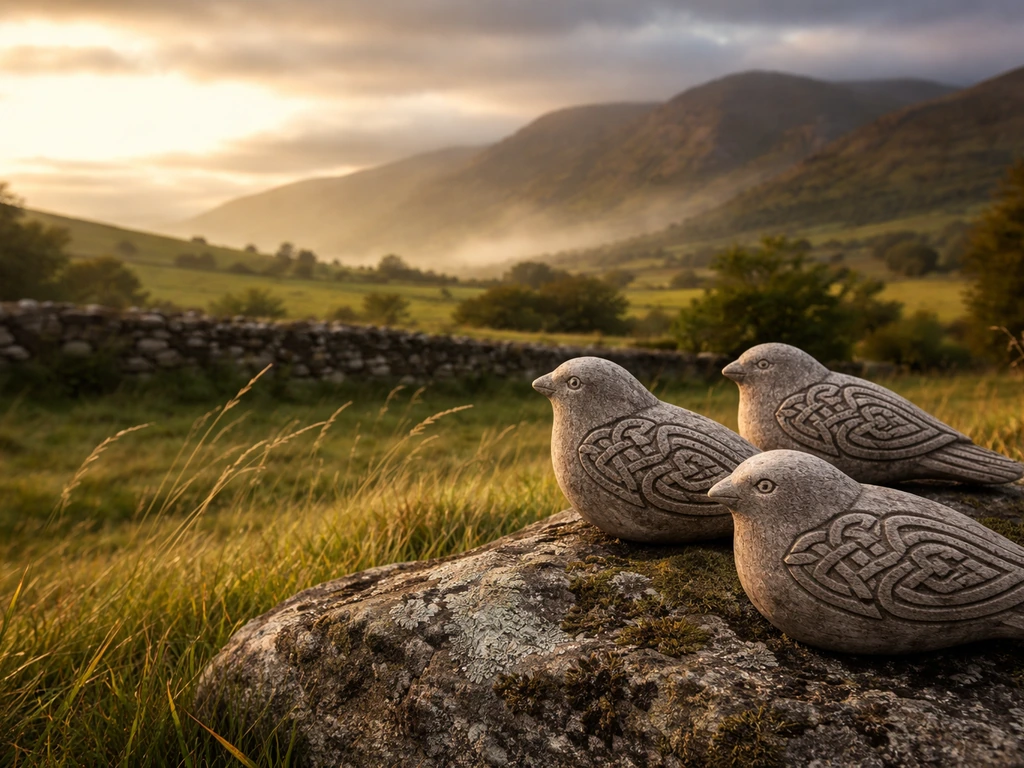
The finch is a small, seed-eating songbird belonging to the family Fringillidae, and symbolically it carries meanings tied to joy, new beginnings, song and communication, and resilience. That is the short answer. But depending on whether you are reading a piece of medieval art, spotting one at your feeder on a significant morning, or working through what a finch means in a novel or poem, the fuller picture is worth understanding. If you are instead thinking of the phrase “fitcher’s bird meaning,” consider it an adjacent expression often discussed alongside finch symbolism and its associated themes fitcher's bird meaning. This guide covers what finches actually are, what they have meant across cultures and time periods, and how to make practical use of that symbolism today.
Meaning of Finch Bird: Literal Definition and Symbolism

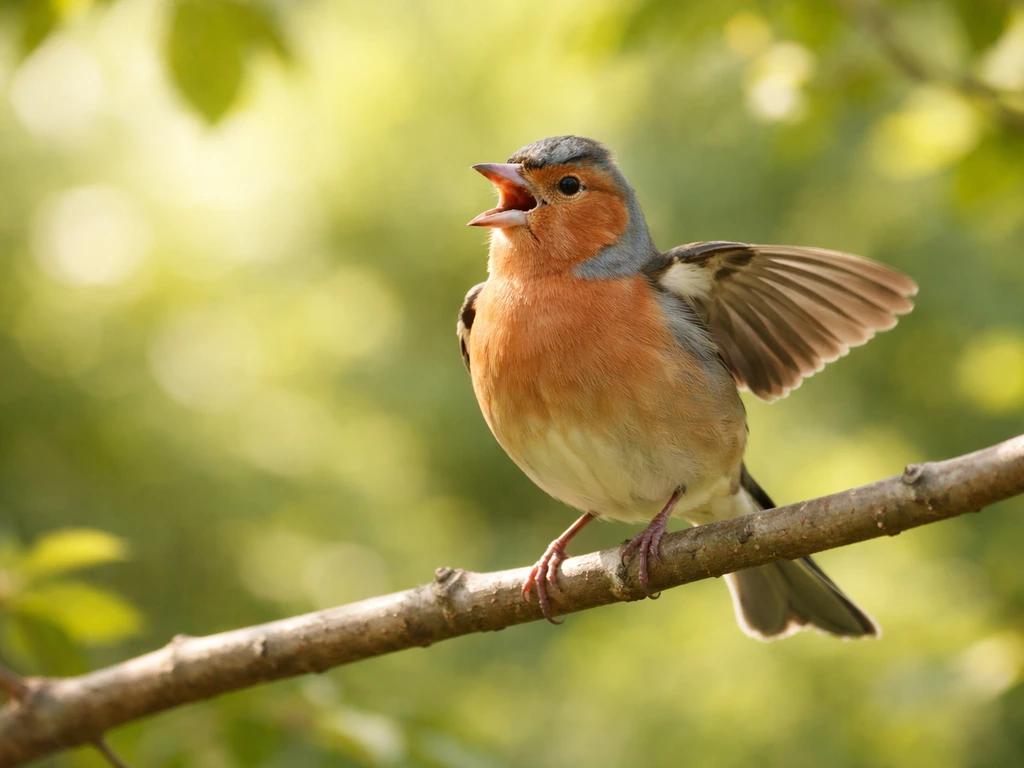
What a Finch Bird Actually Is
Finches are small-to-medium passerine (perching) birds classified under the family Fringillidae, commonly called "true finches." The family is large and diverse, including siskins, redpolls, serins, grosbeaks, crossbills, hawfinches, and even Hawaiian honeycreepers. The name "finch" in everyday English is even broader than the scientific definition: it gets applied to birds from several unrelated families, which is why some Old World buntings and New World sparrow-family birds carry the label too. Bunting bird meaning can be a helpful comparison, since some “bunting” labels overlap with what people casually call finches.
What most finches share is a specialized beak adapted to cracking seeds. Siskins have slender bills for extracting seeds from alder and birch cones. Crossbills have a uniquely crossed bill shaped specifically for prying open pine and spruce cones. Hawfinches have an almost comically powerful bill capable of cracking cherry stones. This beak-centered adaptability is one reason finches thrive across such varied habitats, and it is part of why the bird carries symbolic weight around resourcefulness and resilience.
The word itself traces back through Middle English forms like "fynche" and "fynch" to Old English "finc," with parallels across West Germanic and Scandinavian languages. Some etymologists connect it to an Indo-European echoic root related to sounds like "ping," which reflects the bird's characteristic calls. Put simply, the word was likely named from the sound, which is a neat detail given how central song is to the finch's symbolic identity.
The Core Symbolic Themes of the Finch
Across folklore, spiritual traditions, and literary usage, a few themes appear consistently when finches are given symbolic weight. They are not all interchangeable, and context matters, but these are the ideas most cultures have reached for when a finch shows up in a story or an omen.
- Joy and lightness: Finches are associated with cheerfulness and uplift, partly because of their bright plumage in many species and partly because of their song. Modern spiritual traditions frequently frame a finch sighting as a nudge toward appreciation and optimism.
- New beginnings: Several symbol compilations assign finches to fresh starts, and some place the finch at the summer solstice, a turning-point moment in the year. The idea is of encountering something new rather than carrying something forward.
- Song and communication: Finches are songbirds, and their vocal quality has made them symbols of expression, creativity, and the desire to be heard. Thomas Hardy's poem "The Blinded Bird" used finch song competitions to make a pointed argument about silencing voices.
- Resilience and adaptability: The beak specialization across finch species, each perfectly suited to a specific food source, maps naturally onto ideas of finding your own niche and thriving through adaptation rather than brute force.
- Expansion and potential: Goldfinches in particular are linked symbolically to growth and possibility, a meaning that diverges slightly from the broader finch-as-beginnings reading.
Finches in Folklore, Mythology, and Literature
Greek Mythology
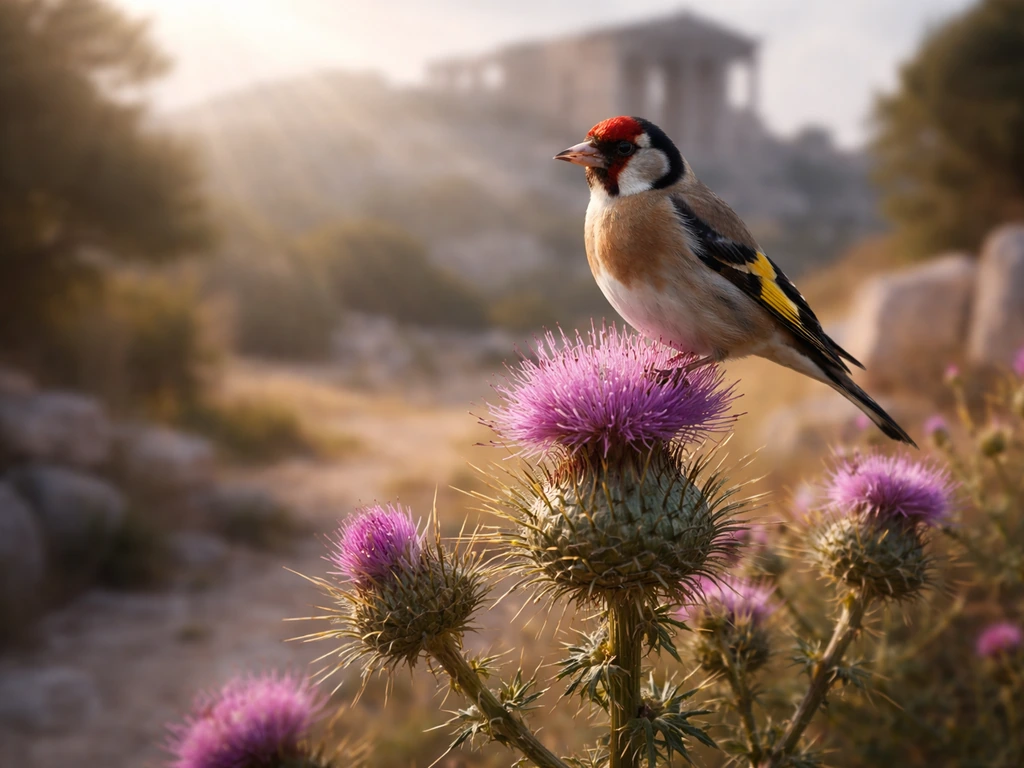
One of the clearest classical references involves a figure named Acanthis, who in Greek myth is transformed into a thistle finch by Zeus and Apollo following a tragic event within her family. The transformation story fits a pattern common in Greek myth: a human being becomes a bird as a consequence of grief, punishment, or divine intervention. What matters symbolically is that the finch in this case is tied to transformation and the irreversible crossing of a threshold. The thistle connection also links back to the goldfinch's later Christian symbolism, showing how these mythic threads can travel across cultures.
Christian and Medieval Symbolism
The goldfinch holds a specific and well-documented place in European Christian iconography. In many Renaissance and Medieval paintings, a goldfinch appears in the hands of the Christ Child or near the Virgin Mary. The National Gallery notes that while birds can generally signify the soul, the goldfinch more specifically alludes to the Passion of Christ. The tradition behind this is that the goldfinch, with its red facial marking, got its color from a drop of blood while trying to pull thorns from Christ's crown. The thistle-seed association reinforced this: a bird that feeds on thorned plants became an emblem of suffering and redemption. Some of these goldfinch depictions appear to have surged during periods of plague, functioning as devotional images in times of mortality. If you are reading this meaning specifically in art or literature, that goldfinch article goes into much greater depth.
Literature
Thomas Hardy's 1916 poem "The Blinded Bird" draws on the practice of "vinkensport," a Flemish finch-singing competition in which birds were sometimes blinded to make them sing longer. “The Blinded Bird” is a 1916 poem by Thomas Hardy, reportedly written as a protest against vinkensport (finch-singing competitions). Hardy used the caged, silenced finch as a meditation on cruelty and endurance, giving the bird's song a weight far beyond decoration. More recently, Donna Tartt's novel "The Goldfinch" centers on a painted goldfinch as a symbol of survival, loss, and beauty that persists through chaos. The painting does not mean any single thing in the novel, which is the point: finch symbolism in literary contexts is often deliberately layered, asking readers to sit with ambiguity rather than settle on one reading.
Spiritual and Folk Interpretations of the Finch
In folk and spiritual traditions, finches tend to arrive as welcome signals. The most common modern interpretation frames a finch sighting as an omen of joyful times ahead, or as encouragement to lean into creativity and self-expression. In totem and spirit-animal frameworks, the finch is associated with appreciation for small pleasures, social connection, and the kind of energy that makes you want to start something new rather than finish something old.
Some traditions tie finch meaning to the season of the sighting: a finch seen at a turning point, such as the start of summer, carries particular significance around new experiences and encounters. A finch appearing during a period of personal change is often read as confirmation to move forward with lightness rather than heaviness. In American religious nature writing, male finches with golden or yellow coloring are sometimes framed as signs of God's provision, a more explicitly theological interpretation that echoes the general optimism theme but grounds it in specific faith traditions.
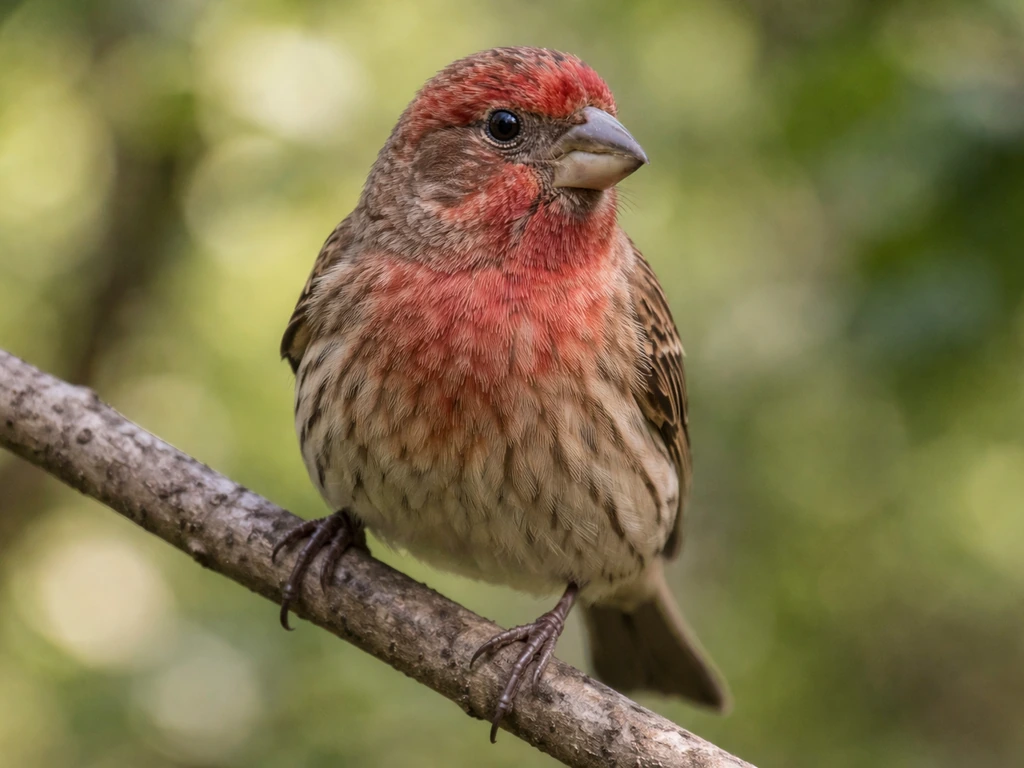
It is worth noting that a house finch at your bird feeder is, ecologically speaking, a very common visitor if you keep sunflower seeds out. House finch bird meaning can differ from other finches, so it helps to focus on the species and the context of the sighting. If you are also wondering about the bower bird meaning, it helps to compare how different birds are read across everyday sightings and symbolism House finch bird meaning. They will also occasionally use sugar-water at hummingbird feeders. This does not empty the sighting of meaning if you find it meaningful, but it is the kind of grounding context that keeps interpretation honest. More on that in the practical section below.
Finches in Everyday Language
Unlike ravens, owls, or doves, finches have not generated a deep stock of common idioms in English. They sit closer to the "pleasant background" category in everyday language: present in the landscape, referenced in nature writing and poetry, but not the subject of proverbs in the way that, say, a canary is. If you are curious about that canary connection, check out the canary bird meaning behind the phrase and how it is used as a warning signal a canary. If you are comparing bird omens, the canary bird the figs meaning article is a helpful related read alongside finch symbolism, especially when you want the figurative warning angle a canary. The canary has "canary in the coal mine," a phrase with strong figurative currency around early warning signals. Finches, by contrast, tend to stay literal in common usage: they appear in bird names (goldfinch, house finch, greenfinch) and in scientific language (zebra finch song research is a significant area of neuroscience). To get the best green finch and linnet bird meaning, match the bird you saw with the symbolism themes like joy, expression, and change.
Where finches do appear figuratively, it is usually in the form of a comparison: someone described as "singing like a finch" is being complimented on their voice or their cheerfulness. The phrase reflects the bird's cultural reputation as a singer of pleasant, uncomplicated songs, as opposed to the more ominous or weighted associations of birds like ravens. If you are looking at finch references in a text and wondering what the author intended, brightness and song are the most reliable interpretive defaults.
How Finch Symbolism Changes Across Cultures
The goldfinch-as-passion symbol is a specifically European Christian tradition and does not translate directly into other cultural contexts. In regions where goldfinches are common but Christianity is not the dominant tradition, the bird's symbolism shifts. The general positive associations (song, joy, adaptability) tend to carry across many cultures because they are rooted in observable behavior, but the specific meanings, especially the theological ones, are culturally situated.
| Cultural Context | Finch Meaning | Key Species Referenced |
|---|---|---|
| European Christian (Medieval/Renaissance) | Passion of Christ, suffering, redemption | Goldfinch |
| Greek Mythology | Transformation, grief, divine consequence | Thistle finch (Acanthis) |
| Modern Western spiritual/folk | Joy, new beginnings, optimism, creativity | Finch (general) |
| American religious nature tradition | Divine provision, natural beauty | American goldfinch / house finch |
| Literary (Hardy, Tartt) | Endurance, survival, beauty under pressure | Goldfinch |
| Bird symbolism charts and seasonal systems | New experiences, summer solstice turning points | Finch (general) |
The species distinction matters more than people often realize. A goldfinch carries different freight than a house finch, and a crossbill in Scandinavian folklore occupies a different symbolic niche than either. If you are trying to interpret a specific encounter or a reference in a text, narrowing down which finch is involved will sharpen your reading considerably. The goldfinch article and the house finch article on this site each go into the species-specific meanings in much more detail.
How to Actually Use This Symbolism Today
Knowing what a finch symbolizes is only useful if you can connect it to something real in your life. Here are practical ways to do that, whether you are journaling, meditating, or trying to interpret a sighting.
If You Saw a Finch and Want to Interpret It
- Note the context first, before you reach for meaning. Where were you, what were you thinking about, and what kind of finch was it? These details will make any interpretation more accurate and more personally useful.
- Identify the species if you can. A goldfinch sighting in a moment of grief or creative struggle has a different symbolic register than a house finch visiting your feeder every morning. The species affects which layer of meaning is most relevant.
- Ask what the sighting felt like, not just what it "means." If it caught your attention in a way that felt significant, explore why. The emotional response is usually where the personal meaning lives.
- Check for confirmation bias. If you are hoping for a sign that things are going to get better, a finch sighting can feel like confirmation of that hope. That is not necessarily wrong, but it is worth noticing that you may be selecting for evidence. Seeking out alternative interpretations or simply sitting with the ambiguity helps keep the reading grounded.
- Apply the most appropriate symbolic frame given your situation. Going through a change or starting something new? The "new beginnings" frame fits. Struggling to express something? The song and communication theme is the more relevant lens.
For Journaling and Reflection
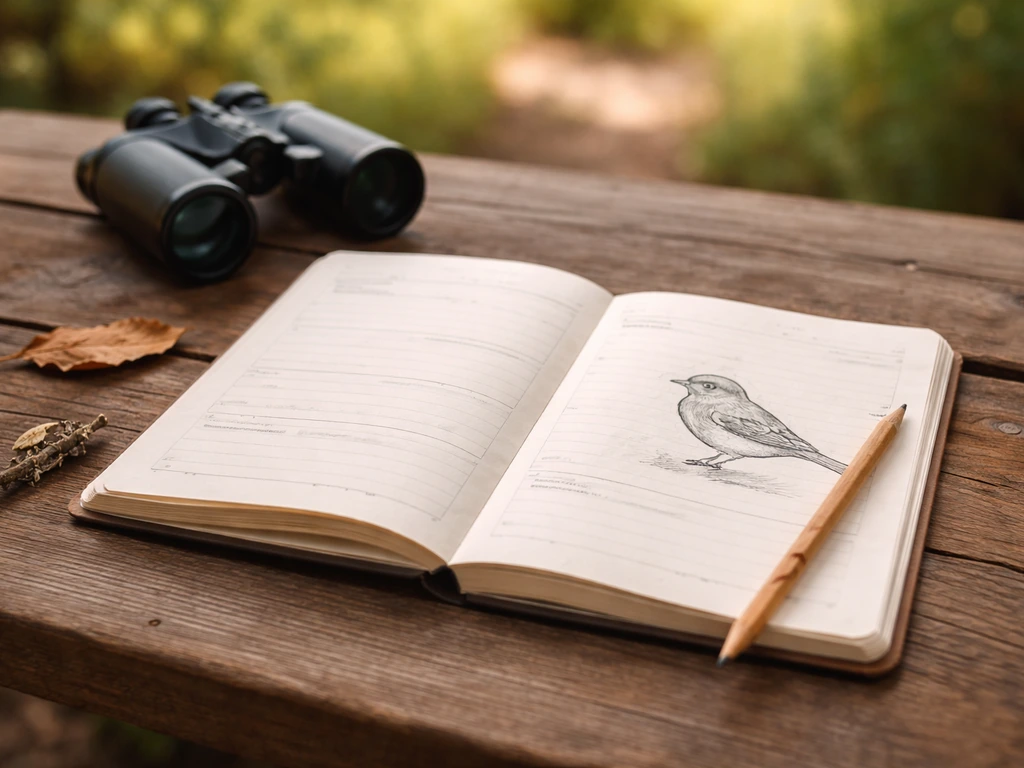
A useful nature journaling structure separates observation from interpretation. Write down what you literally saw or encountered first: the bird's appearance, its behavior, the setting, the time of day. Then, in a separate section, write about what it brought up for you emotionally or mentally. This keeps the two tracks from collapsing into each other, which is how sightings get over-interpreted. Once you have both sections, look at whether the symbolism (joy, new beginnings, song, adaptability) maps naturally onto what you wrote. If it does, that mapping is worth exploring. If it feels forced, trust that too.
For Meditation or Creative Work
If you are working with finch symbolism intentionally, the most generative approach is to pick one theme rather than all of them. The joy-and-appreciation theme is useful if you are feeling heavy or stuck. The new-beginnings theme is useful at transition points. The song-and-expression theme is worth sitting with if you have been holding something back creatively or communicatively. Treating the finch as a single composite symbol (it means all good things) dilutes it. Picking the thread most relevant to where you actually are makes the symbol do real work.
If you are drawn to a specific type of finch, it is worth going deeper into that species rather than staying at the general level. Goldfinch symbolism has a rich scholarly and spiritual tradition worth exploring on its own. The same is true for the greenfinch, which carries its own folk associations particularly in British tradition. The broader the symbol, the less specific the guidance, and specificity is what makes symbolic work actually useful.
FAQ
Is the “meaning of finch bird” the same as the meaning of any bird called “finch” in English?
Not always. “Finch” is used broadly in everyday names, but symbolic weight depends on the specific species and the cultural tradition behind that name (for example, goldfinch versus house finch). If you are interpreting a sighting or a passage, identify the species first, then apply the themes that fit that bird’s known associations.
What should I do if I see a finch but it is not behaving like “joyful song” symbolism?
Use observation-first interpretation. If the bird is silent, unusually aggressive, or appears stressed (repeated circling, unusual posture), treat that as context rather than proof the symbolism is “wrong.” You can still map themes like adaptability or communication, but anchor your meaning to what you actually noticed (behavior and setting), not only to the cheerful stereotype.
How can I tell whether a finch reference in a book is meant literally or symbolically?
Look for framing cues. If the narration emphasizes color, song, repetition of the motif, or a threshold event (loss, arrival, transition), symbolism is likely. If it is just background description in a realistic nature scene, it may be literal. A helpful test is whether the finch detail changes the emotional direction of the scene.
Do finch meanings apply to both genders and all seasons equally?
Often the general themes carry across, but season and timing can change the emphasis. The article notes that some traditions link sightings to turning points in the year, and some religious nature writing focuses on male yellow or golden coloring. If you want accuracy, note the month and, when possible, the sex or visible color patterns.
Are there any “wrong” ways to interpret finch symbolism?
Over-interpreting is the most common mistake. If you jump straight to meaning without separating what you saw from what you felt, you are more likely to force a narrative. Another pitfall is treating all finch themes as simultaneously relevant, which dilutes the message. Pick one theme and ask if it naturally matches your life situation.
How should I interpret finch visits at feeders, especially if I do not know the species?
Start with ecology as a grounding layer. The article highlights that house finches are common at sunflower-seed feeders and may also use sugar-water at hummingbird feeders. If you cannot identify the species, interpret the symbolism as a “permission to pay attention” rather than a precise omen, because the visitation likely reflects food availability.
What is the best approach if I want to use finch symbolism in journaling or meditation?
Write two separate lines, not two separate paragraphs. One line for literal facts (bird type if known, behavior, time, location), and one line for meaning you felt. Then choose only one theme to test (joy, new beginnings, song, resilience) and note whether that theme actually improved clarity rather than just producing a comforting story.
Can finch symbolism mean something negative, like a warning?
Usually finches are framed positively (joy, communication, resilience), but symbolism can shift by context and culture. In most English usage they are not strongly associated with warning proverbs, so if the text presents a threatening tone, interpret it as context-driven rather than “default finch meaning.” If ambiguity persists, keep the reading open instead of forcing a warning interpretation.
Munster Bird Meaning: Folklore, Symbolism, and How to Verify
Meaning of Munster bird searches: folklore, symbolism, idioms, spelling variants, and quick ways to verify the reference