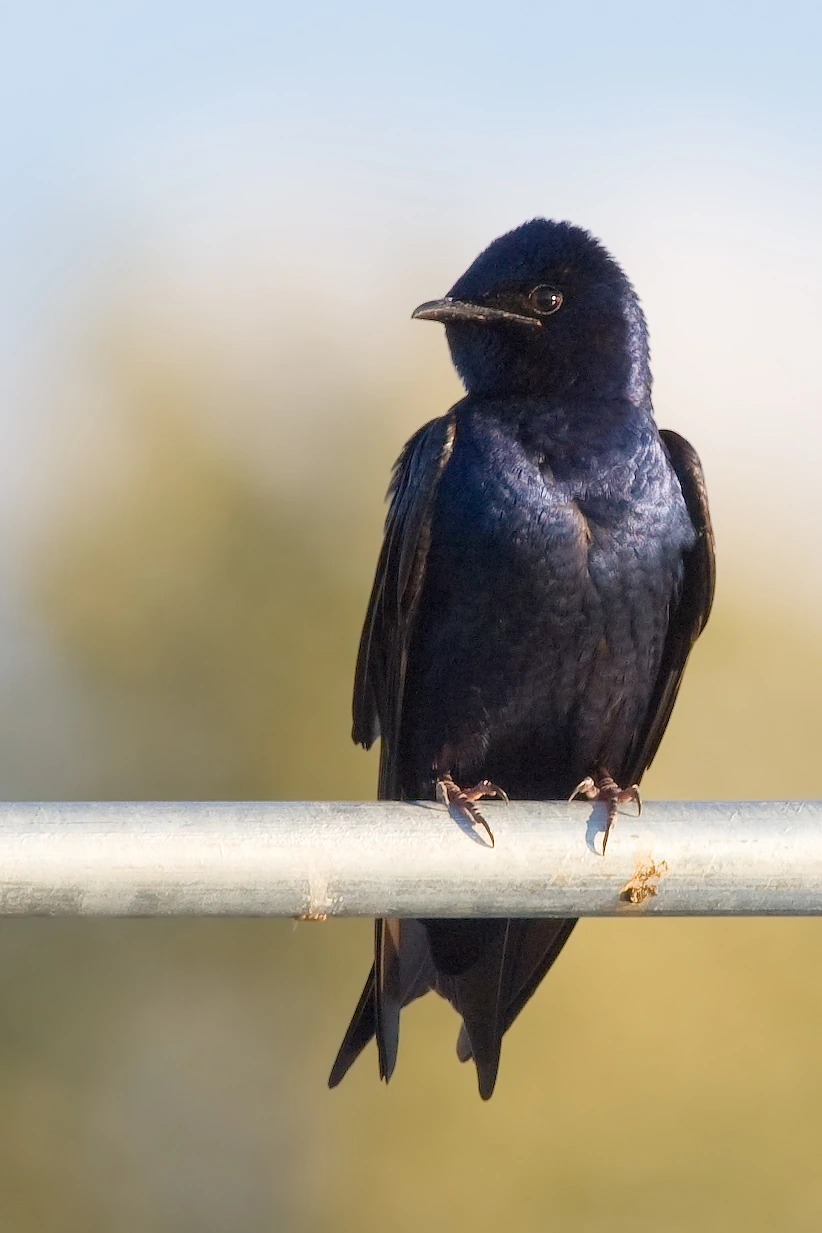
In the Bible, the swallow appears most clearly as a symbol of returning home, finding shelter near God's presence, and living in harmony with natural rhythms. It shows up directly by name in at least four major passages (Psalm 84:3, Proverbs 26:2, Jeremiah 8:7, and Isaiah 38:14) across widely-used English translations, though the underlying Hebrew terms and exact species identification are debated by scholars. The core symbolic takeaway is this: the swallow represents instinctive faithfulness, seasonal return, and the longing for a safe, sacred dwelling place.
Swallow Bird Meaning in the Bible: Symbolism and Passages

Marcus Blackwell
14 May 2026
The quick biblical meaning of the swallow
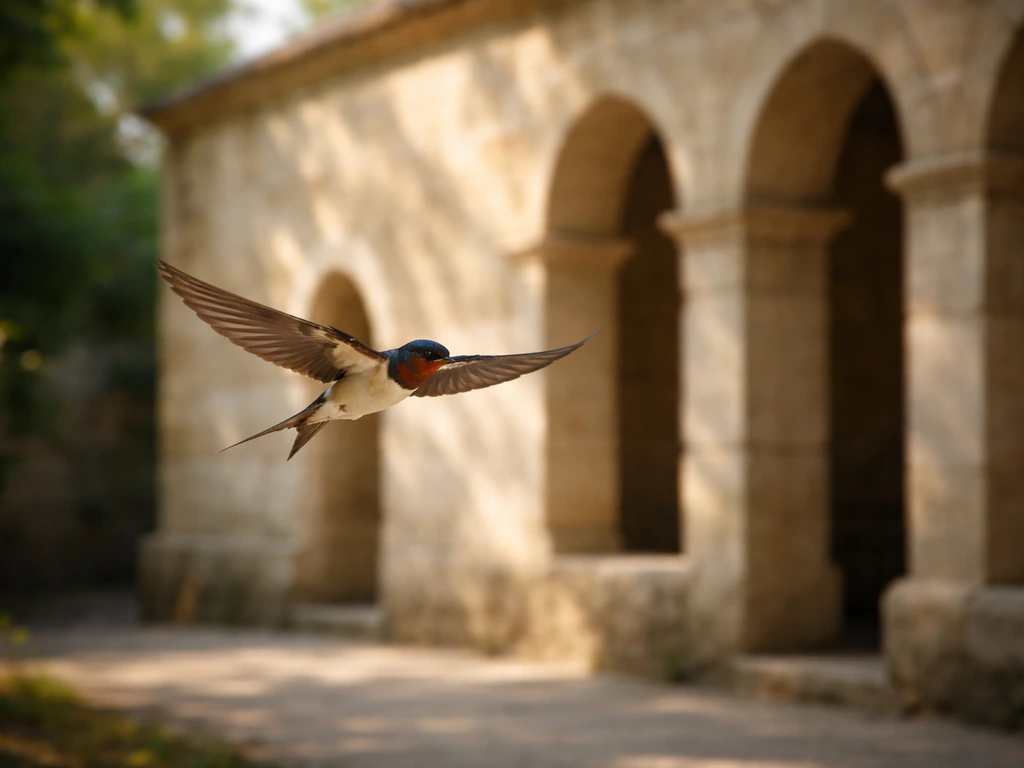
If you just need the headline interpretation, here it is: the swallow in Scripture is primarily associated with homecoming, migration, and belonging near God. In Psalm 84, it nests near God's altar. In Jeremiah 8, it knows its appointed season while Israel fails to recognize God's judgment. In Proverbs 26, its flight illustrates something that cannot land where it has no reason to rest. In Isaiah 38, it becomes a sound of grief and lament. Across all four contexts, the swallow is never random background scenery. It is always doing symbolic work.
Is the swallow actually named in Scripture?
Yes, most major English translations do use the word "swallow" explicitly, but how they get there involves some real translation complexity worth understanding. The Hebrew term most consistently rendered as "swallow" is derōr (דְּרוֹר), which appears in Psalm 84:3 and Proverbs 26:2. Hebrew lexicons identify it as a type of swift-flying bird, most commonly understood as a swallow or martin. Two other Hebrew terms, sis and sus, appear in Jeremiah 8:7 and Isaiah 38:14 respectively, and translators handle those differently.
Some committees render them as "swallow," others as "swift" (a related but distinct bird), and in Isaiah 38:14 there is ongoing debate about whether the phrase even describes one bird or two. The Encyclopedia of the Bible notes that the species match for these terms is "not certain," which is a responsible scholarly caution rather than a reason to dismiss the swallow reading entirely. The swallow is there in most Bibles you will pick up.
You just need to understand it arrived there through considered translation decisions, not a one-to-one word match.
Key Bible passages and what each one actually says

Four passages are worth reading carefully. Here is what each one says and what context you need to interpret it properly.
| Passage | Swallow image used | Core symbolic function |
|---|---|---|
| Psalm 84:3 | Swallow finds a nest near the altar | Longing for God's dwelling; sacred shelter |
| Proverbs 26:2 | Like a flying/darting swallow (that does not land) | A causeless curse cannot take hold |
| Jeremiah 8:7 | Swallow knows its appointed time/season | Natural faithfulness contrasted with Israel's failure |
| Isaiah 38:14 | Swallow-like chirping in lament | Grief, vulnerability, prayer in distress |
Psalm 84:3
This is the passage most people encounter first, and it is the most emotionally resonant of the four. The psalmist writes: "Even the sparrow finds a home, and the swallow a nest for herself, where she may lay her young, near your altars, O Lord of hosts." The swallow here is nesting near the altar of God, not as a theological statement about birds having souls, but as a poetic expression of longing. The psalmist wants what the swallow has: a permanent, protected place in God's presence. It is a beautiful piece of wisdom poetry that uses the swallow's natural nesting instinct to express spiritual desire.
Proverbs 26:2

The wording varies more across translations here than in any other passage. Some say "darting swallow," others say "fluttering" or "flying." The point of the proverb is that a curse without cause, like a swallow in flight, will not alight or come to rest on the person it targets. The swallow's behavior, specifically its restless, rapid movement, is the whole point of the comparison. It is a wisdom saying about causeless curses being ineffective, and the swallow image works because swallows do not land randomly. They move with purpose.
Jeremiah 8:7
This is arguably the most theologically loaded of the swallow passages. Jeremiah writes that the stork, turtledove, crane, and swallow all know the time of their migration and return accordingly. Israel, by contrast, does not know God's ordinance. The prophetic contrast is sharp: birds follow their built-in seasonal rhythm, but God's own people have lost their instinctive responsiveness to him. This passage directly connects the swallow to the themes of migration, seasonality, and instinctive faithfulness that show up in swallow symbolism across many other traditions, including the sailor and cultural contexts you might find elsewhere on this site.
Isaiah 38:14

This one is the trickiest. The passage comes from Hezekiah's prayer of lament after being told he is dying, before his recovery. In that context, the swallow bird meaning death is tied to grief rather than to migration or homecoming dying. The relevant line reads something like: "Like a swallow or a crane I chirp; I moan like a dove.
" The swallow here is not a symbol of migration or homecoming. It is a sound of distress, a thin, high-pitched cry that conveys vulnerability and emotional anguish. The translation question here is genuine: some scholars believe the Hebrew describes a single bird (a type of swift), not two, and the structure of the phrase is debated.
A translation commentary on Isaiah 38:14 (TIPs) describes this as a problematic occurrence, discussing whether the Hebrew phrase points to a single swift-type bird (sus) rather than clearly two birds (sis), along with translator variation and emendation debates translation question here is genuine. Most major translations still include "swallow," but it is worth knowing this is the most contested of the four passages.
Symbolic themes that run through the swallow in Scripture
When you pull back and look at all four passages together, four consistent themes emerge. These are not imposed on the text from outside; they are grounded in what each passage actually does with the bird.
- Homecoming and belonging: The swallow's nesting image in Psalm 84 ties directly to the desire for a permanent, sacred home near God.
- Seasonal faithfulness: Jeremiah 8:7 uses the swallow's migratory instinct as a standard of reliability that Israel has failed to meet.
- Restless, purposeful movement: Proverbs 26:2 relies on the swallow's characteristic flight pattern, moving swiftly without landing without reason, to illustrate how groundless curses behave.
- Grief and vulnerability: Isaiah 38:14 uses the swallow's thin chirping sound as a metaphor for helpless, emotional lamentation.
These themes are also why the swallow carries such consistent positive-to-bittersweet energy across different cultural traditions. The biblical portrait of the swallow as a creature that knows its place, returns faithfully, and belongs near sacred spaces overlaps with Portuguese and Chinese traditions about the swallow as a good omen of home and return.
If you are looking for the swallow bird meaning in Chinese, it is often tied to themes of homecoming, seasonal return, and good fortune Portuguese and Chinese traditions. Portuguese folk beliefs also treat the swallow as a sign connected with homecoming, so the meaning often overlaps with the Bible's emphasis on return and belonging.
The sailor's swallow tattoo tradition, which signals miles traveled and safe homecoming, draws from the same deep symbolic well, even if it arrives there through seafaring culture rather than Scripture. If you are curious about the swallow bird meaning for sailors, look for how the bird’s homecoming symbolism gets adapted into seafaring traditions.
How the genre of each passage changes what the swallow means
One of the most useful things you can do when reading biblical bird symbolism is check what kind of writing you are in. Biblical literature uses birds differently depending on whether it is poetry, prophecy, or wisdom writing, and the swallow appears in all three.
Poetry (Psalm 84)
In the Psalms, the swallow is part of an extended emotional metaphor. The psalmist is not making a nature observation. The bird image is doing the work of expressing something the psalmist cannot say as directly in plain prose: "I want to belong here the way that swallow belongs at the altar." Reading poetic passages requires you to ask what the image is doing emotionally and spiritually, not just what it is describing literally.
Wisdom literature (Proverbs 26)
Proverbs operates differently. Here the swallow is a simile in a teaching proverb, chosen for one specific observable behavior (flight without landing). The swallow is not being honored or sentimentalized. It is being used as a concrete reference point for an abstract idea. Wisdom literature tends to use nature as a teaching aid, so the bird's symbolic weight here is narrower and more functional.
Prophecy (Jeremiah 8)
In prophetic writing, the contrast is the whole point. The swallow does not appear in Jeremiah 8 because Jeremiah admires birds. It appears because he needs something that reliably follows its ordained pattern, something Israel is failing to do. Prophetic bird references often set up a shame comparison: even the animals do what they were made to do. Reading Jeremiah 8 without that prophetic contrast flattens the passage into a nature note when it is actually a moral indictment.
Lament poetry (Isaiah 38)
blank" rel="noopener noreferrer">Isaiah 38:14 sits within a personal lament, which is a specific biblical genre of grief prayer. In lament poetry, nature sounds and animal images are regularly used to describe emotional states that resist ordinary language. Hezekiah's swallow-like chirping is not about the bird's identity. It is about the sound: small, high, desperate. Context here shifts the symbolism almost entirely away from migration and home, toward fragility and emotional distress. Many people also look for swallow bird song meaning in traditions where the sound itself is treated as a sign of longing, safety, or seasonal change.
Practical steps to verify what the swallow means in any passage
If you want to go deeper than a surface interpretation and actually verify what you are reading, here is a straightforward process to follow.
- Look up the passage in at least three translations side by side. Bible Gateway and Bible Study Tools both allow you to compare translations on a single page. Note whether all three say "swallow" or whether any use "swift," "crane," or another bird. Translation differences are not errors; they reflect genuine scholarly disagreement about the Hebrew.
- Check the underlying Hebrew term. Blue Letter Bible and Bible Hub both link to Hebrew lexicons from individual verses. For swallow passages, look for derōr in Psalm 84:3 and Proverbs 26:2, and sus or sis in Isaiah 38:14 and Jeremiah 8:7. The lexicon entries will tell you what scholars think the word means and how certain they are.
- Read the surrounding verses. Do not interpret the swallow image in isolation. In Psalm 84, read the whole psalm to feel the longing context. In Jeremiah 8, read verses 4 through 12 to understand the prophetic contrast. The bird image gets its meaning from the passage around it, not from swallow symbolism in general.
- Note the genre before making a symbolic claim. Ask yourself: is this a psalm (emotional metaphor), a proverb (functional simile), a prophecy (moral contrast), or a lament (emotional sound image)? The genre tells you how much symbolic weight to assign the bird.
- Be honest about what the text supports. The swallow in the Bible is associated with homecoming, seasonal faithfulness, purposeful movement, and grief. But not all four themes apply in every passage. Psalm 84 gives you home and longing. Jeremiah 8 gives you seasonality and faithfulness. Proverbs 26 gives you movement without landing. Isaiah 38 gives you vulnerable grief. Applying all of them to one passage is overclaiming.
- Cross-check with a biblical encyclopedia or commentary note. The Encyclopedia of the Bible entry on swallow (available through Bible Gateway) and BibleHub's commentary pages both flag where species identification is uncertain. If you are writing or teaching from this material, acknowledging that uncertainty is a mark of responsible interpretation, not weakness.
The swallow in the Bible rewards careful reading rather than quick symbolic shortcuts. The passages are real, the Hebrew is identifiable even if not perfectly certain, and the themes are consistent enough to be meaningful. Start with Psalm 84:3 if you want the most emotionally immediate entry point, and move to Jeremiah 8:7 if you want the most theologically rich one. Both will give you a genuine, text-grounded understanding of what this small, fast-moving bird meant to the people who wrote these ancient texts.
FAQ
Does “swallow bird meaning” in the Bible always point to homecoming and nesting near God?
Not always. Three of the main passages fit that pattern strongly, but Isaiah 38:14 functions in a lament context where the bird image highlights grief and distress rather than migration or settled belonging. The surrounding literary setting (psalm, wisdom proverb, prophecy, lament) is what determines the emphasis.
Why do some Bibles translate the Hebrew words in ways that do not say “swallow”?
Because the original Hebrew terms are bird categories that may not map perfectly onto a single modern species. Committees often choose “swallow,” but in some places they may render related Hebrew terms as “swift,” and occasionally translators disagree over whether one bird or two are in view. So the meaning can stay similar, but the label can shift.
Is it safe to conclude that the Bible is describing actual swallow species in every passage?
You can treat it as a poetic reference to a swift-flying bird, but you should not be dogmatic about exact identification. The article notes that species matching is uncertain for some Hebrew terms, which is why scholars allow for multiple plausible birds while still reading the symbolic function in each passage.
What does the swallow represent in Jeremiah 8:7, in practical, non-poetic terms?
In Jeremiah 8:7, the point is comparative accountability. The birds know the timing of their return, Israel does not respond to God’s “ordinance,” so the swallow is used to underscore lost spiritual attentiveness rather than to celebrate birds for their own sake.
Can a “swallow” passage be misunderstood if I treat it like a literal nature description?
Yes. Psalm imagery and lament poetry use birds to communicate emotion and longing, Proverbs uses the bird as a simile for a behavior-based lesson (like flight without landing), and Jeremiah uses birds to heighten a moral indictment. Misreading the genre can flatten the intended spiritual message.
What is the meaning of the swallow in Proverbs 26:2 if swallows can fly quickly?
The comparison is specifically about the idea that something can be launched or spoken, but it will not “alight” on the wrong target. The proverb’s force is that a causeless curse will not land, so the swallow image functions as an argument about ineffective harm, not just speed.
Does Isaiah 38:14 mean “swallow” is connected to death?
It is connected to death in the sense that Hezekiah is in a death-adjacent crisis, but the bird image is tied to the texture of his suffering. The symbolic thrust here is lament sound and vulnerability, not migration or homecoming. If you want the most accurate takeaway, read it as a grief expression within his illness narrative.
How can I quickly verify whether I’m reading the correct “swallow” meaning in a passage?
Check three things: (1) the biblical genre, psalm, proverb, prophecy, or lament, (2) the immediate context around the verse (what the speaker is arguing or feeling), and (3) whether your translation uses “swallow,” “swift,” or another term. If the context is lament, expect grief emphasis; if it is moral contrast, expect accountability; if it is teaching proverb, expect a behavioral analogy.
If my translation says “swift” instead of “swallow,” am I losing the Bible’s point?
Usually you are not losing the point, because the symbolic function often remains. The key is whether the text is using the bird image for nesting near God, for not settling in the wrong place, for ordained seasonal return, or for lament sounds. A different bird label can reflect translation choices, not a different message.
What is the best starting passage if I want the most straightforward “swallow bird meaning bible” interpretation?
Psalm 84:3 is typically the easiest entry because it directly links the swallow’s nesting to longing for safety in God’s presence. It is more emotionally immediate and less contested than Isaiah 38:14, which is the most translation-sensitive and context-sensitive of the four.